The blood on my silk blouse was still warm when the front door groaned under the force of a heavy, rhythmic kick. I sat on the kitchen floor, the envelope in my lap containing the one document that turned my late husband’s business empire into his father’s final prison. The wood splintered near the deadbolt, showering the marble tile in jagged confetti.
“Laura, open this door before I have the locks cut,” Richard’s voice vibrated through the frame, stripped of its usual grandfatherly veneer.
I reached up, pressing my palm against the cool, vibrating timber of the door. My skin felt raw, exposed, and entirely steady. If I let him in, he would tear the house apart looking for the papers, but he would never think to check the trash chute in the mudroom. I stood, my legs stiffening as I tucked the envelope deep into the lining of my coat.
I took a sharp breath, tasting the metallic tang of fear lingering in the air. I didn’t reach for the handle. Instead, I turned toward the back exit, hearing the metal of the lock begin to whine. The game had shifted from mourning to survival.
The kitchen clock ticked with the rhythmic precision of a heartbeat I had long since stopped noticing. The morning light filtered through the plantation shutters in thin, dust-moted blades, illuminating the half-empty bag of dark roast coffee beans on the granite island. I measured two scoops into the filter, the sound of the dry grounds hitting the plastic basket echoing in the hollow silence of the house. Mark was already gone, his side of the bed made with the military crispness that had defined his last six months. He had left a note on the counter—a grocery list with a small, hastily drawn smiley face next to the request for sourdough bread. I traced the curve of his pen stroke with my thumb, the ink still feeling sharp and fresh against the paper.
I poured the water, the steam curling upward to fog the glass of the sliding door. Outside, the neighborhood was waking up in shades of beige and manicured green. Mr. Henderson was out on his lawn, kneeling with a pair of shears to trim a single rogue blade of grass. I watched him for a moment, the utter banality of his task grounding me in a world where the biggest tragedy was a weed. I took a sip of the coffee, letting the heat burn away the lingering lethargy of a restless night. It tasted bitter, metallic, and perfectly ordinary.
The drive to the design firm was a series of predictable stops and starts. I navigated the familiar turns, my hand resting on the gear shift with a muscle memory that required no conscious thought. The radio played a soft-rock station, the disc jockey’s cheerful morning banter about the weather—clear skies, high of seventy-two—seeming like a broadcast from a different planet. When I pulled into the office garage, the fluorescent lights flickered to life in a sequence I had memorized over three years. I parked, checked my reflection in the rearview mirror, and smoothed the front of my silk blouse. Everything was exactly where it was supposed to be.
Inside, the office smelled of ozone and recycled air. I walked past the communal printer, which was currently churning out a stack of invoices with a rhythmic, high-pitched whir. Sarah, the office manager, waved a hand toward the breakroom as I passed. We exchanged the usual morning pleasantries about the humidity, her voice rising in that melodic, meaningless cadence of people who share a workspace but not a life. I nodded, offered a small, polite smile, and retreated to my desk. I spent the next four hours adjusting kerning on a series of real estate flyers, the task so repetitive it felt like a form of meditation.
I thought about the weekend, about the dinner party at Richard’s estate, and the way the silver platters would clink against the mahogany table. I wondered if the roast would be overcooked again and if I should bring a bottle of the Pinot Noir Mark’s father preferred. It was a chore, but it was a quiet, manageable one. I decided, as I opened a new file, that I would stop by the florist on the way home to pick up lilies for the centerpiece. The decision felt solid, a small act of control in a week that had otherwise been a blur of deadlines and social obligations.
Then, the desk phone erupted, its sharp, jarring ring cutting through the low hum of the office ventilation. I stared at the plastic handset, watching it vibrate against the laminate surface. It was a restricted number. I reached out, my fingers hovering just above the receiver, my heart beginning to tap a frantic, uneven rhythm against my ribs.
I picked up. My own breathing sounded loud, metallic, in the narrow channel of the receiver.
“Laura,” a man’s voice rasped. It wasn’t my father-in-law, Richard. It was breathless, thin. “Mark left a package. Behind the baseboard in the study. Third panel from the left. Don’t let them—”
The line cut into a flat, dead tone. I held the handset until the dial tone clicked into an automated recording. My hands were steady, though the skin felt tight, like it was stretched too thin over my knuckles. I didn’t know the voice, but the urgency had been a physical weight, pressing the air out of the office. Mark had been dead for three months, yet his silence was now being filled by a stranger.
I stood, my chair scraping harshly against the industrial carpet. I walked out of the office, past the rows of empty desks, and into the parking lot. The humidity of Willow Creek hit me like a wet shroud. I didn’t go to the florist. I drove straight to the house, my knuckles white against the leather of the steering wheel.
The mansion was quiet, the lawn manicured into a state of unnatural perfection. I bypassed the front door and entered through the mudroom, the smell of floor wax and stale lilies greeting me. The study was upstairs, a tomb of dark mahogany and leather-bound books that Richard hadn’t allowed me to touch since the funeral. I knelt by the wall, the fine fabric of my trousers snagging on a rogue nail. I pulled at the third baseboard. It groaned, then popped away from the drywall with a dry, splintering crack.
There it was. A manila envelope, sealed with heavy industrial tape, tucked into the hollow space between the studs.
I sat on the floor, the cooling air from the vents brushing my neck. I looked at the envelope. It felt cold, dense with a weight that had nothing to do with paper. I thought about the way Richard had looked at me during the estate reading, his eyes like polished stones, dismissing my future as if I were a line item to be deleted from a ledger. I had spent years being the quiet widow, the one who kept the household running while they played their games with the family wealth.
I tore the tape. Inside, there wasn’t just paper. There was a drive, etched with a serial number, and a sheaf of documents stamped in red ink with the Bennett Manufacturing seal. I pulled out the top page. It wasn’t an inheritance. It was a roadmap of shell companies and shadow accounts, all linked directly to the offshore accounts Richard had sworn didn’t exist. My pulse spiked, a sudden, blinding clarity washing over me.
I stood up, the floorboards groaning under my feet. I didn’t hide the envelope. I tucked it into my bag, my decision calcifying in the dark room. I was no longer the widow to be managed. I walked to the window, watching a dark SUV turn into the long, winding drive. Richard. He was early. The trap was about to spring, but I was holding the key.
I stepped out the back door as Richard’s engine cut off in the front. The gravel crunched under my boots as I skirted the hydrangeas, moving toward the garage. My hands shook, but the weight of the envelope against my ribs felt like armor. I dialed Sarah, Mark’s former assistant, as I reached my own car. She picked up on the third ring, her voice tight, already sounding like she was expecting a subpoena.
I asked her about the date on the ledger—the Tuesday before the accident. She sucked in a sharp breath. She told me Mark had been in Seattle that day, meeting with a liquidator. I stayed quiet, listening to the static. Then she hesitated, adding that Mark had actually called the office from the lobby of the Willow Creek Hospital at noon that same day. My grip tightened on the steering wheel until my knuckles turned translucent. He couldn’t have been in two places, and he certainly wasn’t at the hospital for a check-up.
I hung up and pulled into the lane, thumbing the contacts list until I found the hospice nurse, Elena. The phone buzzed against my ear, the sound echoing the rapid, uneven thrum of my heart. Elena’s voice was warm, professional, and entirely wrong. She insisted Mark had never left his room during that final week. She remembered him watching the news, complaining about the tea. I told her about the liquidator, about the ledger entries. She laughed, a soft, dismissive sound that made my teeth ache. She said, honey, you’re grieving, but the man didn’t even have the strength to stand without a gait belt.
I dropped the phone into the passenger seat. The sun hit the dashboard, turning the glass into a blinding mirror. Everything about Mark’s final days was a curated performance, a play directed by Richard to ensure no one asked questions about the company’s missing millions.
I drove toward the center of town, the tires humming against the hot asphalt. I turned into the parking lot of the Starlight Inn, a mid-tier hotel where Mark had supposedly stayed during his final business trip. I found the desk clerk, a boy with acne and tired eyes. I showed him a photo of Mark. He squinted, then shook his head, pointing toward the register. He pulled up the log. Mark’s name wasn’t there, but Richard’s assistant’s signature was, checked in for a three-day block that matched Mark’s supposed Seattle trip. The clerk shrugged, mentioning a tall man in a grey suit who paid cash to keep the room empty, just to hold the reservation.
I walked back to my car, the air thick with the smell of exhaust and impending rain. The timeline was a fraying rope. Mark was supposedly in Seattle, dying in a hospice bed, and holding secret meetings in a hotel room he never visited. I started the engine, the vibration rattling my spine. If the hospital record was a lie, and the hotel was a ghost, then Mark hadn’t been hiding from his father. He had been erased. I turned the wheel hard, heading toward the one place where the records couldn’t be faked: the private archives at the manufacturing plant. The road stretched out ahead, a grey ribbon of uncertainty, and for the first time in years, I didn’t care who was watching the driveway. I had a destination, and I had the proof that the Bennett legacy was built on a foundation of sand.
The plant’s archive room smelled of ozone and stagnant dust. I pushed past the rows of heavy filing cabinets, my breath hitching in the cold, windowless air until I found the drawer labeled 1998. My hands didn’t shake. They felt like cold tools, precise and disengaged. I pulled the heavy metal slide open, revealing a stack of vellum envelopes tied with a frayed ribbon. I didn’t need to read the ledgers to know what was inside; the paperweight on the desk—a brass bust of my father-in-law, Richard—seemed to watch me with a predatory grin. I set the envelope from my lap onto the blotter, the weight of the document pressing against the wood like a ticking bomb.
The heavy oak door groaned, the hinges screaming in the silence of the facility. Richard stood in the frame, his shadow stretching across the polished concrete floor until it swallowed the desk. He didn’t look like a grieving father or a titan of industry; he looked like a man who had forgotten how to be human. He walked toward me, his expensive leather soles clicking against the floor like gunshots. He stopped three feet away, his eyes darting to the open envelope, the ledger sheets spilling out like a confession.
I thought of the kids, asleep in a house that didn’t technically belong to us anymore, their futures bartered away by the man currently looming over my shoulder. The air in the room grew heavy with the scent of his cologne—sandalwood and arrogance. He reached out, his hand hovering over the desk, expecting me to recoil, to beg for the crumbs of our previous life. I didn’t move. I looked at the man who had orchestrated my husband’s absence and watched as his mask of iron-clad control flickered, revealing the raw, terrified man underneath.
I looked him dead in the eyes and said, Mark didn’t die for you, he died to kill you.
The first time I saw the ledger’s ghost, I was ten years old, sitting on the plush, cream-colored carpet of my father’s home office. He was a man of small, precise movements, a surgeon who treated his checkbook like a patient. He had left the desk drawer slightly ajar, the glow of the desk lamp catching the gold-embossed spine of a leather-bound book. When I reached out to touch the grain of the cover, he didn’t shout. He simply closed the drawer with a soft, final click that vibrated through the soles of my shoes. He told me that some things in a house were not for children, nor for mothers, nor for anyone who didn’t hold the pen that wrote the numbers. I didn’t understand the cruelty of the statement then, only the coldness of his fingers as he guided me toward the door. That was the first lesson in the Bennett geometry: the center of the house was a void, and everyone else was just orbiting the perimeter.
Years later, at the university library, I met Mark. He was wearing a faded sweater and looking at a textbook on structural engineering with the same desperate, hungry focus I had seen in my father’s eyes. When he first brought me to Willow Creek to meet his parents, the house felt like a museum of my own childhood. The scent was the same—floor wax and old paper. Richard, Mark’s father, stood by the mantelpiece, his hand resting on the marble in a way that suggested he had built the mountain beneath the house himself. He looked at my shoes, then at my handbag, and offered a smile that was little more than a tightening of his facial muscles. You are a bright girl, Laura, he said, his voice dropping into that register he reserved for employees and pets. But you must understand that the name on the door is not just a label. It is a perimeter fence. I thought he was talking about the security system. I was wrong.
My sister, Sarah, had warned me at the rehearsal dinner. She had gripped my wrist so hard her knuckles turned white, her eyes darting toward the head table where Evelyn was critiquing the caterer’s choice of linen. They don’t want a partner for him, she whispered, the wine making her bold. They want a placeholder. A biological vessel for the next generation of shares. I laughed it off, thinking of Mark’s steady hand in mine, the way he would pull me into the kitchen at midnight to dance to the radio, his laughter bright and untethered from his father’s shadow. I didn’t realize then that Mark was dancing to keep from screaming. I didn’t see the way his pulse would jump when the phone rang after six in the evening. I just thought he was busy, an ambitious man carving out his piece of the legacy.
We were married in the garden behind the estate. The sun was setting, casting long, bruised shadows across the lawn. I remember the weight of the veil, the way it felt like a shroud. During the reception, Richard pulled me aside near the fountain. He didn’t offer congratulations. He told me that the trust documents were already in the safe, that he had ensured the family assets would remain unencumbered by marital whims. I asked him what he meant by whims. He adjusted his cufflinks, the gold catching the dying light. Emotional attachments are a luxury the board cannot afford, Laura. Keep your heart, but leave the business to us. I stood there, trapped by the sound of the water, and decided then that I would simply be the best wife possible. I thought if I played the part well enough, the performance would eventually turn into reality.
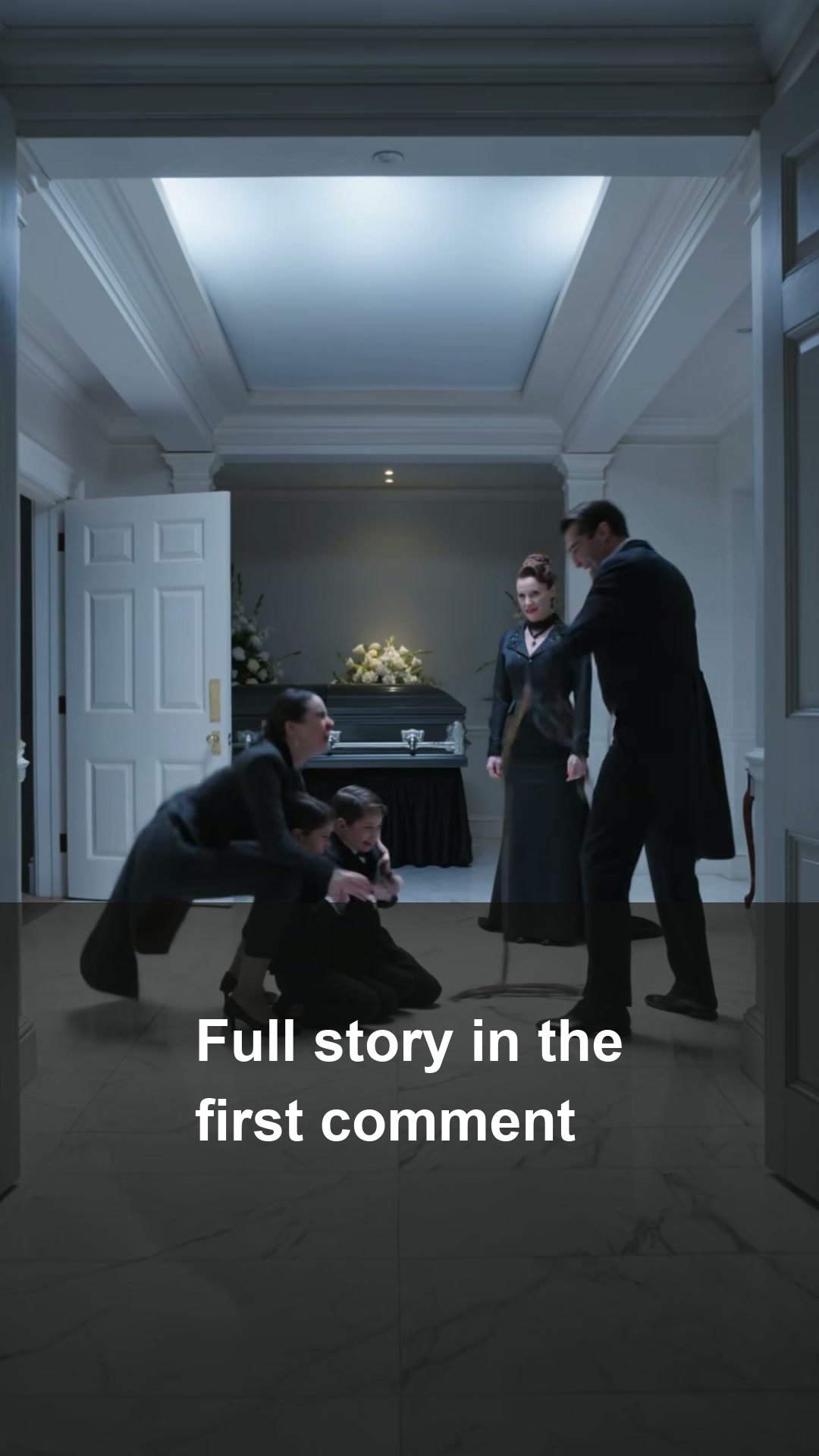
That was the mistake. The performance is the trap.
I remember the Tuesday afternoon the audit began. I was in the kitchen, the kids were out playing, and the silence of the house felt particularly dense. Mark came home early, his skin the color of wet ash. He went straight to his study, but he left the door cracked just enough for me to see him standing at the shredder. He wasn’t shredding documents; he was feeding them into a scanner, his movements frantic, bird-like. I walked in, and he didn’t look up, his eyes locked on the digital progress bar. I saw the names on the screen—shell companies in the Caymans, phantom employees, millions of dollars diverted into accounts that bore the initials of our own children. Mark, I said, my voice barely a whisper. He looked at me then, and his eyes were hollowed out by a terror I couldn’t comprehend. They are going to erase us, he said. They are going to take the house, the schools, the air in our lungs, and they will tell the world it was for the good of the company.
He spent the next two years living in the secret corners of our life. He became a stranger in his own living room, his mind constantly turning over the ledger I now held in my lap. I would wake up at 3:00 AM to find him sitting in the dark, the glow of his tablet illuminating the lines of exhaustion etched into his face. He wouldn’t let me help. He would just reach out, touch my hair, and tell me to go back to sleep, that he was building a life raft. I didn’t know the life raft was a coffin. I didn’t know he was documenting the rot until the wood had already turned to dust.
The last time I saw him truly alive was at breakfast. He was meticulously buttering a piece of toast, his focus so intense it felt like he was performing a surgery. Richard called three times that morning, his voice booming through the speakerphone even when I tried to keep the volume low. Mark didn’t answer. He just watched the phone vibrate against the granite countertop, the rhythmic thud a heartbeat of impending ruin. When the police came, when the house was flooded with the sterile scent of uniform-wearers and later, the heavy, suffocating floral arrangements of the funeral, I realized why he had never let me into the study. He had been protecting me from the knowledge that we were already ghosts.
I looked at the ledger now, the ink sharp and incriminating. It wasn’t just a list of crimes; it was a map of every insult, every condescending remark, every time Richard had pushed me aside to show me that I was a guest in my own home. My anger wasn’t a sudden spark; it was a slow-burning fire that had been fed by years of forced silence. I thought of the way Evelyn would look at my clothes, the way the board members would stop talking when I entered a room. They had built a wall of paper and wealth, convinced that I was too fragile, too distracted by domesticity, to see the cracks.
I stood up, the paper rustling in the quiet room. I didn’t feel like a widow anymore. I felt like a witness. The decision wasn’t complex. It was a simple matter of survival, a realization that the safety of my children depended on the destruction of the man standing in front of me. I walked toward the window, the morning light spilling over the desk, and I felt the weight of the past shifting. The Bennett name was no longer a shield; it was the leverage. I turned back to Richard, his hand still frozen in the air, his face a landscape of failed dominance. I realized then that I had been practicing for this moment since I was ten years old, watching my father close that desk drawer. I didn’t need the pen anymore. I had the ledger. And for the first time in my life, I knew exactly what to write.
Richard shifted his weight, the floorboards of the study groaning under the pressure of a man who had built his reputation on unearned silence. He touched the lapel of his charcoal suit—a fabric so fine it felt like oil—and his eyes flicked toward the portrait of Mark hanging above the fireplace. He wanted to be the grieving patriarch, but his fingers were twitching against his thigh, a rhythmic, predatory tapping that betrayed his need for order. I held the ledger against my chest like a shield. My father-in-law had spent forty years constructing a fortress of shell companies to hide the fact that he was essentially a glorified embezzler of his own company’s pension fund. He looked at me, his lip curling into a practiced, patronizing smile. Laura, you are emotional, he said, his voice dropping into that smooth, gravelly register he used to negotiate labor strikes. Grief makes people see shadows where there are only pillars. I didn’t flinch. I thought of the night I found Mark weeping in this very room, clutching a stack of bank statements until his knuckles turned bloodless. Mark had been the soft one, the one who loved the mechanics of manufacturing more than the politics of the boardroom, and Richard had treated his son’s conscience like a congenital defect. You aren’t talking to an employee, Richard, I replied, my voice steady, stripped of the frantic edge I’d carried since the funeral. I’m talking to a client of the SEC. His face went gray, the color draining so rapidly he looked like a wax statue left too close to the heat. He stepped forward, then stopped, the realization dawning that he couldn’t fire me, he couldn’t evict me, and he certainly couldn’t buy me.
The door opened behind us. Evelyn stood there, clutching her pearls, her silhouette framed by the harsh hallway light. She looked at Richard’s slumped shoulders and then at me, her expression unreadable. She had spent three decades playing the role of the devoted consort to a man who didn’t respect her, her own private tragedy being the belief that her social standing was an actual personality. She had discarded me the moment the death certificate was signed because I represented the inconvenient truth of her son’s departure. Laura, she murmured, her voice thin and brittle, let’s be sensible. We have the grandchildren to consider. I watched her hand tremble as she adjusted her silk scarf, hiding the bruise-colored veins on her neck. She was terrified, not of the law, but of the bridge club gossip. I realized then that she was the architect of the family’s obsession with optics; she was the one who had insisted I wear the Bennett crest brooch to the wake, as if pinning metal to my chest could hold the family together. She wasn’t fighting for her grandchildren; she was fighting for the illusion of a dynasty. I stepped past her, the floor cool under my feet, feeling a strange, detached pity for a woman who had traded her autonomy for a seat at a table that was currently being set on fire. I reached for the door handle. I didn’t care about their history or their bloodlines. The children were waiting in the car, and for the first time, I was the one holding the keys. I stepped out into the bright, unforgiving midday sun, leaving the silence of the study to settle over the two of them like a shroud. The next move was mine.
I pulled the sedan into the curb outside the Willow Creek police station, the heat shimmer rising off the asphalt. My hands were steady on the wheel, a stark contrast to the tremors that had plagued me for weeks. I opened the glove box, retrieved the manila envelope Mark had hidden beneath the floorboards of his study, and stepped out. The air inside the precinct smelled of stale coffee and industrial floor wax. When I sat at the intake desk, I didn’t reach for a tissue or offer a shaky preamble. I laid the ledger out—the meticulously printed spreadsheets detailing Richard’s shadow accounting. The officer looked at the first page, his brow furrowing as he traced a line of offshore account numbers. I told him, clearly and without default, that my father-in-law had been embezzling from the company trust for six years, and that my late husband’s death, though ruled an aneurysm, followed a series of threats related to these exact documents. By the time I left, the ink on the official report was still damp.
That evening, the notification hit my phone before I had finished locking the back door. It was a bank alert: my primary checking account, the one where the children’s school tuition was held, showed a zero balance. Richard hadn’t just watched me walk away; he had reached into my pocket. I stood in the kitchen, the hum of the refrigerator filling the space where my panic usually lived. Instead, I felt a cold, sharp clarity. I pulled up the banking app and saw the transfer history: a shell company managed by the Bennett estate. I didn’t call Richard. I didn’t scream. I sat at the island, opened my laptop, and began the process of cancelling every automated payment tied to the Bennett corporate umbrella. I transferred the last of my savings into a new, private account at a different institution, one Richard couldn’t touch.
The next morning, I met Marcus Thorne in a windowless office downtown. He was a man who looked like he had been carved out of granite, his suit impeccable, his eyes utterly devoid of sentiment. I slid a retainer check across the mahogany desk—money I had scraped together by selling the jewelry Evelyn had gifted me over the years. I told him I needed a temporary restraining order against Richard and a formal petition to contest the validity of the Bennett Trust. He didn’t blink. He took the documents, reviewed the ledger I’d copied, and leaned back, his chair creaking. He told me that filing these papers would ignite a war that would burn the family name to the ground. I looked him in the eye and said, good.
Two days later, the process server arrived at the Bennett estate while I was waiting in the car for Noah and Sophie to finish their piano lesson. I watched from the rearview mirror as the man in the tan jacket walked up the long, manicured path to the front door. Richard answered, his face tight and reddening as he read the papers. He looked toward the driveway, his gaze locking onto mine. For the first time, I didn’t look away. I saw the flash of pure, unadulterated rage in his eyes, but it was overshadowed by something else: fear. He went back inside and slammed the door, a sound that carried across the lawn like a gunshot.
The counter-action was swift. An hour after I got the children home, a courier arrived with a letter from the firm’s HR department. It was a formal complaint, typed on heavy cream-colored cardstock, alleging I had misappropriated sensitive proprietary information—the very documents I had handed to the police. They were accusing me of theft. My phone rang immediately after. It was Evelyn. I let it go to voicemail, but the screen displayed a preview of the text she sent: You have destroyed everything your husband worked for, Laura. You are nothing but a parasite, and you will find yourself in the gutter before the week is out. I deleted the message, opened my web browser, and uploaded the evidence of the shadow accounting to the state’s whistle-blower portal.
The final bridge burned when I drove to the private laboratory on the outskirts of town. Noah sat in the backseat, tracing patterns in the condensation on the window, unaware that the test I was requesting was the final key to the custody battle Richard was brewing. I provided the samples I’d collected—a hairbrush from the house, a discarded water bottle from the office. The technician took my details, her expression professional and detached. She told me the results would be ready in seventy-two hours. As I walked out, my phone buzzed with a notice from the court. Richard had filed a motion for emergency temporary custody, claiming I was unfit, unstable, and a danger to the children.
I drove home under a bruised, purple sky. The house felt smaller, but the air inside was finally, mercifully, mine. I sat in the living room as the sun dipped behind the pines, leaving the house in long, stretching shadows. I pulled up the court portal on my tablet, checking the filing status of the custody motion. Below it, a new line appeared: a subpoena from the district attorney, issued based on the police report I’d filed days prior. Richard was no longer just fighting me; he was fighting the state. I poured a glass of water, the ice clinking against the crystal, and felt a strange, terrifying sense of peace. The escalation was complete. There was no going back, no compromise, and no mercy left to give. I stood up and walked to the front door, turning the deadbolt until it clicked, the sound echoing through the empty hallway like a declaration of war.
The driveway was cluttered with news vans by dawn, their satellite dishes tilted like hungry, metallic birds toward my living room windows. I watched them through the slats of the blinds, gripping a mug of lukewarm coffee until my knuckles turned white. My phone chimed with a relentless, rhythmic vibration that felt like a secondary heartbeat. It was a message from Sarah, the president of the PTA, asking if I would be stepping down from the gala committee given the current circumstances. I stared at the screen, the cursor blinking with mocking impatience. I didn’t reply. I just turned the phone face down, the silence in the kitchen suddenly ringing in my ears.
The front gate buzzed. I didn’t go to the intercom. Instead, I retreated to the hallway, where the mail slot was already stuffed with envelopes. I pulled one out—a thick, cream-colored invitation to a charity auction I was no longer invited to. It was addressed to Mrs. Mark Bennett, a title that felt like a costume I had outgrown but couldn’t yet peel off. Outside, a neighbor, Mrs. Gable, was walking her poodle. She caught sight of a reporter near our stone pillars and jerked her leash, pulling the dog into the street to avoid walking past our lawn. The social exile wasn’t a slow burn; it was an avalanche.
I walked to the upstairs study, the floorboards groaning under my boots. I sat at Mark’s desk and opened the ledger again, the glow of the screen illuminating the tax evasion figures that were currently gutting the Bennett stock price. The local headlines were already live: Bennett Manufacturing Faces Federal Inquiry. It was surreal to see our name—a name that had stood as a monolith in Willow Creek for generations—being dismantled in real-time by a series of hyperlinks and investigative bylines. My skin felt too thin, as if the entire town’s collective gaze was pressing against my windows. I needed to know if Noah and Sophie could hear the commotion.
I opened the bedroom door down the hall. They were sitting on the floor, playing with a set of plastic blocks, their backs to the window. They were insulated by their innocence, but for how long? The school had already called twice to ask if I would be picking them up early, citing unspecified security concerns. I gripped the doorframe, my fingernails digging into the painted wood. My life was no longer a private sanctuary; it was a public exhibit.
I went back to the study and drafted the email to the board of directors. My hands didn’t shake. I hit send, watching the progress bar crawl across the screen like a slow, deliberate fuse. The board would know by noon. The pressure on Richard would intensify, and the fallout would hit the schools, the bank, and the grocery store. I had pushed the first domino, and now, the house was collapsing around me. I reached into the desk drawer and pulled out my old design portfolio, flipping past the sketches I’d made before I became a Bennett. I needed to remember who I was before the money. I picked up a pencil, the lead sharp and heavy, and decided that if I was going to be destroyed, I would be the one to decide what remained in the rubble. I heard a car door slam on the street, and my breath hitched. It was time.
The gravel crunched under tires that didn’t belong to Richard’s charcoal SUV. Through the sheer curtains, I saw a process server climb the front steps, his briefcase a dull, professional black. I didn’t wait for the doorbell; I met him on the porch. He handed me the thick manila envelope containing the board’s final resolution, his eyes flicking toward the darkened driveway next door with practiced indifference. The signature line at the bottom was stark—a digital print of the board’s collective abandonment. Richard had been stripped of his CEO title by a unanimous vote.
I signed the receipt and locked the door behind me. The silence inside the house was no longer heavy; it was merely quiet. I walked into the study, the place where Mark had spent his final, frantic months tethered to a glowing monitor, and pushed the heavy mahogany desk toward the wall. It left deep, permanent gouges in the hardwood floors, a record of years of stillness. I opened the floor-to-ceiling windows, letting the stale air of the Bennett estate bleed out into the garden.
By evening, the legal notice of the settlement arrived via email. The house was mine, deeded out of the corporate trust and into my name alone. The kids’ trust was locked, shielded from the wreckage of the company’s impending bankruptcy. I sat on the kitchen floor, the screen of my laptop illuminating the empty room. Richard’s name was gone from the accounts. I was no longer a ward of his legacy.
I heard Noah and Sophie in the dining room, their voices rising over a game they had abandoned for weeks. They were laughing—a sharp, sudden sound that cut through the lingering gloom like light hitting a prism. I stood up, feeling the weight of the last few years shifting off my shoulders. I reached for the heavy, ornate Bennett family ring I’d worn since my wedding day, the gold thick and suffocating. It slid off my finger with a soft, final resistance. I placed it on the counter next to a stack of old, forgotten sketchbooks.
I walked to the front door and engaged the deadbolt. The *click* was clean, mechanical, and absolute. It was the sound of a border finally drawn. Outside, the driveway was empty. No SUV, no looming threat of an encroaching father-in-law, no more watching the road for a ghost. I turned back to the kitchen, where the smell of burnt toast hung in the air, a reminder that I was finally allowed to be human, and that tomorrow, for the first time, I wouldn’t have to be afraid of the morning.
The kitchen tiles were cool under my bare feet, a stark contrast to the thick, synthetic warmth of the rugs Evelyn used to insist on. I picked up a serrated knife and scraped the charcoal flakes from the toast into the sink. The sound was rhythmic, metallic, and satisfyingly small.
Noah and Sophie sat at the small breakfast nook, their heads bent over a deck of cards. Noah’s hair was overgrown, curling over his ears, and Sophie was wearing her favorite oversized sweater—the one with the frayed cuffs. They were arguing over a rule in Go Fish, their voices light, devoid of the careful, brittle cadence they had adopted during the funeral weeks.
I set the plates down. The toast was uneven and slightly bitter, but the butter melted into the bread in vibrant yellow streaks.
“Is it really just ours?” Sophie asked, tracing the edge of the table. “Can he take the table, too?”
“No,” I said, meeting her eyes. “He can’t touch anything in here. Not the table, not the plates, not us.”
I watched them eat. They didn’t look over their shoulders. My own heart, which had spent months hammering a frantic rhythm against my ribs, finally slowed to a steady, manageable thrum. I realized then that the silence of the house wasn’t empty; it was quiet. It was the absence of someone else’s expectations.
I stood up and went to the back garden. The overgrown weeds were choking the hydrangeas, but a single, stubborn bloom was pushing through the chaos. I knelt in the dirt, feeling the grit under my fingernails—real, honest soil, not the pristine mulch of a landscaping crew paid to hide the rot. I grabbed a trowel and dug, the metal biting into the earth. I decided then that I would plant lavender. Something that smelled like peace, something that belonged only to the air I chose to breathe. I stood up, wiped my hands on my jeans, and walked back toward the house. The front door was locked. I was home.
I moved to the study, the room that once served as a vault for secrets and cold ledgers. The heavy mahogany desk felt like an artifact from a different life. I opened the wall safe, the steel tumblers clicking with a finality that echoed through the hollow space. I pulled out the Bennett family signet rings—the gold was tarnished, weighted with a lineage I no longer needed to carry. I let them drop onto the bare metal floor of the safe. They didn’t roll; they landed with a dull, heavy thud. I swung the safe door shut and pulled back the heavy velvet curtains. Sunlight surged into the room, blindingly bright, bleaching the shadows from the corners. On the mahogany surface, I placed a single, chipped ceramic mug filled with fresh, bitter coffee.
Leave a Reply