The warrant officers took Adrian in handcuffs, leaving only the smell of expensive cologne and ozone in the foyer.
I stood on the marble floor, my bare feet cold against the stone. My father, Julian, stood by the mahogany side table, his silhouette blocking the moonlight. He checked his gold watch, the steady click of the second hand echoing in the sudden, suffocating quiet of the house. He didn’t look at me; he looked at the front door as it clicked shut, sealing out the sirens.
Julian finally turned, his face a mask of practiced indifference. It’s done, he said, his voice flat. His hand tapped rhythmically against the wood of his cane. I stared at the space where Adrian had stood, the velvet rug scuffed where he’d been dragged away. I felt a hollow weight in my chest, a terrifying vacuum where my old life had been. My throat tightened, but I forced my gaze up to meet my father’s eyes. He saw the tremor in my hands and offered a thin, ghost of a smile. I knew then that he hadn’t saved me; he had simply traded one owner for another.
The alarm clock flickered 6:15 AM in a sterile, electric blue. I rolled over, my skin brushing the cool, high-thread-count sheets that still smelled faintly of Adrian’s sandalwood cologne. He was already gone, leaving only a rectangular depression in the mattress and the heavy silence of our house. I sat up, feeling the familiar, low-level hum of anxiety that I mistook for the standard fatigue of a marriage. The floorboards were cold beneath my feet as I padded toward the kitchen.
The coffee maker hissed, a rhythmic, sputtering sound that served as the heartbeat of my morning. I measured two scoops of beans, watching the burr grinder turn them into a coarse, dark dust. Everything was precise. Everything was expected. I leaned against the marble island, tracing the veining with a fingernail, waiting for the caffeine to blunt the edges of my exhaustion. My phone sat face down on the counter, a black mirror reflecting nothing.
I arrived at the office by 8:30 AM. The building, a glass-and-steel monolith in the city center, felt like a fortress of glass I hadn’t yet realized was fragile. In the lobby, Sarah from accounting was fussing over a bouquet of lilies. She looked up, her smile practiced and thin.
Morning, Lena, she said. Did you catch the forecast? They’re saying it might pour by lunch.
I nodded, gripping the strap of my leather satchel. It’s supposed to stay clear until three, I replied, though the humidity felt heavy and stagnant, clinging to the lobby windows.
I took the elevator to the fourth floor, my heels clicking a metronomic pace against the tile. The printer in the back office was jammed again, spewing out half-printed blueprints of the civic library restoration. I stood before it, pulling at the warm, crinkled paper, the smell of toner sharp and synthetic in my nostrils. It was a chore I found grounding, a mechanical problem with a mechanical solution. I didn’t have to navigate ego or subtext here; the machine either worked, or it didn’t.
I spent the morning correcting elevations, my drafting compass marking tiny, precise circles on the vellum. I felt small, a cog in a firm that valued my labor but treated my name as an afterthought. Adrian had called twice since I arrived, his messages short, clipped instructions about a dinner reservation that evening—a client of his father’s, he’d said. I didn’t want to go. I wanted to stay in the office until the sun went down, hidden behind the safety of my drafting table.
By 2:00 PM, the sky had turned a bruised purple, and the office was quiet, the staff retreating into the hum of their own projects. I pulled up the schematics for the structural support beams, my eyes burning. I thought about the house, about the way Adrian would look at me if I suggested we skip dinner. He would sigh, a sound of profound disappointment, and tell me I was being difficult again. He would list the reasons why my presence was necessary, framing his demands as opportunities for my own social advancement.
I decided I would go. It was easier to disappear into the role of the dutiful wife than to fight for the space to be anything else. I reached for my coffee mug, finding it cold and coated in a thin, iridescent film of oil. I pushed it aside, deciding to clear my desk, to pack away the tools that defined my intellect, and to prepare for the performative evening ahead.
Just as I reached for my handbag, the phone on my desk buzzed. It wasn’t the polite, rhythmic vibration of a calendar reminder. It was a harsh, insistent stutter against the wood, loud enough to make me jump. I looked down. An unknown number. My pulse quickened, a sudden, irrational spike of dread. I hesitated, my fingers hovering over the glass screen, then pressed accept.
The line remained open, a hollow, buzzing static that prickled against my ear. I expected a telemarketer or a misdialed local lead, but the voice that finally cut through the silence was not a stranger’s. It was jagged, stripped of the polished veneer Adrian wore for the boardrooms and the gala circuits.
Lena, get out of the house. Now.
Adrian? My grip tightened on the phone, the metal casing biting into my palm. His breathing was heavy, wet, and hitched, as if he were running or perhaps choking. Behind his voice, I heard the faint, rhythmic thud of a heavy object striking wood. It sounded like the library door downstairs.
What is happening, Adrian? Where are you?
There was a sharp, splintering crack, the sound of a frame giving way under immense pressure. He didn’t answer the question. Instead, he let out a jagged laugh, a sound devoid of mirth, brittle as shattered glass. I told them you weren’t an asset, Lena. I told them you were a liability.
The line went dead, the silence rushing back in to fill the space like a rising tide. I stood frozen in my office, the architectural sketches on my desk suddenly looking like abstract, meaningless lines. The air in the room felt too thin, recycled and stale. My skin prickled with the sudden, undeniable sensation of being watched. I looked at the security feed monitor tucked into the corner of my bookshelf, the one connected to the foyer’s hidden lens.
The screen flickered. A dark figure stood by the heavy oak door of the foyer, boots caked in fresh, wet mud. It was my father. His posture was rigid, his gaze locked onto the lens as if he knew I was watching. He didn’t reach for the doorbell. He reached for the lock, his movements practiced and terrifyingly fluid.
I didn’t think; I moved. I grabbed my bag, leaving the drafting compasses and the half-finished blueprints on the desk. My legs felt heavy, unmoored from the floorboards, as I backed toward the office balcony. The sound of the front door groaning on its hinges echoed up the grand staircase.
Father never visited without an invitation. He never entered a home unless he owned the land beneath it. If he was here, unannounced and violent, the fragile peace I had built around myself was already incinerated. I scrambled over the balcony railing, my fingers gripping the cool, rough brick of the exterior wall. I didn’t care about the drop or the neighbors catching a glimpse of the wife of an investment mogul scaling her own house like a common thief.
As my feet hit the gravel of the driveway, the living room lights flickered and died. A single, sharp shout rang out from inside—Adrian’s voice, sharp with pain—and then, a profound, suffocating stillness descended upon the estate. I started to run, not toward the gate, but into the dark, tangled edge of the woods.
The forest floor was damp, the scent of decaying leaves clinging to my skin as I crouched behind a thick oak. I pulled my phone from my pocket, the screen’s light blinding in the sudden gloom. My thumb hovered over my father’s contact. I tapped the screen, the ringing echoing in my ears until he picked up, his voice unnervingly calm. I asked him where Adrian was, my words stumbling over the silence of the woods. He told me Adrian had checked into the Grand Continental an hour ago, claiming he needed space to handle a fiscal crisis. He sounded bored, as if he were discussing a ledger error rather than a man’s disappearance. I hung up, the vibration of his final, cold instruction to stay hidden still buzzing against my palm.
I dialed the hotel. The concierge answered on the third ring, his voice smooth and polished. I used my best, most authoritative tone, masking the tremor in my lungs. He hesitated, then told me with a practiced, practiced indifference that Mr. Vance had never checked in, and in fact, had been seen entering the city’s private medical wing at eight o’clock. He wished me a pleasant evening. The lie hung in the air, a discordant note in the night’s symphony of deceptions.
My heart hammered against my ribs, a frantic rhythm that felt entirely foreign. I didn’t return to the house. I climbed into my car, the interior still smelling faintly of Adrian’s cedar-scented cologne. I drove, my knuckles white against the steering wheel, until I reached the clinical, sterile lights of the hospital. I bypassed the main entrance, finding the nurse’s station near the emergency overflow. A woman with tired eyes and a name tag reading Sarah looked up, her gaze softening when she saw my disheveled state. I asked about Adrian. She shook her head, pulling up a digital file. She told me the only person brought in tonight matching his description was a John Doe, unconscious, currently being prepped for transfer to a psychiatric hold across town.
I leaned against the counter, the cold laminate pressing into my palms. It didn’t add up. My father said the hotel, the concierge said the hospital, and the hospital said a prison. Each thread I pulled unspooled into a knot of contradictions. I looked at Sarah, her face a mask of professional apathy. She added, almost as an afterthought, that the patient had arrived accompanied by a man fitting my father’s exact physical profile.
I left the hospital without a word, the sound of the automatic doors sliding shut behind me like the closing of a tomb. I climbed back into the driver’s seat, the darkness of the parking lot pressing in on me. I realized then that I wasn’t just searching for Adrian; I was tracing the architecture of a trap. My father wasn’t rescuing me; he was clearing the board. I turned the ignition, the engine roaring to life, and drove toward the city, my mind beginning to map the location of the psychiatric facility. I needed to see the man who wasn’t there.
The facility hummed with a sterile, electric buzz that set my teeth on edge. I walked past a cluster of drooping lilies in the lobby, their petals curled into brown, desiccated scrolls. The air smelled of floor wax and stale coffee. My heels clicked against the polished linoleum, a rhythmic, solitary sound that seemed to mock the hesitation in my gut. I reached the secure wing and pressed the buzzer, my knuckles white against the heavy, brushed-steel plate.
The nurse behind the reinforced glass didn’t look up from her screen. She buzzed me through with a sharp, impatient metallic snap. I navigated the hallway, past rooms where shadows flickered against the walls. I found him in the corner suite. Adrian was sitting on the edge of the bed, his back turned to the door, his hospital gown hanging loosely over his narrow, trembling shoulders. He was staring at the window, watching the rain streak the glass in jagged, chaotic lines.
I stopped in the doorway. My heart hammered against my ribs, a trapped bird desperate to break free. I looked at the man who had built a life out of my concessions, the man who had promised a foundation only to leave me in the rubble. He didn’t turn. He seemed smaller, stripped of the arrogance that once defined his silhouette. I reached into my coat pocket and felt the cold, sharp edge of the legal papers I had brought. The weight of them felt like lead. I took a breath, the air thin and metallic in my lungs. I realized then that forgiveness wasn’t a possibility; it was a luxury I had never actually possessed. I stepped closer, my shadow stretching across the floor to touch his feet. He finally turned, his eyes hollow, searching for a trace of the woman he thought he had broken.
I looked at him and said, I didn’t come here to save you.
The memory of my seventh birthday party began with the smell of floor wax and the sound of my father, Arthur, counting silverware in the dining room. I stood in the doorway, clutching a piece of paper—a drawing of a bird, its wings spread wide—waiting for the right moment to show him. He was pacing, his shoes clicking against the mahogany with the cadence of a metronome. He didn’t look up when I entered. He only straightened a stack of napkins, his fingers lingering on the crisp linen as if measuring its value. I remember thinking that if I could just show him the bird, he would stop counting. I stepped forward, the paper crinkling in my palm. He held up a hand, a sharp, singular gesture that silenced the air in the room. He was on the phone, his voice dropping into that low, dangerous register he reserved for quarterly projections. He told the person on the other end that assets were only as useful as their liquidity. I walked back to my room and put the drawing in the trash, realizing then that I was an asset that had yet to prove its worth.
Years later, in the sterile silence of a university library, I met Adrian. He was standing by the oversized windows, his silhouette framed by the harsh Chicago light, holding a book on structural engineering as if it were a weapon. I was working on a bridge model, my hands stained with graphite. He walked over, his eyes scanning my work with a predatory sort of admiration. He asked me if I really thought the arches could hold under the proposed tension. I told him they were mathematically sound, that I had run the calculations twice. He smiled, and it was the same smile my father wore when he was about to foreclose on a competitor. He said, you have a brilliant mind for someone so young, Lena, but you’re building for a world that doesn’t want you to succeed. I felt a surge of pride, a foolish, hungry need to be understood by someone who seemed to see my potential. I decided then that he was the only one who didn’t view me as a transaction, ignoring the way he immediately began suggesting ways to simplify my design for the sake of cost-effectiveness.
My mother, Celeste, had warned me about men like that, though she did it with the detached grace of a woman who had never truly lived outside the cage. We were sitting in her solarium, the smell of damp earth and forced orchids heavy in the air. She was polishing a silver tray, her movements rhythmic and hollow. She looked at me, her eyes tracking the movement of a bee against the glass. She told me that marriage was a matter of optics, that a woman’s power lay in her ability to endure the silence of her husband’s ambitions. I asked her if she had ever loved him. She didn’t answer. She only turned the tray over, revealing the reflection of my own face, distorted and small. I hated that reflection. I decided then that I would be different, that I would find someone who wanted a partner, not a piece of furniture. I married Adrian three months later, convinced that my choice was a rebellion against the very history that had birthed me.
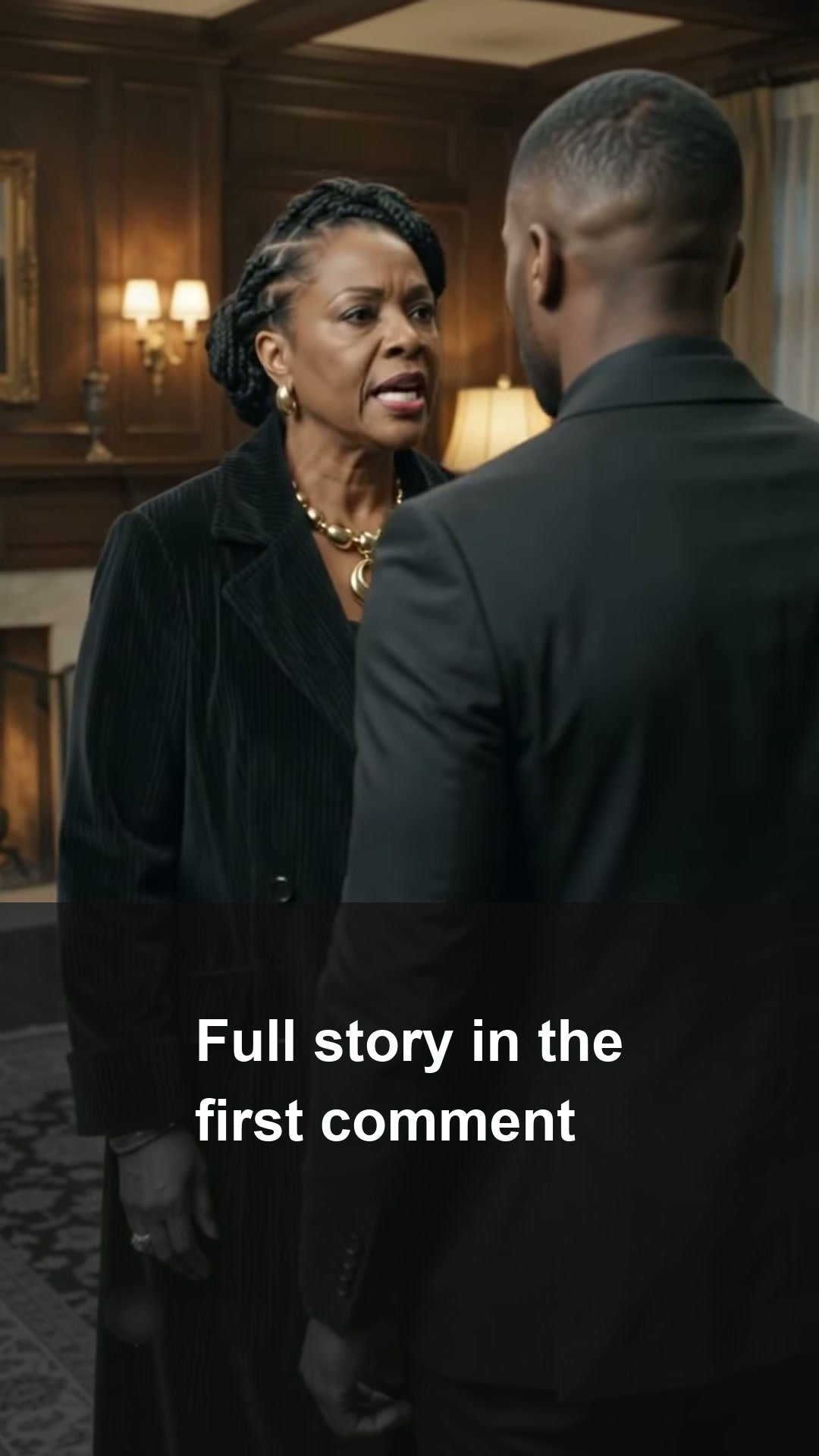
The pattern of our marriage settled in like a slow-acting poison. It began with the late nights, Adrian returning home smelling of expensive scotch and the perfume of women I didn’t know. When I asked him where he had been, he would laugh, a soft, patronizing sound that seemed to vibrate in my own chest. He’d say, you’re tired, Lena, you’re overwrought with these little building projects. He moved my architectural drafting tools from the desk to the closet, claiming they were taking up space that could be used for ‘real’ work. I watched him do it, my heart hammering against my ribs, and I said nothing. I thought if I could just show him the value of my work, he would bring the tools back. I spent weeks preparing a pitch for a new restoration project, staying up until dawn to perfect the schematics. When I showed him, he didn’t even look at the drawings. He just set them aside and told me that his brother needed a favor with the company accounts, and that my time would be better spent keeping the household books in order.
The insults were never loud. They were the kind that carved away at your foundation until you didn’t realize you were sinking until the floor gave way. We were at a dinner party, the room filled with the clinking of crystal and the low hum of power being traded. Adrian stood with his arm around my waist, his grip tight enough to bruise. He made a joke about me being a ‘hobbyist architect,’ a cute little girl playing with houses while he handled the legacy. The table erupted in polite, practiced laughter. I felt the heat rise in my cheeks, the familiar, suffocating shame of being reduced to a punchline. I looked at my father across the table. He was watching us, his face an impenetrable mask of cold curiosity. He didn’t intervene. He didn’t even blink. He only swirled the wine in his glass, his silence a tacit endorsement of my husband’s cruelty. I realized then that I wasn’t leaving the Vance family; I was just changing overseers.
I remember the morning I found the first set of forged documents. I was clearing out the desk, looking for my passport, when I saw the bank statements. The numbers were staggering, a web of offshore accounts and shell companies that Adrian had been running through my name. My hand shook as I traced the lines of ink, the realization dawning on me that I wasn’t just a wife; I was a shield. He was using my signature to launder the very money he claimed was the foundation of our life together. I felt a sudden, sharp clarity, a coldness that seemed to freeze my blood. I remembered the way he had insisted I sign those papers during our first year, his voice soft, his hand guiding mine. He had told me it was for ‘tax efficiency,’ a term he used whenever he wanted to bypass my questions. I thought of the way he looked at me when I brought home a commission, the subtle disappointment in his eyes when I succeeded on my own. It wasn’t about the money. It was about the control.
I sat there for hours, the paper trembling in my grip. I could hear him in the kitchen, the sound of the coffee machine, the hum of his morning calls. He was talking about a merger, his voice smooth and confident, the voice of a man who believed he was untouchable. I thought about the bird drawing, the one I had thrown away when I was seven. I thought about the bridge models I had built, the ones he had dismissed as ‘little projects.’ I stood up, my legs feeling strangely steady for the first time in years. I walked to the safe in the wall, the one he thought I couldn’t open, and I dialed the combination he had once mentioned in his sleep. The door clicked open. Inside were the records of his entire world, the paper trail of every lie he had ever told, every life he had systematically dismantled for his own gain.
I realized then that I had been building a cage for myself, brick by brick, marriage by marriage. I had been waiting for them to validate me, for my father to notice my worth or for Adrian to love me for my mind. I had been looking for a way to prove that I was an individual, yet I had spent my entire life being an extension of theirs. The room felt smaller now, the walls closing in on the choices I had made. I looked at the files in my lap, the evidence of his betrayal and the architecture of his downfall. It wasn’t just about the money anymore. It was about the reckoning. I walked out of the room, my footsteps silent on the hardwood, leaving the life I had built in the dust of the past. I didn’t look back at the desk or the house or the ghost of the woman I used to be. I knew then that the foundation had to be destroyed before I could ever hope to build something that was mine.
The kitchen smelled of burnt rosemary and the metallic tang of a life being bled dry. My father, Marcus, stood at the marble island, his fingers tracing the edge of a stack of legal documents with the same precision he once used to dismantle my childhood ambitions. He had built his fortune on the belief that affection was a liability, yet he was currently bankrolling my freedom with a cold, terrifying efficiency. I watched him smooth a crease in the paper. He wanted my safety, but he also wanted to prove that his way was the only way to survive the world. I didn’t tell him that his protection felt like a different kind of cage.
Across the room, my mother, Eleanor, sat in the velvet wingback, staring at her reflection in the darkened window. She had spent thirty years curating the Vance image, turning a blind eye to every infelicity to maintain the illusion of a golden family. Her silence was not cowardice; it was a tactical withdrawal. She clutched a glass of scotch, her knuckles white, refusing to meet my eyes because if she acknowledged my bruised cheek, she would have to admit that her own life was built on a foundation of sand. She looked away, her posture rigid, a woman who had mastered the art of being invisible in her own home.
My brother, Julian, stood by the terrace doors, leaning against the frame. He had always been the golden child, the one who navigated our father’s temper by becoming a smaller, softer version of him. He tapped his phone screen incessantly, likely checking the stock prices that were currently plummeting into the red. He loved me, in his own stunted, transactional way, but his fear of losing his inheritance outweighed his capacity for empathy. He glanced at me, his mouth opening as if to offer a platitude, but the words died in his throat when he saw the hardness in my eyes. He turned back to the glass, choosing the comfort of the status quo over the mess of reality.
Then there was Tiffany, Adrian’s mistress, who had arrived with a frantic, unscripted desperation. She stood near the foyer, her expensive coat clutched tight around her frame, a woman who had bet everything on the promise of an empire that was currently vaporizing. She had been the weapon Adrian used to cut me out, but she was just another player who had misread the board. She trembled, her eyes darting between my father and me, realizing too late that she was not the protégé, but the expendable collateral. She opened her mouth to speak, to offer some excuse or plea, but my father simply raised a hand, a gesture of absolute, chilling silence.
I walked to the table and placed my own hand over the blueprints I had been drafting. They weren’t for a house, but for a life stripped of these people’s influence. I felt the weight of their histories pressing against me, a web of dependencies and lies. I realized then that my father’s justice was merely a replacement of one authority with another. I looked at the pen in my hand, heavy and balanced. I had the power to sign their ruin or walk out and start the demolition myself. I chose the latter. I set the pen down, not on the blueprints, but on the empty space beside them. The silence stretched until it felt like a physical force. I turned my back on them all and walked toward the door, my heart finally beating in a rhythm that belonged only to me.
The polished marble of the foyer floor felt cold even through the soles of my shoes as I walked toward the front door. My father’s silhouette waited in the driveway, framed by the harsh glare of the halogen yard lights, but I didn’t look back. Instead, I drove three blocks to the all-night precinct, the air conditioning in my car cranked to its lowest setting, the smell of stale coffee and industrial cleaner clinging to the lobby. When I pushed the heavy glass door open, the desk sergeant didn’t even look up from his screen. I pulled the small, encrypted flash drive from my pocket—the recording of the night Adrian broke my collarbone—and laid it on the scarred laminate counter. I didn’t stutter when I told them I wanted to file a formal report. I felt the paper under my hand, the official statement forms, as I detailed the exact time and sequence of the blows. Outside, a squad car pulled away with a screech of tires, a siren cutting through the suburban quiet. I realized then that my life was no longer a secret kept behind velvet curtains; it was evidence.
The next morning, I stood in the offices of Sterling & Thorne, a firm that specialized in the brutal, surgical dissolution of marital assets. Mr. Sterling, a man whose face seemed carved from granite, took my checkbook and my signature on a retainer agreement that effectively froze every joint account Adrian and I held. I watched him dial a number on his desk phone, his voice steady as he instructed the bank to halt all pending transfers. Within an hour, a notification pinged on my phone: an attempted withdrawal from our offshore holding in the Caymans had been denied. The screen remained dark for a heartbeat, then flashed with a barrage of missed calls from Adrian. I put the phone on silent, tucked it into my bag, and felt the first true breath of air I’d taken in years.
I didn’t go home. I went to the corporate headquarters of Vance Development. The lobby was a cathedral of glass and ego, filled with employees who walked with the frantic, subservient energy of people living on borrowed time. I bypassed the elevators and walked straight to HR, bypassing the receptionist who tried to flag me down. I had the documents with me—the forged signatures on the property titles and the evidence of the shell company Adrian had used to siphon funds. I dropped the thick envelope on the HR director’s desk. Her eyes widened, flicking from the letterhead to the seal. She started to stutter about corporate protocol, about the complexity of the Vance family hierarchy, but I leaned over her desk, my shadow falling across her monitor. I told her that if she didn’t initiate an internal audit by noon, I would be walking the files directly to the SEC.
By the time I reached the lab for the DNA test, the sky had turned a bruised, electric purple. The technician was a quiet woman in a sterile white coat who handled the vials with detached precision. I watched the syringe needle enter my skin, a sharp, singular pinch that felt like a release. The results would take seventy-two hours, but the certainty was already settling in my gut like lead. I walked out of the clinic and saw my father’s sedan idling at the curb. He stepped out, his suit coat unbuttoned, his face a mask of calculated approval. He gestured for me to get in, but I stayed on the sidewalk, the humidity of the evening sticking to my skin. I told him I didn’t need his car, and I certainly didn’t need his ride home. He looked at me, a flicker of genuine shock behind his eyes, then he nodded once, turned, and climbed back inside.
The final move came two days later, in a courtroom downtown. I sat on the hard wooden bench, my lawyer beside me, as we filed the motion to contest the will of the family patriarch. The clerk stamped the papers with a dull, echoing thud. The motion was a grenade tossed into the foundation of the Vance empire; it challenged the validity of every asset transfer made in the last five years. As we left the courthouse, a black SUV pulled up to the curb. Adrian stepped out, his face pale, his eyes rimmed with the frantic, desperate energy of a man who had finally realized the walls weren’t just closing in—they were being dismantled brick by brick. He reached for my arm, his fingers digging into my coat, his voice a low, jagged plea about family, about unity, about how we could still fix this if I just walked away from the lawyers.
I pulled back, the movement sharp and decisive. I didn’t scream, and I didn’t cry. I looked at the hand he had once used to strike me, noticing for the first time how much he relied on the threat of his own touch. I told him that the police were already aware of his location and that my lawyer was currently sitting in a meeting with the board of directors regarding the fraudulent transfers. His grip slackened. For the first time, he looked small, a ghost haunting a house that had already been sold out from under him. He started to speak, a flurry of excuses and accusations, but I didn’t stay to hear them. I turned and walked toward the train station, the city lights beginning to flicker to life around me. Each step took me further from the life I had built for someone else, and each step felt heavier, more real. I reached the platform just as the train pulled in, the screech of metal on metal drowning out the distant, fading sound of Adrian’s voice calling my name. I stepped into the light of the car, closed the doors, and watched through the window as the district—the center of his world and the graveyard of mine—receded into the dark.
The train rattled toward the city, and my phone began to pulse in my coat pocket with the rhythmic persistence of a heartbeat. I didn’t reach for it. When I finally pulled it out, the screen was a fractured mosaic of notifications. Twitter accounts I hadn’t checked in years were tagging me in threads about Adrian’s firm, the Vances’ sudden removal from the board, and the leaked police report detailing the night in the foyer. The digital world was tearing the story apart, stripping the wallpaper off my private life to see what rot lay beneath.
At the office, the reception desk was silent. My drafting compasses, usually a comfort, felt like cold, sharp needles. I sat at my desk and opened my laptop, but the screen was immediately flooded with an email from the lead partner. It was short: my presence at the firm was now a liability. The board, he wrote, needed to distance itself from the optics of the scandal. My career, the one thing I had built brick by brick without my father’s money, was being liquidated to save their reputation.
I stared at the white surface of my desk. My hands were steady, though a tremor had lived in them for months. I reached out and traced the edge of the compass. If I let go of the work, I would be nothing more than a headline in a gossip rag, a cautionary tale for the brunch crowd. I stood up, gathered my files, and walked toward the glass doors. A junior associate looked up, her expression a mix of pity and morbid curiosity. I didn’t offer a polite nod. I looked through her, toward the exit.
The real fallout, however, was in the neighborhood. I returned to the estate—not to live, but to collect my tools—and found the gates swarmed with black sedans and camera crews. Neighbors I had shared wine with only weeks ago now peered through their curtains, the blinds twitching as I pushed through the throng. Mrs. Gable, the woman who once hosted my book club, turned her back as I climbed the front steps, her grip on her dog’s leash white-knuckled. The community hadn’t just turned; they were performing a ritual of exclusion to ensure the contagion of the Vances’ ruin didn’t touch their own manicured lawns.
Inside, the house was hollow. The fine art had been removed by my father’s contractors, leaving rectangular ghosts of dust on the silk-papered walls. The silence was absolute, save for the hum of the cooling system. I found my drafting tube in the study, right where I had left it. My father was there, standing by the window, watching the chaos at the gates.
He didn’t turn when I entered. He only gestured toward the driveway with a gloved hand. Everything is gone, Lena, he said, his voice as flat as a ledger. The company, the trust, the public standing. They think they’ve lost everything, but they’ve only lost the leverage they used against you.
I looked at him, really looked at him, and realized he wasn’t doing this for me. He was doing this to prove that he held the pen that could erase anyone. I felt a surge of cold clarity. I didn’t answer him. I took my drafting tube, tucked it under my arm, and walked past him without a word of gratitude. I didn’t need his victory, and I certainly didn’t need his version of justice. As I stepped out into the biting wind, I heard the sirens approaching the gates, the sound of a closing chapter. I walked toward the back exit, toward the street where no one knew my name, and for the first time in my life, I started to breathe.
The courtroom air tasted of floor wax and stale coffee. I sat on the hard wooden bench, my fingers tracing the silver band on my left hand one last time before slipping it off and dropping it into my coat pocket. Across the aisle, Adrian stared at the floor, his shoulders slumped beneath a cheap, gray suit that hung off his frame. He looked small without the tailored armor of his old life. When the judge announced the finality of the divorce decree, the gavel strike echoed like a gunshot, ending the legal tether that had choked me for three years. I didn’t look at him when the bailiffs hoisted him up to transport him back to the county jail to begin his five-year sentence for the assault. I simply stood, my back straight, and walked out of the double doors.
The transition to my new life was quiet. I stood in the doorway of the small, drafty Victorian I had rented, a house that needed structural restoration but carried no ghosts. My drafting compass sat on the desk, its sharp metal points digging into the grain of the oak. I reached for the legal documents finalizing the liquidation of the Vance assets. My hand was steady as I signed my name—Lena Vance—for the final time. I had already filed the paperwork to reclaim my mother’s maiden name, Miller. It felt like shedding a layer of dead skin.
I walked to the kitchen and poured a glass of cold water. Through the window, I watched a woman across the street struggling to park a sedan, her young child crying in the backseat. I thought of the foundation I had registered that morning, a resource center for women caught in the exact machinery that had almost crushed me. It wasn’t about vengeance anymore; it was about building a structure that wouldn’t collapse under the weight of someone else’s ego. I felt a sharp, rhythmic flutter against my abdomen, a reminder of the life growing inside me that had never known the sound of a raised voice or a slammed door. I placed my palm over the sensation, the skin warm and firm. I had spent my youth drawing homes for other people, designing spaces that were meant to impress the world rather than shelter a soul. I looked down at the blueprints for the new foundation center, my pencil marking a clean, decisive line across the page. The house was finally quiet, and for the first time, I was the one holding the keys. I turned off the light, leaving the darkness to settle, knowing I would wake up tomorrow in a room that was entirely mine.
The morning light hit the drafting table, turning the dust motes into suspended gold. I pressed the compass into the vellum, the metal cold and biting against my fingertips as I scribbled my maiden name—Vance—in the corner, no longer needing to practice the slant or the weight of the letters. It was just ink. It was just mine.
I stepped out onto the porch, the air biting with the sharp, clean scent of lake water and pine. A golden retriever, ungainly and too large for his paws, bounded toward me from the treeline, his claws clicking against the wooden slats of the deck. He shoved his wet nose into my palm, a frantic, mindless warmth that forced my shoulders to drop.
“Easy, Barnaby,” I whispered, the sound feeling loud in the vast, still garden. I sat on the porch steps, the wood still damp with dew. The dog pressed his weight against my side, anchoring me to the earth.
My father walked out from the kitchen, carrying two mugs of tea. He didn’t hover. He set one down on the railing, the ceramic clinking softly against the cedar.
“The soil is ready for the hydrangeas,” he said, not looking at me, just watching the horizon. “I thought we might plant them by the stone wall.”
“I’d like that,” I replied. “I want them white.”
He nodded, a brief, tight movement. “White it is.”
He retreated inside, leaving me to the silence. I watched the dog’s ears swivel toward a distant bird. For years, I had navigated my life as a series of landmines, every footfall calculated to avoid an explosion. Here, there was only the rhythm of breathing. I took a sip of the tea; it was herbal, scalding, and lacked the sharp bitterness of the coffee I used to drink to survive the nights. I realized then that I wasn’t waiting for the next tremor. I finally let my guard down, watching the sun climb over the tree line, and decided to go for a run along the dunes.
I returned from the dunes with salt stinging my skin and sand caught in my laces. The house stood quiet, a hollow shell of the mausoleum I had inhabited for months. I stepped into the studio, the air smelling of ozone and fresh graphite. My father had left a stack of parcel tape and cardboard on the floor, but I shoved them aside. I pulled a fresh vellum sheet across the drafting table, the texture rough and honest against my fingertips. I gripped the brass drafting compass, its weight familiar and cold, and pressed the steel point into the center of the paper. With a steady, deliberate motion, I swung the arc, anchoring the needle until the paper bruised, pinning the blank white space firmly into place.
Leave a Reply