The blood on my silk dress was still tacky, a dark, star-shaped stain blooming over my ribs.
I stood in the guest bathroom, the marble cold against my bare shins, staring at my reflection in the gilded vanity mirror. My hands trembled, the silver cufflink I’d snatched from the study floor digging a crescent moon into my palm. The party music thumped through the floorboards, a rhythmic, muffled heartbeat that felt like a taunt.
Mark pounded on the door. Emily, move. The perimeter team isn’t just checking the guest list anymore, they’re sweeping the terrace.
I caught my reflection—the composure I’d spent thirty years perfecting was splintering. I didn’t look like a daughter or an architect; I looked like a liability. I shoved the cufflink into my mouth, the metallic taste of brass coating my tongue, and shoved the heavy vanity stool against the door.
If my father wanted his foundation to burn, I would ensure he was the fuel. I pulled the burner phone from my waistband, the screen glowing a sickly, neon blue. I wasn’t just leaving; I was deleting the blueprints of my own life. I hit send.
The morning humidity in Virginia hung heavy and sweet, smelling of damp pine and the charcoal residue from the grill my father insisted on using for every family gathering. I stood in the kitchen of our D.C. townhouse, watching the sun hit the coffee grounds in the French press. The light caught the stray dust motes, turning them into swirling gold debris. I tapped the glass carafe with a silver spoon, a rhythmic, hollow sound that anchored me.
Mark walked in, his shirt collar unbuttoned, his tie hanging loose like a tired snake. He grabbed a mug from the rack, his movements mechanical, the way they had been for months. He didn’t look at me, just focused on the steam rising from the counter.
The weather is going to be brutal today, he said, his voice flat. They’re calling for record humidity by noon.
I checked the news feed on my phone while the coffee steeped. It was all zoning permits, local infrastructure updates, and the slow, agonizing crawl of traffic on the beltway. It looked like a map of a stable, predictable world. I’m thinking of pushing the site visit for the Miller project to tomorrow, I said. If it’s this hot, the concrete pour is going to be a nightmare to monitor.
Mark leaned against the counter, staring at the back of his own hand. Just get it done, Emily. You don’t need to be standing in the sun for six hours.
I didn’t argue. He had been irritable lately, his focus shifting toward the classified side of his intelligence desk, the parts of his job he claimed were just tedious data-crunching. I thought he was just overworked. I thought our marriage was simply suffering from the quiet erosion of domestic monotony. I stirred the coffee, the black swirl hypnotic, and felt a flicker of irritation at his detachment. I wanted to ask him what he was really thinking about, but the office printer in the hallway began its rhythmic clatter, spitting out the day’s first batch of blueprints.
I’ll head in early, I decided, turning to pull a mug from the shelf. I have to sync the structural schematics with the engineers before the meeting.
Mark didn’t move. He stood in the sliver of morning light, watching the shadows stretch across the hardwood floor. He looked like he was waiting for something to break. You do that, he said quietly.
I poured the coffee, the smell of dark roast filling the kitchen, a scent so ordinary it felt like an anesthetic. I looked out the window at the neighbor’s golden retriever chasing a squirrel across the lawn. Everything was perfectly aligned. The windows were sealed tight against the humidity, the air conditioning hummed a steady, reassuring note in the background, and the calendar on the wall was filled with the mundane obligations of a life built on solid, verifiable ground. I thought about the weekend trip to my father’s estate—the way he always insisted on his security details, the way he liked to keep the gates locked—and it just felt like the eccentricities of an aging, powerful man who loved his privacy.
I picked up my bag, the leather strap cool and familiar against my shoulder. I’ll call you tonight?
Mark didn’t answer right away. He was staring at the wall, at the framed photograph of Leo playing in the backyard. Then, he finally looked at me, his expression unreadable, a strange, sharp sadness in his eyes that I dismissed as fatigue. Yeah, he said. Call me.
The front door clicked shut behind me, the sound final and crisp. I reached for my keys, the air outside already thick and stifling, the sky a flat, unblemished blue. I took a breath, ready to step into the traffic, into the office, into the quiet, curated architecture of my own existence. Then, the phone in my pocket began to vibrate, a frantic, persistent buzzing against my hip.
The caller ID was blocked, a string of empty digits. I tapped the screen, the plastic cool against my thumb. Mark’s voice wasn’t his usual cadence; it was stripped, jagged, and breathy. Emily, listen to me. Don’t go back for the files. Don’t look at the sky. Just get Leo and drive.
The static on the line hissed like a leaking pipe. I stepped off the porch, my heels sinking into the softening asphalt of the driveway. The heat was wrong—not the humid warmth of a Virginia afternoon, but a dry, sterile blast that withered the ferns lining the walk. I looked toward the western ridge. The orange horizon wasn’t the sun. It was a bruise, pulsing against the treeline, a low-frequency hum that vibrated through the soles of my shoes.
Mark, what is that? Is that the substation?
Get to the car, Emily. Now. Everything we talked about—the drive, the records—burn it. If you see the guards, go through the creek bed.
The line died with a sharp, electronic pop. I stood frozen, my thumb hovering over the dead screen. A bird fell from the oak tree above me, thudding onto the gravel with a sickening, hollow sound. It didn’t flutter; it just curled inward, its feathers singed into black ash. My father’s security team was moving toward the perimeter fence, their black SUVs kicking up clouds of dust that turned golden in the unnatural, flickering light. They weren’t looking for intruders. They were locking the gates.
I thought of the blueprints in my office, the structural load-bearing calculations I’d made for the estate’s renovation. I realized, with a sudden, freezing clarity, that the foundation wasn’t built to hold weight. It was built to contain an explosion.
I shoved the phone into my pocket and pivoted. I didn’t run toward the main house; I sprinted for the detached garage where I’d left Leo with the nanny. My lungs burned, the air tasting of ozone and scorched pine. I reached the side door, my hand fumbling with the biometric pad. The red light flickered, then cycled to a pulsing, urgent amber. Access denied.
I hammered my fist against the heavy steel frame, the sound muffled by the rising roar of wind that seemed to be pulling the oxygen from the yard. Leo’s laughter drifted from inside, thin and fragile, cut off by a sharp, commanding voice that wasn’t the nanny’s. It was my mother.
I checked my watch. Three minutes. If the perimeter fence went fully dark, the house would go into lockdown mode, sealing every window and door with blast-proof shutters. I grabbed a heavy landscaping stone from the garden bed, the weight of it grounding me. I didn’t think about the father who had taught me to read maps or the man who had bought me my first drafting table. I looked at the glass pane, calculated the stress point, and swung.
The glass shattered in a controlled, radial pattern, crystalline shards cascading onto the stone terrace like oversized hailstones. I didn’t wait for the alarm to register. I vaulted through the frame, my boots hitting the hardwood of the study with a muffled thud. The room smelled of old paper and ozone. I reached for the desk phone, my fingers trembling as I punched in the extension for the gatehouse.
Security lead Miller answered on the first ring, his voice unnaturally calm, like he was reciting a script. Everything is fine, Emily, he said. A minor electrical surge in the north grid. Just a standard maintenance protocol.
I stared at the wall safe behind the mahogany portrait, its keypad glowing a faint, mocking blue. That didn’t explain the smell of burning pine or the convoy I saw turning off the mountain road ten minutes ago, I countered, my voice tight. Miller’s silence was heavy, vibrating with the sudden realization that I wasn’t just a daughter looking for her father anymore. Go back to the party, Emily, he commanded, the authority in his tone replaced by a jagged edge of threat. Your father is busy.
I hung up, the dial tone sounding like a flatline. I pulled my husband’s burner phone from my pocket, the screen flickering to life. I dialed the private line for the infirmary nurse, Clara. She had been with us since I was six, a woman who treated every scraped knee as a national emergency.
Clara, tell me the truth, I whispered, pressing the phone to my ear as I scanned the hallway for movement. Where is he?
The line crackled. He isn’t here, dear, she said, her voice thin and reedy. He left for the hangar an hour ago to oversee the cooling systems. There’s no fire. It’s a drill.
A drill? I looked out the bay window toward the orchard. A massive column of black smoke was rising against the twilight, a violent smear against the dying sun. I decided then: I wasn’t a guest anymore. I was a structural failure in their system, and I had to find the exit.
I sprinted to the mudroom, grabbing the heavy iron key I’d seen my mother hide in the vanity months ago. I intercepted the gardener, Elias, near the potting shed. He was frantically shoving tools into a crate, his hands shaking so violently he dropped a spade. He wouldn’t meet my eyes. Where’s the primary gate access? I grabbed his wrist.
He jerked back, his skin cold. The gates are locked down because of the gas leak, he stammered, pointing toward the valley. The fire isn’t in the woods, Emily. It’s in the subterranean storage levels. Your father didn’t build a basement; he built a furnace.
The contradiction hit me like a physical blow. Miller said a power surge. Clara said a cooling drill. Elias said a furnace. My father wasn’t just hiding a secret; he was burning the evidence of the foundation he had built for our lives. I let go of Elias, my grip on the iron key tightening until my knuckles turned white. I turned toward the gravel drive, the roar of the wind now masking the sound of sirens that weren’t coming to help us, but to secure the perimeter. I had to reach the glove compartment in the car before the last light died.
I sprinted across the crushed stone, the heat radiating from the ground biting through the soles of my heels. The estate’s floodlights flickered, caught in a rhythmic stutter as the facility’s power grid finally surrendered to the thermal load below. I reached the sedan, my breath hitching in a jagged, uneven cadence. My hand trembled, fumbling with the key until the lock finally clicked. Inside, the air was stale, smelling of cold leather and the faint, citrus-sharp cologne Mark wore when he was terrified.
I popped the latch. The drive was there, nestled against the owner’s manual like a ticking heart. I shoved it into my pocket, the metal edge pressing hard against my hip. I wasn’t an architect tonight; I was a thief in my father’s house, measuring the distance between my husband’s survival and my father’s legacy.
The back door of the main house swung open. My mother stood on the veranda, her silhouette framed by the amber glow of the approaching fire. She wasn’t fleeing. She held a crystal glass, her posture impossibly rigid, as if she were waiting for the toast to begin. She looked at me—not with the panic of a mother watching her daughter run into the dark, but with the hollow, clinical assessment of a handler checking a containment breach.
I paused, the engine of the car idling in a low, hungry growl. I didn’t want the truth; I wanted the comfortable lie of the child who believed her father built houses to shelter people, not to incinerate them. I walked toward her, the gravel crunching under my boots, needing to hear her refute it, needing her to tell me that Mark was wrong, that we were safe. She didn’t move as I approached. She simply looked past me, toward the fire consuming the archive, and whispered, I never once asked him what he burned, because I liked the warmth.
The warmth was always there, a constant, low-frequency hum in the house that I mistook for security. I was ten, sitting on the mahogany floor of my father’s study, tracing the grain of the wood while he reviewed blueprints for the Virginia expansion. He wasn’t building homes; he was drafting containment. I didn’t know the terminology then. I only knew that when the heavy oak door clicked shut, the world outside—the school, the other children, the messy, loud reality of the town—ceased to exist. He tapped his pen against a rendering, a sharp, rhythmic sound like a ticking bomb. Emily, he said, not looking up, structures only hold if you account for the rot before you pour the foundation. I didn’t understand the metaphor, but I memorized the tone. It was the tone of a man who owned the terrain.
I remember the schoolyard, three years later, the smell of damp pine needles and the cold sting of autumn air. A boy named Julian had shoved me during recess, his face flushed with the kind of casual cruelty only children possess. He called my father a ghost-man, a phantom who signed paychecks for people who didn’t exist. I didn’t cry. I went home and told my mother. She was in the kitchen, carefully arranging lilies in a vase, her hands steady, her expression as unreadable as a blank wall. She didn’t ask if I was hurt. She asked what Julian’s father did for a living. I told her he ran the local grocery. The next week, the store closed. A sign hung in the window: Lease Terminated. When I asked her about it, she smoothed my hair and said that sometimes, balance requires an adjustment of inventory. I decided then that the world was a ledger, and my family held the pen.
The pattern was invisible unless you knew how to look for the erasure. We moved four times before I turned eighteen. Every time I settled into a room, pinning posters to the plaster, Dad would find a structural inefficiency—a draft, a view that invited observation, a lack of privacy—and we would uproot. I became an architect because I wanted to build something permanent. I wanted to design a house that couldn’t be dismantled by a whim. I told him this at dinner during my sophomore year at university. He took a slow sip of his wine, the glass catching the light of the chandelier, and smiled. It was a proud smile, but it didn’t reach his eyes. Permanent is just a state of denial, he said. Everything yields to pressure, Emily. You just have to decide whether you’re the one applying it or the one being crushed.
My brother, Thomas, was the one who tried to break the cycle. He was the soft one, the one who asked too many questions about the finances, about the off-shore accounts that Father used to fund his private security details. One night, I found Thomas in the driveway, his car packed, his hands shaking as he gripped the steering wheel. He told me he’d found something in the basement safe, a ledger that didn’t tally with the foundation’s public filings. He begged me to come with him. I looked at the house—the towering, slate-roofed fortress that had been our kingdom—and I felt a sickening pull of loyalty. I told him he was overreacting. I told him Father was just protecting us. Thomas looked at me with a kind of pity that burned worse than his accusation. You don’t see it because you love the view from the turret, he said. He drove away, and he never came back. The next day, Father told me Thomas had chosen to study abroad, and I never saw the ledger again.
Then came Mark. I met him at a gala in D.C., his suit slightly ill-fitting, his eyes constantly scanning the room like he was measuring the load-bearing capacity of the walls. He didn’t talk about art or architecture; he talked about systems. He spoke of the ways information flows through networks, how a single flaw in a data chain could bring down an entire infrastructure. I was drawn to him because he felt like a puzzle I could solve. I thought he was the rebellion I needed. I didn’t know he was an extraction tool. We married in a small ceremony that Father insisted on funding, the air thick with the presence of men I didn’t recognize, men who shook my father’s hand with a deference that bordered on fear.
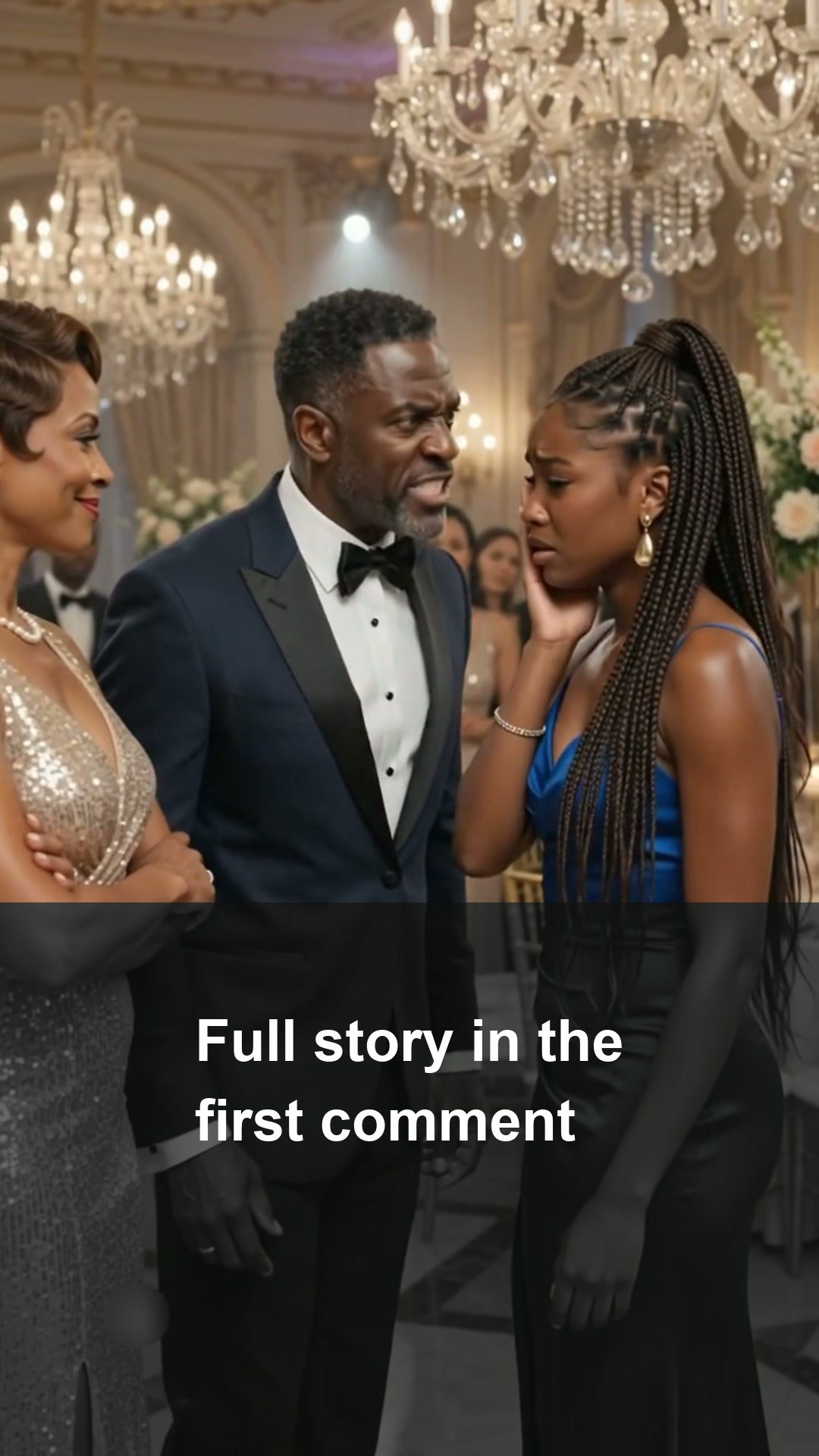
I remember the night Mark started checking the exits. We were in our first house, a modest Victorian I’d renovated myself. He was installing a new lock on the back door, his movements frantic, precise. I asked him why he was obsessed with the perimeter. He stopped, his screwdriver hovering over the plate, and looked at me. He didn’t tell me about the classified data-mining or the shadow contracts then. He just said, sometimes, the house is built on ground that’s already shifting. I laughed it off, thinking he was just nervous about his career in intelligence. I ignored the warning because acknowledging it meant admitting that my father was the epicenter of the earthquake. I chose the comfort of the lie. I chose the warmth of the hearth, never stopping to ask where the fuel came from.
Years passed in this state of willful blindness. I built structures of glass and steel, marveling at their transparency, while living in a life defined by opulence and opacity. I looked at my son, Leo, and saw a future that looked exactly like my past—protected, gilded, and utterly fraudulent. Every time I received a call from Father—the sharp, clipped instructions to change our travel plans, the surprise birthday gifts that arrived with no return address—I felt that familiar tug of belonging. I was the loyal daughter. I was the architect of the Sterling name. When Mark started disappearing for days at a time, I told myself it was for the good of the country. I didn’t want to see the files he was hiding in our attic. I didn’t want to know why he looked at me with that same hollow, clinical assessment whenever I mentioned my father’s projects.
The old insults—the boy in the schoolyard, the pity of the military colleagues, the brother’s silent departure—they weren’t just memories. They were ghosts, haunting the hallways of my marriage. Every time I defended my father, I was trying to justify the foundation I was standing on. When I finally found that encrypted drive in the glove compartment, my fingers trembling as I held the cold, black plastic, I realized that every brick I’d laid had been mortared with secrets. The realization wasn’t a sudden epiphany; it was the inevitable collapse of a structure that had been failing from the first day it was conceived. I had been a pawn in a game I thought I was managing. I had been the architect of a prison I called a home.
I stood there in the driveway, the heat of the fire crawling up the horizon, and the truth hit me with the force of a wrecking ball. The party inside was still a dull roar of laughter and clinking crystal, a celebration of a legacy built on incinerated evidence. My mother was standing by the archive, her face illuminated by the rising glow of the flames, watching the past turn to ash with the dispassion of a judge. She wasn’t a victim. She was the one who kept the fire burning. I realized then that my father hadn’t just built houses; he had built a trap, and we were all just components, replaceable parts in a machine that knew how to scrub its own history. I touched the drive in my pocket, the cold weight of it anchoring me to the present, and made the only decision that mattered. I turned away from the house, from the warmth, from the lie. I didn’t look back at the flames, because I knew exactly what they were consuming, and for the first time in my life, I didn’t care if I was left in the cold.
The gravel crunched under my boots, a sharp, rhythmic sound that reminded me of drafting blueprints—precise, rigid, unforgiving. I walked toward the idling SUV where Mark waited, his eyes fixed on the rearview mirror. He looked tired, the kind of exhaustion that settled into the bone marrow after years of living a double life. He had been an intelligence analyst masquerading as an architect, his entire marriage a long-form surveillance operation. He wanted to save me; he wanted to secure a witness. The contradiction of his love—calculated, patient, and ultimately cold—made my skin prickle. I reached the passenger door, my fingers brushing the cool steel of the handle.
Mark didn’t look at me, but his hand tightened on the wheel. He murmured, We have twelve minutes before the primary security sweep hits the secondary road.
I didn’t answer. My mind flashed to my father, Robert, standing on the veranda earlier that evening. He had been cradling a crystal tumbler, his posture radiating the easy confidence of a man who owned the horizon. He had spent his life treating people like structural components—load-bearing walls that could be demolished if they showed stress fractures. He loved me, I knew that, but his love was a tactical asset, a variable he managed to keep me within the perimeter of his influence. He wasn’t just a father; he was the architect of the very decay we were fleeing.
My mother, Sarah, appeared in the doorway of the estate just as I pulled the door shut. She stood motionless, a silk shawl draped over her shoulders, looking like a statue in a garden that was rapidly being overtaken by smoke. She had spent thirty years playing the oblivious socialite, the woman who poured tea while men discussed death tolls. But her silence had been a weapon, a tactical choice to maintain the comfort of a life built on buried secrets. She knew exactly what burned in those Virginia hills. She wasn’t weak; she was the enforcer of the status quo.
Leo was asleep in the backseat, his small chest rising and falling in rhythmic, innocent intervals. He was the collateral damage, the pawn in a game he didn’t even know was being played. Watching him, I felt the sharp ache of my own transition. I had lived my life as an architect of aesthetics, believing in the permanence of stone and the integrity of foundations. Now, I saw the cracks in everything.
I reached into my pocket and touched the encrypted drive. My father had trusted me because he believed I shared his obsession with structure, never realizing I was observing the tension, not the brick. I looked at Mark. You knew, I said, my voice flat, devoid of the shock I thought I should feel. You knew every time you walked through that door that you were walking into a nest of vipers, and you brought me with you.
Mark finally turned his gaze toward me, his expression unreadable, a mask of professionalism that had served him better than honesty ever could. I had to, he said, his voice barely rising above the low rumble of the engine. There was no way to get you out without you realizing who you were living with.
I didn’t argue. I didn’t cry. I looked at the house, the grand, historic structure that was currently being licked by the orange hunger of the fire, and I felt a strange, detached satisfaction. I had been a builder, but now I understood the necessity of demolition. I put the car in gear, the motion smooth and deliberate, and drove toward the perimeter. I stopped looking for the safety of the past and started measuring the distance to the next life. The road ahead was unmapped, and for the first time, that was enough.
The gravel crunched under the tires like breaking teeth as I cleared the estate’s secondary gate. Behind me, the orange horizon pulsated, a rhythmic, hateful glow that lit up the rearview mirror. I didn’t look back. I reached into the glove compartment, my fingers finding the cold, hard edges of the encrypted drive Mark had spent years hunting. It felt heavier than plastic and silicon; it felt like the weight of a guillotine.
The first step was the precinct in the next county, a fluorescent-lit box that smelled of stale coffee and industrial floor wax. I walked to the front desk, the tile cold through my soles. I didn’t wait for the bored officer to finish his crossword. I dropped the drive onto the counter. I want to file a report, I said. I listed the coordinates of the basement server room, the offshore accounts linked to the Sterling Foundation, and the names of the contractors my father had buried in the Blue Ridge soil. The officer’s eyes widened, then narrowed as he tapped his keyboard. His reaction was immediate: he pushed a silent alarm button under his desk. A shadow crossed the doorframe, a man in a tactical vest who wasn’t a patrol officer. I stepped back, my heart a metronome of steady, cold precision. I had triggered the system.
I walked out before he could detain me. My next move was the bank. I pulled into the parking lot of the regional branch, my hands steady on the steering wheel. I logged into the joint accounts I had shared with my father since I was eighteen. With a few deliberate taps on my phone, I froze the assets. I initiated a transfer of the contingency fund—the money he’d earmarked for my inheritance—into a blind trust Mark had established months ago. The response was instantaneous: my phone buzzed with an alert from the bank’s fraud department, followed by a frantic, blocked call. I declined it. I watched the balance on the screen drop to zero. The money was gone, vanished into the ether of digital security. It was the first time I had ever successfully amputated a limb of his control.
I sat in the car, the silence of the cabin a stark contrast to the roar of the fire I’d left behind. I pulled a business card from my pocket, the ink raised and elegant. I dialed the lawyer Mark had vetted, a man known for tearing apart family dynasties. I need a litigator, I told him, bypassing pleasantries. I need to contest the will and freeze the estate’s deed before the fire investigation concludes. He listened, his silence thoughtful, then he spoke of the inevitable countersuits and the professional suicide I was committing. I don’t care about the firm, I said. I want the foundation dismantled. He agreed. He filed the motion within the hour.
The HR complaint was the most surgical strike. I logged into the architectural firm’s portal, my cursor hovering over the ethics board submission. I uploaded the blueprints Mark had scavenged, the ones showing the illegal structural voids in the state projects my father had signed off on. I clicked submit. The reaction was a cascade of red-flag alerts that reached the CEO’s desk before I had even closed the browser. They would have to fire me, or burn with me. I chose the latter.
I met the private investigator at a park, the wind whipping through the trees. He handed me a manila envelope. The DNA test results were inside. I didn’t need to look at the lab report to know the truth. My father had used Leo’s samples—taken from a routine pediatric checkup—to create a falsified genetic profile for a corporate insurance policy. The fraud was absolute. I held the paper, the weight of it confirming that my son was never just a grandson; he was a biological asset in a ledger. I felt the bile rise, but I swallowed it. I took a photo of the document and emailed it to the prosecutor.
The counter-action was swift. As I drove, my phone began to ping with alerts from my home security system—the one Mark had supposedly disabled. They were in the house. They were searching for the drive, for the files, for me. I pulled to the side of the road, the engine ticking as it cooled. I took my wedding ring off, the gold dull in the gray light, and tossed it into the tall grass. I felt a surge of adrenaline, a cold, sharp clarity that made the world look like a blueprint waiting to be redrawn. I opened the last file on my burner phone, the one containing the directions to the safe house. I put the car in gear and merged onto the highway. The foundation was crumbling, but the structure I was building in its place was already standing. I saw a black sedan pull out behind me, its headlights flickering like hungry eyes. They were following. I accelerated, the needle climbing past eighty, the road stretching out into the dark. It was time to see who was faster.
The highway blurred into a smear of asphalt and pine as the sedan behind me maintained a precise, predator’s distance. I checked the rearview mirror, my hands white-knuckled on the wheel, noticing the way the driver didn’t weave or rush. They were confident. My phone vibrated against the passenger seat—a deluge of notifications that hadn’t stopped since the servers hit the public domain. My email inbox was a digital riot: architectural firms rescinding partnership offers, state licensing boards flagging my credentials as under review, and a dozen messages from friends I hadn’t spoken to in years, their subject lines ranging from “Are you safe?” to “I hope you burn for this.”
I swiped a notification away. A local news clip played automatically: a shaky-cam shot of our Virginia estate, now ringed by emergency vehicles and smoke that bled into the night sky. The headline screamed about the Sterling Foundation’s involvement in the defense project, the words “treason” and “negligence” flickering in bold red text. It wasn’t just the house that was gone; it was the entire curated life I had presented to the world.
My phone rang again. It was a restricted number. I tapped the speaker button, my voice brittle. “I’m busy.”
“Emily, don’t stop,” Mark’s voice was distorted by the encryption, but the urgency cut through the static. “The firm is liquidating everything. Your mother isn’t talking, but they have the board members. They’re looking for the drive. If they catch you, the fallout won’t be legal—it will be final.”
“I don’t have the drive anymore,” I said, catching a glimpse of the sedan closing the gap on a curve. “I left it in the glove box of the other car.”
A silence hung on the line, heavy and jagged. “Then you’re a liability, Em. Keep driving. Take the service road at mile marker 42. Don’t look back at the wreckage.”
I hung up, the silence that followed ringing louder than the sirens in the distance. I felt a sudden, hollow ache in my chest, not for my father, but for the simplicity of the blueprints I used to draw—structures that obeyed the laws of physics, not the shifting, treacherous foundations of blood and power. I hit the turnoff for the service road, the gravel spraying beneath the tires like gunfire. My identity felt like a shedding skin. I wasn’t just the daughter of a criminal anymore; I was a ghost in the making, stripped of my reputation, my home, and the assumption that my life had been built on solid ground.
I reached for the glove compartment, pulled out the small, charred portrait of my father and me—the one I had snatched from the mantel before the fire reached the study—and tore it down the center. I tossed the pieces out the window. They spiraled into the darkness, sucked away by the wake of the car. The sedan sped past the turnoff, its brake lights flaring red against the trees before it vanished into the gloom. I slowed down, breathing in the smell of pine and burning earth, feeling the weight of the last few hours settle into my bones. I was anonymous. I was untraceable. And for the first time, I was the one holding the pen.
The apartment in Seattle smelled of industrial cleaner and damp carpet. I traced the edge of the kitchen counter, testing the laminate for structural stability, my fingers lingering on a cigarette burn left by a previous, unknown tenant. Outside, the rain slicked the grey pavement of a street I didn’t recognize. I didn’t look for the perimeter sensors. There were none.
Mark sat at the small, wobbly dinette, his laptop open. The screen glowed, casting a clinical blue light over the stack of legal documents he had placed between us. The divorce papers were thin, a simple dissolution of a marriage that had existed in the shadow of my father’s empire. I picked up the pen, the plastic casing feeling cheap and light.
Sign here, Mark said, pointing to the bottom line. His voice was steady, stripped of the urgency that had defined our last year.
I looked at the signature line. My name, Emily Vance, looked foreign on the page. I thought of the manor in Virginia, currently being picked apart by federal auditors and cleanup crews who were still scrubbing the soot from the foundation. The Sterling Foundation had been dissolved by executive order that morning; my father was in a detention facility in D.C., his assets frozen, his name erased from the boards he had sat on for thirty years.
I signed. The ink bled slightly into the paper.
It’s done, I said.
Mark didn’t look up from his screen. He was already working on the next layer of our relocation, drafting the forms that would secure Leo’s enrollment in a school where his father’s last name wasn’t a liability. I watched his hand move across the trackpad, precise and efficient. He was still an analyst, still compartmentalizing his life, but at least now the walls were made of drywall instead of classified secrets.
I walked to the window. In the park across the street, a young boy in a yellow raincoat was chasing a plastic ball. I scanned the area for a moment, waiting for the familiar prickle of surveillance, the suspicion that someone was recording the trajectory of the ball or the boy’s laughter. Nothing happened. A woman on a bench checked her watch and stood up to leave. She wasn’t an agent. She was just a mother.
I leaned my forehead against the cool glass. The silence in the room was absolute, devoid of the humming servers and clandestine phone calls that had governed my childhood. I had lost my firm, my inheritance, and the man I thought had raised me. I reached into my pocket, feeling the edge of the new identity card.
The front door clicked open. Leo walked in, his boots muddy, humming a song I didn’t know. He was safe. I turned away from the window, leaving the empty, anonymous street behind, and locked the deadbolt.
I walked into the kitchen, the linoleum cold beneath my socks. On the counter sat a head of romaine and a bag of carrots, groceries I had picked out myself at a store where no one knew my name. I began to chop. The knife felt heavy and precise in my hand, its rhythmic strike against the wooden board the only sound in the apartment. I kept my movements small, measured, focused on the crisp snap of the leaves rather than the phantom weight of a pistol holstered under a dining table.
Mark stood in the doorway, his shoulders finally dropping away from his ears. He was holding a leash attached to a golden retriever mix, a rescue from the shelter three blocks over. The dog’s tail thumped against the doorframe, a soft, steady heartbeat in our new, quiet world.
Leo, are you ready to take Buster out? Mark asked. His voice was soft, stripped of the clipped, tactical cadence he had adopted during the months of the shadow-contracting cover-up.
Yeah, Leo shouted from the living room, followed by the clatter of sneakers on the floor.
I watched them through the narrow slice of the doorway. My son was not scanning the horizon for heat signatures or hovering drones; he was simply wrestling with a dog that smelled like wet grass and shampoo. The panic that usually bloomed in my chest at the sight of an open door remained dormant, replaced by the mundane, golden hum of a Tuesday afternoon.
I decided then to leave the heavy curtains open tonight. I didn’t need to obscure our presence or track the shifting shadows in the yard. I scraped the chopped greens into a bowl, the scent of fresh earth filling the room. The house was not a fortress, but it was ours. I turned the stove on, ready to cook the first meal that hadn’t been filtered through a fear of poisoned legacies.
I walked to the hallway table where the mail sat in an unorganized pile. My hands, once trained to count exits and verify identity chips, hovered over a stack of glossy catalogs. I reached for the silver-framed portrait of my father, the one that had sat on our mantle for three decades, its glass miraculously intact despite the fire that swallowed his estate. I didn’t see the man who built bridges of steel and lies anymore. I saw only the brittle paper backing, the aging adhesive, and the way the frame itself was just cheap, pressed wood painted to look like mahogany. I walked to the trash bin and dropped the frame inside, face down. On the kitchen counter, I left a single, unlit candle, its wick clean and smelling of nothing but wax.
Leave a Reply