The kitchen table split under the weight of the ceramic bowl I hurled, leaving a jagged crater in the laminate. The silence that followed was thick, tasting of dust and stale coffee. Patricia stood by the screen door, her manicured fingers trembling as she wiped a splatter of lukewarm broth from her silk blouse. Michael didn’t move, his eyes fixed on the envelope of legal documents he’d brought to force my signature. He breathed hard, a wet, rattling sound that betrayed his desperation. I didn’t reach for a towel. I watched the liquid pool toward the edge, dripping onto the linoleum in rhythmic, dark thuds. I thought of the heavy iron lockbox buried three feet beneath the storm cellar, the only thing keeping them from the truth of what this farm actually produced. They wanted their pound of flesh, but they had no idea the meat was poisoned. I took a slow, deliberate step forward, my boots grounding me against the shift in their posture. I wouldn’t be signing a damn thing today. I grabbed my coat from the peg, the key to the back shed heavy in my pocket, and turned toward the dark, waiting fields.
The kitchen clock hummed a low, mechanical buzz that filled the space between my breaths. It was 5:15 AM on a Tuesday. The house smelled of damp wool and the scorched-earth scent of coffee beans left too long on the burner. Outside, the Missouri mist clung to the windows like wet gauze, blurring the silhouettes of the oaks into jagged, ink-blot shapes. I stood at the counter, my fingers tracing the deep, familiar gouge in the laminate where I had dropped a heavy skillet three winters ago.
I poured the coffee into my chipped ceramic mug. The steam rose, carrying the sharp, bitter tang of the dark roast. I took a sip, letting the heat burn away the phantom chill of the previous night. My routine was a cage, but it was a cage I had polished until it shone. First, the floors. Then, the laundry. Then, the silence.
I walked to the mudroom, my boots clicking against the floorboards. I pulled on my chore coat, checking the pockets for the spare twine and the heavy iron key that opened nothing of consequence. In the mirror by the door, I saw a woman with skin like cured leather and eyes that had forgotten how to look for trouble. I looked ordinary. I looked like a woman who grew tomatoes and worried about the price of diesel.
I stepped onto the porch. The air was heavy, tasting of ozone and wet soil. A neighbor’s truck rumbled somewhere in the distance, a dull growl against the stillness of the valley. The sky was the color of a bruised plum, shifting slowly toward the pale, sickly grey of a standard Midwestern morning. I walked toward the shed, my gait steady, my mind entirely empty of anything but the list of chores: scrub the porch, sort the seed packets, check the fence line near the creek.
It was a good life, if you defined good by the absence of catastrophe. I found peace in the predictability of it. The weeds would grow, I would pull them, and the cycle would repeat. There was no poetry in it, only the grinding necessity of existence.
At the office in town where I did the books for the feed store, the morning ritual was equally hollow. I sat at my desk, the glow of the computer monitor illuminating the dust motes dancing in the air. The printer chattered, a rhythmic, staccato burst of plastic teeth gnashing against paper.
“Miserable morning, isn’t it?” Sarah from accounts asked, not looking up from her screen.
“Seen worse,” I said. It was the truth. I had seen floods that swallowed the lower pastures and droughts that turned the soil to dust.
“My husband thinks we might get hail,” she said, tapping her pen against her chin.
“He’s probably right.”
I turned back to the spreadsheets. Numbers didn’t lie; they didn’t have moods or hidden agendas. They were cold, clean, and entirely indifferent to the woman staring at them. I felt the familiar weight of my own invisibility. I was a fixture, as reliable as the office clock.
Then, the world tilted. It wasn’t a sudden explosion, but a sharp, persistent intrusion. The phone on my desk gave a single, piercing trill. I froze, my hand hovering over the receiver, feeling the sudden, cold prickle of sweat at the base of my neck. I looked at the caller ID. It wasn’t the feed store. It wasn’t a vendor. The screen blinked with a name I hadn’t seen in years, a name that signaled the end of the peace I had spent a lifetime constructing. I picked up the receiver, the plastic smooth and cool against my skin. The silence on the other end was heavy, waiting for me to speak. I held my breath, listening to the faint, static hum of the line, and knew the cage was finally open.
Michael didn’t wait for a greeting. His voice was tight, a low vibration that sounded like gravel grinding in a gear. He didn’t ask how I was. He didn’t ask about the winter wheat, which was already failing in the south pasture. Instead, he asked about the escrow account. The air in the kitchen turned thin, smelling suddenly of damp rot and old linoleum. I stared at a crack in the wall, watching a single black ant navigate the jagged plaster. My thumb pressed hard against the receiver, indenting the plastic. I told him the accounts were tied up in probate, a lie I had rehearsed in the mirror for three weeks. He cut me off mid-sentence, his voice rising into a jagged, unnatural pitch that betrayed his composure. He mentioned a construction firm, some outfit out of St. Louis that specialized in rapid land acquisition. He knew things about the property boundaries that I had never discussed with him. My heart hammered against my ribs, a dull, rhythmic thud that sounded like a shovel hitting dry clay. I realized then that he hadn’t just been checking on his inheritance; he had been auditing my life. I pictured him leaning over a desk in some rented office, pouring over maps of the acreage I had spent forty years trying to keep quiet. The silence between us stretched, filled only by the distant, mournful lowing of the neighbor’s cattle. I didn’t reach for a pen to write down his demands. I didn’t reach for the glass of water sitting next to the phone. I just held the receiver, feeling the heat of the device against my ear, and let him vent his manufactured fury. He was talking about legal mandates, about protecting the family, about ensuring I was taken care of in a facility that wouldn’t bankrupt the estate. The hypocrisy was so heavy it felt physical, a weight pressing down on my shoulders. I looked at the back door. It was unlocked, just like it had been every night since my husband died, a silent invitation to a past I was finally ready to burn. I thought about the heavy ledger buried beneath the floorboards in the pantry. It was a record of every transaction, every secret, every bribe that had kept this farm operating outside the margins of the law. If they wanted the land, they would have to take the history attached to it. I took a breath, my voice steady, stripped of the old, submissive tremors I used to use to keep them at arm’s length. I told him he should come down to the house on Sunday, that we would settle everything then. He fell silent, surprised by the lack of resistance, his suspicion momentarily outweighed by his greed. I hung up the phone before he could find his footing. I walked to the kitchen window and watched a black sedan roll slowly past the driveway, its headlights cutting through the dusk like a serrated blade. The incident had begun.
The kitchen phone felt like a cold stone against my ear. I called the Grandview Hotel first, where Michael claimed he had been staying for business. The receptionist had a voice like crushed velvet, bored and detached. When I asked for his room number, she didn’t check the ledger. She simply told me the hotel had been fully booked for a week for a wedding party and that no one by his name had registered at all. I hung up. The truth wasn’t just a lie; it was a ghost.
I looked at the grease-stained notepad by the sink. My hand didn’t shake as I dialed the number for the hospice nurse who had stopped by two days ago, the one Patricia had insisted on hiring despite my protests. Mrs. Gable answered on the second ring, her breath hitching as if she were running. When I asked her who had signed her contract, she stammered, claiming it was a man named Aaron—my son-in-law—but then caught herself, pivoting to say it was an anonymous agency out of St. Louis. Her tone was too thin, polished like a lie told twice. I didn’t press her. I had heard enough to know the contract was as hollow as the hotel booking.
I walked to the front door, the floorboards groaning under my boots. I needed to see the neighbor, Elias, though he hadn’t been seen at the feed store since Tuesday. I drove the gravel road, my truck tires crunching over the dried mud. His porch was empty, but the front door stood ajar, swaying slightly in the wind. Inside, the living room was immaculate, stripped of every personal photograph, as if the man had never existed. A single coffee mug sat on the table, still damp. I touched the ceramic; it was cold.
I pushed the door fully open and saw a man standing in the kitchen, back to me. He was wearing a utility vest, moving with the practiced ease of a scavenger. I cleared my throat, the sound sharp as a gunshot in the quiet house. He turned, his face unremarkable, a blank slate of a man. He told me he was from the county surveyor’s office, checking land boundaries for the upcoming sale. I asked him why he was cleaning out a private residence. He didn’t blink. He said the house was slated for demolition by the week’s end, an order signed by a family representative. He couldn’t name the person.
I left him there. My stomach tightened, a hard knot of realization forming. They weren’t waiting for my permission anymore. They were clearing the board, piece by piece, assuming I was too frail to notice the pattern. I drove back toward the main road, my eyes scanning the rearview mirror. Another black sedan, identical to the one from the dusk, sat idling at the edge of the woods near my gate. I didn’t stop. I kept driving, past the farm, toward the sheriff’s office. If I was going to burn the house down, I needed to make sure I had the matches in my hand first. I turned onto the highway, watching the sedan pull out behind me, keeping a steady, predatory distance. The hunt had stopped being a secret. It was a race now.
The diner was empty except for the smell of burnt coffee and the hum of a flickering neon sign. I slid into the corner booth, my coat still damp from the evening fog. Patricia and Michael arrived ten minutes later, their faces flushed with the kind of performative urgency that only ever signaled greed. They didn’t wait to order. They sat opposite me, two sharks sensing blood in the water, their movements synchronized by years of practiced entitlement.
Patricia leaned forward, her diamond ring catching the dim light. She pushed a thick manila envelope across the laminate table. It slid through a puddle of spilled sugar, leaving a white trail. The Power of Attorney papers were buried beneath a list of my projected medical expenses, a document they had clearly fabricated themselves. I watched the way Michael’s leg bounced under the table, his heel drumming a frantic, impatient rhythm against the floorboards. He looked older than his thirty-four years, his skin sallow, his eyes darting toward the front door every time a car passed on the highway.
I didn’t reach for the pen they had laid out. Instead, I traced the edge of the envelope with my thumb, feeling the grit of the sugar. I thought about the decades I had spent scrubbing floors to keep them in school, the nights I had stood over the cellar hatch in the dark, listening to the hum of the illicit equipment that actually paid the mortgage. I had traded my soul for their comfort, and this was the interest they had come to collect.
I leaned back, the vinyl booth creaking under my weight. The silence stretched until Michael stopped his leg-tapping and looked at me, his gaze sharpening with a sudden, ugly realization that I wasn’t going to play the part of the frail, confused widow.
I smiled, and the room felt cold. I looked directly at my daughter and said, You think you’re here to inherit a life, but you’re actually here to inherit a crime.
The linoleum in the kitchen of my childhood home was patterned with faded yellow daisies, worn thin by the frantic pacing of my mother’s feet. She stood by the sink, clutching a dishrag so tightly her knuckles looked like white pebbles. I was ten, sitting at the scarred oak table, watching the way my father’s shadow loomed against the doorframe before he even entered the room. He didn’t shout; he just exhaled that heavy, sour smell of stale tobacco and suppressed rage. He dropped a stack of envelopes on the table, the sound like a falling brick. We’ll be gone by Monday, he said, not looking at her. I didn’t cry. I watched my mother’s shoulders sag, a slow, irreversible collapse of her spine, and I decided then that I would never be the one who stood by the sink waiting for the world to end. I stood up, walked to the drawer, and began clearing the silverware. I wanted to be useful. I wanted to be the one holding the pieces.
Years later, in the drafty hallway of our own farmhouse, the pattern repeated with a different cast. My husband, Arthur, stood with his back to me, the screen door rattling in the wind. He had been gone for three days, and when he finally returned, he brought the smell of wet earth and the hollow look of a man who had gambled away the seed money. I didn’t ask where he’d been. I walked to the pantry and pulled out the ledger I kept hidden behind the flour bins. It was a simple book, but it recorded every favor owed to us, every illicit transaction facilitated through the barn, every secret we held for the men in town who couldn’t afford to be seen in the light of day. Arthur watched me open it. His face was a map of exhaustion, the skin gray and slack. We’re broke, Martha, he whispered, his voice cracking. He expected me to scream, or to weep, or to throw the heavy iron skillet that sat on the stove. Instead, I picked up a pen. I told him to sit down and start talking about the shipments. That was the night the farm stopped being a place to grow corn and started being a vault for other people’s sins.
Patricia was six when she first learned the value of a closed mouth. I found her standing at the edge of the machinery shed, watching a black sedan pull away from the property at three in the morning. She was shivering in her nightgown, her eyes wide and unnervingly still. I didn’t scold her for being awake. I took her hand and led her back to the porch, sitting her down on the rough wooden steps. Do you like your new coat? I asked her. She nodded, pulling the wool tight around her chest. Do you like the piano lessons? Another nod. I leaned in close, my breath hitting her ear like a warning. If anyone asks about the cars, you tell them they’re just neighbors lost in the dark. If you lie well, you get to keep the coats and the lessons. If you tell the truth, we lose the house. She looked at me, and for a second, I saw a reflection of my own cold, calculating pragmatism. She learned the lesson too well. She didn’t just lie; she curated.
When Michael was born, the desperation had become a rhythm, a steady, pulsing thrum beneath the floorboards. I was scrubbing the kitchen floor, the lye biting into my raw skin, when he started screaming in the crib. I didn’t rush to him. I finished the last corner, my knees aching with a dull, throbbing intensity, before I wiped my hands on my apron. I picked him up, not with the softness of a doting mother, but with the efficiency of a task manager. He was a difficult child, demanding and loud, always reaching for things that weren’t his. I remember him breaking a ceramic vase, one of the few things I had kept from my own mother. He stared at the shards, waiting for the explosion, waiting for the punishment. I just stood there, looking at the broken clay, thinking about how easy it was to smash things you didn’t have to build. I didn’t punish him. I handed him a broom and told him to sweep it up. I wanted him to understand that every action had a cleaning cost. He hated me for it, not because I was harsh, but because I was indifferent.
The town was a closed circuit of debt and silence. Sheriff Miller came by once, not to arrest us, but to drink coffee and leave a heavy envelope on the table. He sat in the same chair my husband had occupied, his hat resting on his knee. You’re doing a service for the community, Martha, he said, his eyes scanning the room as if checking for hidden microphones. I poured him more coffee, the porcelain cup clinking against the saucer. I told him I wasn’t interested in services, only in survival. He laughed, a dry, rasping sound. Everyone has a price, he said. I looked out the window at the fields, at the tall grass that hid the buried conduits, and I knew he was right. My price was the farm. My price was the isolation. My price was the children who grew up seeing the world as a series of transactions rather than a home.
In high school, Patricia brought home a boy named Aaron. He was soft-handed, his clothes smelling of expensive laundry detergent and ambition. He sat at my table, looking at the peeling wallpaper and the rusted fixtures with a kind of pitying arrogance. He thought he was slumming it, dating the farm girl who was going to rise above her station. I watched him talk about his business plans, his hands gesturing with a fluid, practiced grace. He was a predator of a different sort, the kind that used soft words to skin you alive. I looked at Patricia, sitting beside him, her hand resting on his knee. She was already measuring the house, already counting the square footage of the land in her head. She didn’t see a home. She saw a liquidity event. I went to the kitchen and made more coffee, the heat of the stove pressing against my face. I realized then that I had raised two ghosts—children who were already haunting their own inheritance before I was even in the ground.
The last time I saw Arthur before he died, he was sitting in the parlor, staring at the walls. He was dying, his lungs filled with the dust of the life we’d built, his mind drifting toward the things he couldn’t undo. Martha, he said, his voice a ghost of its former self. Did we win? I walked over to him and adjusted the blanket around his knees. I didn’t answer. I thought about the thousands of hours I had spent on my hands and knees, the layers of wax I had applied to hide the scuffs, the layers of lies I had applied to hide the truth. We hadn’t won anything. We had just stayed upright until the game ended. I left the room and went to the cellar, checking the locks, ensuring the weight of the secrets was still secure. When he finally passed, I didn’t weep. I called the funeral home, organized the paperwork, and then went back to the ledger. I had to make sure the books were balanced before the children came home for the funeral.
I remember standing in the doorway of the nursery long before they were grown, watching them sleep. I had the ledger in one hand and a bottle of cleaner in the other. I felt a sudden, sharp clarity that terrified me. I realized that the farm wasn’t a protection for them; it was a poison. It was a foundation built on shifting, unstable ground. I could have left. I could have packed a bag and taken them away to a city where no one knew our name, where I could have worked as a nurse or a secretary. But I stayed. I stayed because the money was steady, and because I was afraid of the empty, honest work of building something from nothing. I was a coward who hid behind a mortgage. I looked at their small, sleeping faces and decided that if I had to pay the price, they would be the ones to collect the change. That was the decision that made me the mother I am today. That was the decision that brought them back to this table, hungry for the payout I had been saving for thirty years. I looked at the coffee dregs in my mug, cold and bitter, and felt a strange, quiet peace. I wasn’t the victim of their greed. I was the architect of it.
The kitchen clock ticked, a rhythmic, metallic sound that filled the silence between us. Patricia sat across from me, her manicured nails drumming against the scarred oak table. She wore a designer blazer that cost more than my first car, but her eyes were darting, searching the cupboards for the vulnerability she was certain lived there. She told me the assisted living facility in St. Louis was top-tier, a place where I could be pampered, but her voice held the sharp, impatient edge of an invoice being tallied. I watched the muscle in her jaw tighten; she hated this house not because it was old, but because it reflected the poverty she had spent a decade outrunning. She needed the sale to clear her credit cards, and she needed me gone to stop the drain on her future. I thought of the nights I spent scrubbing floors while she complained about her alimony, and I decided then that she would never see a cent of the escrow. I looked at her and asked if she had brought the paperwork, letting the bait hang in the air.
Michael leaned against the doorframe, his shadow stretching long and thin across the linoleum. He was sweating despite the chill in the room, his hand reflexively patting the pocket where he kept his phone and the bookie’s texts. He projected the image of the protective son, the one who remembered the barn chores with a nostalgic ache he had never actually felt. In truth, he was a man hollowed out by bad bets and worse judgment, a man who viewed this land as a casino chip. He spoke up, his voice too loud, claiming that selling to the developers was a way to honor my legacy, but his eyes kept flicking to the safe behind the pantry door. He believed I was senile, a fading relic he could manage with a few practiced smiles. I knew his debt was deep enough to drown him, and I decided to let the silence stretch until he started to fidget. I wanted him to feel the weight of his own desperation.
Aaron stood in the corner, quiet as a ghost. He was the architect of this little siege, the one who had researched the guardianship laws and printed the power-of-attorney forms. He believed he was the smartest person in the room, the strategist who played the long game while Patricia and Michael provided the noise. He had failed at three start-ups in five years, and he was counting on this land to bankroll his fourth attempt at relevance. He kept his eyes averted, his hands folded neatly in front of him, playing the role of the humble son-in-law who only wanted what was best for the family. He thought I didn’t notice the way he nudged Patricia when I went quiet. He was wrong. I watched him calculate his profit, and I decided that he would be the first one to realize the foundation of his plan was built on sand.
Sheriff Miller pulled his cruiser into the gravel drive, his tires crunching like breaking glass. He didn’t come inside, just leaned against the hood, watching the front porch with that practiced, heavy-lidded indifference. He knew what had been buried in the north pasture years ago, and he knew why the soil there never quite took to crops. He was the town’s gatekeeper, paid in silence to keep the status quo, yet here he was, waiting for the signal to finalize the paperwork. He was a man who despised the messiness of local crime but loved the order of a clean transaction. He saw me through the window and tipped his hat, a silent acknowledgement that he was ready to facilitate my exit. I felt the key in my pocket, the sharp metal edges biting into my palm, and decided that tonight was the final night I would play the role of the keeper. I stood up, pushed my chair back with a scrape that made them all flinch, and told them the documents were in the barn.
I walked toward the barn, the gravel crunching under my boots like dry bone. Behind me, Patricia and Michael scrambled out of their sedan, their voices rising in a frantic, uncoordinated chorus. They wanted the papers, the signature, the release of the escrow funds. They wanted the phantom inheritance they had spent months planning to spend. I didn’t look back. I reached the sliding door, pulled the rusted iron handle, and stepped into the damp, chemical-scented darkness of the storage shed.
I pulled my phone from my apron pocket. The screen glowed in the gloom, reflecting off the stack of ledger books I had kept since my husband died. My thumb hovered over the contact labeled Attorney Vane. I pressed call. The ringing was rhythmic, hollow.
Martha, I hear you, Vane said, his voice clipped. Did you get the documents?
I have them, I said, my pulse steady. I’m cancelling the joint account access tonight. I want the trust activated now.
There was a pause, just long enough for him to calculate his own cut. It’s an aggressive move, Martha. They’ll retaliate. You know this isn’t just about money for them. It’s about control.
They can have the resentment, I said. I want the wall built.
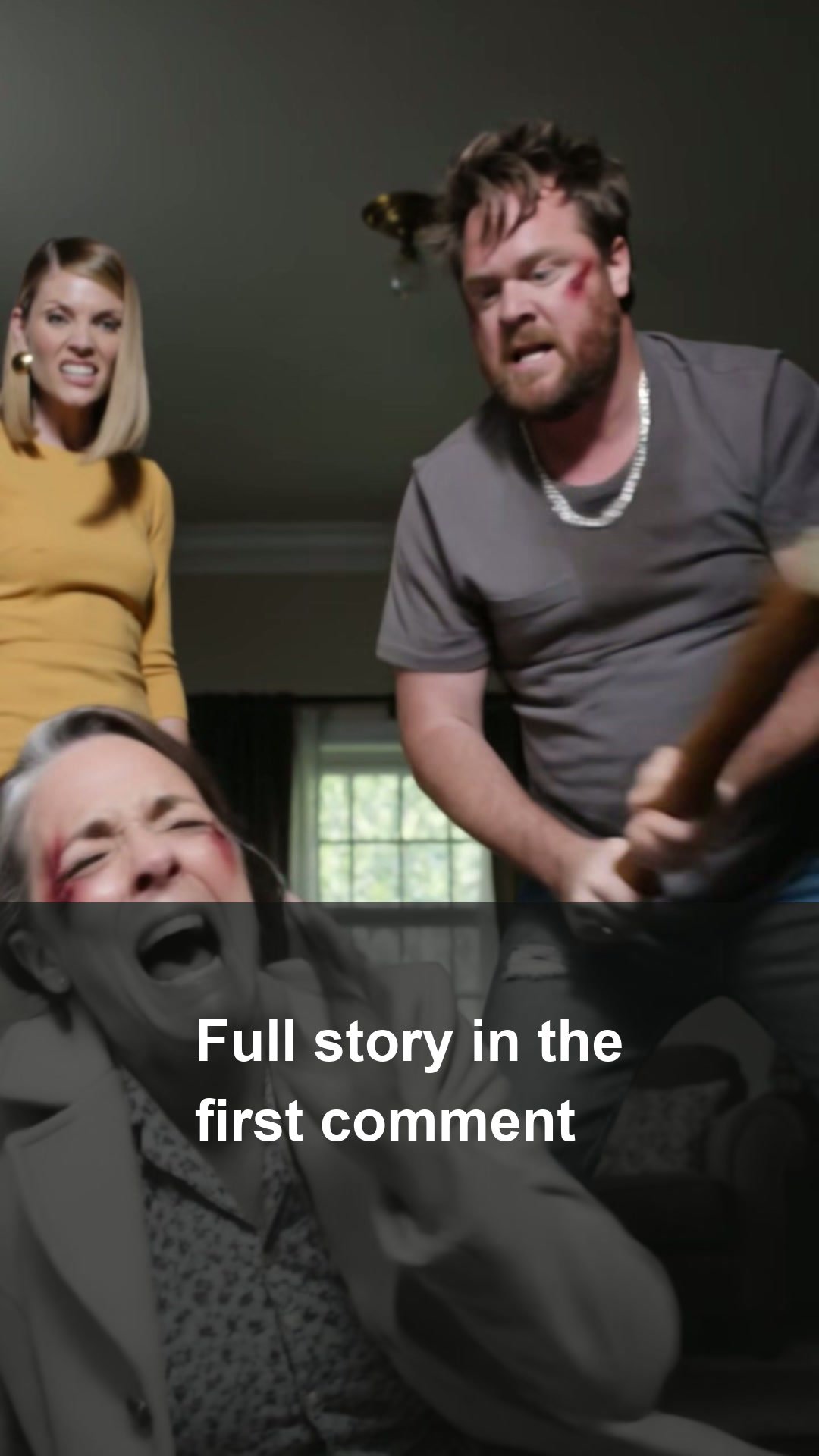
I hung up as the barn door rattled open. Michael stepped in, his face twisted in a mask of practiced concern that couldn’t hide the twitch in his left eye. Mom, what are you doing? Just sign the paperwork. Aaron is waiting in the car. We have a buyer for the equipment, we have a plan.
I turned, holding the stack of ledgers against my chest. I’m not signing anything, Michael. I’ve filed a report with Sheriff Miller. Regarding the threats. And the falsified medical evaluation you tried to have me committed under.
Michael froze, his hand halfway toward the paperwork I held. What report? You’re losing your mind. You think the Sheriff is going to listen to you over your own children?
I didn’t answer. Instead, I pulled a small, sealed envelope from my pocket—the DNA report I had commissioned three weeks ago. I held it out. It wasn’t for him. It was a copy of the results that proved the land boundaries had been illegally shifted by his father’s estate, effectively stripping his claim to the mineral rights he was currently trying to sell. I dropped the envelope in the dirt at his feet.
He looked down, his bravado fracturing. You’re bluffing. You’ve always been too afraid of the neighbors finding out what happened under these floors to ever go to the police.
I leaned closer, my voice dropping to a whisper. The neighbors are gone, Michael. And the floor is already coming up. I’ve hired a crew to dismantle the foundation tomorrow.
He lunged for the ledgers, but I stepped aside, the weight of the old life suddenly light in my hands. He stumbled, his shoulder hitting a support beam. Outside, I heard the heavy thud of a cruiser door closing. Sheriff Miller was walking up the gravel path, his flashlight beam cutting through the dusk like a searchlight.
Michael’s eyes darted to the door, then back to me, the color draining from his face. He knew the Sheriff wasn’t here for a family dispute. He was here because I had provided the manifest for the last shipment of unregistered goods that had passed through this barn—a shipment Michael had signed for, thinking it was farm machinery.
You set us up, he hissed, his voice cracking. You used us as the cover.
I didn’t set you up, I corrected. I just stopped shielding you. There’s a difference.
I walked past him, heading toward the bright, cold beam of the Sheriff’s light. My legs felt heavy, but my mind was an open road. I had spent forty years tending to a rot I hadn’t created. Now, I was clearing the field.
Martha, the Sheriff said, his tone neutral, professional. Everything ready?
Everything, I replied.
Behind me, Patricia began to scream—a high, shrill sound that carried across the empty fields, demanding, pleading, accusing. It was the sound of a woman realizing her entire world was a paper house in a hurricane. I didn’t turn back. I walked to the edge of the property line, where my own car was parked, the engine already idling, the trunk packed with the few things I intended to keep.
I reached into my pocket and touched the key. The metal felt warm now, no longer biting. I felt a sudden, sharp clarity: the money didn’t matter. The betrayal didn’t matter. The only thing that mattered was the silence that would follow once the sirens started.
I looked at the barn one last time. Michael was still standing in the doorway, framed by the shadows, his hands empty. He was realizing that the leverage he thought he held—the family name, the inheritance, the filial duty—was nothing but a chain I had been holding the other end of all along.
I climbed into the driver’s seat. My hands were steady as I turned the ignition. I didn’t check the rearview mirror. I just put the car in drive and pulled away from the house, the gravel spraying behind me, leaving the ghosts, the debts, and the wreckage of my family to be picked up by the men in uniform. I was finally moving in a straight line, away from the mud and toward the road. I checked the clock on the dashboard. It was barely midnight, and for the first time in my life, I had no obligation to be anywhere by morning. I drove until the farmhouse was nothing more than a dark smudge against the horizon, then I turned the radio on, letting the static drown out the ghost of my own name.
The grocery store in town smelled of floor wax and stale coffee. I reached for a carton of milk, and the cashier, Sarah, turned her back as if I were a ghost or a plague. The air in the aisle felt heavy, compressed by the weight of three hundred people who had spent the morning reading the local gazette. The headline wasn’t about the farm sale; it was about the investigation into the soil samples and the sudden, public collapse of the Miller family’s reputation. I set the milk back down, my fingers lingering on the cold cardboard. Sarah didn’t look up, her gaze fixed on the register screen, but the silence she maintained was louder than any verbal accusation. I realized then that my exile had already begun, even before I had packed my bags.
I stepped out into the parking lot. A silver sedan with out-of-town plates sat idling near my trunk. A man leaned against the driver’s side door, his suit jacket straining against his shoulders. He wasn’t local; he was a debt collector, likely one of Michael’s former associates, now sniffing around the wreckage of my son’s life. He watched me with a predatory curiosity, checking his watch before his eyes met mine. I didn’t look away. I saw the desperation in the set of his jaw and the hollow confidence of a man who realized he had been chasing a ghost. I unlocked my door and slid inside, my movements measured, deliberate. I would not give him the satisfaction of a tremor.
My phone, tucked in the passenger seat, lit up with a notification from the town’s community forum. A thread titled “The Widow’s Debt” had reached sixty pages of comments. Someone had posted a grainy photo of Patricia and Aaron leaving their country club in the city, their faces distorted by the harsh glare of a camera flash. The comments were a litany of vitriol: claims of extortion, whispers about my late husband’s business, and the sudden, cold realization among my neighbors that the money keeping the town’s feed store open for the last decade had been, in fact, blood money. They felt betrayed. They had lived off the crumbs of my survival, and now that the table was overturned, they blamed me for the mess.
I started the engine. The engine hummed, a steady, rhythmic thrum that centered me. I felt a strange, chilling lightness in my chest. The community’s indignation was a cage I had spent my entire life trying to polish, and now that the bars were bent, they were the ones trapped inside. Patricia and Michael were already being picked apart by the vultures they had invited into their lives; my daughter’s social circle had deleted her, and my son’s creditors were currently tearing through his apartment looking for a payoff that didn’t exist. Their greed had been their undoing, and their downfall was the final payment on my freedom.
I didn’t turn toward the main road leading back to the farm. I took the highway on-ramp, merging into the flow of traffic heading toward the state line. I looked at the rearview mirror one last time. The town, with its rows of weathered houses and its suffocating, moralizing eyes, shrank into a speck of gray against the vibrant green of the cornfields. I reached into my pocket and felt the sharp, jagged edge of the house key. It was a piece of metal, no longer a tether. I tossed it into the deep, dark drainage ditch as I passed the mile marker, watching it vanish into the weeds without a second thought. The road ahead was empty, and for the first time, the silence didn’t feel like a secret; it felt like space. I pressed the accelerator, leaning into the wind. I was finally moving fast enough to outrun the echoes.
The courthouse air smelled of stale coffee and floor wax. I sat on a hard-backed bench in the hallway, my coat folded neatly over my knees. The heavy oak doors swung open, and Miller stepped out, his boots clicking rhythmically against the linoleum. He handed me a thick manila envelope, his expression a neutral mask of professional detachment. He didn’t look at my face. He looked at the floor, then at the exit sign.
You have thirty minutes before the filing clerk logs these, he said, his voice dropping to a low, gravelly hum. The depositions from the creditors are in the back. Your kids are going to be busy explaining those for a long time.
I took the envelope, feeling the weight of the paper inside. It wasn’t just paper; it was the final receipt for thirty years of silence. I nodded once. A clean transaction.
They’re waiting in the lobby, he added, turning back toward the courtroom. They think you’re still here to negotiate.
I thought of Patricia’s expensive perfume and Michael’s sweating palms. They believed they could carve me up like the land itself. I stood up, smoothing the front of my skirt, and walked toward the side exit, bypassing the lobby entirely. I didn’t need to see their faces when they realized the accounts were frozen and the evidence of their own complicity—the forged medical documents, the coerced signatures—was already in the hands of the state prosecutor. They had been so focused on the money that they hadn’t seen the trap I had laid in the ledger until the lid clicked shut.
I pushed through the heavy glass doors into the parking lot. The Missouri sun was blinding, high and indifferent. My car was parked at the far end of the lot, a modest sedan that held nothing but a change of clothes and a new life. I unlocked the door, the metal handle burning against my palm. A single, pristine white key rested on the passenger seat—the key to the condo in the city where no one knew my name, my history, or the smell of burning crop residue.
I slid into the driver’s seat and started the engine. The sound was clean, sharp, and steady. I put the car in gear and turned away from the courthouse, away from the town, and away from the family that had never been a family at all. I was nobody’s mother today. I was just a woman on a highway, finally driving toward a horizon that didn’t belong to anyone else.
The salt air hit the windshield before I could even park, thick and heavy enough to taste. I killed the engine in a gravel lot overlooking the Pacific, the silence rushing in to fill the space where the roar of the farm had been for forty years. My hands stopped shaking. I rested them on the wheel, watching a golden retriever chase a seagull until the bird took flight, leaving the dog to trot back to his owner with a confused, happy wag.
I walked down to the tide line. The sand was cold, pulling at my heels with every step.
It is quiet here, I said aloud. My voice sounded thin, stripped of the gravelly cadence of the Midwest.
An older man sitting on a driftwood log shifted, his jacket crinkling. A little too quiet for some, he replied, squinting at the horizon.
I looked at the water. I thought about the ledger books I had burned in the farmhouse stove, the ash rising into the chimney like a ghost. I didn’t miss the weight of them. For the first time, I didn’t feel the need to calculate the cost of the next day. I felt only the sting of the spray on my cheeks and the steady, rhythmic collapse of the waves.
I will stay, I thought. I will learn the names of the birds that don’t belong to the plains.
I turned away from the water and started walking back toward the car. There was a small market two blocks up where I had seen crates of fresh peaches in the window. I hadn’t eaten anything but cold toast for three days. My stomach felt hollow, but it wasn’t the kind of hollow that hurt anymore; it was just empty, waiting to be filled with something that tasted like summer. I reached into my pocket, felt the bite of the white key, and decided to buy the whole basket.
The market smelled of dust and ripened stone fruit. I placed the basket on the wooden counter, the peaches bruised and heavy in my palm. The clerk watched me, his eyes lingering on the unfamiliar cut of my jacket. I didn’t offer a story about where I came from or why I looked like I had been sleeping in my car for a week. I slid a twenty-dollar bill across the wood, my fingers steady and light. I thought of the farmhouse, the floorboards groaning under the weight of secrets and the way the mud used to cling to the doorframe like a desperate hand. I didn’t look back. I stepped out into the bright, unfamiliar street. On the polished granite ledge of the storefront, I left a single, pristine white key.
Leave a Reply