The gate intercom buzzed, and there they stood—the people who evicted me on Christmas morning, now hungry for a slice of my new life.
Michael shifted his weight, his expensive loafers scuffing against the pristine gravel of my driveway. Amanda adjusted her silk scarf, her eyes scanning the sprawling marble facade of Willowbrook with the predatory focus of an appraiser. I watched them through the high-definition monitor in the foyer, the screen washing their faces in a clinical, unforgiving blue.
I pressed the talk button. The audio feedback chirped like a dying bird. Michael looked up at the camera, his smile too wide, too practiced.
“Mother? It’s us. We heard about the estate.”
“You heard the property value,” I corrected, my voice steady enough to vibrate the glass of the side table.
Amanda stepped closer to the lens, her painted lips tightening. “Don’t be dramatic, Dorothy. We’ve missed you.”
I didn’t answer. I thought of the nursing home lobby, the smell of industrial bleach, and the way Michael had stared at his shoes while they took my keys. I unlocked the main gate. I had waited fifteen years for this theater, and the curtain was finally rising.
The steam from my coffee mug curled into the dim light of the kitchen, a pale ribbon of warmth against the chill of a mid-November morning. I held the ceramic with both hands, feeling the heat seep into my knuckles, stiff from a night of poor circulation. Outside, the gray sky pressed against the windows of our home, the kind of heavy, pressurized morning that suggested rain but never quite committed to it. I liked the predictability of the fog. It blurred the edges of the neighborhood, turning the houses across the street into soft, indistinct shapes.
Michael was already at the kitchen table, his tie half-knotted, a habit he’d picked up from his father. He was staring at a stack of invoices, the paper crinkling under his thumb.
Did you remember to sign the maintenance contract for the back lawn, he asked, not looking up. His voice was a flat, administrative hum.
I set my mug down on a coaster. It made a sharp, clean sound against the wood. I’ll do it after I get to the office, I said. I noticed a small crumb of dry toast near his sleeve, a tiny, beige debris field on his dark suit jacket. I reached over and brushed it away. He flinched, just a fraction of an inch, a reflexive movement that made me pull my hand back faster than I intended.
You’re tense, Michael, I observed.
He finally looked at me, his eyes glassy and unfocused. Just the quarterly projections, Mother. Amanda’s worried we’re lagging behind.
The mention of her name felt like a sudden drop in temperature. I took a sip of the coffee; it was turning bitter. I left him to his numbers and went to the hallway to grab my coat. The routine was a ritual of small, necessary motions. Keys, wallet, the leather-bound planner, the click of the deadbolt. I knew the exact rhythm of the floorboards as I walked to the door, the slight creak in the entryway that I kept meaning to fix but never did.
The commute was a grey blur of brake lights and the rhythmic thrum of the wipers, even though the rain hadn’t started. I pulled into the office parking lot, the asphalt slick and black. Inside, the building smelled of stale coffee and industrial carpet cleaner. The printer in the corner was humming, a rhythmic, mechanical chugging that sounded like a labored breath.
Morning, Dorothy, the receptionist chirped without looking up from her screen. Cold enough for you?
I nodded, my throat tight. I passed the breakroom, where a half-empty pot of coffee sat on a hot plate, the liquid darkening into sludge. I sat at my desk, looking at the cursor blinking on my monitor, a steady, rhythmic pulse. I was thirty minutes into drafting a floor plan when the silence of the office was punctured by the sound of my desk phone. It was an old-fashioned ring, sharp and demanding, cutting through the low-level hum of the ventilation system. I stared at the plastic receiver, watching the light flicker. I counted three rings before I reached for it.
I lifted the receiver. My palm felt slick against the matte plastic. The air in the office suddenly seemed too thin, the ventilation hum replaced by the rush of blood in my ears. I didn’t speak. I let the silence stretch, a vacuum waiting to be filled.
Dorothy? Is that you?
The voice was Michael’s. It had thinned over the years, losing its youthful resonance, turning brittle at the edges. Behind him, I heard the faint, telltale chime of the Bellevue estate security gate—the specific, high-frequency signal that triggered when the perimeter was breached by an unauthorized visitor.
I am here, Michael. I said it plainly, devoid of the warmth he clearly expected to find.
His breathing hitched, a rhythmic stutter I remembered from the night they had packed my life into cardboard boxes while my hip throbbed in a hospital bed. Mother, listen, it’s been too long. Amanda and the boys are with me. We’re at the gate.
I swiveled my chair toward the floor-to-ceiling window. Below, at the end of the long, winding drive of Willowbrook, a silver sedan sat idle, shimmering like a mirage against the manicured hedges. Two figures stood on the pavement, their frames dwarfed by the iron crest of the entrance. Amanda was shielding her eyes with a manicured hand, scanning the property, her body language radiating the same predatory impatience she had displayed fifteen years ago. Behind them, the twins, Marcus and Martin, stood with their hands shoved deep into their pockets, looking like ghosts of the children I had once rocked to sleep.
They told us you were in Europe, Michael rushed, his words tripping over each other. They said you wanted your privacy. We didn’t know you were here, just three towns over.
I watched Amanda tap her foot against the cobblestones, the vibration visible even from this distance. I thought about the emptiness of the apartment they had dumped me into, the way they had scrubbed my existence from the family home before the paint had even dried. I had spent fifteen years building this fortress, brick by brick, dollar by dollar, specifically to ensure that if they ever came looking, they would find someone who no longer required their permission to exist.
You are at the gate, Michael, I said, my voice steady, stripped of the trembling cadence I used to reserve for my son.
Yes, he pleaded, his voice cracking. We just want to talk. We want to make things right. Everything has been so difficult lately.
I watched a black bird lift from the hedge, circling the roof of the sedan. The decision felt less like a choice and more like a tectonic shift finally settling into place. I reached out and tapped the intercom control on my console, the button glowing a soft, sterile blue.
I will open the gate, I told him, the words hovering in the small, glass-walled office. But don’t mistake this for an invitation.
I pressed the switch. The iron groaned, a deep, metallic shriek that echoed across the estate as the path finally stood open.
I did not go to the gate to meet them. Instead, I retreated to my study, the room smelling faintly of linseed oil and old paper, and picked up the heavy receiver of the desk phone. My fingers, steady as a scalpel, dialed the first number on my list.
The nursing home administrator answered on the third ring. Her voice was too bright, a thin veneer of professionalism stretched over a decade of indifference. I asked her about the day of my eviction, the day they claimed I had signed myself into a state-funded facility of my own volition. She paused, the sound of a distant monitor beeping in the background. She told me the records were clear: my son had arrived with a signed proxy, claiming I was suffering from early-onset dementia and was a danger to myself.
I looked at the window. The sedan was crawling up the long gravel driveway, a black beetle against the pristine lawn. I hung up and dialed Michael’s old house line, now diverted to his office. He picked up before the first ring finished. When I asked him why he told the facility I was senile, he stammered, claiming he never said such a thing—that it was Amanda who handled the paperwork while he was at work. He sounded small, his voice stripped of the authority he used to project over our kitchen table. He claimed he was merely following the doctor’s orders to keep me safe.
I didn’t believe him. I cut the call and dialed the number for the clinic where Dr. Aris had practiced before he retired. His receptionist, a woman I remembered from the charity board, answered. She checked the archives, her tone shifting from polite to confused. She informed me that Dr. Aris had been on a sabbatical in Europe during the entire month of December that year. There was no medical evaluation for my hip injury on file, no request for a nursing home transfer, and certainly no recommendation for assisted living. The medical signature on the transfer form was a forgery.
The realization sat in my stomach like a cold stone. I thought of the way Amanda had wept while packing my silver, insisting that the nursing home was a sanctuary, a gift of grace for a woman whose mind was fraying. I remembered her hand on my shoulder, the grip tight enough to bruise, while she whispered that I would thank her one day.
I stood up and moved to the hallway, where the security monitor glowed. The sedan had stopped near the fountain. Michael was stepping out, shielding his eyes from the sun. He looked older, his shoulders hunched in a way that suggested he was constantly waiting for a blow. Amanda remained inside, checking her reflection in the rearview mirror, adjusting her collar with the frantic precision of a bird preening for a predator.
I needed one more truth. I dialed the number for Mrs. Gable, the neighbor who had kept an eye on my house while I was at the hospital. She answered, breathless. When I asked about the moving trucks, she went silent. She told me she saw them loading my furniture into a van marked for an estate auction, not a storage facility. She said she had asked Amanda where I was, and Amanda told her I had sold everything to fund a luxury cruise around the Mediterranean. She had even printed out fake postcards, Mrs. Gable claimed, and sent them to the neighbors to keep the rumors at bay.
I set the phone down. The house was quiet, save for the hum of the cooling system. They were here now, standing on my gravel, expecting a mother they could manipulate with a few practiced apologies and a show of family unity. They had built their entire lives on a foundation of calculated disappearances.
I walked to the front door, the heavy brass handle cool beneath my palm. I had spent fifteen years wondering if I had truly lost my mind, if I had been the one to fail. Now, I knew. The history they had sold me was a fiction, and the cost of the empty chair they had left behind was about to be tallied in full. I pulled the door open and stepped out into the light.
The late afternoon sun hit the limestone steps with a harsh, unforgiving brilliance. Michael stood at the edge of the terrace, his shoulders hunched in that familiar, defensive slouch, while Amanda adjusted her silk scarf, her eyes darting across the marble floor as if cataloging the market value of every rug. The twins, Marcus and Martin, lingered a few paces back, their faces masks of adolescent confusion.
I didn’t offer a chair. I didn’t offer a drink. I simply folded my hands at my waist and waited for the silence to stretch thin.
Amanda broke it first, her voice a practiced, melodic lilt. Dorothy, we’ve missed you so much. It’s been a tragedy, truly, how life just slipped away from us all those years ago.
I watched a leaf drift across the patio, landing in the reflection of the lake. I felt the phantom ache in my hip, a dull throb that had defined my life since the morning they packed my existence into cardboard boxes and shoved me into the back of a taxi. My heart wasn’t racing; it was cold, steady, and entirely finished.
Michael finally dared to meet my gaze. His eyes were bloodshot, shimmering with the sort of performative grief that had once made me doubt my own sanity. Mom, we’re just here to make things right. For the boys. We want to start over.
I looked at the twins. They were staring at me, really looking, peeling back the veneer of the grandmother they had been told was a world traveler, seeing instead the woman who had survived the winter of their selfishness.
I took a slow step toward them, my heels clicking sharp against the stone. I reached into my pocket and felt the crisp edges of the documents waiting there, the final, silent audit of their cruelty.
You didn’t lose me, Michael; you spent me.
The kitchen of the old family estate, long before the gates of Bellevue were ever locked, smelled of floor wax and the metallic tang of a dying radiator. I was kneeling on the linoleum, scrubbing a smudge of grape juice from the grout with a toothbrush, when Michael walked in. He was twelve, his school blazer missing a button, his face pale with the specific, sharp-edged anxiety that came from living under Amanda’s thumb. He held a letter, the stationery cream-colored and heavy, the kind that promised an inheritance but delivered a trap. He dropped it onto the damp floor. I didn’t reach for it. I watched the liquid seep into the paper, turning the ink into blurred, illegible shadows. He didn’t apologize. He just turned to the pantry, his back a stiff, defensive wall, and began tearing into a box of crackers. That was the first time I realized I was not a mother to him; I was an obstacle to his comfort.
I stood up, my knees cracking, and leaned against the counter. The silence stretched between us, thick as wool. I asked him if he had done his homework, and he didn’t turn around. He just said the teacher didn’t matter, that Amanda had already spoken to the headmaster, and that everything was handled. The word handled hung in the air like smoke. It meant that truth was negotiable. It meant that reality could be bent, polished, and repackaged until it suited the aesthetic of our lives. I looked at the back of his head and saw the boy I had raised being hollowed out, replaced by the ghost of a man who would eventually stand on a porch and lie to his own children. I decided then to be quiet. I chose the silence because I thought it was a form of protection. I was wrong. Silence is just a vacuum, and vacuums eventually suck the life out of everything they touch.
Years later, the memory shifted to the hospital. My hip felt like it had been shattered by a sledgehammer, the bone grinding against itself with every shallow breath I took. Amanda was standing at the foot of my bed, her silk blouse unwrinkled, her eyes calculating the cost of my recovery against the value of her own weekend plans. She didn’t ask if I was in pain. She asked the nurse if there was a private room available in a facility further away, somewhere that didn’t have visiting hours that interfered with their dinner parties. Michael stood beside her, his hands jammed deep into his pockets, his gaze fixed on the sterile white tiles of the floor. I watched him try to look small, to shrink into the shadows of her competence. He was my blood, yet he stood there like a stranger at a bus stop, waiting for the departure time to arrive so he could finally leave.
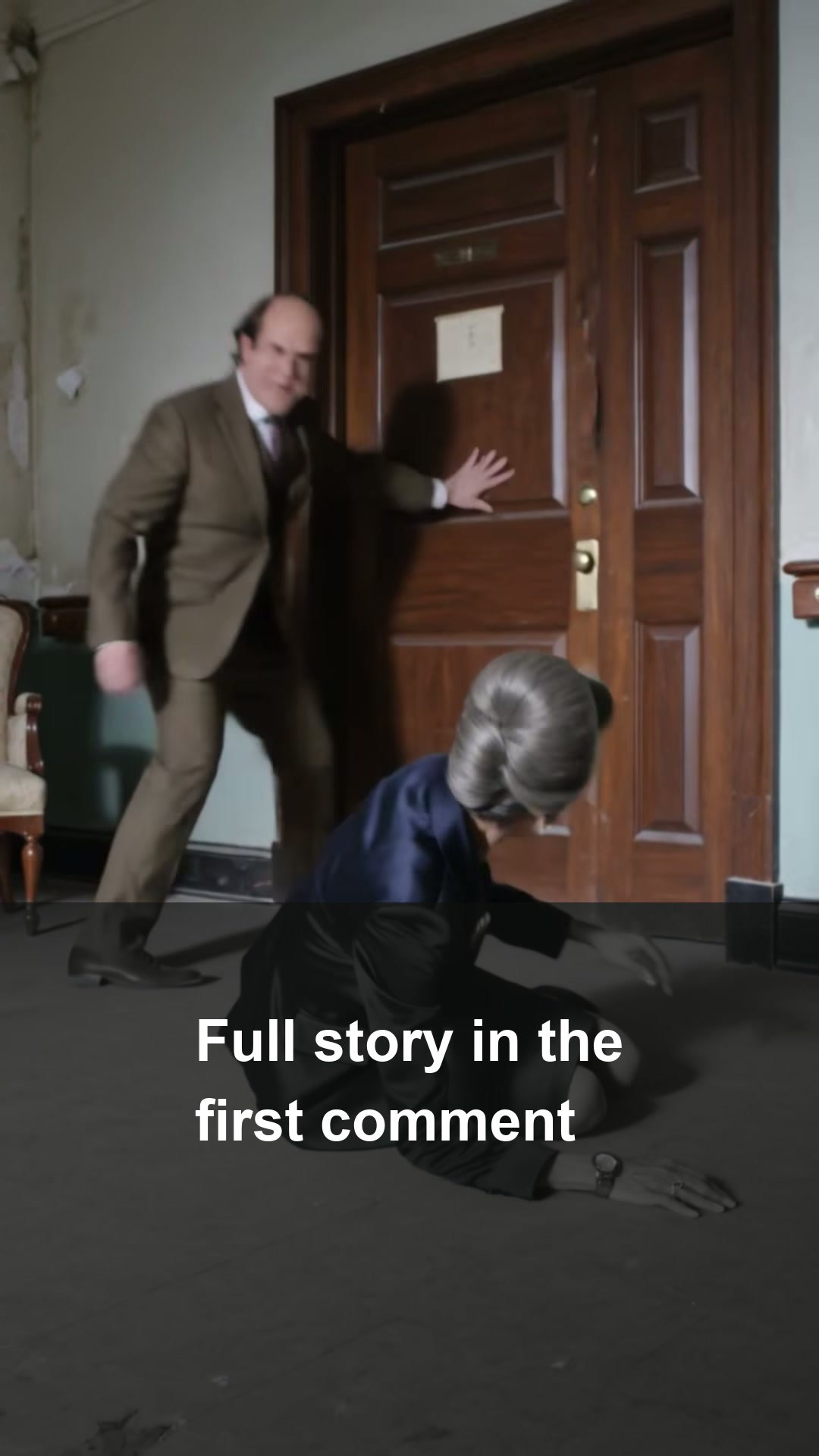
I remember the way Amanda’s voice sounded, low and melodic, vibrating with the practiced concern of a woman who had spent her life curating a reputation for charity while hoarding her empathy. She reached out and patted my hand, a gesture as cold as a stone in winter, and told me that this was for the best. For everyone. The word everyone was a lie. It meant her. It meant the clean lines of her living room, the lack of clutter, the absence of an aging woman who might remind her that beauty is transient and that dignity is not something you can buy at a department store. I looked at Michael, begging him with my eyes to find a spine, to say that his mother would stay in her home, that she was not a problem to be solved. He looked at the ceiling. He looked at the chart. He looked at the clock. He never once looked at me.
The packing process was a clinical execution. They arrived at my house three days after the surgery, armed with boxes and a list. They didn’t ask what I wanted to keep. They decided what was worthy of being moved to the storage unit and what was destined for the dumpster. I sat in a wheelchair in the hallway, watching them carry out the china, the books, the heavy mahogany desk where I had drafted every design project that paid for their private schools. Amanda held up a framed photograph of my wedding day, her lip curling in a faint, reflexive grimace. She didn’t ask; she just tossed it into a black plastic bag. I heard the glass shatter against the frame, a sharp, final sound that echoed through the empty house. It wasn’t just a photo. It was the proof of a life they were trying to scrub from the registry.
I remember thinking about the money then, the subtle, creeping influence of it. We hadn’t been poor, but we had been defined by a need to appear as though we had arrived long ago. Amanda had married into the family, but she had treated the house like a rental property, always preparing for an upgrade. She had taught Michael that loyalty was a luxury, one that could be traded in when the market turned. As they cleared the shelves, they weren’t just packing boxes; they were erasing history. They were building a narrative where I had become difficult, where I had insisted on this move, where I had chosen to isolate myself because my mind was failing. They were crafting the lie that would serve as their foundation for the next fifteen years. I could have screamed. I could have thrown the vase on the side table at the wall. Instead, I let them work. I watched the house bleed its color, room by room, until I was left with nothing but the clothes I was wearing and the growing, icy resolve to survive them.
There was a moment, just before they wheeled me out to the car for the final time, where I caught Michael in the reflection of the hallway mirror. He looked tired, his face sagged with the weight of the effort it took to keep the charade going. For a split second, he stopped moving. He stared at his own reflection, and his eyes were wide, dark, and hollow. He looked terrified. He knew, in that quiet, suffocating instant, exactly what he was doing. He knew he was selling his mother for a smoother life, a quieter house, a seat at a table that didn’t include the reality of illness or death. He saw the person he had become, and he hated it. And then, he blinked. The mask slid back into place. He turned, offered me a plastic, tight-lipped smile, and grabbed the final box.
I didn’t argue. I didn’t cry. I sat there in the silence of the doorway, listening to the house settle into its new, empty state. I thought about the warnings I had ignored—the way Amanda had dismissed the neighbors, the way Michael had started lying about small things, the way I had let them treat me like a guest in my own home because I thought love required submission. I realized then that I had been training them for this. Every time I let them override my voice, every time I accepted the lesser seat, every time I covered for their selfishness, I had taught them that I was a resource they could harvest. That was the root of the tree they had grown. It wasn’t that they were born cruel; it was that I had watered their cruelty with my silence, thinking it would eventually produce fruit.
I watched them drive away, the exhaust lingering in the cold December air. I stood at the threshold of the manor, the empty space behind me already feeling like someone else’s past. I had no money, no home, and a hip that wouldn’t let me walk without a cane. But I had the truth. I had the memory of their faces when they thought no one was watching. I had the clear, cold map of their architecture. I turned away from the house, the iron gate clicking shut behind me with a finality that sounded like a gunshot. I walked toward the edge of the property, not looking back. I was no longer their mother. I was no longer the obstacle in their hallway. I was the architect of the storm they hadn’t even begun to fear. I reached into my pocket, felt the cold weight of the keys I had kept, and started walking toward a horizon they couldn’t see.
The gravel crunched under my Italian loafers, a sound that satisfied me far more than the memory of the hardwood floors I once polished for Amanda. I stood in the foyer of Willowbrook, watching the security monitor. Michael, my son, looked smaller than I remembered. He was picking at his cufflinks, a nervous habit he’d picked up from his father—the same man who had stood silent while Amanda packed my perfume bottles into trash bags fifteen years ago. He told himself he was protecting his family by sacrificing his mother, yet he looked like a man who hadn’t slept in a decade. His motive was a jagged, desperate need to be the hero of a story that had already cast him as the coward.
Beside him, Amanda adjusted her scarf, her eyes sweeping the room with the predatory precision of a real estate appraiser. She didn’t see a home; she saw square footage and potential leverage. Her contradiction was her poise; she projected the warmth of a matriarch while calculating the cost of a funeral. She was the one who had convinced the boys I was in a sanitarium in Switzerland, sipping gin and forgetting their birthdays. She smoothed her hair, that practiced, serene gesture that used to make me feel small. I touched the cold marble of the mantle. I decided then that I wouldn’t offer them a seat.
Behind them, the twins, Marcus and Martin, stood like statues. They were twenty now, tall and guarded, their faces mirrors of the men they were being trained to become. They had been raised on a diet of curated silences, told that their grandmother was a ghost who drifted away into illness. Their curiosity was their only weapon, a natural hunger for the reality behind the polished veneer their mother applied to every surface of their lives. I watched Marcus nudge his brother, whispering something that made Martin glance at the surveillance camera. They were looking for a life that felt real, not one built on the hollow bones of a lie.
I moved to the hallway, my cane clicking against the floorboards—a rhythmic, steady pulse. I thought of the night they threw me out, the way the snow felt against my skin as I sat on that suitcase at the gate. My hip didn’t ache now; it served as a reminder of the strength I’d had to build in the dark. I wasn’t here to be the victim, and I wasn’t here to be the mother. I was the architect, and the foundation they had built was rotting.
I stepped toward the heavy mahogany door. The wood was cool beneath my palm. They thought they were here for a reconciliation, a convenient way to bridge the gap between their dwindling bank account and my unexpected, quiet fortune. They wanted an inheritance; I wanted to dismantle their house of cards. I took a breath, letting the silence settle around me. I didn’t care about their comfort anymore. I cared about the look on their faces when they realized the game wasn’t just over—it had never been theirs to play. I reached for the lock, my grip firm. I wouldn’t just open the door; I would expose the rot. The bell chimed again, shrill and impatient. I stepped into the light, ready to begin.
I turned the deadbolt, the sound echoing like a gunshot in the foyer. Michael stood on the threshold, his face a rehearsed mask of concern, while Amanda peered over his shoulder with the calculating eyes of a scavenger eyeing a carcass. I didn’t offer a greeting. I stepped back, letting the heavy door swing wide to reveal the marble expanse of my hallway. My phone buzzed in my pocket—a notification from my bank. I had canceled the recurring allowance I had been anonymously funneling into their secondary account for three months, a test of their desperation. The silence between us stretched, thick and suffocating, until Michael broke it with a nervous, practiced laugh.
Mom, you look well. We were so worried when we heard about the health scare.
I didn’t answer. I led them into the study, the click of my heels on the hardwood sharp as a metronome. I reached for the desk, pulling a thick envelope from the drawer and sliding it across the polished mahogany. It wasn’t an invitation to tea; it was a formal report I had filed with the local precinct two days prior regarding the unauthorized liquidation of my late husband’s estate, which they had handled with predatory haste fifteen years ago.
What is this, Dorothy? Amanda asked, her fingers hovering over the paper. Her voice had lost its honeyed edge, replaced by a serrated uncertainty.
Evidence, I said. I went to the police, Amanda. I told them about the forged signatures on the Bellevue deed.
Michael paled, the blood draining from his face until he looked like a ghost of the man who had packed my life into cardboard boxes on a freezing December morning. He reached for the envelope, but I slapped my hand down on it. The thud made Marcus and Martin, standing awkwardly in the doorway, jump. They were watching me with a hunger I recognized; it was the hunger for a truth that hadn’t been filtered through their mother’s manicured lies.
You stole my life, Michael. You stood there while she emptied my jewelry box, and you told me it was for my own good.
I hired a lawyer that same morning, a man named Sterling whose reputation for cruelty was matched only by his hourly rate. He was currently in the process of serving notice to their primary residence. As if on cue, Michael’s phone vibrated incessantly in his pocket, a frantic staccato that he ignored. He wouldn’t look at me. He looked at the floor, at the expensive Persian rug he probably thought he’d be standing on in a few months.
I’m contesting the will, I continued, my voice steady, stripped of the trembling sentimentality they expected. The new documentation is being filed with the probate court today. Everything you think you have—the house, the trust, the lifestyle—it’s tethered to assets that were never yours to distribute.
Amanda let out a sharp, incredulous breath, her composure fracturing. You’re insane. You’re a bitter, lonely old woman playing games with people who actually care about your wellbeing.
I care enough about the truth to let it burn your life to the ground, I replied. I turned to the boys. Martin, Marcus, you’ve been told I moved abroad, haven’t you? That I forgot you existed?
Martin stepped forward, his knuckles white as he gripped his jacket. We were told you didn’t want to be contacted.
I walked to the bookshelf, pulling down a small, leather-bound folder. Inside was the result of a private DNA test I had requested weeks ago, a preemptive strike against any claim they might try to make that I was senile or incapable of managing my own affairs. It was a clean bill of cognitive health, verified by three independent specialists. I set it down next to the police report.
I filed an HR complaint against your firm this morning, Michael, I said, shifting my gaze to him. I’ve sent the transcripts of our calls—the ones where you begged for money while disparaging my mental state—to your partners. Integrity is a funny thing in your industry. Once it’s questioned, it’s gone.
The room grew so quiet I could hear the wind rattling the windowpane. Michael’s phone finally stopped its insistent buzzing, leaving only the sound of his ragged, shallow breathing. He reached out to touch the desk, his hand shaking violently, but he found no purchase. He looked at me, really looked at me, for the first time in fifteen years, and saw not a mother to be managed, but a creditor coming to collect.
You’re destroying us, he whispered.
I’m just clearing the house, I said, walking toward the door and holding it open. The sky outside had turned a bruised, electric purple, promising a storm. I’ve lived in the debris of your choices long enough. It’s time you learned what it feels like to stand in the wreckage of your own.
Amanda moved toward me, a flash of pure, unadulterated venom on her face, but she stopped when she saw the boys weren’t moving. They were looking at the papers on my desk, the reality of the deception dawning in their eyes. The foundation of their world wasn’t just cracking; it was dissolving. I didn’t wait for a rebuttal. I stepped into the threshold, my posture rigid, my heart beating with the cold, clear rhythm of a woman who had finally reclaimed her seat at her own table. The game wasn’t over, but for the first time, I was the one holding the board.
The fallout didn’t arrive with a scream, but with the hollow ping of a smartphone notification echoing through the foyer. I didn’t reach for the device. I watched as Michael’s face went gray, his fingers trembling as he scrolled through a private Instagram story, likely tagged by a neighbor who had been watching the Bellevue gates from behind a manicured hedge. The digital gossip machine in our zip code was a predator, and it had finally caught the scent of blood.
The school principal called my landline three times that afternoon, his voice oily with a mix of professional concern and predatory curiosity. He wanted to know if the boys—my grandsons—would be attending the gala, as if their presence could somehow cauterize the gaping wound in his social roster. I let the machine pick up. I listened to his tone shift from rehearsed sympathy to genuine panic as the minutes ticked by and the realization set in: the power dynamic had shifted. I was no longer the discarded grandmother living in the shadows of their pity; I was the architect of their ruin.
By Tuesday, the local business community had turned. Michael’s firm, built on a shaky reputation of mid-tier consultancy and glad-handing, began to hemorrhage contracts. A partner’s wife, who had once praised Amanda’s hosting skills over chilled chardonnay, accidentally-on-purpose leaked the transcript of our confrontation to a junior analyst. It moved through the suburban veins like a virus. I sat in my study, the leather chair cool beneath my legs, and watched the street from the window. A delivery truck pulled up to the house down the road—Amanda’s house—and the driver paused, snapping a photo of the moving crates appearing on their lawn. They were liquidating. They were running.
I felt a sharp, rhythmic ache in my hip—the ghost of that Christmas, the souvenir of their cruelty. For fifteen years, I had curated a silence that was supposed to protect me, but silence is just a vacuum that others fill with their own narratives. I had allowed them to write me into the margins. I reached for a glass of water, my hand steady. The cost was absolute. I had burned the bridge, and the smoke was thick enough to choke the entire neighborhood. My neighbors, people who had greeted me with tight-lipped nods for a decade, now avoided eye contact, terrified that the contagion of truth might touch them too.
I stood up, walked to the hallway mirror, and looked at the woman staring back. She was lean, sharp, and entirely alone. My heart didn’t ache for the family I had severed; it hammered with the violent, beautiful clarity of liberation. I walked to the front door, checked the deadbolt, and realized I didn’t want any of them back. I wanted the quiet. I wanted the privilege of being the villain in their story if it meant being the hero of my own. I picked up the landline receiver and unplugged it from the wall, the cord dangling like a severed vein. The silence returned, heavy and sweet. I was finally, irrevocably, unburdened.
The documents sat on the mahogany console, two crisp stacks of paper clipped with silver fasteners. My hand felt steady as I smoothed a stray crease in the heavy cardstock of the formal disinheritance notice. I didn’t reach for my reading glasses; I knew every syllable by heart, having spent three nights refining the language to be as cold and precise as a surgeon’s blade. When the doorbell chimed, the sound didn’t make me jump. It was a chore, like checking the mail or silencing a smoke alarm.
I opened the door. Michael’s face was blotchy, his eyes darting toward the foyer as if searching for a hidden camera, while Amanda stood behind him, her posture rigid, hands clutching her handbag like a shield.
“Dorothy,” Michael began, his voice cracking. “We want to talk about—”
I held up a hand, stopping his retreat into platitudes. I didn’t invite them in. I stepped out onto the threshold, the cool morning air hitting my skin. “The papers are here. Sign them, or don’t. Either way, the estate counsel has filed the motions.”
Amanda’s expression tightened, the mask of the doting daughter-in-law finally fraying at the edges. “You’re being dramatic. We came to reconcile, not to discuss legal—”
“You came because your social credit is plummeting and you need a bankroll,” I said. I looked past them to the driveway, where the twins sat in the idling SUV, their faces pressed against the glass, watching. I felt a surge of cold pity for them, tethered to two sinking ships. “The NDA is standard. If you want any shred of the life you’ve curated, you will never speak my name in public again. If I hear one word about ‘moving abroad’ or ‘failing health,’ I will release the emails.”
Michael’s shoulders slumped. He looked smaller than I remembered, stripped of the authority he had stolen from me fifteen years ago. He looked at the paperwork, then at me, and I saw the recognition of his own defeat. He took the pen from the console and signed, his hand shaking. Amanda followed suit, her pen scratching viciously against the paper, her eyes burning with a impotent, quiet rage.
I took the documents, checked the signatures, and nodded. I didn’t offer a hug. I didn’t offer a drink. I walked them to the iron gates, the gravel crunching under my boots. I watched them climb into the car, their movements mechanical. As the engine turned, I reached for the heavy iron latch. The click of the lock was final, a sharp, metallic sound that signaled the end of the long, gray winter. I turned back toward the house, leaving the silence to bloom in the space they had once occupied.
I stepped onto the flagstone terrace, my boots clicking against the cool, damp surface. The lake beyond the property line was a sheet of hammered silver, undisturbed by the wind. I placed my palms against the rough cedar of the patio railing, feeling the wood grain ground the frantic energy that had lingered in my chest since they left.
I walked toward the vegetable garden where the soil was dark and rich, turning over a spade of earth with my heel.
You’re quiet today, I whispered to the empty air, the words feeling strange and heavy in my throat.
The garden did not answer, but the scent of damp mint and tomato vines rose up to meet me, sharp and clean. It was the smell of something living that didn’t require an apology. I knelt, pushing my fingers into the cool dirt, feeling the tension in my shoulders finally unravel. I had spent fifteen years holding my spine like a weapon, anticipating a blow that never landed, or one that landed too hard. Now, there was only the slow, rhythmic pulse of the earth.
I thought about the house. Every room was mine again, purged of the ghosts they had tried to impose on the architecture. I went back inside, the floorboards groaning in a way that sounded like relief. I pulled a small silver frame from my desk—a photograph of myself at twenty-two, standing in a field of wildflowers, unburdened by the weight of expectations. I traced the glass. For the first time since the eviction, I didn’t look away from her. I let the tears come, hot and sudden, washing away the brittle armor I had grown to survive them.
I wiped my face with the back of my hand and walked to the guest bedroom. I dipped a brush into a bucket of deep, mossy green paint. I dragged it across the wall in a slow, deliberate line. This room would be mine alone, a space where no one else was permitted to exist. I began to paint.
I finished the trim by dusk, the brush heavy and clean in my hand. Downstairs, the house was silent, the air devoid of the frantic, performative energy they had brought with them. I walked out onto the stone patio, the evening chill pressing against my skin. The lake below was a dark, obsidian mirror reflecting the first few stars. I set my tea down on the edge of the parapet. I didn’t reach for the phone to check my messages, nor did I scan the driveway for the ghost of an apology that would never come. I looked down at the table. A single, pristine coffee cup sat on the cool stone, its porcelain surface reflecting the empty, peaceful sky.
Leave a Reply