The sound of my mother’s palm against my cheek was the loudest thing in the ballroom, until the CEO walked in to finish her.
My head snapped sideways, the sharp sting of the slap instantly replaced by a dull, throbbing heat. Around us, the scent of expensive lilies and champagne turned metallic. I didn’t reach for my face. I stood perfectly still, watching the imprint of Carol’s signet ring flare bright red on my skin, a physical tally of years of submission.
Julian Thorne bypassed the frantic wedding guests, his polished Oxfords clicking against the marble with the precision of a guillotine. He didn’t offer a polite nod. He stopped inches from my father, his suit jacket unbuttoned, his face a mask of predatory calm.
I don’t belong to them, I thought, watching the color drain from Richard’s face as he recognized the document folder in Julian’s hand. The realization settled in my chest, cold and absolute. I didn’t reach out to smooth my hair or hide the welt. I simply stepped back, giving Julian the clearance he needed to dismantle the dynasty. It was time to stop being the asset and start being the architect of their ruin.
The espresso machine hissed, a sharp, metallic sound that cut through the silence of my penthouse kitchen. I watched the dark liquid pool into the ceramic mug, the crema forming a perfect, golden-brown ring. It was 6:15 a.m., the hour when the city still held its breath, suspended in a gray, pre-dawn haze. My reflection stared back from the darkened window: hair pulled into a severe bun, silk blouse buttoned to the collar. I looked like a woman who had everything under control, which was the only way I knew how to exist.
I moved to the living room, my heels clicking rhythmically against the polished hardwood. I set the coffee on the mahogany side table and adjusted the stack of quarterly reports waiting for my review. The air smelled of expensive floor wax and the faint, lingering scent of white lilies from the bouquet I had ordered for myself on Monday. I lived in a vacuum of my own making, a space curated for efficiency where nothing ever felt out of place.
My commute was a twenty-minute meditation in the back of the town car, watching the blurry lights of the city smear across the rain-slicked glass. The driver didn’t speak, and I didn’t encourage it. I spent the time mentally rehearsing the opening remarks for the Hayes Capital board meeting, calculating risk ratios, and smoothing out the edges of my projected quarterly growth. Everything was numbers. Everything was predictable.
I swiped my badge at the lobby turnstile, the sensor chirping a flat, familiar tone. The office was already humming with the low-frequency drone of air conditioning and the rhythmic clatter of keyboards. I walked past the shared printer, where a young associate was wrestling with a jammed paper tray, his face flushed with the kind of frantic energy I had long ago disciplined out of my system.
Good morning, Madison, he stammered, looking up and pushing his glasses back up the bridge of his nose. Looks like we’re in for more rain today.
I paused, offering a brief, professional tilt of my head. It seems so, Marcus. Make sure you clear the queue before the 9:00 a.m. brief. Don’t let the hardware hold up the deliverables.
I kept walking, my pace brisk and purposeful. I didn’t care about the rain. I cared about the merger. I cared about the seamless integration of our new assets. I sat at my desk and opened my laptop, the screen illuminating my face in a pale, sterile glow. I spent the next four hours buried in spreadsheets, tracing the flow of capital with the clinical detachment of a surgeon. My inbox pinged with standard requests—scheduling conflicts, budget approvals, internal memos regarding the upcoming corporate retreat. It was a loop of predictable demands, a rhythm I had mastered to perfection.
Around noon, I took my coffee black, staring out at the skyline. The clouds were heavy, pressing against the skyscrapers like a weight. I felt a fleeting sense of comfort in the monotony of the day. There was a safety in the routine, in the expectation that if I met every deadline and anticipated every obstacle, the walls of my life would remain standing.
I was reaching for my phone to check the afternoon’s calendar when the world broke its cadence. The screen flashed, the vibration rattling against the mahogany desk. It wasn’t an email. It wasn’t a calendar reminder. It was a private line, the one I kept for family, the one that usually only rang when there was a demand to be met. I stared at the name on the screen, the silence of the office suddenly feeling cavernous, and then I picked it up.
Mother’s voice did not carry the warmth of a parent; it had the brittle, sharp edge of a blade seeking bone. She did not bother with pleasantries, cutting straight to the demand that I liquidate the equity in my holdings to cover the shortfall for Sophia’s wedding reception. Her breath hitched, a theatrical inhalation that signaled the start of a performance I had been forced to witness for three decades. I held the phone away from my ear, watching a single dust mote dance in the sliver of sunlight piercing my office window, wishing I could dissolve into it. My thumb hovered over the red end-call button, the vibration of her shrill listing of my failures buzzing against my palm like an angry insect.
I am not a piggy bank, Mother, I finally interjected, my voice landing with the calculated precision of a closing argument.
The line went deathly quiet. I could hear her sharp intake of air, the sound of a woman who had never been told no in a public space, let alone by her own blood. She countered with a demand for my presence at the ballroom immediately, her tone shifting from instruction to a command that carried the weight of a threat. I looked at the spread of contracts on my desk—the leverage I had been quietly accumulating, the chess pieces I had moved across the board while they assumed I was merely playing house. If I went, I would be walking into the trap they had set; if I stayed, I would be granting them the silence they mistook for submission.
I will be there, I said, the words tasting like ozone before a storm.
I stood, the leather chair groaning under the shift in weight. My pulse was a steady, rhythmic thrum against my collarbone, devoid of the frantic anxiety that had governed my childhood. I grabbed my blazer, feeling the heavy, cold weight of my tablet against my ribs. I had the documents; I had the board’s secret authorization; I had the absolute, unvarnished truth of their insolvency. I walked out of the office, the glass doors clicking shut behind me with a finality that echoed in the empty corridor.
The elevator descended, a leaden cage dropping into the gut of the city. I checked my reflection in the brushed-steel doors—the sharp line of my jaw, the perfectly neutral expression I had practiced in a thousand boardroom mirrors. I was no longer the daughter who apologized for her own success. I was the VP of Development at Hayes Capital, and I was holding the termination papers for the only life they had ever allowed me to lead.
The doors slid open, revealing the lobby’s blinding, sterile marble. I stepped forward, the heel of my shoe clicking against the floor like a gunshot in a library. I had the power to make them beg, and for the first time in my life, I intended to use every ounce of it. The game was no longer mine to lose; it was theirs to watch burn.
The hotel lobby was a vacuum of hushed efficiency, the scent of lilies and floor wax doing little to mask the cold bite of the air conditioning. I pulled my phone from my clutch, the screen illuminating a hairline fracture across the glass. I dialed my mother first. The connection clicked, and her voice arrived, thin and brittle, as if she were speaking through a veil of expensive perfume.
Madison, I am busy with the floral arrangements, she said, not waiting for a greeting. Do not be dramatic about the ballroom. The staff is handling the caterers.
The caterers didn’t touch the ballroom, Mother, I said, my voice steady enough to belong to a machine. I’m looking at the delivery log. They weren’t scheduled until after the ceremony. Who authorized the move?
There was a pause, the rhythmic sound of her walking on a plush carpet. I don’t know what you’re talking about. Ask your father. He’s with the concierge.
I ended the call and walked toward the concierge desk, but the lobby was empty, save for a night nurse lingering by the rotating doors. She looked like she had been crying, her uniform rumpled, a stark contrast to the opulence surrounding her. I approached her, my heels silent on the runner.
Did you see who left through the service exit ten minutes ago? I asked.
The nurse looked up, her eyes rimmed with red. I didn’t see anyone leave. I’ve been waiting for the ambulance to return for the patient in Room 402. Nobody checked out of that room.
That was impossible. My father had been holding court in the lobby only moments before the ballroom confrontation. I checked the digital directory on the wall. Room 402 didn’t exist; the hotel skipped from 401 to 403.
My head throbbed. I turned to the valet stand, where a young man stood with his hands locked behind his back.
My father, Richard Hayes, I started, ignoring the tremor in my own hand. He left his car here?
The valet’s eyes darted to the dark glass of the entryway. Mr. Hayes? He didn’t drive here today, ma’am. He arrived in a town car with your sister. The driver left an hour ago.
I stared at him, the logic of the day shattering. If they hadn’t driven, and if the suite didn’t exist, the entire architecture of the wedding preparations was a performance designed to keep me in one place. My pulse spiked, a sharp, rhythmic tapping against my ribs. I had spent years analyzing market fluctuations, spotting the discrepancy in a balance sheet by the third decimal point, yet I had let my own family manipulate the physical reality around me.
I decided then. I wouldn’t wait for the truth to be handed to me. I walked toward the valet stand, retrieved my keys from my purse, and signaled for my own car.
Where are you going? the nurse called out, her voice thin and desperate.
I’m going to find the office, I said, not looking back.
As I drove through the city, the skyscrapers blurred into jagged teeth of glass and steel. My phone buzzed again. A text from my father. It was a single image: the interior of my office at Hayes Capital, with my personal files spread across the mahogany desk, a place he hadn’t entered in years. The caption was simple: The assets are already being liquidated.
I hit the accelerator, the engine screaming. If they thought they were playing a game of business, they had fundamentally misunderstood who was holding the pen. My phone rang again—the hotel concierge this time—but I silenced it. I had the keys to the kingdom, and tonight, I was locking the gates from the outside.
I arrived at the ballroom’s side entrance, my heels clicking like gunfire against the marble. The air smelled of lilies and forced opulence. Inside, the sound of a string quartet was drowned out by the low, predatory hum of the wedding guests. My mother stood near the dais, her pearls tight enough to choke, adjusting Sophia’s veil with hands that looked like claws. She saw me and her face tightened into a mask of polite disappointment, a look she had perfected over three decades.
I walked toward them, ignoring the hush that rippled through the room. My father stepped into my path, his shoulders squared in a desperate, pathetic attempt at authority. He didn’t look at my face; he looked at the briefcase I held, his eyes gleaming with the predatory hunger of a man who believed he was already owed my life’s work.
“Madison,” he began, his voice a low, warning rumble. “You have no business being here if you aren’t prepared to sign the transfer of ownership. Do not make a scene. This is your sister’s day.”
I stopped inches from him. I could smell the stale scotch on his breath, a scent that instantly transported me back to a kitchen table in Connecticut, where I sat shivering while he lectured me on the inherent worthlessness of a daughter who couldn’t balance the ledger. I felt the familiar weight of the guilt they had drilled into my marrow, a heavy, suffocating anchor. I gripped the handle of my briefcase, the leather warm and solid against my palm.
I looked past him to where Julian Thorne stood by the archway, his expression unreadable, his phone held loosely at his side. He was waiting for my signal to dismantle the Hayes dynasty. I let go of the guilt. It shattered on the floor like glass.
“I’m not here for the wedding, Dad,” I said, my voice cutting through the orchestra’s melody. “I’m here to watch you lose everything.”
The smell of my childhood was always floor wax and expensive citrus, a scent designed to mask the rot of a house that functioned like a brokerage firm. I remember sitting at the mahogany dining table when I was seven, my knees barely touching the underside of the heavy wood, watching my father slide a quarterly report toward my mother. He didn’t ask her how her day was; he asked her if the domestic overhead had stayed within the prescribed three percent variance. I was eating a piece of dry toast, the crunch sounding like a gunshot in the sterile silence, when my mother looked up, her eyes flicking to my plate with a clinical disgust. You chew like a farmhand, Madison, she whispered, not raising her voice, never raising it, just letting the words hang in the air like carbon monoxide. She didn’t hit me then. She just took the toast away and fed it to the dog, a pampered golden retriever that lived better than any human in the county. I learned that day that hunger was a sign of weakness, and that if I wanted to be fed, I had to earn the right to exist at the table.
Years later, in the library of our home, the air was thick with the dust of leather-bound books no one ever read. I was twelve, and I had just brought home a report card with straight A’s and a note from the teacher about my potential in economics. I handed it to my father, expecting him to look up from his scotch. He took the paper, folded it into a neat, sharp square, and set it on the coaster beside his glass. It is a baseline expectation, he said, his eyes fixed on the flickering embers in the fireplace. Do not mistake meeting the standard for actual achievement. I stood there, feeling the heat rise in my chest, a desperate, childish need for a crumb of praise. I thought of the way he looked at Sophia, my younger sister, who would walk in ten minutes later, crying about a broken nail or a failed tryout for the cheerleading squad, and he would drop everything to comfort her. He called Sophia his little dividend, an investment in social capital. I was just the overhead. I decided then that if I couldn’t be the joy, I would be the necessity. I would be the one who made the numbers move.
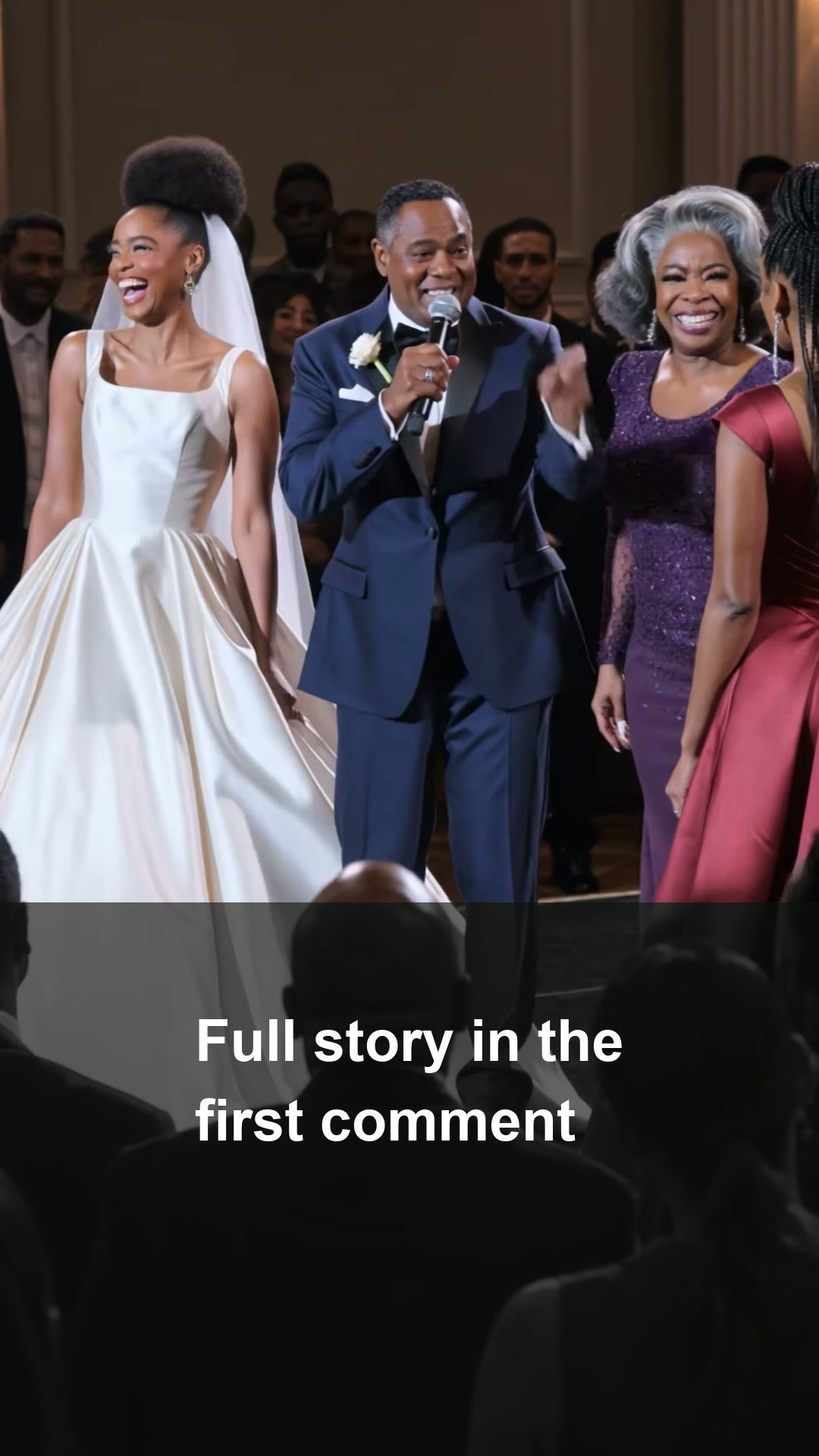
The school years were a blur of calculated isolation. At sixteen, I was already managing a mock portfolio that outperformed my father’s real-world investments. I remember the night of the winter formal, standing in my bedroom while my mother cinched my dress so tight I could barely draw a full breath. She was pinning a corsage to my lapel, her fingers cold and trembling with a strange, frantic energy. You look acceptable, she said, smoothing a wrinkle that didn’t exist. Remember, you are a Hayes. Every conversation you have tonight is a negotiation. If you return home without a connection that benefits this family, do not bother returning at all. I walked out to the car feeling like a product being sent to market, my worth measured by the quality of the company I kept. I didn’t go to the dance to meet a boy. I went to find the son of a venture capitalist who had been sniffing around my father’s firm, and I spent four hours extracting information about his father’s upcoming expansion plans. I came home, recited the intel, and my father finally smiled—a thin, jagged movement of the lips that terrified me more than his silence.
Sophia was always the buffer, the soft landing. She understood the game better than I did, mostly because she realized early on that she didn’t have to play it. She would sit in my room while I studied for my CFA, filing her nails and complaining about the burden of being expected to marry well. You’re so lucky, Madison, she’d say, watching me highlight passages on risk mitigation. You get to be the smart one. Everyone expects you to be a shark. I just have to be pretty. I remember looking at her, really looking at her, and seeing the way she weaponized her supposed helplessness. She knew that if she played the victim, I would be the one forced to do the heavy lifting for the family. One afternoon, when I was twenty-two, she came to me asking for a loan to cover her credit card debt, debt she’d accrued buying clothes she didn’t need to wear to parties I’d essentially brokered. I told her no. She went straight to our mother, sobbing that I was cold and calculating, a drone in human form. My mother walked into my office that evening, picked up my favorite fountain pen, and snapped it in half against the desk. You will support your sister, she said, her voice dripping with a casual, devastating malice. If you cannot provide for your own blood, you have no business calling yourself a Hayes. I gave her the money. I gave her the money, and I hated myself for it, because in that moment, I realized I was just another asset they could leverage against each other.
The marriage proposal was the final attempt to institutionalize my utility. I was twenty-six, a junior partner at a firm they didn’t control, and my parents had arranged a dinner with a man who ran a rival logistics company. He was older, smelling of stale cigars and entitlement, and he spent the entire meal talking about how my career would be a lovely hobby once we had children. My father sat there, nodding, calculating the merger of our assets like he was counting cattle. I looked at the man, then at my mother, whose face was a mask of expectant triumph. I reached for my wine, my hand steady, and I thought about the thousands of hours I had spent in the dark, reading, calculating, building a life that was mine, only to be told it was a costume I was supposed to shed. I didn’t say no. I couldn’t say no then. I was too conditioned, too scared of the vacuum that would open if I stopped being useful. I agreed to the engagement, and for three months, I let them plan a wedding that felt like a funeral for my soul.
I remember waking up at three in the morning the night before the engagement party, the silence of my apartment pressing against my ears. I had a phone call from my father, a voicemail he’d left at midnight. It wasn’t about the wedding. It was about a stock dip he needed me to fix, a problem he’d created through sheer arrogance. He didn’t say please. He said, your brother-in-law is having trouble with the accounts, fix it by sunrise. I looked at the screen, the blue light illuminating the room, and for the first time, I didn’t feel the pull of the obligation. I felt the sharp, clean edge of clarity. I had been paying for their lives for years—their houses, their vacations, the wedding dresses, the status symbols they draped over their rotting foundation—and they still treated me like a broken tool. I didn’t fix the accounts. I spent the next six hours drafting the documentation that would expose exactly how much of their prestige was built on my salary. I didn’t go to the party. I went to the office. I sat in my chair, looking at the city skyline, and decided that the price of perfection was far too high to keep paying. I had been trained to negotiate, and I realized then that my parents were the only people I had ever failed to properly appraise. They were liabilities. And it was time to divest.
The mahogany desk in my office held the cold, polished weight of my own autonomy. I traced the edge of a folder containing the internal audit of Hayes Capital’s subsidiary holdings, feeling the ghost of my mother’s ring against my skin. Carol had always viewed my labor as a domestic tax, a tithe paid by an ungrateful daughter for the privilege of existing in her orbit. She loved the status my VP title provided, but she loathed the fact that I had earned it without her permission. I tapped the contact icon for Julian Thorne. The line connected after two rings. His voice was a flat, sterile blade, slicing through the late-night silence. He didn’t ask why I was calling; he simply waited for the data. I realized then that my parents had spent thirty years underestimating me because they couldn’t conceive of a world where I didn’t need their approval to survive. I sent the files, my finger hovering over the screen before I pressed send. The transition from daughter to liquidator felt less like a betrayal and more like a necessary correction of an imbalanced ledger.
My father, Richard, was currently at the hotel bar, probably ordering a scotch he couldn’t afford without my signature on the company’s quarterly disbursements. He was a man who measured his worth in the height of his chair back, yet he had forgotten that he sat in that chair only because I had stabilized the floor beneath it. He believed he was the architect of our family’s legacy, never suspecting that I was the one who had kept the blueprints from burning. I thought of his dismissive hand-wave whenever I tried to discuss fiscal strategy during Sunday dinners. I would take that hand, metaphorically, and sign his severance.
Then there was Sophia, my sister, currently practicing her vows in a mirror somewhere, oblivious to the fact that her white silk veil was financed by the very accounts I had just frozen. She was the golden child because she knew how to play the part of the decorative accessory, never questioning why the lights stayed on or why the florist arrived on time. She was complicit in the silence, her sweetness a weapon she used to maintain her status as the favored daughter. She didn’t realize that being favored meant being controlled. She would wake up tomorrow to a bank error notification, the realization that her life was a leased vehicle and the landlord was calling for the keys.
Julian Thorne, the man on the other end of the line, was the only one who saw the logic of my move. He thrived on efficiency and despised the messiness of personal debt. He didn’t care about my family’s social standing; he cared about the integrity of the firm. In his world, a bad investment was pruned, regardless of the history attached to it. He was a predator, but at least he was an honest one. As I ended the call, the silence of the office felt like a clean, sharp inhalation of oxygen. I stood up, walked to the window, and watched the city pulse below. I had spent my life acting as the bridge between my parents’ greed and their survival. Now, I was the one pulling the supports. My next move was not a question of if, but of how precisely the collapse would occur. I checked my watch. The wedding reception was entering its final, drunken hour. It was time to go finish what my mother had started.
The lobby of the St. Regis was a monument to gilded artifice, smelling of expensive lilies and the stale residue of champagne. My reflection in the glass revolving doors was too steady, too composed for a woman about to dismantle her own bloodline. I walked past the concierge, my heels clicking a sharp, rhythmic warning on the marble floor. I didn’t stop at the ballroom. I walked straight to the business center, pulled a chair into a corner, and opened my laptop. The first action was the simplest: I logged into the joint family trust account and hit ‘revoke access.’ The screen flashed red—a digital rejection of twenty years of unearned entitlement. My mother’s supplemental spending power vanished in a blink.
I didn’t wait for the inevitable ping of her phone. I opened my email and attached the scanned document of my father’s offshore shell company records—the ones I’d spent three years meticulously documenting as a hobby. I hit send to the board of directors at Hayes Holdings. My finger hovered over the ‘send’ button. If I sent this, my father would be out by morning. I pressed it.
The phone in my pocket vibrated against my thigh. I ignored it, feeling the cold weight of the metal. I exited the business center and marched toward the front desk. “I need to file a formal report,” I told the officer stationed in the lobby for the high-profile wedding security. “There’s a threat of domestic extortion occurring in the ballroom.”
The officer frowned, shifting his belt. “Is this a family matter, ma’am?”
“It is a legal matter,” I said, my voice devoid of tremor. I gave him the details of the incident in the ballroom, the exact phrasing of my mother’s threat to ruin my reputation if I didn’t sign over my penthouse equity. He took notes, his pen scratching against the pad like a surgeon’s scalpel.
“We’ll look into it,” he muttered.
“I expect a copy of the report sent to my attorney within the hour,” I said.
I moved to the hallway outside the ballroom just as the reception doors swung open. My father stepped out, his face a mottled, angry red. He was staring at his phone, his thumb swiping frantically. He looked up, his eyes locking onto mine with the predatory intensity of a cornered animal. He charged at me, his gait uneven. “What did you do?” he hissed, grabbing my arm. His fingers were like iron rods.
I didn’t flinch. I reached into my purse and pulled out the legal notice I’d prepared on the ride over. “I severed the cord, Dad. The bank is freezing the family accounts as we speak. Check your balance.”
He released me as if I were burning. He pulled his phone to his ear, his breathing ragged. “Carol! Check the account. Check it now!” He stared at me, his mouth hanging open as he listened to her panicked shrieking on the other end. “How? How is she doing this?”
“I’m an executive,” I said, smoothing my sleeve. “I know how to read a ledger.”
I walked away from him and toward the elevators. I met my lawyer, Miller, in the lobby bar. He was sitting with a stack of papers and a single malt. I slid the DNA test request across the table—a private order I’d commissioned months ago when I realized my sister’s ‘Golden Child’ status was being used to bypass the inheritance laws I had worked to protect. It was a long shot, but it was enough to tie up the estate in probate for years.
“This is aggressive, Madison,” Miller said, looking over the documents.
“It’s accurate,” I replied. “I want the will contested on the grounds of fraudulent distribution. If Sophia isn’t who they claim she is, the entire foundation of their inheritance scheme collapses.”
“They’ll sue you for everything you have,” he warned, though he was already tucking the papers into his briefcase.
“They already have,” I said. “Now they’re going to find out what it’s like to lose.”
I left him there and headed for the HR department’s satellite desk in the hotel suite, where the company’s temporary offices were set up. I spent the next hour documenting the verbal abuse and the hostile work environment my mother had created during the wedding planning, filing an official complaint that would trigger an immediate internal investigation.
My phone buzzed again. A text from my sister: *Mom is hyperventilating in the bathroom. What is wrong with you?*
I typed back, my thumbs moving with clinical precision: *I’m reclaiming my assets. You should start looking for an apartment.*
As I sent the text, the ballroom doors opened again and Carol emerged, her mascara tracked down her cheeks, her wedding-guest finery looking like a costume in the harsh lobby light. She saw me standing by the elevator, my hand poised on the ‘down’ button. She didn’t scream this time. She just looked at me, a hollow, terrified expression replacing the arrogance that had defined her entire existence. She realized then that the daughter she had treated like a piece of office furniture was the one who held the key to her cage.
The elevator chimed. I stepped inside, the doors sliding shut between us like a guillotine blade. I felt the cold, sharp relief of a woman who had finally stopped playing the role assigned to her. The silence in the elevator was the best thing I had ever heard. I didn’t care what they did next. I had cut the supports, and now, I was going to watch the house fall. I pressed the button for the lobby garage, ready to drive away from the wreckage before the dust even settled. The final hook was set; there was no turning back now.
The lobby felt like a pressure cooker, humming with the low-frequency static of a dozen ignored notifications. I kept my eyes on the polished marble floor, my heels clicking a steady, rhythmic retreat toward the exit. My phone, tucked into my clutch, buzzed incessantly—a frantic, vibrating pulse of incoming rage. I glanced down. Sixty-two missed calls from my father’s office line. A dozen texts from Sophia, each one more shrill than the last, culminating in a string of emojis and accusations I didn’t bother to read. I held the power button and watched the screen go black. The darkness reflected back at me was cleaner than the world I was leaving.
I reached my car, the leather seat cold against my legs. As I pulled out of the garage, the city lights blurred into long, neon streaks. My professional life, usually a sanctuary of predictability, was already beginning to tremble. Before I even reached the highway, my email began to ping despite my attempts to stay offline. A colleague from the London branch sent a curt inquiry: *Is the rumor true? Did Hayes Capital just pull the liquidity from the family holdings?* I didn’t reply. I simply watched the news alerts begin to crawl across the top of my navigation screen. The headlines were surgical: *Hayes Dynasty Faces Liquidity Crisis,* *Structural Collapse at the Family Firm,* *The End of an Era.*
The fallout wasn’t just corporate; it was visceral. By the time I reached my building, my doorman, usually a model of stoic professionalism, wouldn’t meet my gaze. He looked at the floor, his posture stiff, as if my presence alone were a contagion. My parents had already called the building management, demanding access to my penthouse under the guise of an ’emergency.’ I caught the manager, Mr. Henderson, hovering near the elevators. He looked exhausted, his tie slightly askew. He started to speak, his voice trembling with the weight of someone caught between two fires, but I walked past him without breaking stride. I didn’t owe him an explanation. I didn’t owe anyone a clean narrative of my rebellion.
Upstairs, the silence was heavy, a vacuum waiting to be filled. I walked to the hallway wall, where the family portrait—a staged, airbrushed lie—hung in a heavy gold frame. I didn’t tear it down in a fit of rage. Instead, I stood in front of it, dissecting the expressions I had spent thirty-two years trying to please. My mother’s brittle smile, my father’s predatory confidence, Sophia’s rehearsed innocence. It was a tableau of people who believed their own myth. I reached out, hooked my fingers behind the frame, and pulled. The anchor ripped through the drywall with a dry, satisfying crunch.
I set the portrait face down on the hardwood. My phone, sitting on the console table, began to vibrate again—a long, relentless buzz that shook the glass surface. I didn’t look. I walked to the kitchen and poured a glass of wine, the amber liquid catching the light of the city. For the first time in my life, the air in this apartment didn’t feel like a rented space. It belonged to me. The cost of this silence was the total loss of my history, but looking at the empty spot on the wall, I knew the trade was a bargain. I took a slow sip, watching the notifications pile up like snow against the window. The house had fallen, and I was finally standing in the wreckage, breathing fresh air. I turned my back on the phone and stepped out onto the balcony, the city lights waiting for a woman who was no longer anyone’s asset.
I walked back into the living room, the heels of my shoes clicking sharply against the hardwood floor. The silence was absolute, save for the hum of the cooling system. I picked up the heavy gold-framed family portrait from the hallway console and stared at the faces in the glass for a long, final moment. My mother’s tight smile, my father’s arrogant chin, and Sophia’s vacant, polished gaze. I didn’t feel rage anymore. I felt the cold, clinical finality of a completed audit. With a steady hand, I turned the frame face down and dropped it into the trash chute in the utility closet.
I sat at my desk and pulled up the legal portal. The settlement documents Julian had pushed through were blinking in my queue. I scrolled past the liquidation clauses, the forfeiture of my parents’ shares in the firm, and the ironclad injunctions that barred them from ever using the Hayes name in any future commercial venture. It was an extraction. I signed each page with a digital signature that felt lighter than air. Then, I opened my contacts list. I scrolled to the names I had labeled with parental titles for over three decades and pressed the delete icon. There was no prompt asking if I was sure. I just tapped yes.
The phone vibrated again, a frantic, persistent buzzing against the desk. I didn’t need to look at the screen to know it was my mother. She would be calling to plead, to threaten, or to demand an explanation for the sudden freezing of their accounts. I swiped the notification into the trash bin and blocked the number. The screen went dark, reflecting my own face back at me in the dim light. I looked younger. The tension that had permanently etched itself into my jawline over the last thirty-two years seemed to have vanished, leaving behind nothing but neutral space.
I walked to the hallway wall where the portrait had hung for years. The wallpaper behind it was slightly darker, untouched by the sun, a faded square documenting the place where they had once exerted their gravity over my home. I didn’t care about the discoloration. I pulled a canvas from the storage closet—a bold, abstract piece of deep indigo and gold I had bought months ago but never dared to hang. I hammered the nail into the wall, the sound echoing like a gavel. I hung the painting, straightened the frame, and stood back. It was mine. The wreckage was theirs, but the future was entirely, terrifyingly quiet. I poured the last of the wine and stepped back onto the balcony, turning my face into the wind.
The wind off the bay tasted like salt and cold iron. I stood on the balcony, watching the city below, a grid of golden arteries pulsing without my permission. For the first time in thirty-two years, the silence wasn’t a vacuum waiting to be filled with their demands; it was just air.
I retreated inside, my heels clicking against the hardwood—a sharp, rhythmic sound that belonged to me alone. On the kitchen island sat my phone, dark and lifeless. I picked it up, opened the contact list, and scrolled until the names appeared: Mother, Father. My thumb hovered over the delete command. I didn’t feel the expected surge of adrenaline or the crushing weight of guilt. I felt a clinical, hollow lightness, like a lung finally cleared of fluid. I pressed delete for both. The screen flickered, and the entries vanished, leaving a void where a lifetime of obligation used to reside.
The next morning, the sun hit the indigo canvas in the hallway, casting deep blue shadows across the floor. I walked to the garden, a small, glass-walled sanctuary I had barely touched in months. The soil was dry, crusted over from neglect. I knelt, the damp earth staining my palms, and began to pull the choked weeds away from the base of the hydrangeas.
“You’re doing it wrong,” a voice might have once said, sharp and correcting. But there was no voice.
I worked until my fingernails were dark with dirt and my shoulders burned. Later, I heated a kettle, the steam rising in lazy, erratic curls. I made tea, real tea, not the herbal blend they insisted I drink to keep my nerves steady. I sat by the window, watching a stray dog trot along the perimeter of the park across the street. I traced the edge of my cup, waiting for the panic to set in. It never came. I was finally, irrevocably, alone. I reached for the phone, intending to order a simple dinner, and realized I was hungry—really hungry.
I pushed the phone away, the screen sliding across the granite island until it hit the edge and tipped, face down. The silence in the penthouse was no longer a void; it was a weight I finally knew how to carry. I walked to the hallway, where the heavy, gilded frame had hung for fifteen years. It held a portrait of us—my parents’ forced smiles, my sister’s posed elegance, and my own stiff, obedient posture. I lifted it from the hook, the wire biting into my thumb. I didn’t smash it; I simply walked to the service closet and tucked it behind the vacuum cleaner, burying it beneath a stack of cardboard boxes. On the bare wall, I hung a single, unframed photograph of a jagged mountain ridge. I turned off the hall light.
Leave a Reply