The blood on the ivory floorboards was still wet, a dark smear leading away from the nursery.
I stood in the center of the foyer, my heels clicking like rifle fire against the marble. The air smelled of expensive lilies and something metallic, sharp enough to scrape the back of my throat. Margaret Prescott stood by the grand staircase, her silk robe cinched tight, clutching a glass of scotch as if it were a talisman. She didn’t look at the ruin she had fostered; she looked at her watch.
“She fell,” Margaret said, her voice a practiced, velvet monotone. “Emily has always been prone to these theatrical outbursts.”
I looked at the shattered porcelain lamp near the baseboard, then back to the woman whose family had hollowed out my daughter’s soul. My pulse didn’t race; it slowed into the rhythmic, cold efficiency of a combat mission. I adjusted my jacket, feeling the weight of the concealed drive in my inner pocket.
If they wanted a performance, I would give them the final act. I took a step forward, closing the distance. The war had officially moved to domestic soil.
The humidity of a Charlotte morning clung to the windows of my kitchen like a damp shroud. I stood by the counter, waiting for the drip coffee maker to finish its cycle. The sound was thin and rhythmic, a series of sharp, hot glugs that punctuated the silence. I adjusted the cuffs of my crisp, ironed shirt, my fingers tracing the familiar starch.
I took the mug, ceramic burning against my palm, and sat at the granite island. The newspaper sat folded exactly as it had every morning for the last decade. I read the headlines about municipal zoning laws and the damp prospects for the weekend weather. I found the minutiae comforting. It was a world governed by predictable, dull variables.
At 07:30, I climbed into my sedan. The leather seat was cool, smelling faintly of the lemon polish I used every Sunday. I merged onto the highway, joining the steady, mindless river of commuters. We were a line of steel boxes, all moving at the same regulated pace, all checking our mirrors, all tethered to the same grid.
I arrived at the office by 08:00. The lobby smelled of floor wax and stale air conditioning. I greeted the front desk attendant, a man whose name I knew was Marcus, though I had never learned the name of his dog or the nature of his weekend plans.
“Morning, Colonel,” he said, not looking up from his tablet.
“Good morning, Marcus,” I replied. “Heavy rain predicted for the afternoon commute.”
“That’s the word,” he agreed, waving me through the turnstile.
My office was a box of grey walls and stacked file folders. I spent the first hour responding to routine emails—personnel reviews, equipment procurement logs, and logistical reports. At 09:15, I walked to the breakroom to use the communal printer. It was a stubborn, screeching machine that required a specific, forceful nudge on the paper tray to function. I hit the side of it with the heel of my hand, just as I had done a thousand times before. It groaned, whirred, and finally spat out the pages.
I spent the next hour in a meeting about regional training exercises. We discussed fuel costs and personnel rotations. My focus was absolute, anchored in the reality of spreadsheets and projected outcomes. I listened to my colleagues talk about their children’s soccer games and the rising price of lawn care. It was the background radiation of a stable life. I offered a polite nod, a short, clipped sentence about the upcoming autumn schedule, and a brief smile that didn’t reach my eyes.
I felt untouchable in the normalcy of it all. Nothing here suggested a fracture. Nothing here hinted at the weight I carried in the dark corners of my schedule. I was a professional, a leader of systems, and I believed that if I followed the steps, the world would remain upright.
I returned to my desk, sat down, and reached for the stack of folders that needed my signature. The fluorescent light hummed overhead, a steady, buzzing tone that felt like the baseline of my existence.
Then, the desk phone began to ring. It was a harsh, insistent sound that shattered the quiet, slicing through the mundane air of the room like a blade. I froze, my hand hovering over the receiver, staring at the flashing red light on the console.
I snatched the receiver. The plastic was slick against my palm. My pulse hit a syncopated rhythm, a soldier’s instinct detecting an ambush before the first shot was fired.
“Colonel Hart,” I said, my voice stripped of anything but rank.
“Victoria,” the voice on the other end was not Emily’s. It was strained, high-pitched, and trembling. It belonged to Sarah, Emily’s neighbor—a woman I had met exactly once at their wedding. “You need to get here. Now. The Prescotts… there was an accident.”
“Define accident,” I snapped, my eyes flicking to the calendar on my wall, calculating transit times, flight paths, the impossibility of being two states away.
“Ethan came home early. He said she tripped on the stairs. But the sound, Victoria—it wasn’t a fall. It was like a hammer meeting stone.”
The connection hissed with static. My chair rolled back, the wheels catching on the edge of the carpet, but I didn’t care. The folders on my desk, the strategic projections, the logistical chains I had spent twenty years perfecting—they all evaporated into a singular, agonizing point of failure. I had trained a thousand soldiers to survive in hostile terrain, yet I had left my own daughter in a house built by people who viewed her as property.
“Is she breathing?” I kept my tone level, though my throat felt as if it had been packed with dry sand.
“She’s in the ambulance. They told me she’s fine, that it’s just a concussion, but she’s not speaking. She’s just… shaking. She won’t let them touch her, Victoria. She kept whispering that if she went to the hospital, they’d tell the doctors it was her fault again.”
I stood up. I didn’t reach for my coat or my keys; I reached for my sidearm, a habit born of habit, then realized the absurdity of it and dropped it back into the safe. I had to pivot. The tactical manual for this crisis didn’t exist in any of my binders. My daughter was not a subordinate; she was a casualty of a war I had ignored because it was fought behind closed doors with invitations printed on heavy cardstock.
“I am en route,” I said, my voice dropping an octave, turning into the command tone that made grown men stand at attention. “Do not let them leave the scene. Do not let them speak to the paramedics alone. If Margaret Prescott shows up, you block her access. Do you understand?”
“Victoria, they’re the Prescotts. They own this town.”
“They don’t own me,” I replied.
I hung up. The dial tone wailed, a thin, mechanical scream. I grabbed my bag, my movements practiced and efficient, but my hands were shaking. I had spent my life securing borders, yet I had left the front door of my own life wide open. I didn’t walk to the exit; I ran.
The hospital corridor smelled of antiseptic and floor wax. I leaned against a cold vending machine, the plastic buttons digging into my shoulder, and dialed the number for the reception desk at the Sterling Heights Hotel. The concierge picked up on the second ring, his voice smooth, rehearsed. I asked about the room registration for last night. He hesitated, the sound of a rustling ledger heavy in the silence. He told me the room was registered to a corporate entity, no guest names logged. I asked again, shifting my weight, the heel of my boot clicking against the linoleum. He cleared his throat and said the room had been empty for forty-eight hours. My skin prickled. If the room was empty, then where had Ethan and Emily been? I decided then that I would not trust the official record. I hung up and stared at the flickering fluorescent light overhead.
I moved to the next contact, the night nurse who had signed Emily into the ER. I found her near the intake station, her shoulders slumped, exhaustion etched into the deep lines around her mouth. I showed her my badge, not because it held jurisdiction here, but because it carried weight. She looked at me, then at the floor. She told me Emily had been brought in by a private driver, not a family member, and that she had been conscious, repeating a phrase about a staircase. She paused, then corrected herself; no, it was a chandelier. She sounded scared. I watched her eyes dart toward the security cameras. She was omitting something, or perhaps she was being watched. I thanked her, my voice clipped, and walked toward the exit. I needed to see the physical evidence myself.
The drive to the Prescott estate was a blur of gray asphalt and manicured hedges. My phone buzzed in the cup holder. It was Brandon Prescott. I answered, keeping my gaze on the road. He was breezy, his voice dripping with the casual arrogance of a man who had never faced a consequence he couldn’t buy off. He claimed Emily had fallen during a dance at their gala, a tragic accident, a stumble on a ballroom floor. He insisted the police had already cleared the matter. I listened to the lie, counting the inconsistencies. A fall on a ballroom floor doesn’t result in the fractures the nurse had whispered to me about. I told him I was coming to collect her belongings. He laughed—a short, sharp sound—and told me the house was closed for the night, the staff dismissed. I realized then that they were scrubbing the scene. I hung up and pressed the accelerator, the engine roar filling the silence.
I reached the gated entrance of the estate. A security guard, barely twenty, stepped into the light, his uniform ill-fitting. He told me I had no authorization to enter. I didn’t argue. I pulled out my phone and dialed the local precinct, bypassing the desk sergeant and asking for the shift commander I’d known since the academy. I stood in front of the gate, watching the guard’s posture crumble as his radio crackled with incoming orders. I didn’t need to speak; the weight of my uniform did the talking. I stepped over the threshold, moving into their house of cards. Every story I had heard tonight had been a different version of the same void, but the truth was beginning to sharpen. I stood in the driveway, the sprawling mansion looming like a mausoleum. They had tried to bury her story, but they had forgotten that I knew how to dig.
The foyer smelled of expensive floor wax and old money. I walked past the marble busts of men who had never seen a battlefield, my boots clicking with a rhythmic, percussive sound that echoed against the vaulted ceiling. Margaret Prescott stood at the top of the grand staircase, her posture stiff as a rifle barrel, clutching a silk robe to her throat. She looked down at me with an expression of practiced, icy indifference, as if I were a delivery driver who had arrived at the wrong hour.
I stopped at the base of the stairs, my eyes tracking her subtle movements—the way her fingers whitened against the fabric, the tremor in her jaw. I didn’t reach for my weapon, but I let my hand rest near my belt, a reminder of the tactical advantage I held. I didn’t need to shout to establish control; the silence in the house was already mine. I pulled the medical file from my jacket, the pages crinkled and sharp, and fanned them out against the mahogany banister.
I thought of Emily, tucked away in the guest suite, her skin mapped in purple and yellow, her silence a cage she had been forced to inhabit for three years. Every day I had spent securing borders and leading battalions felt like a dereliction of duty compared to the war I had let happen in this living room. I needed to know if Margaret understood the finality of what was coming. I looked up, meeting her gaze with the cold, clinical focus I reserved for high-value targets.
I took a single step up, the wood groaning under my weight. My daughter had spent years trying to be the perfect reflection of this family’s hollow pride, and I had been the ghost who watched from afar. I looked at the woman who had helped build this prison.
Do you have any idea how much it costs to keep a secret this ugly?
The wood of the stairwell held a faint scent of lemon polish and decay. I stood on the third step, the same height I had been when I first arrived in this city twenty years ago, carrying a duffel bag and a sense of mission that was already rotting from the inside out. My mother had taught me that survival was a mathematical equation: identify the variables, isolate the threat, and eliminate the friction. I had applied that logic to my career, rising through the ranks with the precision of a scalpel, but I had failed to apply it to the one person who mattered.
I remembered Emily at seven, sitting on the floor of our base housing with a box of crayons, meticulously drawing a map of the world. She wasn’t drawing continents; she was drawing fences. She wanted to know exactly where the red lines were, where the danger zones ended, and where the safety began. I had watched her from the doorway, my uniform stiff with starch, my mind already drifting toward a classified brief in the Pentagon. I had told her then that I would always be her perimeter. I had lied. I had been a ghost in the nursery, a voice on a crackling satellite phone, and eventually, a signature on a college tuition check.
The first time I met the Prescotts was at a charity luncheon, the air thick with humidity and the smell of expensive cologne. Margaret was holding a crystal flute, her smile so practiced it looked like a surgical scar. She had walked over to me, not as a woman meeting an equal, but as a predator assessing a new species. She mentioned Emily, who was then twenty-one and vibrating with a nervous energy I mistook for excitement. Margaret had leaned in, her voice low, dripping with a false, honeyed concern that I should have dismantled then and there. She spoke about Emily’s lack of focus, her tendency toward drama, her fragile emotional architecture. I should have recognized the gaslighting; it was the same strategy I used to rattle enemy combatants. Instead, I saw a mentor, a woman of status who could guide my daughter through the complex social topography of Southern high society. I was a fool who believed that power was always honest.
I remember the day Emily called to tell me she was marrying Ethan. I was in a tent in the desert, the wind howling against the canvas. The signal kept cutting out, a series of static bursts that should have served as a warning. Emily sounded breathless, her voice climbing an octave, the way it always did when she was trying to convince herself of a falsehood. She said Ethan was a protector. She said the Prescotts had offered her a place where she would never have to be alone again. I didn’t ask about his temper. I didn’t ask why he needed to manage her accounts. I focused on the logistics: the wedding date, the flight path, the tactical requirements of a high-profile civilian event. I treated my daughter’s life as a mission objective to be managed, not a human soul to be guarded.
Three years into their marriage, I visited for a weekend. The house was a museum of cold surfaces and hidden passages. I found Emily in the kitchen, her sleeve pulled down over her wrist, her movements jagged and defensive. I asked her what happened to the photo album she used to keep, the one with pictures of our hiking trips and her college roommates. She looked at the floor, the tiles perfectly aligned, and told me they had been damaged in a flood. A flood. The word hung in the air, a pathetic, flimsy cover story that we both pretended to believe. I should have grabbed her then. I should have pulled her out of that house and never looked back. But I was the Colonel. I was trained to wait for the order, to gather intelligence, to avoid an unnecessary escalation. I sat at their dinner table, drank their vintage wine, and let them serve me a curated version of my daughter’s life while she sat across from me, shrinking until she was almost invisible.
I watched Ethan reach across the table to touch her shoulder. He didn’t touch her like a husband; he touched her like a handler. His hand settled on her trapezius, his fingers digging in just enough to force her posture to stiffen. She didn’t flinch, but her eyes went dull, the light dimming as if someone had pulled a circuit breaker. I felt a surge of rage so cold it turned my blood to ice, but I stayed seated. I made a joke about the local economy. I played the part of the distinguished military guest. That night, I lay in the guest room listening to the house settle. I heard the muffled sound of a voice—not an argument, but a steady, rhythmic cadence of correction. It was the sound of a drill sergeant, but there were no soldiers here, only a man dismantling a woman, piece by piece, day by day.
I had ignored the red flags because they didn’t fit my narrative of a successful, stable family. I told myself that Emily was finally happy, finally rooted in a world where she didn’t have to follow a mother who moved every eighteen months. I had traded her safety for the comfort of my own professional ego. I wanted her to be a success story, a testament to the idea that you could have it all, even if I wasn’t there to provide it. I had been the one who taught her to hold her ground, but I hadn’t taught her that the person she was holding it against was the one she was sleeping next to.
I recalled a phone call from six months ago. Emily had tried to tell me about a car accident, a slip on the stairs, a series of mishaps that left her bruised and quiet. She had asked me for money, not for a vacation, but for a private clinic. A clinic the Prescotts had vetted. A clinic that didn’t leave a paper trail. I had wired the funds within ten minutes. I didn’t call the clinic. I didn’t ask for a medical report. I just cleared the hurdle, moved the asset, and went back to my map. I thought I was fixing the problem by throwing resources at it. I was just funding her confinement.
The silence on the stairs stretched, heavy and suffocating. I gripped the railing until my knuckles turned white. My mother would have called this a failure of character, a weakness born of my obsession with the macrocosm at the expense of the microcosm. She was right. I had spent twenty years securing the world and had neglected the one square foot of earth that belonged to my own blood. I hadn’t just allowed this to happen; I had facilitated it by my silence, my absence, and my arrogance.
The front door clicked shut somewhere below, the sound echoing like a gunshot. I didn’t turn. I stayed fixed on the upstairs landing, staring at the closed bedroom door where the ghost of my daughter lived. I realized then that the war I was about to wage wasn’t against the Prescotts; it was against the woman I had been while they were doing this. I had to stop being a Colonel. I had to become the mother I had failed to be when the fences were still being built. The Prescotts thought they were dealing with a soldier who followed rules. They had no idea what a mother looked like when she finally realized she had been fighting the wrong war for twenty years. I shifted my weight, the floorboard finally giving way with a sharp, definitive crack. It was time to break the house down.
The house smelled of floor wax and expensive, stale lilies. I stood in the hallway, the hardwood cool beneath my heels, and traced the architectural lines of the Prescott estate. It was a fortress built on aesthetics.
I found Ethan in the study. He was swirling a glass of amber liquid, his tailored cuffs hitting the edge of the mahogany desk with rhythmic, precise taps. He looked at me, his smile not reaching eyes that were already calculating the cost of my presence.
I hear you’ve been asking questions, Colonel, Ethan said, his voice smooth, rehearsed. Emily has always been prone to these little… episodes. Fragility runs in her blood, I suppose.
I didn’t blink. He was a man who measured his worth in influence, terrified that a single loose thread would unravel the tapestry of his social standing. I thought of the bruise on Emily’s collarbone, a crescent moon of violence he called an accident. I didn’t see a man; I saw a tactical vulnerability. I decided then that I would not engage with his ego. I would simply delete his future.
I walked to the kitchen where Margaret stood, her hands busy with a tea service, her movements rigid. She was the architect of their silence, a woman who treated domestic terror like a messy stain on a velvet curtain. She looked at me, her mouth a thin line of practiced indignation.
Victoria, she began, the tea set rattling slightly against the silver tray, we’ve provided for her. We’ve kept her safe from the world. You were never here to do it, were you?
She wanted me to feel the guilt of my deployments, to accept that my absence had bought her the right to own my daughter. I remembered the cold, sterile distance of the base, the way I had prioritized the mission over the muffled sobs on the other end of a satellite call. I saw her contradiction: she worshipped the image of a traditional family while presiding over a prison. I chose to stay silent, letting her own words linger in the air like poison.
In the foyer, Brandon leaned against the grand staircase, his phone clutched like a weapon. He was the enforcer, the one who handled the logistics of their corruption, believing that wealth made him invincible. He checked the time, his thumb hovering over the screen, his gaze darting toward the security cameras mounted in the corners. He was a bully who mistook greed for strength. I realized he was the weak link in their defensive perimeter, the one who feared the IRS more than he feared me.
I moved back toward the stairs. My daughter, Emily, stood at the top, her frame dwarfed by the heavy, ornate railing. She was gripping the wood so hard her knuckles were white. She looked like a ghost inhabiting a museum. She wanted to believe they were good, that she was just broken, even while her eyes searched mine for a permission to leave that I had been too busy to grant for a decade.
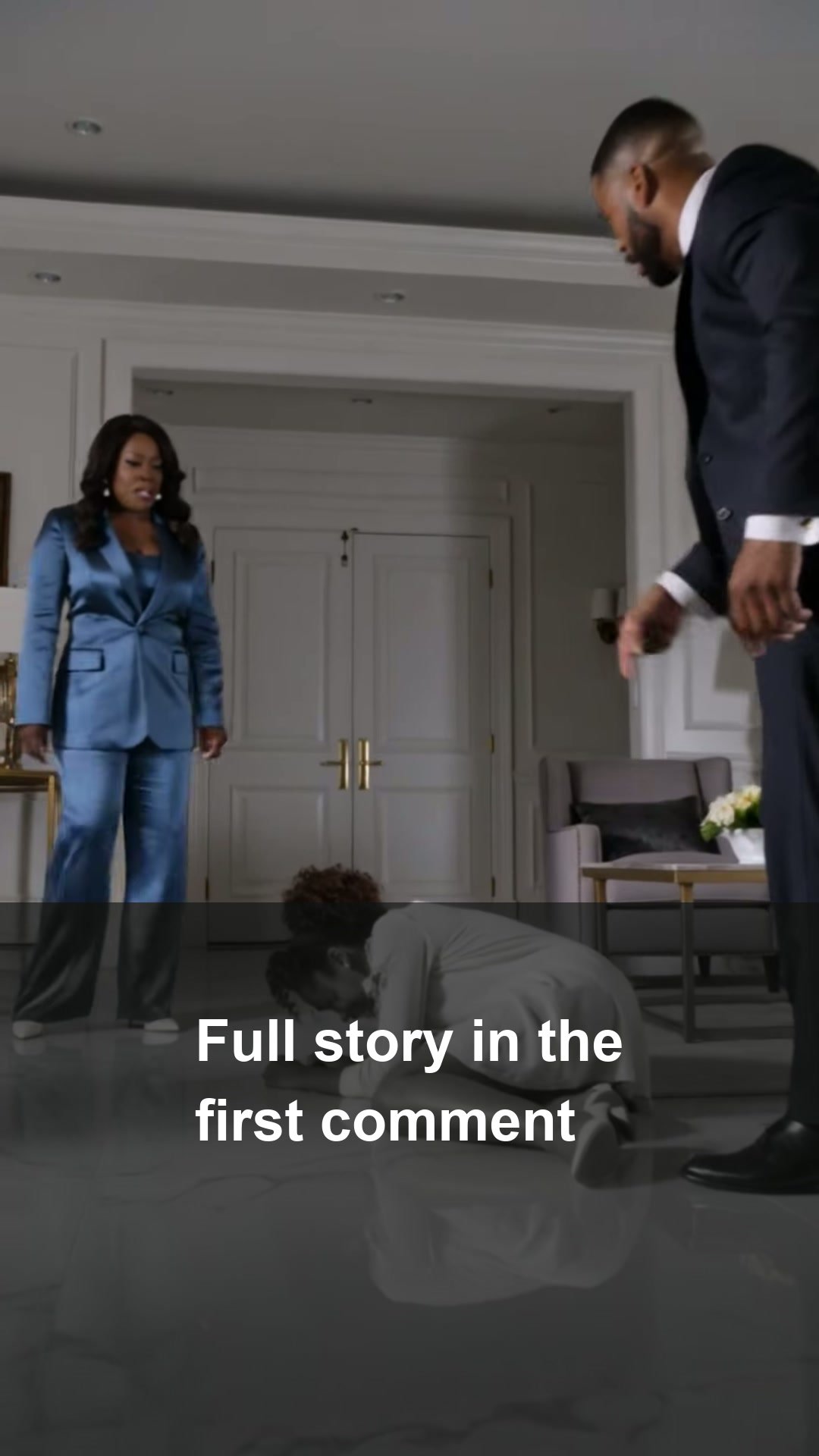
I took a step up. The floorboards didn’t creak. I was no longer the officer who analyzed the terrain for a path to victory. I was the mother who had finally learned that the terrain had to be burned. I reached the landing and held out my hand. Emily looked at the exit, then at her husband, then at me.
I’m done, Emily whispered, her voice barely audible, shaking with the weight of her own sudden clarity.
I gripped her hand, my pulse steady, my resolve absolute. The Prescotts were about to find out that a mother’s protection is the only weapon that never runs out of ammunition. I turned us both toward the door, away from the lies they had built to keep us apart, and stepped into the dark, quiet air of the foyer, ready to dismantle the world they had spent twenty years perfecting.
The precinct air tasted of stale coffee and industrial floor cleaner. I sat in a plastic chair bolted to the floor, my posture rigid, hands flat on my thighs. The desk sergeant, a man with tired eyes and a nameplate that read Miller, tapped his pen against a stack of incident reports. I laid out the medical records I had secured from the private clinic, the ones Margaret Prescott had tried to bury. I did not speak of love or loss; I spoke of assault, dates, and documented trauma. When I pushed the signed affidavit across the scarred desk, Miller’s eyes widened. He knew the Prescott name. He looked at the paperwork, then at me, and his hand hesitated over the keyboard.
This is going to bring a hurricane, Colonel, he muttered, not looking up.
The hurricane is already here, Sergeant, I replied. File it.
He began typing. The clicking of the keys was the first shot in a war I had prepared for my entire life. As I walked out, my phone vibrated. Ethan’s lawyer. I silenced the device and slid it into my pocket, the silence that followed feeling like a physical victory.
Back in my rental car, I opened my laptop. The dashboard hummed with the encryption protocols I had salvaged from my final days at the Pentagon. I bypassed the standard login and accessed the shared accounts Emily had been locked out of for years. One by one, I clicked the buttons to initiate a hard stop on every transfer, every recurring payment, every ghost-account the Prescotts used to bleed Emily’s trust fund dry. My finger hovered over the final command: Revoke Access. I pressed it. The screen flashed green, then black.
Three minutes later, a ping echoed in the cabin. A notification from the bank: Authorization Denied. Then another. A text from Brandon Prescott, his language rapidly devolving from corporate-speak to panicked profanity. He didn’t know I was the one pulling the trigger. He thought it was a technical glitch. I watched the frantic messages pile up, each one a testament to his reliance on money he didn’t actually possess.
I drove to the downtown legal district, the sun beating down on the windshield. I had an appointment with a firm that specialized in high-stakes corporate dismantling—men who didn’t care about Southern hospitality or the Prescott family foundation’s influence. I walked into the mahogany-paneled office and dropped a thick dossier on the desk. The lead attorney, a woman with sharp features and a reputation for being a shark, scanned the pages. She looked up, her expression unreadable.
Contesting the will, you say? That’s scorched earth, Colonel. They’ll come after you for everything.
I don’t want the money, I said, my voice steady. I want the trust dissolved. I want it tied up in federal audit for the next decade.
She tapped her chin, weighing the risk. She reached for the phone. I stepped out of the office, the heavy door clicking shut behind me, isolating me in the hallway. I felt a strange lightness, the kind that comes after a target is marked and the ordnance is away.
My phone rang again. Margaret. I let it go to voicemail, then opened the HR portal for the firm where Ethan worked. I typed in the specific incident of the assault, cross-referencing it with the security logs I had pulled from their gated community. I clicked submit. A notification appeared: Investigation Initiated. HR would have to act. If they didn’t, I had the SEC contact information ready to go for the following morning.
I checked my watch. 4:00 PM. Time for the most delicate operation of all.
I drove to a medical lab on the outskirts of the city, a place that didn’t ask questions if the payment was made in cash. I walked into the sterile, white room. A technician wearing blue nitrile gloves handed me a kit. I took it, thinking of Emily, of the way she had flinched when I touched her shoulder earlier that day. This was not about suspicion; this was about evidence. I completed the kit, sealed the envelope, and handed it back. The results would be back in forty-eight hours. It was the final piece of the forensic puzzle I needed to ensure Ethan could never come near her again.
I walked back to my car, the evening air cooling the humidity of the afternoon. As I climbed into the driver’s seat, I saw a black sedan idling at the end of the parking lot. It was Ethan’s driver. They were watching me. I didn’t hide. I looked directly at the windshield, holding his gaze until he shifted the car into gear and sped away.
They were panicking. They were reacting. They were playing by the rules of a society that was already crumbling beneath them, while I was playing by the rules of a war they didn’t even know had started.
I started the engine and pulled out into traffic, my eyes scanning the rearview mirror. I had filed the report, cut the money, hired the counsel, alerted the employer, and initiated the forensics. Every action had generated a reaction, a ripple of instability that was tearing their facade apart. I reached into my pocket and touched the small, cold metal of my car key. Tomorrow, we would go to court. Tomorrow, the mask would come off for good. I turned the corner, the city lights beginning to glow, and felt the weight of the last twenty years finally shifting from my shoulders. The hunt was no longer about them; it was about the survival of my own kin. I was ready.
The fallout began not with a bang, but with the hollow, rhythmic chirping of my phone on the granite kitchen island. I stood in the kitchen of our rental, the air smelling of industrial cleaner and the stale scent of Emily’s suppressed terror. I watched the screen blink: another journalist, another redacted account statement, another frantic text from a neighbor who had previously looked through us like we were glass.
I picked up the phone. It felt heavy, a tactical device now repurposed for domestic wreckage. I didn’t answer. I slid it facedown onto the counter and watched the reflection of the overhead light dance across the dark glass. My hands, trained to steady a rifle in a crosswind, were perfectly still.
The local news had moved from the business section to the front page. A blurred photo of Ethan stepping out of his firm’s lobby appeared on the television screen, his face twisted in a rare, unguarded sneer. The news anchor’s voice was a low hum in the background, reciting the words that had once been forbidden in this town: indictment, embezzlement, pattern of abuse.
I walked to the living room window and parted the blinds. A black sedan idled across the street—a private investigator, or perhaps just a vulture from the press. Behind me, the floorboards creaked. Emily stood in the doorway, clutching a mug of tea with both hands. Her knuckles were white. She didn’t look at the television; she looked at the front door, as if expecting the wood to splinter inward at any moment.
I am scared, she whispered. The admission wasn’t a plea; it was a fact, like a weather report.
I know, I said. I crossed the room and placed a hand on her shoulder. The fabric of her sweater was thin, fragile under my palm. I want you to go upstairs. Do not check the feeds. Do not look at the comments.
She flinched as a notification chimed on her own phone in the kitchen. The sound was sharp, a sniper’s crack in the quiet house. People are picking sides, she said, her voice hollow. Sarah from the book club sent a message. She said she never liked the Prescotts. She said she’s ‘so glad the truth is out.’
The hypocrisy was a tactical error I could exploit, but for now, it was just noise. They were shedding their loyalty to the Prescotts like a snake skin, terrified of the scent of blood in the water. I saw the way their community was fracturing; the school board had already sent an email distancing themselves from the family’s charitable foundation. They weren’t protecting justice; they were protecting their own reputations.
I looked at Emily. The cost wasn’t just the legal battle; it was the slow, agonizing shedding of a life built on a foundation of lies. Every time a friend turned away, she felt the silence of the room deepen.
It’s not about them, I told her, my voice dropping into that clinical, iron-clad register I usually reserved for briefing officers. It’s about the vacancy they left behind. Let them pick sides. It makes them easier to track.
I walked back to the kitchen and faced the phone. I hit delete on thirty-four missed calls. The decision crystallized: I would not engage in the PR war. I would let the machinery I’d set in motion grind them into dust while I stayed here, in this quiet, fortified space, and rebuilt the only thing that mattered.
I picked up my keys. The metal felt cold against my palm. I had a deposition in three hours. I checked the lock on the front door, turned, and caught my reflection in the darkened window. I looked tired, but for the first time in two decades, I didn’t look like a woman who was waiting for the next deployment. I looked like a woman guarding a perimeter.
I left the house, the gravel crunching under my boots, ignoring the camera lens that tracked me from the neighbor’s hedge. The fallout was just beginning, and I was exactly where I needed to be.
The courtroom air tasted of floor wax and stale ambition. I sat in the second row, my spine a rigid line, watching Ethan Prescott shrink inside a charcoal suit that no longer signaled status, only desperation. When the judge read the sentencing, the silence was absolute. Four years for domestic battery. Brandon, seated three rows back, clutched his briefcase until his knuckles turned translucent, his own legal reckoning still looming in the federal docket.
I stood as the bailiffs approached Ethan. He didn’t look at me. He looked at his hands, stripped of the heavy gold signet ring he had worn like armor. I felt nothing but a clinical satisfaction; the threat had been neutralized.
Back at the apartment, Emily was already waiting. She sat at the kitchen table, a stack of boxes at her feet. She was folding a silk scarf, her movements deliberate and steady.
I set my keys on the counter. The chime of metal hitting granite echoed in the quiet space.
Is it done, Mom? she asked. Her voice was thin but lacked the tremor that had haunted our conversations for months.
It is, I said. I handed her the document—the permanent protective order, the final seal of the court stamped in blue ink. She traced the lines with her thumb, then folded the paper and tucked it into her wallet.
She stood up and walked to the window, pulling the curtains back to let the afternoon light flood the room. I’m moving to the coast on Monday, she said. I’ve already signed the lease.
I watched her, noting the way she stood—shoulders back, no longer bracing for an impact that would never come. I knew then that she didn’t need me to watch the perimeter anymore. She had built her own.
I walked to the hallway closet and pulled out my gear bag. The heavy canvas smelled of dust, spent casings, and thousands of miles of transit. I placed it by the door, then reached up to the rack and took down my dress blues. I ran my hand over the medals pinned to the breast, the cold, sharp edges of a life defined by someone else’s conflict.
I’m done, too, I whispered to the empty room.
Emily turned, watching me fold the uniform into a suitcase. She didn’t ask if I was sure. She just walked over and placed a hand on my arm, a brief, grounding weight.
Breakfast tomorrow? she asked.
I looked at the combat boots sitting neatly by the front door, next to her bright, clean sneakers, both facing the open threshold.
Yes, I said. Tomorrow.
The kitchen smelled of burnt toast and freshly ground coffee, a mundane, chaotic scent that replaced the sterile tang of hospital hallways. Sunlight poured through the blinds, slicing the floor into sharp, golden strips. Emily sat at the small pine table, her knuckles white as she gripped a ceramic mug. She didn’t look at the door. She didn’t look at the shadows stretching across the lawn.
I set a plate of scrambled eggs in front of her. The silver fork clinked against the china, a sound far too loud in the morning quiet.
Eat, I said, my voice dropping the clipped, percussive rhythm of a field report.
She took a bite, her movements stiff, mechanical. The silence between us wasn’t the tactical void of a bunker, but something fragile, waiting to be filled.
The garden looks overgrown, she said, gesturing toward the back window where the hydrangeas had bowed under a week of neglect.
I watched her watch the flowers. She wasn’t scanning for threats anymore; she was counting blooms. It was a small, tectonic shift. I realized then that my mission was no longer about dismantling an enemy, but about tethering her to the ground.
We can clear the weeds after, I replied.
She nodded, a genuine, slow movement of her head. She finally released the mug, her fingers relaxing against the table. I saw the ghost of a smile, small and tentative, touch her lips. I looked away, afraid that acknowledging her progress might shatter it. Instead, I focused on the mundane task of pouring more coffee, the liquid steaming in the light.
I stood and went to the back door, unlatching the screen. The air outside smelled of wet earth and impending spring. A stray dog, a scruffy terrier with one notched ear, sat on the porch, waiting. I looked back at Emily. She was watching me, her gaze steady, expectant.
I think we have a visitor, I said.
She rose, the chair legs scraping against the hardwood in a sharp, sudden rhythm that made me wince. She didn’t flinch. Instead, she walked past me toward the threshold, her movements fluid where they had once been jagged and defensive. She paused at the threshold, one hand resting on the doorframe, her posture no longer braced for an impact that wasn’t coming. I watched her reach down, her fingers grazing the heavy, dust-caked leather of my combat boots. She pushed them slightly aside with her toe, clearing a space on the mat. Beside them, she placed her own white sneakers, the laces neatly tucked into the sides. She didn’t look back at me, or at the life we had dismantled. She simply stepped out into the light, leaving the door standing wide open.
Leave a Reply