
Pumpkin seeds are much more than just a delightful seasonal snack; they have been revered for centuries in traditional medicine for their diverse health benefits. These include actively supporting gut wellness and aiding the body’s natural defenses against parasites. While they should never replace prescribed medical treatments, ongoing scientific research continues to reveal fascinating insights into the unique compounds found in pumpkin seeds and their potential health effects.
What Makes Pumpkin Seeds So Beneficial?
Derived from various Cucurbita species, pumpkin seeds are nutritional powerhouses. They are richly endowed with essential nutrients such as healthy fats, potent antioxidants, vital magnesium, dietary fiber, and beneficial amino acids, all of which play crucial roles in maintaining overall health.
Among their many beneficial components, one compound stands out: cucurbitin (sometimes referred to as cucurbitacin). This substance has garnered significant scientific interest due to its demonstrated anthelmintic (anti-worm) activity observed in various laboratory and animal studies.
Traditional Applications for Parasite Management
Historically, pumpkin seeds have been utilized in traditional medical practices across cultures for managing intestinal parasites:
-
During the 19th century, pumpkin seeds were formally recognized in the U.S. Pharmacopoeia as an effective remedy for worms and parasitic infections, long before the widespread availability of modern synthetic drugs.
-
In Traditional Chinese Medicine, pumpkin seeds were employed to treat parasitic conditions like schistosomiasis and were also valued for their ability to help expel tapeworms.
It is crucial to emphasize that these applications are rooted in historical and traditional practices and are not intended to supersede professional medical diagnosis or prescribed treatments for parasitic infections.
Scientific Investigations: What the Research Indicates
A number of studies have rigorously investigated pumpkin seed extracts and their impact on parasites within controlled research environments:
Insights from Animal Research
-
One particular study involving pumpkin seed-derived oil showcased a significant reduction in parasite burdens among laboratory animals. This included an impressive 75% decrease in adult worms and a 66% reduction in encysted larvae, alongside a noticeable decrease in inflammation.
-
Further research on extracts from pumpkin seeds has indicated potential anthelmintic activity against various gastrointestinal nematode infections, suggesting that the plant’s compounds may actively influence worm motility and disrupt their egg development.
Limited Human Clinical Evidence
Despite pumpkin seeds being nutrient-dense and having a long history of traditional use, robust clinical evidence supporting their efficacy in humans remains limited. While some historical clinical observations from endemic regions suggest potential benefits in managing parasitic infections, more rigorous and extensive human research is still required to confirm these effects.
How Pumpkin Seeds May Function (Hypothesized Mechanisms)
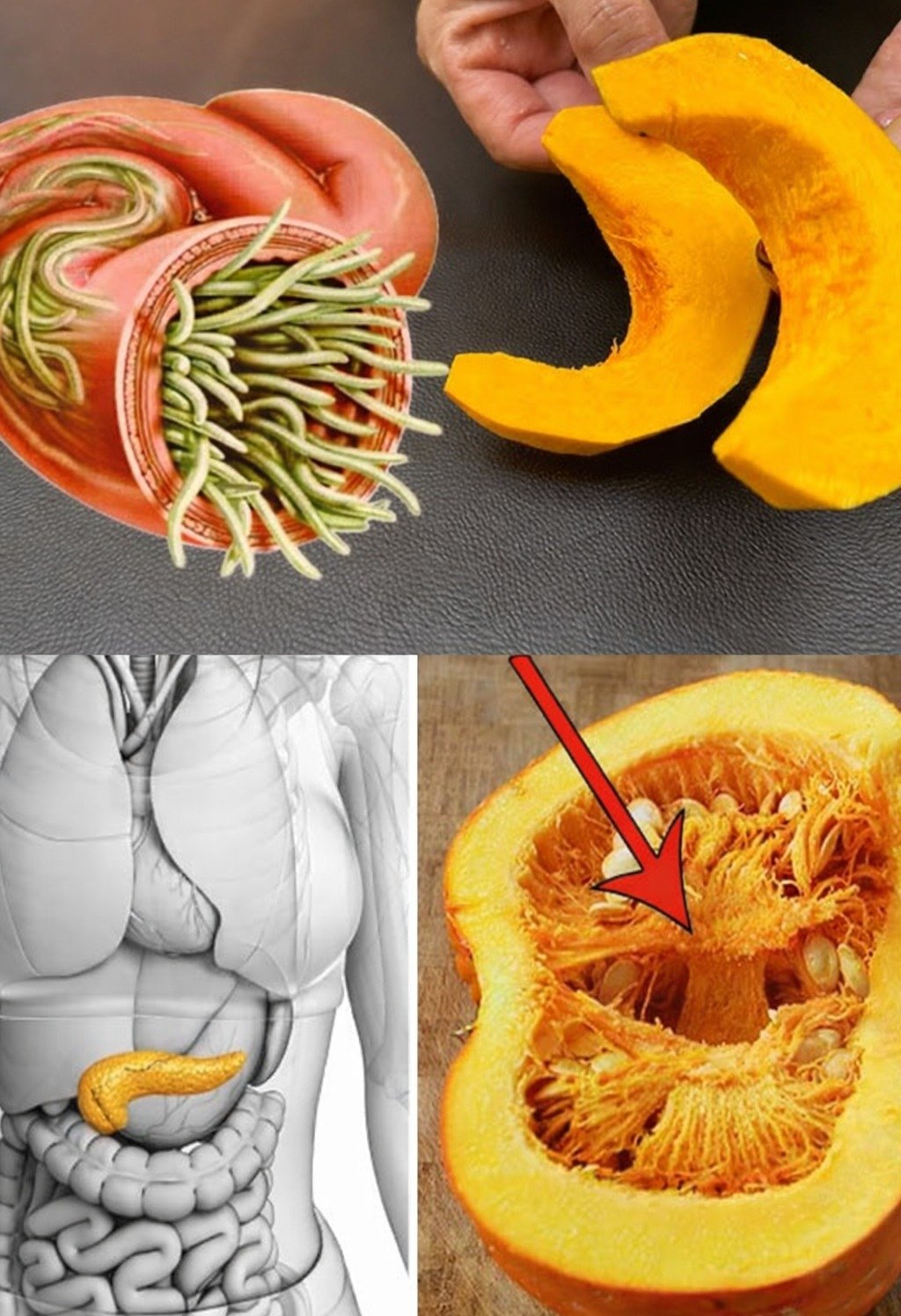
Researchers propose that active compounds such as cucurbitin and cucurbitacins might interfere with parasites through several mechanisms:
-
They could potentially paralyze the muscles of worms, thereby making it exceedingly difficult for them to maintain their hold within the intestinal tract.
-
These compounds may also influence parasite reproduction and hinder egg development, which could gradually lead to a reduction in their overall populations.
It is important to note, however, that these observed effects are predominantly documented in isolated laboratory and animal studies. Human physiological responses may vary, and therefore, extensive additional research is necessary before pumpkin seeds can be confidently recommended as a definitive medical treatment.
Pumpkin Seeds: A Valuable Addition to a Healthy Diet
Even in the absence of established medical approval for treating parasites, pumpkin seeds are undeniably a highly nutritious and remarkably versatile food source. They are cherished by many as an integral component of a balanced diet, offering a range of benefits such as:
-
Providing heart-healthy unsaturated fats
-
Supplying fiber crucial for optimal digestive health
-
Delivering essential minerals like magnesium and zinc, vital for metabolic processes and robust immune function
Incorporating pumpkin seeds into your meals – whether sprinkled on salads, blended into smoothies, mixed into oatmeal, or enjoyed as a standalone snack – can significantly contribute to overall gut health and general wellbeing.
Crucial Safety Information
-
It is paramount to understand that pumpkin seeds are not an officially medically approved treatment for parasitic infections. Confirmed parasitic infections mandate prescription antiparasitic medications, administered under the direct guidance of a qualified medical doctor.
-
Always seek the advice of a healthcare professional immediately if you suspect you have a parasitic infection or before considering any alternative remedies.
-
The activity demonstrated by natural plant compounds in laboratory settings does not invariably translate into effective or safe treatments for humans.
Conclusion: A Seed Steeped in Tradition with Promising Modern Prospects
Pumpkin seeds boast a rich historical legacy in traditional remedies aimed at supporting gastrointestinal health and aiding the body’s response to parasites. Contemporary research indicates that bioactive compounds present in these seeds may indeed possess antiparasitic and anti-inflammatory properties, as evidenced in laboratory and animal studies. Nevertheless, substantial human clinical evidence remains limited.
What is unequivocally clear is that pumpkin seeds are a powerfully nutrient-dense food that can enrich a healthy lifestyle, and their long-standing traditional use certainly warrants continued scientific investigation. Always prioritize and rely on professional healthcare advice for any medical conditions or health concerns.
Leave a Reply