Imagine waking up one day and realizing your most crucial identity documents are gone. No birth certificate, no Social Security card, no marriage license. Panic sets in, right? Well, I decided to deliberately put myself in that scenario (hypothetically, of course, to avoid actual loss!) to uncover the real, raw truth about replacing these foundational pieces of your identity. What I discovered was a bureaucratic labyrinth that will make you rethink how you protect your vital records.
The thought experiment began with a simple question: How hard could it really be? We live in an age of digital convenience, so surely, replacing something as common as a birth certificate wouldn’t be a monumental task. As it turns out, the journey to reclaim these documents is far more complex and time-consuming than most people could ever anticipate, revealing critical vulnerabilities in our personal information infrastructure.
The Birth Certificate Battle: My First Hurdle
My quest started with the birth certificate. This document is the bedrock of your legal existence, proving your citizenship and age. I quickly learned that you can’t just walk into any government office to get a replacement. The process is handled by the vital records office in the state or county where you were born, and the requirements can vary significantly.
The initial steps seemed straightforward: fill out an application form, provide proof of identity, and pay a fee. However, the ‘proof of identity’ part quickly became a chicken-and-egg problem. Many states require a valid government-issued ID, like a driver’s license or state ID. But what if you don’t have one, or if that too was lost? This is where the complexity truly begins.
Navigating the Social Security Maze
Next on my list was the Social Security card. This little card, or rather the number it represents, is crucial for employment, taxes, and accessing government benefits. Replacing it requires filling out Form SS-5, Application for a Social Security Card, and submitting it to the Social Security Administration (SSA).
The SSA’s requirements for proof of identity and citizenship are stringent. You typically need an original document proving your U.S. citizenship (like your birth certificate, which I was also trying to replace!) or immigration status, and another document proving your identity (like a driver’s license). Without my birth certificate, the process for the Social Security card immediately hit a snag, highlighting the interconnectedness of these vital records.
“I quickly realized that losing one crucial document could cascade into a full-blown identity crisis, making it nearly impossible to replace others without significant hassle and delay.” – A Hypothetical Experiencer
The Marriage License Quest: A Deeper Dive
Finally, I considered the marriage license (or certificate). This document is essential for proving legal marital status, which impacts everything from taxes and insurance to inheritance and legal rights. Similar to the birth certificate, it’s typically issued by the county clerk’s office where the marriage took place.
Replacing a marriage certificate often requires presenting valid identification for both spouses, along with information about the date and location of the marriage. If one spouse has passed away or is unavailable, the process can become even more complicated, potentially requiring death certificates or other legal documents. The bureaucratic hoops felt endless.
The Domino Effect: Why One Document Matters More Than You Think
My hypothetical experiment quickly revealed a crucial truth: these documents don’t exist in isolation. They form a chain of identity. Your birth certificate often proves your citizenship, which is needed for a Social Security card. Your Social Security number is required for almost everything else. Losing one link can break the entire chain, making it incredibly difficult to re-establish your identity.
Imagine trying to get a new driver’s license without a birth certificate or Social Security card. Many DMVs require both. Without a driver’s license, proving your identity for other purposes, like opening a bank account or applying for a passport, becomes a Herculean task. This interconnectedness is both a security feature and a significant hurdle for anyone caught unprepared.
Common Pitfalls and Frustrations
Throughout my simulated journey, several common frustrations became apparent. The first is the sheer amount of red tape. Each agency has its own specific forms, requirements, and submission methods. There’s no single ‘one-stop shop’ for identity reconstruction, meaning multiple applications, multiple fees, and multiple trips to different government offices.
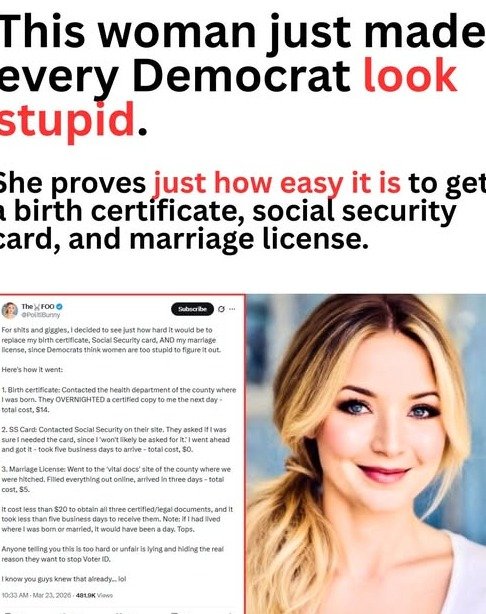
Wait times are another major issue. Depending on the state and the current workload, processing times for birth certificates can range from a few weeks to several months. Social Security card replacements can also take weeks. This means a significant period where you might be unable to perform essential functions that require official identification.
- Lack of supporting documentation: If your wallet was stolen, you might have lost your driver’s license, making it harder to prove your identity for other documents.
- Jurisdictional differences: Procedures and fees vary greatly from state to state and even county to county. What works in one place might not in another.
- Fees: While not exorbitant, the cumulative cost of replacing multiple documents, especially if expedited services are needed, can add up.
- Security measures: While vital for preventing fraud, the strict security protocols can feel overwhelming for legitimate applicants.
Why These Documents Are Non-Negotiable
Beyond the immediate frustration of replacement, the experiment highlighted just how indispensable these documents are for everyday life. Without them, you could face severe limitations in various aspects:
- Employment: Most employers require proof of identity and eligibility to work in the U.S., often using your Social Security card.
- Travel: A passport, which requires a birth certificate and other IDs, is essential for international travel.
- Banking and Finance: Opening accounts, applying for loans, or even cashing checks often demands multiple forms of official identification.
- Government Benefits: Accessing Social Security benefits, Medicare, or other public services relies heavily on these foundational documents.
- Voting: Many states require a government-issued photo ID to vote, which can be difficult to obtain without underlying vital records.
The implications of not having these documents readily available extend far beyond mere inconvenience. They can effectively put your life on hold, impacting your ability to earn a living, travel, and access essential services.
Your Action Plan: Protecting Your Vital Records
My hypothetical ordeal was a stark reminder that prevention is always better than cure. Here’s what you can do to safeguard your vital documents and prepare for the unexpected:
Safeguarding Originals
Keep your original birth certificate, Social Security card, and marriage certificate in a secure, fireproof location, such as a home safe or a bank safe deposit box. Do not carry them in your wallet or purse unless absolutely necessary for a specific purpose.
Make Copies and Digitize Securely
Make photocopies of all your vital documents and store them separately from the originals. Consider creating secure digital copies (e.g., password-protected files, encrypted cloud storage) that can be accessed if physical copies are lost. Ensure any digital storage is robustly protected against cyber threats.
Know the Process Before You Need It
Familiarize yourself with the procedures for replacing your documents in your state or county. Knowing where to go, what forms are needed, and what supporting documents are required can save you immense stress and time if you ever need to initiate the process.
Maintain a “Go Bag” of Supporting IDs
Have a small, secure pouch with secondary identification like an expired passport, school IDs, or utility bills in your name. These can sometimes serve as supplementary proof of identity if your primary IDs are lost.
Final Thoughts: Don’t Wait Until It’s Too Late!
My deep dive into replacing vital documents was eye-opening. What started as a simple inquiry quickly revealed a complex, often frustrating, and incredibly time-consuming process. The interconnected nature of these documents means that losing one can trigger a domino effect, making it exponentially harder to reclaim your identity.
Don’t wait for a crisis to strike. Take proactive steps today to secure your birth certificate, Social Security card, and marriage license. Understand the replacement procedures, make secure copies, and keep your originals safe. Your future self will thank you for avoiding the hidden nightmare of identity reconstruction.
Leave a Reply