Imagine a world where every single vote cast is absolutely, unequivocally secure. Where the integrity of our elections is beyond reproach, and every citizen can trust the results without a shadow of a doubt. This isn’t just a dream; it’s a fundamental pillar of our democracy, and it’s why the call for national voter ID laws is resonating with so many Americans.
President Trump has taken a definitive stand, echoing the sentiments of an overwhelming majority across the nation by demanding robust, nationwide voter identification to safeguard our electoral process. This isn’t a partisan issue for most; it’s about the very foundation of fair elections.
Why Voter ID Matters for Election Security
At its core, the push for voter ID is about ensuring that only eligible citizens cast ballots, and that each person votes only once. This simple, common-sense measure is designed to prevent various forms of electoral fraud that can erode public confidence and undermine the democratic process.
Think about it: we show ID for almost everything important in our daily lives. From boarding an airplane and opening a bank account to purchasing alcohol or even picking up a package, identification is a standard requirement. Why should the most sacred act of citizenship – casting a vote – be any different?
The rationale is clear: requiring a photo ID at the polls significantly reduces the risk of voter impersonation, duplicate voting, and other fraudulent activities. It provides a verifiable layer of security that assures voters their ballot counts and isn’t diluted by illicit actions.
Without proper identification, the system remains vulnerable. This vulnerability doesn’t just invite potential fraud; it breeds suspicion and distrust among the electorate, which can have long-lasting, damaging effects on our democratic institutions. A secure election is a transparent election, and transparency starts with verifying who is voting.
The Overwhelming Majority: What the Polls Really Say
When President Trump speaks of the “overwhelming majority of Americans” supporting national voter ID, he’s tapping into a consistent trend revealed by numerous polls over the years. These surveys frequently show strong bipartisan support for voter ID requirements, often ranging from 70% to 80% or even higher.
This widespread consensus cuts across demographic lines and political affiliations. While the political rhetoric sometimes paints voter ID as a divisive issue, the reality on the ground, reflected in public opinion, tells a different story: most Americans believe that proving your identity to vote is a reasonable and necessary step.
Why is there such broad agreement? Perhaps it’s because the concept of verifying identity before participating in a crucial civic act simply makes logical sense to most people. It aligns with our everyday experiences and fosters a feeling of fairness and accountability in a process that is vital to the nation’s future.
This isn’t about making voting harder; it’s about making it more secure and trustworthy for everyone. The public understands that the integrity of the ballot box is paramount, and without it, the very legitimacy of elected officials and government decisions can be called into question.
National vs. State-Level Voter ID: A Unified Front?
Currently, voter ID laws vary significantly from state to state. Some states require a photo ID, others accept non-photo ID, and a few have no ID requirement at all. This patchwork of regulations can lead to confusion, inconsistency, and perceived inequities across the nation.
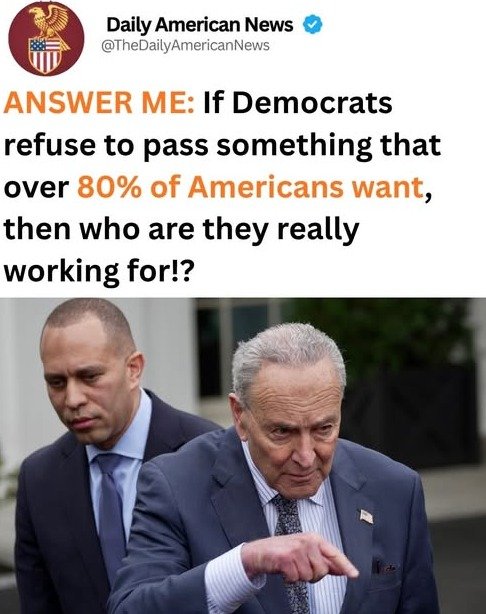
President Trump’s call for national voter ID laws seeks to standardize this process, bringing uniformity and clarity to elections across all 50 states. A national standard would eliminate the current discrepancies and ensure that every American, regardless of where they live, participates in an election governed by the same foundational security measures.
“Our elections are the bedrock of our republic. We must ensure every legal vote is counted, and that starts with knowing who is casting that vote. A national voter ID law is not just common sense; it’s essential for preserving faith in our democracy.” – A common sentiment among proponents.
A unified approach would simplify voter education campaigns, streamline election administration, and, most importantly, provide a consistent layer of protection against fraud. It would send a clear message that election security is a national priority, not just a state-by-state consideration.
Addressing Concerns: Access and Equity
Critics of voter ID laws often raise concerns about potential voter suppression, arguing that such requirements disproportionately affect certain populations, such as the elderly, low-income individuals, or minority groups, who may have difficulty obtaining acceptable identification. These are valid concerns that deserve thoughtful solutions.
The goal of voter ID should never be to disenfranchise eligible voters. Instead, it should be to verify eligibility while ensuring universal access. Proponents of national voter ID laws often advocate for accompanying measures to mitigate these concerns, such as:
- Free Identification: Providing state-issued photo IDs free of charge to any eligible voter who needs one.
- Mobile ID Units: Deploying mobile units to communities to help citizens obtain IDs easily.
- Broad Acceptance: Allowing a wide range of government-issued photo IDs (driver’s licenses, state IDs, passports, military IDs, etc.) to be acceptable.
- Provisional Ballots: Allowing voters without ID to cast a provisional ballot, which can be counted if they present valid ID within a specified timeframe.
By implementing such safeguards, a national voter ID system can achieve its primary objective of enhancing election security without creating unnecessary barriers to the ballot box. It’s about striking a careful balance between security and accessibility, ensuring that every legal vote counts and every voice is heard.
The argument is that ensuring the integrity of the vote ultimately strengthens democracy for all. When people trust the process, they are more likely to participate, and the outcomes are more readily accepted, regardless of who wins.
The Future of Election Integrity: What’s Next?
President Trump’s emphatic call for national voter ID laws reignites a crucial debate at a pivotal time for American democracy. The discussion around election integrity is not merely a political talking point; it’s a fundamental conversation about the future of our republic and the trust citizens place in their government.
As we look ahead, the push for a national standard for voter identification will undoubtedly face vigorous debate and legislative challenges. However, the consistent public support for such measures suggests that this conversation is far from over.
The demand for secure elections is a powerful and unifying force among Americans. It transcends partisan divides and speaks to a shared desire for a transparent, accountable, and trustworthy democratic process. Ensuring that every legal vote is cast by an eligible citizen, and that those votes are accurately counted, is not just an aspiration—it is a non-negotiable requirement for a healthy democracy.
Ultimately, the strength of our nation rests on the faith its citizens have in their institutions. Establishing robust national voter ID laws is seen by many as a critical step towards solidifying that faith and protecting the sanctity of every American ballot for generations to come. The time for action, many believe, is now.
Leave a Reply