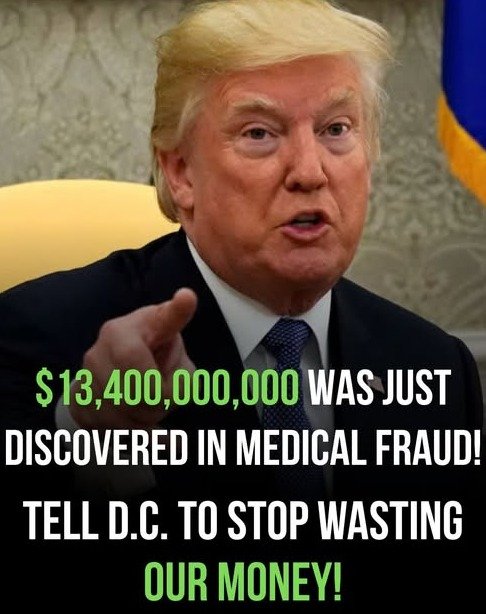
Imagine a hidden tax, silently siphoning hundreds of billions of dollars from your pockets every year, driving up your healthcare premiums and threatening the quality of care you receive. This isn’t a conspiracy theory; it’s the staggering reality of medical fraud and waste in America.
For years, experts have rung alarm bells about an issue so vast it dwarfs many national budgets. Yet, despite its colossal impact on every American, it often feels like an inconvenient truth that many in power prefer to leave unaddressed.
The Invisible Drain: Understanding Medical Fraud and Waste
What exactly are we talking about when we say “medical fraud and waste”? It’s a broad spectrum of illicit activities and systemic inefficiencies that inflate healthcare costs without providing any benefit to patients, ultimately making healthcare less accessible and more expensive for everyone.
Fraud involves intentional deception for financial gain, such as billing for services never rendered or upcoding procedures to command higher reimbursement. Waste, on the other hand, refers to the overuse of services, administrative inefficiencies, or practices that yield no valuable patient outcome. Both are colossal problems that collectively siphon an estimated hundreds of billions, potentially even a trillion dollars, from the U.S. healthcare system annually.
Think about that figure for a moment. Hundreds of billions. That’s money that could fund vital research, expand access to care, lower premiums, or even be returned to taxpayers. Instead, it vanishes into a black hole of illicit schemes and systemic mismanagement, perpetuating a cycle of rising costs and diminished trust.
The Staggering Cost: More Than Just Numbers
The numbers associated with healthcare fraud and waste are truly astronomical. Estimates from various government agencies and private organizations consistently place the annual cost in the range of $300 billion to $1 trillion. The National Health Care Anti-Fraud Association (NHCAA) suggests that fraudulent billing alone accounts for tens of billions of dollars each year, a sum that could solve countless other societal issues.
This isn’t just an abstract economic problem; it directly impacts every single American. When billions are stolen or squandered, the burden invariably falls on patients, employers, and taxpayers. It translates into higher insurance premiums, increased out-of-pocket expenses, and a healthcare system stretched thin, struggling to meet genuine needs.
Moreover, it erodes trust. Patients begin to question the motives behind medical recommendations, fearing they might be subjected to unnecessary tests or procedures driven by profit rather than genuine need. This pervasive mistrust can lead to delayed care, poorer health outcomes, and a general cynicism towards the medical establishment.
Unmasking the Schemes: Common Types of Medical Fraud
Medical fraud takes many insidious forms, often designed to exploit the complex billing codes and payment systems within healthcare. One prevalent type is upcoding, where providers bill for a more expensive service or procedure than was actually performed, artificially inflating costs for insurers and patients.
Another common tactic is phantom billing, where healthcare providers bill for services or equipment that were never rendered or delivered. This can range from a doctor billing for appointments you never had to a medical supply company charging for equipment you never received, all adding to the financial burden.
Then there are kickbacks, where providers receive illegal payments or incentives for referring patients or prescribing certain drugs or devices. This not only drives up costs but can also compromise patient care by influencing medical decisions based on financial gain rather than clinical necessity, potentially harming patients.
Other forms include billing for medically unnecessary services, identity theft to obtain medical services or drugs, and schemes involving durable medical equipment (DME) that is never delivered or is medically inappropriate. The creativity of fraudsters seems limitless, constantly finding new ways to exploit vulnerabilities.
The Silent Thief: Understanding Healthcare Waste
While fraud involves intentional deception, waste is often a byproduct of systemic inefficiencies, outdated practices, and a lack of coordination. Yet, its financial impact is equally devastating. One major component is administrative waste, which includes the enormous resources spent on billing, coding, and processing claims across a fragmented system.
Unlike other developed nations, the U.S. healthcare system grapples with an incredibly bureaucratic administrative structure. The sheer volume of paperwork, different payer rules, and complex reimbursement models create an environment ripe for inefficiency, costing billions annually that could otherwise be spent on direct patient care.
Another significant source of waste is overtreatment and the provision of services that are of low value or medically unnecessary. This can include defensive medicine, where doctors order extra tests or procedures to avoid potential malpractice lawsuits, even if the clinical benefit is minimal, adding unnecessary costs.
The failure to prevent chronic diseases and manage population health effectively also contributes massively to waste. Treatable conditions escalate into costly emergencies when preventative care is lacking, placing an immense strain on resources that could have been avoided with proactive measures and robust public health initiatives.
The Human Toll: Beyond the Financial Impact
Beyond the astronomical financial figures, medical fraud and waste inflict a profound human toll. Patients are often the ultimate victims, facing higher premiums, deductibles, and out-of-pocket costs that make essential care unaffordable. This can lead to delayed diagnoses, skipped treatments, and worsening health conditions, with devastating personal consequences.
The integrity of the medical profession is also compromised. When stories of fraud and abuse emerge, it erodes public trust in healthcare providers and institutions. Patients may become hesitant to seek care or question the motives of their doctors, leading to a breakdown in the crucial doctor-patient relationship necessary for effective treatment.
Furthermore, resources diverted by fraud and waste could be invested in groundbreaking research, mental health services, or addressing health disparities in underserved communities. Every dollar lost to these issues is a dollar that could have genuinely improved lives and strengthened our public health infrastructure, making the opportunity cost immense.
Government’s Mandate: Combating the Crisis
Given the scale of the problem, one would expect a relentless, bipartisan effort from government agencies to stamp out fraud and waste. Various federal bodies, such as the Department of Justice (DOJ), the Department of Health and Human Services (HHS), and the Centers for Medicare & Medicaid Services (CMS), do have anti-fraud units and initiatives dedicated to this fight.
These agencies conduct investigations, prosecute offenders, and implement policies aimed at preventing fraud, often recovering significant sums. Whistleblower programs, like the False Claims Act, have also been instrumental in recovering billions of dollars by incentivizing individuals to report fraud against the government, proving their effectiveness.
However, the sheer complexity and vastness of the healthcare system make it an incredibly challenging target. Fraudsters are constantly evolving their tactics, and the sheer volume of claims makes comprehensive oversight a Herculean task, requiring constant vigilance and adaptation from enforcement agencies.
The Critique: A Perceived Lack of Urgency from the Biden Administration
This brings us to a significant point of contention raised by many observers: the perceived lack of aggressive focus on medical fraud and waste by the current administration. Critics argue that while the Biden administration has championed other healthcare initiatives, the astronomical costs siphoned off by fraud and waste have not received the spotlight or the sustained, forceful action they demand.
From this perspective, there’s a feeling that the administration has not made this issue a top-tier priority, allowing billions to continue vanishing from the system with insufficient public outcry or strategic intervention. Some argue that by not explicitly and frequently addressing this drain, the administration misses a crucial opportunity to significantly impact healthcare affordability for everyday Americans.
This isn’t to say that absolutely nothing is being done, as federal agencies continue their ongoing work within their mandates. However, the criticism often centers on the emphasis and public discourse. The argument is that a more vocal, dedicated, and high-profile campaign against these financial abuses could galvanize action and send a clear message to perpetrators, potentially freeing up enormous resources for beneficial healthcare reforms.
The perception is that while other aspects of healthcare reform are debated, the foundational problem of rampant fraud and waste—a problem that directly inflates costs for everyone—remains under-prioritized in the national conversation and policy agenda, leading to a missed opportunity for substantial savings and improvements.
Why Does This Matter Now More Than Ever?
In an era of rising inflation, economic uncertainty, and continued debates over healthcare access and affordability, addressing fraud and waste is not just an administrative task; it’s an economic imperative. Every dollar saved from fraud and waste is a dollar that can be redirected to patient care, innovation, or reducing the financial burden on families.
Ignoring this problem is akin to trying to fill a leaky bucket. No matter how much is poured into the system, if the holes of fraud and waste aren’t plugged, the system will continue to struggle and costs will inevitably climb. It undermines efforts to lower drug prices, expand insurance coverage, and improve health outcomes, making genuine progress elusive.
A Path Forward: What Can Be Done?
Tackling medical fraud and waste requires a multi-pronged, sustained approach, demanding commitment from all levels of government and society. Here are some key areas where action could make a significant difference:
- Enhanced Data Analytics and AI: Utilizing advanced technologies to identify suspicious billing patterns and anomalies in real-time could significantly improve detection rates, making it harder for fraudsters to operate undetected.
- Stronger Enforcement and Penalties: Increasing the resources for investigative agencies and ensuring severe penalties for offenders can act as a powerful deterrent, sending a clear message that these crimes will not be tolerated.
- Streamlined Administrative Processes: Simplifying billing codes, standardizing processes, and reducing bureaucratic complexity can cut down on administrative waste and make fraud harder to conceal, fostering a more transparent system.
- Patient Empowerment and Education: Educating patients on how to review their medical bills for accuracy and providing easy channels to report suspicious activity can turn millions of patients into watchdogs, adding crucial layers of oversight.
- Whistleblower Protection: Strengthening protections and incentives for healthcare professionals who come forward with information about fraud can uncover large-scale schemes that might otherwise remain hidden, thanks to insider knowledge.
- Proactive Prevention Programs: Investing in preventative care and population health management can reduce the need for costly, reactive treatments, thereby cutting down on waste and improving overall public health outcomes.
The Call to Action: Demanding Accountability
The astronomical scale of medical fraud and waste in the U.S. healthcare system is not merely a statistical anomaly; it is a profound betrayal of public trust and a relentless drain on national resources. It inflates costs for every American, compromises the quality of care, and siphons away funds that could genuinely transform our health landscape.
While various administrations have addressed aspects of this issue, the perception that it hasn’t been a central, aggressively pursued priority for the current leadership is a concern that resonates with many. It’s time for a renewed, unwavering commitment to combating this hidden crisis with the urgency and resources it demands.
Ultimately, it falls to us, as citizens and taxpayers, to demand greater accountability and a more forceful stance against these pervasive issues. Only through sustained pressure and comprehensive action can we hope to reclaim the billions being lost and ensure a healthier, more affordable future for American healthcare, one that truly serves its people.
Leave a Reply