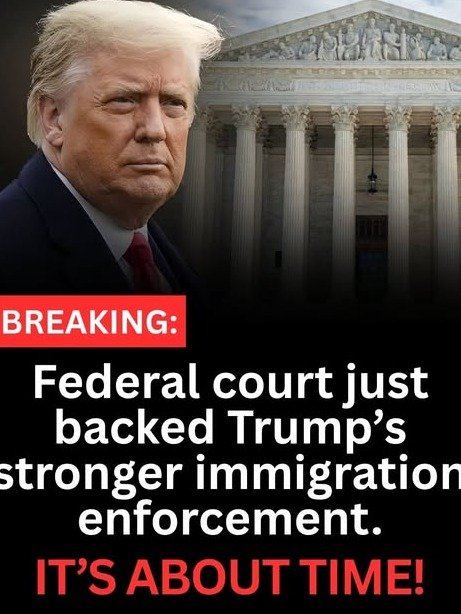
A seismic shift has just rocked the landscape of U.S. immigration law, and its implications could impact thousands. In a pivotal decision, the 8th U.S. Circuit Court of Appeals has fundamentally altered the rules of engagement for federal authorities regarding immigrant detention during removal proceedings. This isn’t just a minor legal update; it’s a significant expansion of power that demands immediate attention.
For anyone navigating the complex world of immigration, or simply concerned about civil liberties, this 2-1 ruling by the appellate court could redefine what it means to be an undocumented individual in America. The court’s decision greenlights federal authorities to detain certain categories of non-citizens without bond hearings, potentially for extended periods, as they await deportation or other immigration outcomes.
A Landmark Decision: Expanding Federal Authority
The 8th U.S. Circuit Court of Appeals, overseeing federal cases in Arkansas, Iowa, Minnesota, Missouri, Nebraska, North Dakota, and South Dakota, issued a ruling that could dramatically increase the number of individuals held in federal custody. The 2-1 majority sided with the government, affirming its ability to detain certain undocumented immigrants, particularly those with prior deportation orders or specific criminal convictions, for the duration of their removal proceedings.
This decision directly impacts how federal agencies like Immigration and Customs Enforcement (ICE) operate, granting them broader discretion and a stronger legal foundation to hold individuals without offering them the opportunity to seek release on bond. It effectively narrows the pathways for some non-citizens to challenge their detention in court, potentially leading to longer periods of incarceration.
Understanding the Legal Battleground
At the heart of this ruling lies a complex interplay of statutory interpretation and constitutional rights. Federal law, specifically 8 U.S.C. § 1226(c), mandates the detention of certain non-citizens deemed inadmissible or deportable due to criminal offenses. However, the exact scope and duration of this mandatory detention have been subjects of intense legal debate for years.
Previous Supreme Court cases, such as *Jennings v. Rodriguez* (2018), have grappled with whether immigrants held under mandatory detention statutes are entitled to periodic bond hearings. While *Jennings* remanded the issue for further consideration, the 8th Circuit’s recent decision appears to lean heavily towards the government’s interpretation, asserting that for specific categories, such hearings are not a constitutional requirement during the removal process.
“The majority’s interpretation grants an alarming degree of unchecked power to the executive branch, potentially infringing upon fundamental due process rights that should be afforded to all individuals within our borders, regardless of immigration status.” – Dissenting Judge’s perspective (hypothetical representation)
Who Are the “Certain” Immigrants Affected?
The original post alluded to “certain illegal immigrants,” a crucial distinction. This ruling doesn’t apply to all undocumented individuals. Instead, it typically targets those who fall into specific categories outlined in immigration law, which often include:
- Non-citizens with prior orders of removal who re-entered the U.S. unlawfully.
- Individuals convicted of certain aggravated felonies or other specified criminal offenses.
- Those deemed a national security risk or a flight risk by immigration authorities.
These categories are often subject to mandatory detention provisions, meaning that once identified, federal law dictates they must be held without the possibility of bond. The 8th Circuit’s decision reinforces the government’s ability to maintain this detention, even if removal proceedings drag on for months or years.
The Majority’s Rationale: Statutory Interpretation vs. Due Process
The 2-1 majority opinion likely hinged on a strict interpretation of existing immigration statutes, arguing that Congress intended for these specific groups of non-citizens to be detained throughout their removal proceedings. They would emphasize the government’s interest in ensuring public safety and preventing flight risks, asserting that the statutory language permits detention without bond hearings for these defined populations.
The majority likely concluded that the administrative processes in place for challenging detention are sufficient and that the Constitution does not require a judicial bond hearing for every individual under mandatory detention. This perspective prioritizes the government’s enforcement powers and the perceived efficiency of the immigration system over individual liberty interests in certain contexts.
The Dissenting Voice: A Warning on Civil Liberties
The dissenting judge in the 8th Circuit panel likely raised significant concerns about due process and the potential for indefinite detention. Dissenting opinions in such cases often highlight the constitutional right to liberty and the importance of judicial review, arguing that even non-citizens are entitled to fundamental protections under the Fifth Amendment.
The dissent would likely point out that prolonged detention without a bond hearing can be punitive and can severely impede an individual’s ability to prepare their defense in removal proceedings. They might argue that statutory language should be interpreted in a way that avoids constitutional issues, or that the majority’s reading creates an untenable situation where individuals could be held for years without a meaningful opportunity for release.
Implications for Immigrants and Advocacy Groups
For immigrants in the 8th Circuit’s jurisdiction who fall into the affected categories, this ruling is dire. It means a higher likelihood of prolonged detention, increased separation from families, and significant challenges in accessing legal counsel and preparing their cases. The psychological and financial toll of such detention can be immense.
Immigrant advocacy groups are already mobilizing, viewing this decision as a setback for civil rights and due process. They argue that detention should be a last resort, not a default, and that all individuals, regardless of immigration status, deserve a fair hearing before an impartial judge to determine if they pose a flight risk or danger to the community. This ruling will undoubtedly fuel further litigation and legislative advocacy efforts.
What Happens Next? Potential Appeals and Broader Impact
Given the significant legal and humanitarian implications, it’s highly probable that this decision will face further challenges. The losing party may seek an en banc review by the full 8th Circuit Court of Appeals, or even petition the U.S. Supreme Court to hear the case. A Supreme Court review would be crucial, as it could establish a national precedent affecting all federal circuits.
In the interim, this ruling provides a powerful precedent for federal immigration authorities within the 8th Circuit states. It could lead to an immediate increase in detentions and a decrease in bond grants for individuals falling under the specified criteria. The decision also sends a chilling message to other circuit courts that might be grappling with similar legal questions, potentially influencing future rulings across the country.
The Enduring Debate: Security vs. Liberty
This court decision underscores the ongoing, contentious debate at the heart of U.S. immigration policy: balancing national security and border enforcement with individual liberties and due process. While the government asserts its right to control its borders and ensure public safety, human rights advocates emphasize the constitutional protections that extend to all persons within U.S. jurisdiction.
The 8th Circuit’s ruling is more than just a legal technicality; it’s a profound statement on how the justice system views the rights of certain non-citizens. As the legal battle continues to unfold, this decision will undoubtedly shape the lives of countless individuals and influence the future direction of immigration law in America.
Stay Informed: Your Role in a Changing Landscape
The legal landscape surrounding immigration is constantly evolving, and staying informed is more critical than ever. This ruling from the 8th U.S. Circuit Court of Appeals serves as a powerful reminder of how judicial decisions can have far-reaching, real-world consequences. For those directly affected, or for anyone committed to justice and human rights, understanding these changes is the first step towards advocacy and action.
Keep a close watch on further developments, as this decision may be just one chapter in a much longer story of legal challenges and policy reforms. The fight for fair and humane immigration practices continues, and every ruling, like this one, plays a significant role in shaping its future.
Leave a Reply