Imagine a government agency responsible for protecting your borders, responding to disasters, and safeguarding critical infrastructure suddenly facing a potential shutdown. That’s not a hypothetical scenario; it’s the very real threat looming over Washington D.C. right now, all because of a fierce battle over the Department of Homeland Security’s budget. This isn’t just another political squabble; it’s a high-stakes showdown with direct implications for national security and the everyday lives of millions.
The Department of Homeland Security (DHS) is often at the epicenter of America’s most contentious political debates, and its funding is no exception. Currently, a bitter partisan divide has plunged Congress into a perilous stalemate, with critical government operations hanging in the balance. This isn’t merely about numbers on a ledger; it’s about deeply entrenched ideological differences colliding with the practical necessities of keeping our nation safe.
Understanding the Department of Homeland Security’s Crucial Role
Before diving into the funding fracas, it’s vital to grasp the sheer breadth and importance of the DHS. Established in the wake of the September 11th attacks, its mission is expansive and multifaceted. From securing our borders and airports to responding to natural disasters and combating cyber threats, DHS is a sprawling entity touching almost every aspect of national security and public safety.
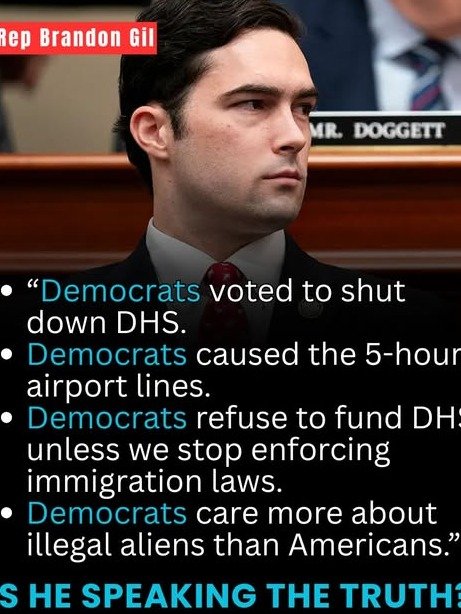
Think of the diverse agencies operating under the DHS umbrella: U.S. Customs and Border Protection (CBP), Immigration and Customs Enforcement (ICE), the Transportation Security Administration (TSA), the Secret Service, the Federal Emergency Management Agency (FEMA), and the U.S. Coast Guard, among others. Each plays a distinct, indispensable role in protecting the homeland. A funding disruption for DHS doesn’t just affect one area; it sends ripples across a vast network of vital services.
The Core of the Conflict: Ideology Meets Budget
At the heart of Washington’s latest clash over DHS funding lies a profound ideological chasm, primarily centered on immigration and border security policies. One side often demands robust funding for border enforcement, including physical barriers and increased personnel, viewing these measures as essential for national sovereignty and safety. They argue that a secure border is non-negotiable and requires significant investment.
On the other hand, many lawmakers and advocacy groups express deep concerns about the humanitarian aspects of immigration policy, the treatment of asylum seekers, and the perceived overreach of enforcement agencies. They advocate for funding that prioritizes processing efficiency, humanitarian aid, and alternative border management strategies, often pushing back against what they see as militarization of the border.
Leave a Reply