Have you ever picked up a package at the grocery store, seen the words “Product of USA,” and felt a surge of confidence, believing you were supporting American farmers and businesses? What if we told you that label might not have meant what you thought it did? A groundbreaking new rule is about to redefine what “Product of USA” truly signifies, and it’s going to impact your shopping cart in ways you might not expect.
For years, the definition of “Product of USA” has been surprisingly flexible, leading to widespread consumer confusion and, frankly, frustration. But all that is changing. The U.S. Department of Agriculture (USDA) has announced a significant update, tightening the criteria so that only products genuinely born and bred on American soil can bear this coveted label. This isn’t just a tweak; it’s a complete overhaul designed to bring transparency and integrity back to your food choices.
The Shady Past: Why the Label Needed Fixing
Before this new regulation, the “Product of USA” label on meat products, for instance, could be applied even if the animal was born and raised in another country, as long as it was merely processed or packaged within the United States. Imagine a steak from a cattle born in Mexico, fattened in Canada, and then simply cut and wrapped in a U.S. facility – it could still carry the “Product of USA” claim. This loose interpretation created a significant loophole, allowing producers to capitalize on consumer patriotism without fully delivering on the promise of American-sourced goods.
This ambiguity wasn’t just misleading for consumers; it also created an uneven playing field for American ranchers and farmers who genuinely raise their livestock domestically. They faced competition from products that could leverage the “USA” label without incurring the full costs or adhering to the same standards of an entirely domestic supply chain. The old rule, or lack thereof, essentially diluted the value of true American-made products.
Understanding the Game-Changing New Rule
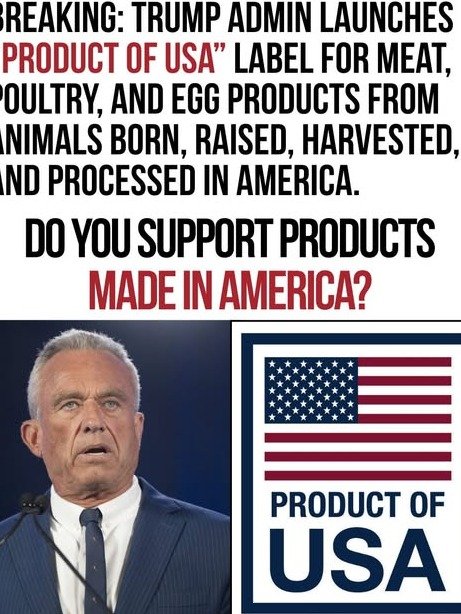
The USDA’s updated policy, which takes effect on January 1, 2026, mandates that for a meat, poultry, or egg product to be labeled “Product of USA” or “Made in USA,” all steps of the production process must occur in the United States. This means the animals must be born, raised, slaughtered, and processed within U.S. borders. This comprehensive approach leaves no room for misinterpretation.
This stricter definition aims to eliminate the previous loopholes entirely. It’s a clear, unambiguous standard that ensures when you see “Product of USA,” you can be confident that every stage of that product’s journey, from farm to packaging, has taken place domestically. This is a monumental win for consumer trust and for American agriculture.
“This final rule will ensure that when consumers see ‘Product of USA’ on the label, they can trust that all steps involved in the production of that meat, poultry, and egg product happened in the United States,” said USDA Secretary Tom Vilsack. “This new labeling rule provides a clear and accurate representation of the product’s origin, allowing consumers to make informed purchasing decisions and supporting the American farmers and ranchers who work tirelessly to provide us with high-quality food.”
Why This Matters to YOU, The Consumer
For too long, consumers have been operating under assumptions that didn’t align with reality. This new rule empowers you with genuine transparency. When you choose a product bearing the “Product of USA” label under the new guidelines, you are actively making a choice to:
- Support American Farmers and Ranchers: Your purchase directly contributes to the livelihoods of those who raise and process food within the U.S.
- Ensure Higher Standards: U.S. agricultural practices often adhere to stringent environmental, animal welfare, and food safety standards.
- Promote Economic Growth: Buying American helps bolster the domestic economy, creating jobs and fostering local communities.
- Gain True Transparency: No more guessing games. The label will now be a reliable indicator of origin.
This isn’t just about patriotism; it’s about informed decision-making. Knowing exactly where your food comes from allows you to align your purchasing power with your values, whether they involve supporting local economies, environmental stewardship, or specific ethical farming practices.
The Impact on American Producers and the Supply Chain
While this rule is a boon for consumers, it also presents both opportunities and challenges for producers. For American farmers and ranchers who already operate fully within the U.S., this rule is a welcome validation. It protects their market share from misleadingly labeled foreign products and allows them to proudly differentiate their goods.
However, some segments of the industry that previously relied on imported livestock for processing will need to adapt. This might involve restructuring supply chains, increasing domestic sourcing, or adjusting their labeling practices for products that don’t meet the new criteria. The transition period until January 2026 is crucial for these businesses to make necessary adjustments without disrupting their operations or the market.
Addressing Potential Challenges and the Road Ahead
Implementing such a significant change isn’t without its hurdles. Critics might raise concerns about potential increases in production costs, which could theoretically translate to higher prices for consumers. There could also be initial complexities in tracking and verifying the origin of every ingredient, especially in multi-ingredient products.
However, the USDA has indicated that the benefits of enhanced consumer confidence and fair competition far outweigh these potential challenges. The rule is designed to be enforceable, with clear guidelines for compliance and penalties for mislabeling. Furthermore, the two-year implementation window provides ample time for the industry to adapt and for the USDA to clarify any ambiguities that may arise.
Beyond Meat: What Else Could This Mean?
While the initial focus of this rule is on meat, poultry, and egg products, its implications could extend further. This move sets a powerful precedent for transparency in food labeling across the board. It signals a growing demand from consumers for clear, honest information about where their food comes from, and it suggests that other industries might face similar calls for stricter origin labeling in the future.
Imagine a world where “Product of USA” on fruits, vegetables, or even processed foods holds the same uncompromising meaning. This new USDA rule could be the first domino in a broader movement towards greater accountability and clarity in the global food supply chain, empowering consumers like never before.
Don’t Miss Out: What You Need to Do Next
The new “Product of USA” rule is more than just bureaucratic red tape; it’s a seismic shift in how we understand and trust our food labels. As January 1, 2026, approaches, it’s essential to stay informed about these changes. Pay close attention to product labels and be aware of what this powerful claim now truly represents.
This is your chance to make a real difference with your purchasing power. By understanding and valuing the new “Product of USA” label, you’re not just buying groceries; you’re investing in American agriculture, supporting local economies, and demanding the transparency you deserve. Don’t let this crucial update pass you by – your shopping habits are about to get a whole lot more impactful!
Leave a Reply