Suddenly, it feels like every news channel, every social media feed, and every dinner table conversation is circling back to one topic: immigration and citizenship. These aren’t just abstract policy discussions; they are deeply personal, often emotional, and profoundly shape the societies we live in.
From bustling metropolises to quiet rural towns, the arguments are reigniting with an intensity that demands our attention. Why are these debates, which seem to simmer perpetually beneath the surface, now boiling over once again? What forces are driving this resurgence, and what are the real stakes involved for individuals, communities, and nations?
The Resurgence of a Perennial Debate
Immigration and citizenship are not new topics. They are foundational to the history of almost every nation, defining who belongs, who contributes, and who is afforded rights and responsibilities. However, the current wave of discussion feels different, charged with a unique blend of global instability, economic anxiety, and rapidly shifting social landscapes.
We are witnessing a complex interplay of factors: geopolitical conflicts displacing millions, economic pressures creating both labor shortages and fears of job displacement, and the ever-present challenge of integrating diverse populations into existing social structures. These elements combine to create a potent mix, pushing these issues to the forefront of political discourse worldwide.
Global Forces at Play: Why Now?
Several significant global events and trends have converged to amplify the immigration and citizenship debate. Ongoing conflicts in regions like Ukraine, the Middle East, and parts of Africa have led to unprecedented levels of displacement, creating humanitarian crises that ripple across continents and challenge established asylum systems.
Simultaneously, economic shifts are undeniable. Many developed nations face aging populations and declining birth rates, leading to critical labor shortages in essential sectors. This creates a compelling argument for immigration as an economic necessity, yet it often clashes with public concerns about strain on public services or competition for jobs.
Economic Impacts: Boon or Burden?
The economic impact of immigration is perhaps one of the most hotly contested aspects of the debate. Proponents often highlight the vital role immigrants play in filling labor gaps, boosting innovation, and contributing to economic growth through entrepreneurship and consumption. They point to studies showing that immigrants often have higher rates of business creation and contribute significantly to tax revenues.
Conversely, critics raise concerns about the potential strain on public resources like healthcare, education, and social services. They also voice fears about wage depression in certain low-skilled sectors or the burden on welfare systems. Understanding these competing narratives requires a nuanced look at data and a willingness to consider both the macro and micro economic effects.
“Immigration is not just about numbers; it’s about the very fabric of our societies and economies. Its true impact is multifaceted and often depends on how effectively nations manage integration and policy.”
Social Integration and National Identity
Beyond economics, the social and cultural dimensions of immigration are profoundly significant. How do new arrivals integrate into host societies? What role do language, cultural practices, and religious beliefs play in this process? These questions touch upon the very definition of national identity and social cohesion.
Some argue for a multicultural approach, celebrating diversity and the enrichment it brings to society. Others advocate for stronger assimilation policies, emphasizing shared values and traditions as crucial for national unity. The tension between these perspectives often fuels heated discussions about education, public spaces, and community relations.
Border Security and Sovereign Control
At the heart of many immigration debates lies the fundamental question of border security and a nation’s sovereign right to control who enters its territory. Images of border crossings, both legal and irregular, dominate media coverage, often stirring strong emotions and political rhetoric.
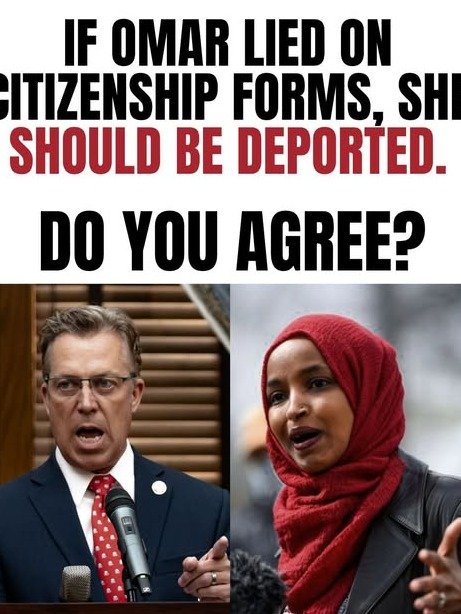
Governments grapple with the challenge of securing borders while upholding humanitarian principles for asylum seekers and refugees. The development of advanced surveillance technologies, debates over physical barriers, and the effectiveness of various enforcement strategies remain central to policy discussions, often reflecting deep ideological divides.
Pathways to Citizenship: Defining Belonging
Once individuals have migrated, the question of citizenship becomes paramount. What are the pathways to becoming a full member of a society, enjoying all the rights and responsibilities that come with it? Policies vary widely, encompassing birthright citizenship (jus soli), citizenship by descent (jus sanguinis), naturalization processes, and residency requirements.
The ease or difficulty of acquiring citizenship can have profound implications for immigrants’ integration, their sense of belonging, and their ability to participate fully in civic life. Debates often focus on the length of residency required, language proficiency tests, knowledge of national history, and the overall fairness and transparency of the process.
- Birthright Citizenship: A contentious issue in many countries, particularly those with high levels of undocumented immigration.
- Naturalization: The process by which a non-citizen voluntarily becomes a citizen, often involving various requirements.
- Dual Citizenship: The practice of holding citizenship in two or more countries, which some view as a strength and others as a potential conflict of loyalty.
The Political Battleground
It’s impossible to discuss immigration and citizenship without acknowledging their central role in political campaigns and electoral outcomes. These issues frequently become wedge topics, used by political parties to mobilize their base and differentiate themselves from opponents.
From populist movements advocating for stricter controls to progressive voices championing more open and compassionate policies, the political spectrum is deeply divided. This politicization often complicates efforts to find common ground and implement comprehensive, long-term solutions, leading instead to reactive and fragmented approaches.
Human Rights and International Law
Underpinning many discussions are fundamental questions of human rights and international law. Treaties like the 1951 Refugee Convention and various human rights declarations provide frameworks for how nations should treat migrants, asylum seekers, and refugees, regardless of their legal status.
However, the interpretation and implementation of these laws are often subject to intense debate, particularly when national interests or security concerns are perceived to clash with international obligations. Balancing sovereignty with humanitarian responsibilities remains a constant challenge for policymakers worldwide.
Finding Common Ground: A Path Forward?
Given the complexity and emotional charge of these debates, is there a path forward that can bridge divides and foster constructive solutions? Many experts suggest that a comprehensive approach is needed, one that moves beyond simplistic rhetoric and addresses the multifaceted nature of immigration.
This might involve investing in robust integration programs, streamlining legal immigration pathways, strengthening international cooperation on refugee crises, and fostering public education to combat misinformation. It also requires a commitment from all sides to engage in respectful dialogue, acknowledging the legitimate concerns of different groups.
Your Role in the Conversation
These debates are not just for politicians and policymakers; they affect us all. Understanding the different perspectives, challenging our own biases, and seeking out reliable information are crucial steps for every citizen. The future of our societies will be shaped by how we collectively choose to navigate these complex issues.
Whether you see immigration as an economic engine, a humanitarian imperative, or a national security concern, one thing is clear: these discussions are not going away. They are a defining feature of our modern world, and our engagement with them will determine the kind of societies we build for generations to come. Don’t just watch from the sidelines; understand what’s at stake.
Leave a Reply