Beneath the constant political rhetoric and the ‘blame game’ headlines, a silent crisis is unfolding, threatening the very fabric of our nation. While politicians bicker, the real-world consequences of a government shutdown are cascading, impacting everything from your next flight to the security of the country. This isn’t just about abstract numbers or political maneuvering; it’s about the lives of millions of federal workers and the essential services that keep America running.
You might hear about a ‘shutdown’ and think it’s just another Washington squabble, but the truth is far more unsettling. The ripple effects touch every corner of our society, often in ways that aren’t immediately obvious. From compromised national security to economic instability, the stakes are incredibly high, and the longer the stalemate persists, the deeper the damage becomes.
The Political Stalemate: A Deep Dive into the Blame Game
At the heart of every government shutdown lies a fundamental disagreement over funding, policy, or both. In this ongoing crisis, the political stage is set for a fierce battle of wills, with each side firmly entrenched in their positions. Republicans often advocate for fiscal conservatism, reduced spending, and specific policy priorities, such as border security funding, arguing that these measures are critical for national sovereignty and economic health.
Conversely, Democrats typically emphasize the importance of social programs, robust government services, and a more comprehensive approach to national challenges, often resisting cuts to agencies or specific funding allocations. The resulting gridlock is not merely a procedural hiccup; it’s a profound failure of governance that leaves millions in limbo. Both parties dig in, convinced that yielding will be seen as a sign of weakness, thus perpetuating the cycle of inaction.
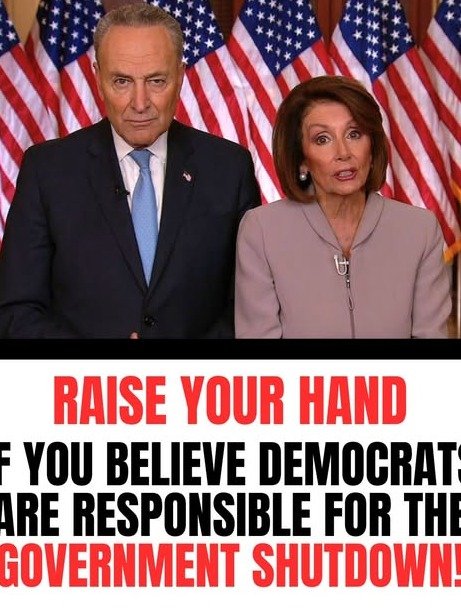
This political tug-of-war isn’t new, but its frequency and intensity seem to be increasing, turning crucial budget negotiations into high-stakes poker games. The American public, often caught in the middle, watches as essential services are held hostage by partisan divisions. The ‘blame game’ becomes a political strategy itself, with each side meticulously crafting narratives to cast their opponents as the obstructionists, further polarizing the debate.
Federal Workers on the Brink: A Human Crisis Unfolding
Perhaps the most immediate and heartbreaking impact of a government shutdown is felt by the hundreds of thousands of federal employees. Many are deemed ‘essential’ and forced to work without pay, while others are furloughed, meaning they are sent home indefinitely, with no income. Imagine showing up for work every day, performing critical duties, knowing your paycheck won’t arrive, or being told you can’t work at all, with bills piling up.
This financial uncertainty creates immense stress, forcing families to make impossible choices between rent, groceries, and medical care. Personal savings quickly dwindle, and the long-term emotional and psychological toll can be devastating. Beyond the immediate financial strain, morale plummets, and the government risks losing talented individuals who seek more stable employment elsewhere. This ‘brain drain’ can have lasting negative consequences for the efficiency and expertise of federal agencies.
Leave a Reply