The police cruiser’s strobes painted the living room walls in rhythmic, violent flashes of blue. I stood by the bay window, my fingers tracing the jagged, empty space where the glass pane had been until Richard’s fist shattered it three minutes ago. Outside, the neighbors were silhouettes against the streetlamps, their hushed whispers carrying over the hum of the engine.
Richard slumped on the porch steps, his breathing ragged, his hand dripping blood onto the porch boards. He didn’t look like a master of the universe anymore; he looked like a man realizing the gravity of his own performative rage.
“I didn’t mean to,” he croaked, his voice cracking like dry parchment.
I didn’t answer. I watched his knuckles throb, feeling a cold, clinical detachment take root in my chest. He expected me to rush over with bandages and apologies, to perform the role of the devoted, terrified wife. That version of me died the moment the cake hit the grass. I turned away from him, my gaze settling on the suitcase already waiting by the door. If he wanted to break things, he could start with his own life. My daughter was in the car, and I was finally leaving.
The mornings in our rental back then were defined by the specific, aggressive whine of the espresso machine. It was a cheap, rattling thing Richard had bought on discount, claiming that learning to operate “finicky equipment” was a lesson in patience I clearly lacked. I stood in the galley kitchen, the linoleum cold beneath my bare feet, waiting for the dark sludge to drip into the chipped ceramic mug. Outside, the Long Island suburb was still gray, the lawn wet with dew, the neighbors’ trash cans lined up like soldiers against the curb. It was a Tuesday, a day of absolute, suffocating predictability.
I heard the heavy, rhythmic thud of Richard’s footsteps on the stairs. He descended with a practiced heaviness, a man who believed his presence should be felt in the floorboards.
Maya, he called out, the sound of his voice hitting the back of my neck like a cold draft. Is the coffee ready, or are you still staring at the wall?
I didn’t turn around. I added a splash of milk, watching the white swirl disappear into the brown. It’s ready, I said, my voice thin, carefully modulated to avoid the default he called argumentative.
He leaned against the doorframe, his tie undone, eyes already scanning the room for something to critique. You missed a spot on the counter, he noted, pointing at a single, dried droplet of grounds near the sink. You really need to focus, Maya. Everything is a reflection of how you manage this house.
I reached for a paper towel, wiping the spot until the friction burned my fingertips. I’m sorry, I murmured. I’ll be more thorough.
I felt the familiar, dull ache in my chest—the price of admission for a life that was supposed to be grounded and modest. I told myself this was the cost of escaping my family’s shadow, of finding something real. If I just kept my head down, if I just kept the counters clean and the coffee hot, the world would remain small enough to navigate. I took a sip of the bitter coffee, the heat doing nothing to settle the nausea that lived in my stomach. I looked at the wall clock. 7:42 AM. I had exactly twelve minutes to get Lily dressed and out the door before the commute turned into a gauntlet of traffic and Richard’s lecture on fiscal responsibility.
I stepped into the hallway, smoothing my skirt, preparing to face the day’s performance. I needed to pick up the dry cleaning, stop by the office printer to finish the project files for the hotel account, and smile at the neighbors when they asked about our weekend plans. I practiced the smile in the hallway mirror—a polite, vacant expression that gave nothing away.
I was reaching for my bag when the silence of the house was shattered.
It wasn’t a knock. It was the sharp, jagged trill of the landline—a phone we rarely used, reserved for banks and emergencies. The sound was so jarringly loud in the quiet kitchen that I jumped, my hand colliding with the side of the cabinet. Richard stopped mid-stride, his head snapping toward the device on the wall as if it were a bomb waiting to detonate. The ringing continued, steady and insistent, slicing through the mundane gray of the morning. I froze, my hand hovering just inches from the receiver, a sudden, inexplicable coldness crawling up my spine.
I didn’t reach for the phone. Richard did. He moved with a predatory quickness, his fingers closing around the plastic handset before the second ring could finish. He held it to his ear, his jaw tightening into a hard, white line. I watched the pulse at his temple, a frantic, rhythmic tapping that betrayed the calm veneer he wore like a mask.
Who is this? Richard demanded, his voice a low, gravelly snarl.
He listened for a long moment, his eyes shifting toward me—sharp, suspicious, and hungry for a weakness to exploit. The silence on his end stretched, punctuated only by the distant, muffled cadence of a man speaking on the other side of the line. Richard’s face paled, then flushed a mottled, dangerous red.
That is not possible, he snapped, his voice rising, shedding its careful suburban modulation. I have the documents. I have the control.
He didn’t wait for a response. He slammed the receiver back onto the cradle, but the force of the motion knocked the phone clean off the wall bracket. It dangled by its coiled cord, swinging back and forth, a metronome counting down to something I had spent years trying to predict.
What was that, Richard? I asked, keeping my voice level, though my heart was hammering against my ribs like a trapped bird.
He didn’t answer. He turned, his gaze landing on the small, glass vase sitting on the kitchen island—a cheap, decorative thing I’d bought at a garage sale. His hand shot out, sweeping it off the granite with a violent grace. The glass hit the floor and exploded, shards skittering across the linoleum like teeth. Lily, huddled in the breakfast nook with her coloring book, let out a sharp, startled cry.
Don’t you ever ask me what that was, he hissed, stepping over the glass toward me. His shadow loomed, broad and suffocating. You are a guest in this life, Maya. Do not forget who holds the lease.
I looked at the shards reflecting the harsh fluorescent overheads. My hands were steady, miraculously so. The fear that had defined my marriage for seven years—that cold, heavy lump in my stomach—suddenly crystallized into something else. It was no longer a cage; it was a boundary line.
I am going to get the broom, I said, my voice empty of the usual tremor.
I didn’t wait for his permission. I walked past him, feeling the heat of his anger radiating like a furnace, but I didn’t flinch. As I reached the pantry, I saw my reflection in the dark glass of the oven door. I didn’t look like a wife; I looked like a stranger, someone waiting for the right moment to reclaim her own name.
The incident was minor, a broken vase and a shouted threat, but the air in the room had shifted. I stepped over the glass, the crunch under my heels sounding like an ending. It was time to leave.
I sat in the cold hallway of the clinic, the linoleum smelling of industrial bleach and suppressed panic. My phone vibrated against my thigh, a persistent, jagged rhythm. I stared at the screen: Uncle Julian. I pressed it to my ear, listening to the static of his impatience. He told me the trust was frozen, that Richard had somehow filed an injunction against my personal holdings, claiming I was mentally unstable. He sounded smug, as if my misery were a predictable market fluctuation. I thanked him for the update and hung up before he could offer me a sedative. I told myself he was a liar, but he was a Sterling; he only spoke in facts, even when he twisted them into traps.
I walked to the reception desk. The nurse, a woman with tight curls and an even tighter mouth, didn’t look up from her chart. I asked about the timeline of Richard’s arrival yesterday, the official log of his visit to the pediatric ward. She sighed, a wet, rattling sound, and told me he hadn’t been in the building since Tuesday. I felt the floor tilt. Tuesday was the day I had spent entirely with Lily in the park, far from the ward. She handed me a printout, and there it was: a signature, arrogant and sloped, dated yesterday at four o’clock. The handwriting was his, but the ink was a different shade. I put the paper in my bag and walked out, my heart hammering against my ribs like a trapped bird.
I drove to the hotel on 5th, the one where he kept his secondary office. The valet, a boy who looked like he’d never seen a real problem, tried to wave me off. I tipped him fifty dollars—a small portion of the emergency cash I’d kept in a hollowed-out book—and he suddenly remembered the blue sedan parked in the loading zone. He said Richard had checked out at three, accompanied by a woman with a blonde bob. My pulse steadied. Vanessa. The valet added that they left in a hurry, leaving behind a suitcase full of shreddings. I drove to the industrial district, following the address he had once bragged about as his private server farm.
The gate was locked, but the chain was loose. I climbed through, my skirt catching on the links, leaving a thread behind. A man was loading a van, his back to me. When I called his name, he dropped a heavy plastic bin. He turned, eyes wide, and insisted he’d never heard of a Richard Vance. He said he was just moving equipment for a defunct catering company. I saw the stacks of legal documents in the back of his van, clearly labeled with the Sterling crest. He wasn’t a caterer; he was a courier for the family’s legal team. He looked at me, then at the documents, and offered a weak, terrified smile. He told me he’d been paid to burn everything. I realized then that my uncle and my husband were playing the same game, just on different sides of the board. I didn’t say another word. I walked back to my car, the reality of the contradiction settling into my bones: no one was telling the truth, and everyone was afraid of what I would do when I finally stopped listening.
The kitchen smelled of burnt sugar and the lingering, metallic tang of Richard’s cologne. I set my keys on the granite island, the sound sharp as a gavel. Richard stood by the floor-to-ceiling window, staring at the manicured lawn where Lily was playing, her laughter muffled by the double-paned glass. He didn’t turn when I entered, but his shoulders hiked toward his ears, a rigid, defensive posture he wore like armor. I walked to the counter and picked up the stack of mail he had deliberately left splayed out—bank notices, legal summonses, the red-lettered warnings from creditors he had ignored for months to protect his crumbling pride.
My heart didn’t race. It settled into a cold, rhythmic thrum. I remembered the nights I spent scrubbing his stains out of carpets while he lectured me on the value of humility. I thought of the billions sitting in a trust I had spent years pretending didn’t exist, a sleeping giant I was now finally prepared to wake. If I walked away now, I would be the woman he wanted—the one who cleaned up the mess and apologized for the dirt. If I stayed, I would be the woman he feared, the one who owned the ground he stood on.
I walked behind him. He stiffened further, his reflection in the glass twitching with a sudden, sharp intake of breath. He began to spin, his mouth already opening to issue the usual correction about my tone, my posture, or the way I handled the household accounts. He looked at me, his eyes wide and vacant, searching for the familiar flicker of submission he had relied on to keep his world upright. I didn’t flinch. I didn’t look down. I simply reached into my coat pocket, pulled out the digital key card to the Sterling estate, and placed it on the marble counter between us.
I looked at him, truly looked at him, and whispered, I am the one who pays for your silence.
The marble counter was cold, but my hands were steady. Richard’s gaze dropped to the embossed metal of the key card, his composure fracturing in real-time as the weight of the Sterling crest finally registered. He didn’t see the card; he saw the end of his version of reality. My mind didn’t linger on his panic. Instead, it vaulted backward, skipping over the years of domestic performance and landing firmly in the sterile, high-ceilinged nursery of my childhood, where the air always smelled of floor wax and lilies.
My father was standing by the window, his silhouette a jagged cut against the Manhattan skyline. He was holding a glass of scotch, his thumb tracing the rim. I was seven, clutching a torn drawing of a house with a yellow door. I approached him, eager to show him the color I had chosen. He didn’t turn around. He simply said, Maya, never show your hand until the board is set. That was the lesson. Always keep a reserve. Always cultivate the capacity to leave, even when you have nowhere to go. I had tucked the drawing into my pocket, the paper crinkling under my grip, and realized then that love was a tactical error.
The memory shifted to the boarding school in Switzerland. The dining hall was a cavern of polished mahogany and hushed, sharp-edged laughter. I was sixteen, wearing the required wool blazer that scratched the back of my neck. My brother, Julian, sat across from me, picking at a plate of overcooked trout. He looked at me, his eyes dark with a kind of predatory sympathy. You think you’re hiding, he whispered, leaning in so the other girls wouldn’t hear. But the Vances of the world, the ones who crave status, they have a nose for blood. They can smell the money, even if you bury it in a waitress’s apron. I had laughed it off, convinced I was smarter than the legacy. I decided then to prove him wrong, to shed the Sterling name like a dead skin, and to find someone who saw me—only me—without the baggage of the trust.
I chose Richard in a diner in Queens. He was loud, expansive, and wore his ambition like a cheap cologne. When he first asked me what I did, I told him I was a barista. He looked at my hands, unimpressed by the absence of diamonds, and asked if I knew how to count change. I felt a surge of pride, a perverse satisfaction that he was judging me for being small. I thought it was freedom. We married in a courthouse, just the two of us, his mother Olivia standing in the back row, her lips pulled into a thin, tight line that looked like a scar. She walked up to me after the judge finished, her hand gripping my forearm with surprising force. You are a project, she said, her voice a low hum of malice. My son likes to mold things. I smiled, thinking I was the one doing the molding, that I was crafting a quiet, simple life where my money could stay in the shadows and I could be a woman who simply existed.
The warning signs came in the form of small, jagged cuts. Three years into the marriage, we were in our cramped apartment. I had left a pile of mail on the counter—official correspondence from the bank regarding the Sterling dividends I had long ignored but never liquidated. Richard swept them into the trash before I could reach them. You don’t need to worry about the overhead, he said, his voice dripping with a fake, paternal sweetness. You’re too emotional for numbers, Maya. Stick to the hospitality work. It suits your temperament. I felt the familiar weight of the childhood drawing in my pocket, the ghost of my father’s instruction. I looked at Richard, saw the way his jaw tightened when I didn’t immediately apologize for my tone, and I decided to let him believe he was in charge. It was easier to play the fool than to fight a losing battle.
I remember a dinner party where I slipped up. I made an offhand comment about a real estate development project in the city, using technical terminology I had picked up by osmosis from years of sitting in meetings I wasn’t supposed to understand. The room went silent. Richard stared at me, his fork hovering mid-air. He didn’t speak for the rest of the night, but when we got into the car, he drove in total silence for twenty minutes before pulling over onto the shoulder of the highway. He turned, his face illuminated by the flickering orange of a streetlight. He didn’t hit me; he never had to. He just leaned in close, his breath smelling of stale wine. Who do you think you are? he hissed. You’re a waitress. You’re nothing without the life I’ve built for you. You don’t get to have ideas. You only get to have a husband. I looked at the dark woods beyond the shoulder of the road and decided, for the first time, that the money was no longer a burden. It was a weapon. I just hadn’t found the trigger yet.
The patterns became rhythmic, a metronome of humiliation. Olivia would visit, pointing out the dust on the baseboards, the lack of status in my social circles, the ways in which her son was wasting his potential by marrying a woman of no consequence. She would watch me with her bird-like eyes, looking for a crack in my composure. I gave her nothing. I poured the tea, I nodded, I accepted the corrections as if they were gospel. All the while, I was building the shell companies, redirecting the dividends through proxies, ensuring that every cent of the Sterling fortune remained untouched and invisible, protected by layers of legal encryption that not even the best forensic accountant could penetrate.
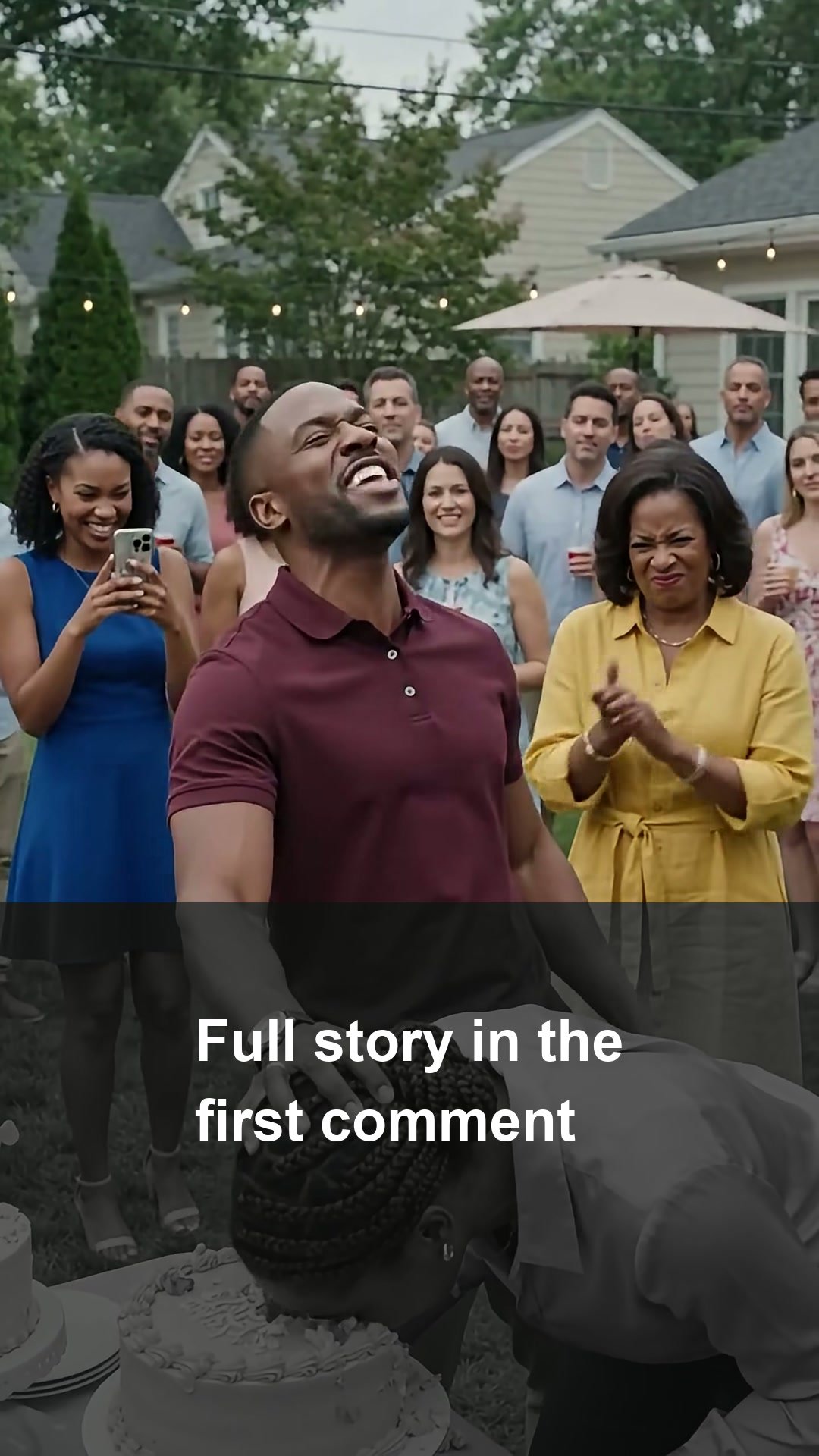
Then came the night he broke the glass. It wasn’t the first time he’d lost his temper, but it was the first time he had done it in front of Lily. He threw a wine glass against the wall, the shards spraying across the kitchen tile, catching the light like diamonds. Lily sat on the floor, her small hands covering her ears, her eyes wide with a terror that mirrored my own childhood. Richard stood over us, his chest heaving, his face red with the exertion of his own rage. See? he shouted at the empty air. This is what you force me to do! You make me lose control! You are a failure as a wife, as a mother, as a person! I didn’t move. I didn’t cry. I looked at Lily, saw the way she was already beginning to shrink into herself, and I realized that my desire for a normal life had become a trap. I had prioritized my own independence over her safety.
The decision was made in that silence. I would not let her grow up in the shadow of a man who needed to break things to feel whole. I would not let her believe that love was a negotiation of power. I stood up, walked to the cabinet, and grabbed the broom. I swept the glass into a neat, sharp pile, my movements precise and cold. Richard watched me, his bravado wavering as he realized I wasn’t shaking. He expected me to beg, to apologize for the mess he had created. I didn’t say a word. I just kept sweeping, the sound of the bristles against the floor the only thing in the room. I felt a strange, chilling clarity, a return to the girl in the nursery, the one who knew the board was set and the game was about to reach its final, inevitable conclusion. I looked at the pile of shattered glass, then up at him, and for the first time in ten years, I did not fear the silence. I owned it.
I left the broom leaning against the counter and walked into the study to call Julian. The leather chair felt too large, an echo of the Sterling estate where I had been raised to view people as chess pieces. My uncle answered on the first ring, his voice crisp with the practiced impatience of a man whose time was measured in market fluctuations. He wanted me back in the fold, back under the Sterling umbrella, because a rogue heiress was a liability to the portfolio. He valued my return not for my safety, but for the optics of a unified dynasty. I watched the dust motes dance in a shaft of late afternoon sun, realizing he was no better than Richard in his desire to possess me, just more refined in his method. I told him the legal paperwork needed to be airtight, mentioning the offshore trust, and hung up before he could pivot to the board seat. I had to secure my own future, not inherit his.
Downstairs, the front door creaked open. Olivia entered with her signature clatter of designer bangles, already sniffing the air for signs of domestic failure. She had spent decades molding Richard into a predator, yet she acted the part of the fragile matriarch, her power derived entirely from the misery of others. She spotted the cake smear on my dress and her eyes narrowed, searching for a sign of my submission. She needed me broken so she could remain the architect of the household, a queen of a crumbling suburbia. She didn’t know that I had already frozen the accounts she relied on to maintain her social standing. I didn’t greet her. I simply walked past, leaving her to stand in the wreckage of her son’s dignity. She looked small, a woman whose entire existence was predicated on the dominance of men who were currently losing their grip on reality.
In the driveway, Vanessa was waiting, her face a mask of artificial concern, filming the house with her phone. She was a hollow creature, convinced that capturing my downfall on social media would elevate her status. She thought she was winning by stealing a man who had nothing left but his rage. She didn’t realize she was merely inheriting a debt. I saw her pose, tilting her chin to frame the broken glass on the lawn in the background. Her ambition was a transparent, frantic thing, a desperate scramble for relevance that mirrored Richard’s own. I felt a flicker of pity for her, a sharp, cold sting that faded as quickly as it came. She would be the one to hold the bag when the fraud investigations began.
I retreated to the bathroom, the only room with a lock that felt solid. I splashed cold water on my face, watching the mascara run down the drain. Lily was in the next room, coloring in silence, her small hand moving across the paper with a focused intensity that made my chest ache. She was the only motive that mattered. She was too young to understand the billions waiting in the wings or the legal firestorm I was initiating, but she was old enough to know that the house felt lighter today. I gripped the porcelain edge of the sink until my knuckles turned white. I would ensure she never had to apologize for existing. I dried my face and stepped out, the silence of the house no longer a vacuum of terror, but a blank canvas. I had the documents in my hand, the leverage to dismantle the Vance name, and a clear path to the exit. I walked toward the bedroom, ready to finalize the destruction.
The joint account balance flickered on my phone screen, a pathetic sequence of four digits that I had spent years pretending was enough. My thumb hovered over the transfer button, the glass of the screen cool against my skin. With a single rhythmic tap, I severed the link. The household funds, the emergency cache, and the secret savings Richard had funneled through me under the guise of our family budget vanished into a private, untraceable Sterling holding account. He would wake up to a declined transaction at the gas station or the bistro; he would find himself suddenly, violently unmoored. I didn’t wait to see the notification of his distress. I put the phone in the drawer and closed it with a soft, final click.
The police station smelled of stale coffee and industrial floor wax. I sat on a hard plastic chair, my hands folded perfectly in my lap, feeling the sharp edges of the incident report beneath my palm. Officer Halloway looked tired, his mustache drooping under the weight of his shift. I recounted the incident at the birthday party not as a victim, but as a witness providing a deposition. I didn’t blink when I described the shove, the cake, the humiliation. I handed over the flash drive containing the raw, unedited security footage. The silence in the room stretched as he watched, his eyes widening. He looked at me, searching for the waitress he thought he knew, but found only the heiress he hadn’t yet identified. He took the report with a solemnity that signaled the end of Richard’s immunity. I knew the moment I walked out, the patrol cars would be dispatched to the address I had just left behind.
Three blocks away, in a glass-walled office overlooking the city, I met with Marcus Thorne. He was the kind of lawyer who didn’t bill by the hour; he billed by the destruction of reputations. He sat behind a desk of polished mahogany, his fingers steepled. I laid the custody petition, drafted with the Sterling seal, on his blotter.
You understand the implications, Maya, he said, his voice a low, gravelly hum. This isn’t just a divorce. This is an eradication.
I don’t want his money, I replied, my voice steady, stripped of the apologetic lilt I had carried for years. I want his access. I want the courts to see the pattern.
He looked at me, a flicker of genuine respect crossing his face. Then let’s begin the audit.
He pushed a thick folder toward me. It contained the proof of Richard’s fraudulent business schemes, the paper trail of his siphoned accounts, and the documents needed to contest the will his mother, Olivia, had been forcing me to sign for months. As I signed my name at the bottom of the petition, the ink felt heavy, binding me to a new reality. I was no longer playing the part. I was the director now.
The counter-action was instantaneous. My phone erupted with notifications the moment I left the office. Richard was calling. Then Olivia. Then a series of blocked numbers that I knew belonged to his legal team. I turned the phone off and handed it to my driver. The sudden silence in the backseat was a physical weight, a stark contrast to the buzzing panic radiating from the device. I looked out the window at the Manhattan skyline, recognizing the buildings that held the Sterling family boardrooms. I had a seat there now, one Richard had assumed belonged to him by proxy. He had spent years telling me I was small, that I was invisible, that without him, I would be nothing. He was about to learn that nothing is a very dangerous thing when it has all the resources in the world behind it.
My phone vibrated once more, then stopped. It wouldn’t stop forever. The smear campaign would start soon; Vanessa would take to her social media, spinning a narrative of the scorned wife who couldn’t handle the pressure of their life. I watched the city blur past, thinking of Lily. She was at my uncle’s estate, surrounded by gardens and silence, far from the reach of the man who had turned our home into a cage. The DNA test results for the paternity audit were already being processed in a lab across town, a final, cold nail in the coffin of Richard’s control over my maternal rights.
I leaned my head against the cool leather of the car seat. The adrenaline was fading, replaced by a crystalline clarity. Richard was currently in his car, likely checking his bank account for the tenth time, realizing his cards were locked. He would be driving back to the house, expecting to find me waiting with an apology, expecting the cycle of manipulation to reset. Instead, he would find an empty driveway and a process server. He would realize that the waitress he had molded to fit his ego had never really existed. The glass had broken, and there was no way to sweep up the shards without cutting his own hands. I closed my eyes, listening to the hum of the engine, waiting for the news that he had arrived at the house to find the locks changed. The escalation had begun, and for the first time in six years, I wasn’t afraid of what came next. I was hungry for it.
The news notifications hit my phone in a rhythmic, staccato pulse that vibrated against the leather seat of the car. I didn’t need to read them to know the content. My thumb hovered over the screen, watching the headers roll by: a local blog post detailing Richard’s fraudulent consulting fees, a flurry of tagged tweets from the neighborhood moms group, and a screenshot of the school directory where my name had been quietly removed from the Vance family account. I stared at the reflection in the black glass of the window, seeing a woman who looked less like the waitress I had pretended to be and more like the heiress I had spent a decade trying to bury.
The phone rang. It was the principal of Lily’s private academy. I let it go to voicemail, watching the notification bubble grow. She would be calling to express her deepest, most performative concerns about the recent social media explosion. I knew the script: she would mention the reputation of the school, the delicate environment for the other children, and the inevitable suggestion that we take a sabbatical. I tapped the icon to listen, hearing the forced, breathy tremor in her voice. She wasn’t worried about Lily; she was terrified of the donor list. I reached over and deleted the message without finishing it. My decision wasn’t just to leave Richard; it was to excise the entire rotting organ of our suburban life.
I pulled into a small, nondescript parking lot near the city limits, the engine ticking as it cooled. Across the street, a group of neighbors stood on the sidewalk, their faces obscured by the glare of the midday sun. They were holding their phones aloft, filming the front of the rented house I had abandoned. The drama had become a spectator sport, a public ritual where the community purged their own insecurities by tearing apart the house that had once been the envy of the cul-de-sac. I saw Vanessa standing on the porch, her hair wild, gesturing toward a camera crew that had evidently tracked her down. She was no longer the rival; she was the punchline.
I felt a sudden, sharp coldness in my chest that had nothing to do with the air conditioning. It was the weight of the Sterling name finally pressing down on me. I had avoided it for so long, fearing the cold, clinical efficiency of my uncle’s world, yet here I was, using it to dismantle a man who thought he could own me. I reached into the glove compartment and pulled out a burner phone I had purchased in cash weeks ago.
I dialed my uncle’s number. He answered on the first ring, his voice calm, untouched by the chaos I had unleashed.
Maya, he said, no greeting, no preamble. The board has already voted to remove him.
Good, I replied, my voice steady despite the adrenaline. I need the custody filings expedited. I don’t want him anywhere near the estate.
The board will handle it, he said. They don’t like their secrets being dragged into the light, even by proxy.
I hung up, looking at the screen. The notifications were still scrolling, but the noise was beginning to fade into the background. I had traded the tyranny of Richard’s outbursts for the quiet, lethal machinery of my family’s influence. I put the car in gear and turned away from the house. Ahead of me, the skyline of the city rose up, cold and indifferent, waiting to reclaim its own. I checked the backseat to make sure Lily was still asleep, her small chest rising and falling in perfect, rhythmic peace. She was safe, and for the first time, I realized that safety was a luxury I had to pay for in blood. The fallout was just beginning, and I was the one who had dropped the match.
The courtroom air tasted like floor wax and old paper. I sat at the mahogany table, my hands folded, feeling the weight of the Sterling crest engraved on my signet ring. Richard stood ten feet away, his suit jacket rumpled, a stark contrast to the sharp-edged perfection he once demanded of me. His lawyer leaned in, whispering something about mitigation, but Richard’s eyes were fixed on the back of my neck. He didn’t look like a king anymore; he looked like a man who had forgotten how to pay for his coffee.
Judge Halloway cleared his throat, the sound echoing off the high, wood-paneled ceiling. The ruling was brief. The custody order was final, and the restraining order was absolute. Every sentence felt like a stone being removed from my chest. When the judge finalized the divorce settlement, stripping Richard of any claim to the trust I had kept hidden, his face went gray. He opened his mouth to protest, but the bailiff’s hand on his shoulder effectively silenced him.
I didn’t turn around to see him leave. I reached for my bag, the leather smooth and cool under my touch. My mind flicked to the penthouse. It was waiting, scrubbed clean of his presence, filled with new furniture that I had chosen without consulting a soul. The sheer, overwhelming silence of that space was the only luxury I craved. I felt a surge of cold, detached relief. I had spent years being the backdrop to his life; now, he was a footnote in the margins of mine.
Outside, the late afternoon sun hit the pavement, blindingly bright. I walked to the town car idling at the curb, its engine a low, steady purr. My phone buzzed in my pocket—a message from the school confirming Lily’s enrollment under her new surname. I didn’t need to reply. I climbed into the backseat, the door clicking shut with a heavy, satisfying thud. The city moved around us, oblivious to the fact that one of its minor predators had finally been caged.
I pulled out a small, velvet-lined box from my purse. Inside were the keys to the estate in the city. I didn’t look back at the courthouse steps or the people watching from the shadows of the square. The life I had built as a waitress—the one where I apologized for existing—was dissolving into the exhaust fumes. I leaned my head against the cool glass of the window, watching the suburban horizon vanish. I had one more stop to make before I closed the door on this version of myself forever.
The salt air of the beach house hit me the moment I turned the key. It smelled of bleached wood and dormant winters, a sharp, sterile contrast to the heavy, perfumed stagnation of our old life. I walked to the kitchen, my heels clicking against the hardwood—not the frantic tapping of someone rushing to serve, but a slow, steady rhythm. I placed my bag on the marble island and simply stood there. For the first time in years, the silence wasn’t a precursor to a tantrum; it was just empty space, waiting to be filled by something honest.
Lily stood by the sliding glass doors, her nose pressed against the cool pane. She held the leash of a golden retriever puppy we had picked up from the shelter on the way north. He was small, his paws too large for his body, and he had spent the drive sleeping on her lap.
Are we staying here for real, Mom? she asked. Her voice was barely a whisper, as if she were afraid to crack the quiet.
I walked over and knelt beside her, pulling her into my side. I can hear the waves, I said. We don’t have to leave unless we want to.
She leaned her head against my shoulder, her grip on the leash tightening. I watched the puppy nudge a stray seashell across the floorboards. It was a mundane, clumsy movement, but it was anchored in the present. I realized then that I had spent so long bracing for impact that my shoulders were permanently locked near my ears. I let them drop.
I walked to the garden gate and pushed it open. The salt-crusted soil felt cool beneath my bare feet. I stood there, inhaling the Atlantic dampness, and for once, I didn’t reach for my phone to check for missed messages. I reached for the handle of the shovel instead. I was ready to plant something that would take its own time to grow.
The air held a crisp, metallic bite that tasted like October. I carried the last of the cardboard boxes to the curb, the weight of them no longer feeling like a burden, but like shed skin. Inside the house, the silence was absolute, a clean slate I finally owned. I walked back to the gravel driveway where I had stepped out of Richard’s car for the final time. The light was fading, casting long, sharp shadows across the lawn. Near the edge of the overgrown hydrangea bushes, the grass had been trampled flat. Tucked partially beneath a tangle of weeds, a pair of charcoal-gray designer heels lay on their sides. The left stiletto was snapped clean off at the heel, the expensive leather scarred and dusted with damp earth.
Leave a Reply