The police sirens cut through the hotel’s opulent silence, vibrating against the floorboards beneath my silk heels.
I stood in the center of the suite, the smell of expensive lilies clashing with the metallic tang of ozone. Stella’s vanity mirror lay shattered in a spiderweb of silver, her reflection splintered into a dozen jagged silhouettes. She clawed at the air, her breathing a frantic, rhythmic wheeze that reminded me of a failing ventilation system.
“You didn’t,” she gasped, her voice thinning into a brittle, high-pitched plea. “Billy, tell them it’s a mistake. Tell them you’re lying.”
I adjusted the cufflink on my wrist, feeling the weight of the steel against my pulse. My heart remained as steady as a structural support beam. I didn’t look at her. Instead, I watched the heavy velvet curtains ripple as the lobby doors swung open to admit the men in dark suits.
“It’s not a lie,” I said, my tone as flat as an architectural blueprint. “It’s an audit.”
I turned toward the balcony, watching the guests below stare up at the chaos. My inheritance was no longer a ghost; it was a debt, and tonight, the house would finally fall.
The espresso machine hissed, a sharp, mechanical sound that cut through the predawn quiet of my kitchen. I watched the dark liquid pool into the ceramic mug, the steam rising in thin, predictable ribbons that dissipated against the cold granite of the countertop. It was 6:15 AM. The rhythm of the day was set, a precise geometry of tasks I had performed for years. I took a sip, the bitterness grounding me, and checked my watch.
The commute was a forty-minute exercise in urban stasis. I sat on the train, knees pressed against my briefcase, staring at the blurred reflection of commuters in the darkened glass. Everyone looked tired, their expressions smoothed over by the repetition of the morning rush. A man beside me struggled with a recalcitrant umbrella, the metal spokes clattering against the floorboards. I shifted away, focusing on the rhythmic thrum of the wheels, a sound that usually lulled me into a state of structural analysis. I mapped the city overhead, envisioning the steel skeletons of the buildings we passed, calculating load-bearing capacities in my head. It was a clean, uncomplicated way to think.
By 8:30, I was at my desk. The office smelled faintly of ozone and toner, a dry, sterile scent that signaled the start of a productive day. I stood at the industrial printer, waiting for the weekly site report to cycle through. The tray clicked, ejecting the pages with a satisfying, rhythmic tap.
“Going to be a scorcher,” Marcus said, leaning against the doorframe with a plastic cup of lukewarm water. He was wearing the same pale blue tie he wore every Tuesday.
“Mid-nineties,” I replied, not looking up from the margins of the report. “Humidity is going to play hell with the masonry curing on the North site.”
“Always something with that project,” he sighed, checking his own reflection in the darkened screen of a nearby monitor. “You heading to the site meeting at ten?”
“I am.”
I walked back to my desk, the carpet muffling my steps. My phone sat face-down on the blotter, a silent, black rectangle. I picked it up, checking for emails, for project updates, for anything that required an immediate, clinical response. There was nothing out of place. My life felt like a well-drafted set of plans: every line drawn with intention, every room serving a specific, utilitarian purpose. I enjoyed the predictability of it. I enjoyed the way a problem could be solved if you simply applied enough pressure to the right points of the frame.
I spent the next three hours reviewing load specifications, my focus absolute. The world outside the office was a distant, secondary concern. I was in my element, where logic dictated outcome and emotion was a variable I could safely ignore. I felt a rare, quiet satisfaction in the work.
I had just reached for my water bottle when the phone, which had been silent for hours, vibrated against the desk. It wasn’t the usual ping of a meeting reminder or the soft chime of a work notification. It was a sharp, persistent buzzing that skittered across the surface of the wood. I stared at the screen for a beat, watching my own reflection in the dark glass, then reached out.
The name on the display made my pulse quicken, not with nerves, but with a cold, sharpening clarity. I slid my thumb across the glass and pressed the phone to my ear, the silence of the office suddenly feeling very heavy.
Stella did not say hello. The sound of a glass shattering in the background leaked through the speaker, followed by the jagged, uneven rhythm of her breathing. I leaned back, my chair creaking in the sterile silence of the firm. I had spent months mapping this moment, yet the reality of her voice felt like a structural defect in a foundation I had long since marked for demolition.
Billy, you have exactly ten minutes to call the bank and authorize a release, she hissed, her voice vibrating with a frantic, unearned authority. You’ve locked the holding account. I can’t—I’m at the closing for the renovation permits, and the funds are stuck in limbo. Do it now.
I traced the grain of the mahogany desk with my index finger, calculating the exact trajectory of her panic. I didn’t think about the decades of shared childhood or the way our mother used to force us to hold hands when we walked to school. I thought about the deed to the condo, the one I had pulled from the county records three weeks ago, stamped with the unmistakable trail of my grandmother’s trust.
I don’t think I can do that, Stella, I said. My voice sounded thin, a precision instrument clicking into place.
There was a sharp intake of air on her end, then a silence so profound it felt like a vacuum. Are you testing me? she asked, her tone dropping into that familiar, condescending register she used when she felt a child needed correcting. You don’t know the first thing about managing these assets. You are lucky I’ve been holding the reins this long. You’re being petulant, and it’s embarrassing.
I am not being petulant, I replied, my gaze fixed on the blank wall opposite my desk. I’m being precise. The funds aren’t in limbo, Stella. They’re in an escrow account managed by Julian Vane. You should have received a notification an hour ago.
The line went dead, but I didn’t pull the phone away. I knew she was still there, reeling. I felt the familiar tightening in my chest, the one that usually signaled a need to apologize, to smooth the jagged edges of her temper, to erase myself so she could breathe easier. Instead, I stood up and walked to the window, looking down at the street where the city moved in perfect, indifferent lines.
I realized then that the tether hadn’t been cut; I had simply stopped pulling back. I was no longer an anchor for her instability; I was the weight that would drag her under if she continued to thrash. I set the phone down on the desk, screen up, and watched the soft glow fade. The decision to remain silent was the most architectural thing I had ever done. It was load-bearing.
A notification blinked: a text from Julian. The process server was in position. The incident was no longer a theory; it was a scheduled arrival.
I sat at the mahogany desk in the hotel suite, the air scented with lilies and expensive floor wax. My fingers traced the grain of the wood, feeling for imperfections, before I picked up the receiver to dial my mother. The house phone felt heavy, an antique relic of a communication style that preferred euphemism to truth. When Margaret answered, her voice was thin, brittle with the effort of maintaining a performance. I asked her about the transfer dates for the inheritance trust, the ones Stella claimed were redirected for a family investment. My mother laughed, a sharp, dismissive sound. She told me the money never left the primary holding account, that it was sitting safely in an index fund, untouched and growing. I stared at the vanity mirror, watching my own face go blank. She was lying, or she was oblivious, and either state served the same purpose. I ended the call without a goodbye.
Next, I dialed the hotel’s front desk, posing as a curious investor interested in the recent acquisition of the penthouse unit Stella now occupied. The concierge was eager to please. He confirmed the unit had been purchased three months ago, but his tone shifted when he mentioned the buyer. He stated the title was held under an LLC, funded entirely by a wire transfer from a private offshore entity, not the trust Margaret had described. I took a slow, measured breath. The discrepancy was a hairline fracture in the foundation. If the money was in the index fund, it couldn’t be in the offshore account. I stood up and paced the length of the plush carpet, my heels clicking against the hardwood borders like a countdown.
I needed a witness to the timeline, so I called the hospice nurse who had been present during my grandmother’s final weeks. Mrs. Gable picked up on the third ring, her voice raspy from years of hospital air. I asked her about the day the legal documents were signed. She paused, the silence stretching long enough for me to hear the hum of a ventilator in the background. She told me Stella had arrived with a solicitor I didn’t recognize, and that my grandmother had been heavily sedated, unable to lift a pen, let alone sign a codicil transferring power of attorney. Mrs. Gable insisted my grandmother had been catatonic for forty-eight hours before the alleged signing.
The weight of the contradiction pressed against my chest, a physical pressure I translated into a rigid, geometric plan. My mother said the account was untouched; the hotel records proved it was spent; the nurse confirmed the signature was a forgery. The narrative was collapsing under the gravity of its own falsehoods. I grabbed my car keys, the metal biting into my palm. I had to reach Julian’s office before the sun dipped below the skyline. I walked out of the suite, the door latch clicking with finality, and headed for the parking garage. Every turn of the steering wheel felt like a structural adjustment. My sister’s world wasn’t just built on a lie; it was built on a series of mutually exclusive realities that couldn’t possibly survive the light of a courtroom. I checked the rear-view mirror, my eyes focused and cold, and merged into the flow of traffic. I wasn’t just investigating anymore; I was identifying the load-bearing pillar I would eventually kick out.
The reception hall smelled of lilies and high-end floor wax, a sterile scent that tried to mask the rot of a million-dollar facade. I stood by the champagne tower, the crystal vibrating as a server bumped the table. My dress, a heavy architectural gown of ivory silk, felt like armor. Across the room, Stella was holding court, her laughter sharp enough to draw blood. She wore the diamond brooch Grandmother had left for me, pinning it to her neckline like a trophy. I watched her gesture with a glass of vintage bubbly, her movements fluid and careless. She had no idea the process server had already checked in at the front desk, posing as a florist with a delivery for the bride.
I took a slow sip of my water, feeling the weight of the thick envelope tucked inside my clutch. My mother, Margaret, drifted over, her smile practiced and thin. She reached out to smooth a wrinkle in my dress, her fingers lingering on my shoulder with that suffocating, proprietary grip she had used since I was a child. She leaned in, her voice a low hum of disappointment. She told me that Stella had been generous to host this, that I should be grateful for the family resources pooled into the day. She didn’t know the pooled resources were my own bank accounts, bled dry to pay for her vanity.
I looked at my sister, then back at my mother. The structure was sound, the documents were signed, and the trap was set to trigger the moment the music stopped. I didn’t hate them in that moment; I simply saw them as a failed construction, a building destined for demolition. I felt a strange, cooling peace settle in my chest, a structural integrity I had never possessed before. I looked at Stella, who was now motioning for me to join her for a toast.
I am not your sister anymore.
The kitchen floor of our childhood home was black and white checkered vinyl, a pattern that made everything look like a game of strategy I was destined to lose. I remember the smell of burnt toast and my mother’s voice, sharp as a serrated blade, cutting through the silence of a Saturday morning. Stella sat at the head of the table, even then, her spine arched with a self-appointed authority that turned a simple breakfast into a boardroom meeting. I was twelve, staring at my reflection in the back of a soup spoon, trying to figure out why my existence felt like a surcharge on their lifestyle. Stella held a fountain pen in her hand, swirling it over a stack of permission slips and report cards. She was fourteen, but she possessed the terrifying, unearned confidence of an auditor.
Billy, you’re holding the fork wrong, she said, not looking up from her papers. It’s uncouth. If you want to be invited to the Miller’s garden party, you need to learn how to keep your hands still.
I shifted my grip, my knuckles turning white. Mother stood by the sink, rinsing a single teacup with agonizing slowness. She didn’t turn around, but her presence was a wall, blocking any exit.
Stella is only trying to help you, Billy, Mother added, her voice a calm, practiced monotone. It’s a privilege that she takes an interest in your development. You wouldn’t want to embarrass us, would you?
I looked at the toast on my plate, cold and hard. I didn’t want to go to the party. I wanted to stay in my room and finish the bridge model I’d been constructing out of balsa wood, something that obeyed the laws of physics instead of the whims of my family. I realized then that I wasn’t being raised; I was being curated. I pushed the plate away, a small, rebellious inch. The scrape of the ceramic against the table sounded like a gunshot. Stella’s eyes snapped to mine, cold and calculating. She didn’t yell. She just set the pen down and smiled. It was the smile of a predator that had already cornered its prey.
I decided then that I would keep my mouth shut. I learned that every word was a liability, every opinion a taxable event.
Years later, the geometry of our dysfunction shifted to the hospital. Grandmother was fading, a fraying thread in the family tapestry, and the air in the room was thick with the scent of antiseptic and greed. I sat in the plastic chair, my legs swinging, while Stella paced the linoleum. She was twenty-five, already moving with the predatory grace of someone who had decided the inheritance was her birthright. The phone in my pocket buzzed—an alert from the university bursar about a tuition shortfall—but I didn’t reach for it. I was watching Stella count the jewelry on Grandmother’s nightstand.
She’s not going to make it through the night, Billy, Stella whispered, not even glancing at me. We need to be practical. Mother is already worried about the taxes. I’ve taken the liberty of organizing the account transfers. It’s safer if everything is consolidated under one umbrella.
I felt a cold shiver crawl up my neck. Grandmother was still breathing, her chest rising and falling in a rhythmic, shallow struggle. I looked at the monitor, the digital pulse a frantic, jagged line. Why are you doing this now? I asked, my voice barely a tremor. We haven’t even discussed the will.
Stella stopped pacing and leaned over me. The smell of her perfume—expensive, sharp, floral—overwhelmed the hospital room. We discussed it, she said, her tone condescending. You were just too busy with your little architecture projects to listen. Don’t worry about the math, Billy. You’re not built for it. I am.
I looked at the floor, the tiles here a sterile, depressing beige. I didn’t argue. I didn’t point out that the money was earmarked for my graduate degree. I simply watched my grandmother’s hand twitch on the sheets, a silent plea for air that went ignored by the only people who claimed to love her. I decided that if they wanted to treat my life as a communal pot, I would let them fill it with lead. I would learn every inch of their ledger. I would become the architect of their ruin, mapping every stress point until the foundation cracked under its own weight.
The wedding planning was just another layer of the same structure. The venue, the guest list, the exorbitant floral arrangements—each one was a brick laid by my mother and Stella to wall me in. They thought they were building a monument to their own status; they didn’t realize they were building a prison cell I was already planning to burn down. I remember standing in the bridal shop, the heavy silk of the gown weighing me down like lead. Stella circled me, adjusting the train, her fingers digging into my shoulders.
It’s too simple, she remarked, smoothing the lace. You need to look like a Larson, Billy. We’ve already authorized the deposit for the additional beading. It’s coming out of the remaining trust funds. It’s what Grandmother would have wanted for you.
I looked in the mirror, but I didn’t see a bride. I saw a structural engineer looking at a building that was one tremor away from collapse. I saw the way Stella’s eyes glimmered with the thrill of spending money she had stolen, the way Mother nodded in approval, her hands folded over her purse as if she were holding the keys to my fate. I felt the sharp, cold edge of the legal documents tucked into my clutch—a folder that contained the truth about the condo, the bank transfers, and the long, slow bleed of my inheritance.
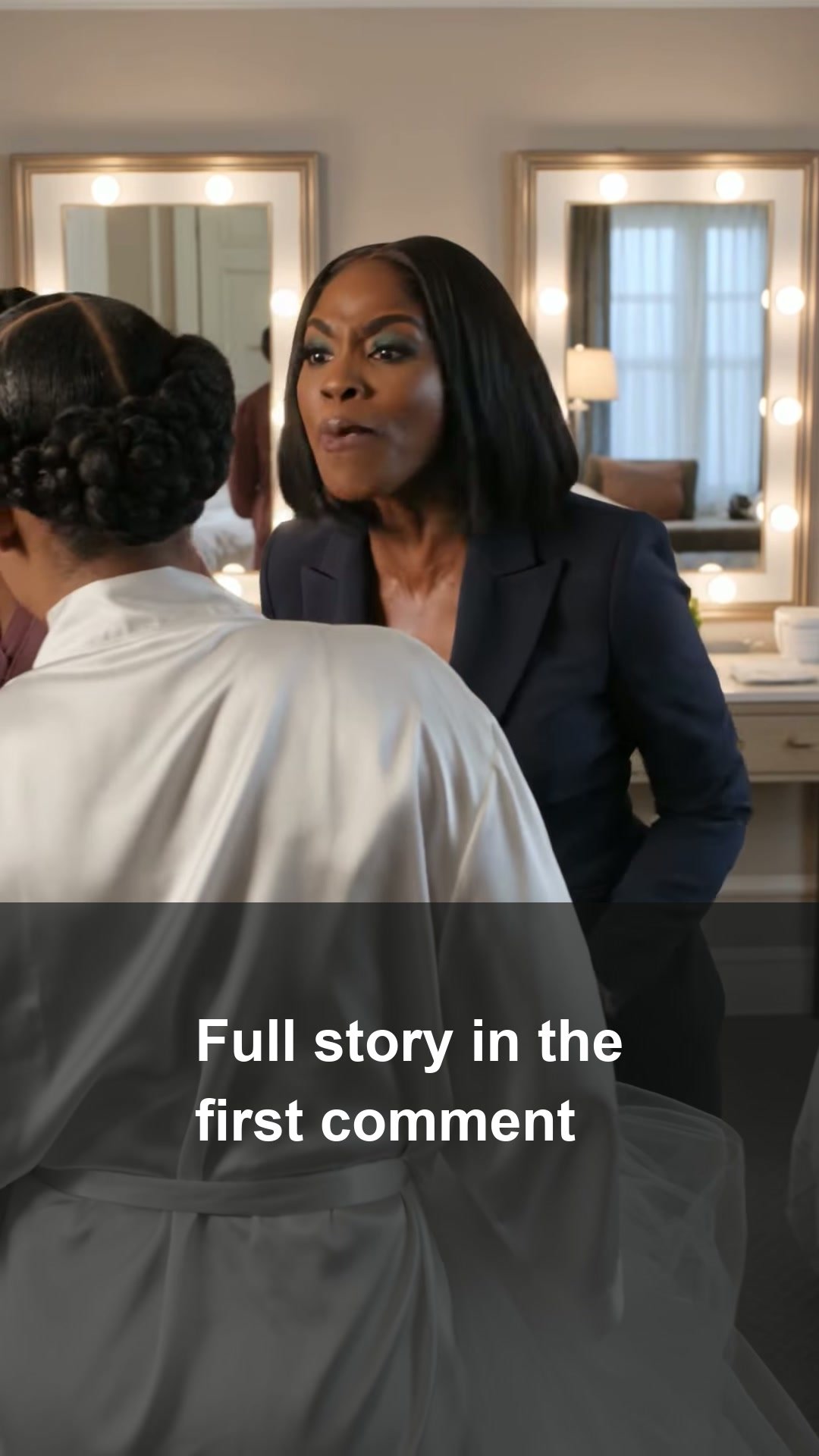
I don’t want the beading, I said, my voice steady. It’s not in the budget.
Stella laughed, a dry, hollow sound. The budget is whatever we say it is, darling. Don’t be difficult. You owe us this much for the life we’ve given you.
I looked at her reflection, at the slight tension in her jaw, the way she flicked a piece of lint off my shoulder with proprietary arrogance. She thought she was the master builder, the one who held the blueprint. She didn’t realize that I had been studying the load-bearing walls of our family for two decades. I knew exactly where the cracks were. I knew exactly how much pressure it would take to bring the whole house down.
I chose the fabric of my own deception. I chose the silence. I decided that the wedding day wouldn’t be a celebration; it would be an autopsy.
I remember the final warning, given in the foyer of the hotel a week before the ceremony. Mother pulled me aside, her eyes wide with a frantic, desperate need for control. Stella is stressed, Billy. Just sign the release forms she sent over. It settles the estate accounts once and for all. We can finally move past this, can’t we? Let’s just have a beautiful day. No more talk of money. No more questions.
I looked at my mother—the woman who had taught me that survival meant submission. She didn’t look like a mother; she looked like a co-conspirator. I saw the fear behind her eyes, the fear of losing the house, the standing, the facade. I took the pen she offered, but I didn’t sign the release. I signed a blank napkin, a meaningless gesture that bought me the time I needed to finish the last of the discovery motions.
I will be ready, I said, handing the napkin back to her.
She took it, blind to the lie, satisfied by the mere appearance of compliance. She walked away, her heels clicking on the marble floor with a sound that felt like a countdown. I stood there alone, the silence of the hotel lobby pressing against my skin. I wasn’t afraid. The structural analysis was complete. Every joist, every beam, every internal support of the Larson family was corroded through. I had spent my entire life being the brick, the mortar, and the paint, but I was done holding up their ceiling. The wedding was the final load-bearing wall, and I was holding the sledgehammer, waiting for the exact right moment to swing.
The bridal suite smelled of white lilies and industrial-strength hairspray. My mother, Margaret, stood by the window, her silhouette stiff against the morning sun. She was smoothing a wrinkle in a dress I hadn’t chosen, her fingers trembling with the precise, practiced anxiety of a woman who spent forty years curating a reputation built on sand. She didn’t look at me; she looked at the reflection in the glass, searching for the daughter she could mold, not the woman standing behind her. She spoke of guest lists and seating charts, her voice a thin wire tethering me to a past I was currently erasing. I watched her reflection, noting the way she gripped the silk of her own gown—a reflexive gesture meant to soothe a conscience that had long ago decided Stella’s theft was merely a family redistribution. I said nothing, letting her drone on, knowing that by sunset, her social standing would be a discarded lace napkin.
Clare sat on the velvet ottoman, her eyes fixed on her phone. She was the one who had helped me track the transfers, her thumb scrolling through digital paper trails while she played the part of the doting bridesmaid. She looked up, her expression a mask of serene support, but her jaw was tight. She wanted to believe in the wedding, in the romantic fable of the day, yet she knew the truth: the groom was a placeholder, and the ceremony was merely a stage for the eviction. She offered me a default, her hand steady, a sharp contrast to the internal fracture of a woman who detested the cruelty of my plan but valued the justice of it even more.
I walked to the vanity and picked up the heavy gold bracelet my mother had gifted me last week. It was a bribe, an heirloom meant to weigh me down with tradition. I slipped it into my clutch, not to wear, but to sell. Stella entered the room then, her presence an affront to the geometry of the space. She moved with the entitled grace of a squatter who had successfully occupied a luxury condo she never earned. She checked her reflection, eyes bright with the chemical cocktail of caffeine and adrenaline, unaware that the process server was already waiting in the lobby under the guise of a florist. She glanced at me, her smile tight and condescending. She thought she was the architect of my life; she thought she held the blueprints to my future. I saw the tremor in her knuckles, a subtle betrayal of her own nerves. She thought she was managing me.
I turned to Julian, who was standing in the doorway, his briefcase a blunt, black anchor. He was a man who lived in the absolute, a lawyer who found comfort in the binary of law. He watched the scene with the detached curiosity of a scientist observing a colony collapse. He didn’t care about the wedding cake or the flowers; he cared about the liability. He caught my eye and gave a nearly imperceptible nod. The document was in his coat, a formal demand that would shred the fabric of our family unit within the hour. I felt a surge of cold, clinical clarity. My father called, his voice booming through the speakerphone as my mother adjusted my veil. He was talking about the costs, about what I owed them, his words a symphony of manipulation I had memorized since childhood. I hung up. The silence that followed was heavy, a vacuum waiting to be filled by the crash. I looked at my reflection, smoothed my dress, and decided that the wedding would happen, but the family would not survive the reception. The first chime of the hotel clock echoed in the room; it was time to let the foundation give way.
The hotel suite smelled of lilies and high-end hairspray. I stood in front of the floor-to-ceiling mirror, my reflection a structural anomaly: white silk concealing the sharpened steel of my intent. My phone vibrated against the vanity, the screen displaying a message from Julian Vane. The subpoena had been served. The bank records associated with Grandmother’s trust were no longer private entities; they were evidence.
I reached for my phone, my thumb hovering over the banking app. With a rhythmic, decisive motion, I cancelled the auto-pay features that linked my remaining personal accounts to the family’s wealth management portal. The digital connection severed with a satisfying, silent finality.
Stella walked into the room, her silk dress rustling like dry leaves. She stopped, her eyes darting to the screen in my hand. What are you doing, Billy? You know the family accounts are unified for tax purposes. She reached for the phone, her fingers grazing my wrist, but I pulled away.
I decided then that I would not explain. I simply locked the device and set it face down on the marble. The lack of explanation was a physical blow; I saw the flicker of uncertainty cross her face, a hairline fracture in her composure. She wasn’t used to me being a closed circuit.
I walked to the bathroom and pulled a manila envelope from behind the towels. It contained the deed to her condo, cross-referenced with the wire transfer I had documented months ago. I had hired the lawyer, Julian, not just to advise me, but to dismantle the logic she used to justify the theft. Every dollar she claimed was for family stability was now officially flagged as misappropriated capital.
I took a deep breath, the air thin and sterile. I walked back into the living area where my mother, Margaret, was fussing over a centerpiece. Mother, I said, my voice steady, I have filed a formal complaint with HR at Stella’s firm.
Margaret froze. The vase in her hands clattered against the table, water splashing onto the pristine white tablecloth. She turned, her face a mask of performative shock. You did what? You’re ruining her reputation on your wedding day? Do you have any idea how many people are coming today?
I watched the water soak into the fabric. The social cost was the point. I had calculated the trajectory of the fallout; if Stella’s firm investigated the source of her recent high-end real estate acquisition, the thread would unravel the entire sweater. I’ve already contacted the internal auditors, I said. She has forty-eight hours to account for the inheritance drawdown, or they initiate a full forensic review.
Stella’s face had gone the color of parchment. You’re a sociopath, she spat, her voice trembling just enough to betray the panic underneath. You think this makes you independent? You’re just a spiteful child throwing a tantrum.
I didn’t answer. I stood my ground, my posture rigid, the architectural consultant in me mapping the precise points where her foundation was already buckling. I had already filed the paperwork in civil court, a lien against the condo that would be served at the reception. I watched her reach for her own phone, her fingers fumbling, likely calling the family accountant to perform triage on a wound that had already gone septic.
The reaction was immediate. My mother’s phone began to chime, then Stella’s, then the buzzing of a dozen notifications echoing in the small room. The narrative of our family was collapsing in real-time, the data streams overriding the polite, gilded facade we were supposed to be presenting.
I felt a surge of cold, dispassionate relief. I had spent decades being the load-bearing wall for their expectations, holding up the roof while they tore out the floorboards. Now, I was stepping aside.
The door opened, and a courier entered, looking for the bride. I signed for a final set of documents—the result of the DNA test I had insisted upon to prove the grandmother’s true estate intent, bypassing the family’s manufactured claims. The messenger handed me the file, and I placed it directly on top of my bouquet.
Stella lunged, but Clare, my bridesmaid, stepped into her path. The contact was brief, a polite but immovable barrier. I watched Stella recoil, her eyes wide with the sudden, terrifying realization that the infrastructure of her life was no longer under her control. She looked at me, not with sisterly love, but with the hollow gaze of someone who had just realized they were standing on a trapdoor.
I turned back to the mirror and adjusted my veil. The room was silent now, the air thick with the impending collapse. I had done it. The irreversible steps were set in motion. The police report regarding the missing funds was filed, the lawyer was in place, and the lawsuit was a ticking clock. I watched Stella retreat to the corner, frantically typing on her phone, her world shrinking to the size of a screen.
I walked toward the door, my heels clicking sharply against the hardwood. I didn’t look back at my mother, who was now weeping into a silk handkerchief, or at Stella, who was beginning to understand that the price of her greed was far higher than she had ever imagined. I opened the door, the sound of the wedding music drifting down the hallway. It was time to walk down the aisle, not as a victim or a daughter, but as the architect of my own liberation. The reception awaited, and with it, the final, inevitable crash.
The reception hall smelled of lilies and high-end floor wax, a sterile scent that did nothing to mask the rot settling into the foundation of our family. By the time I reached the head table, the digital hemorrhage had already begun. Phones were no longer hidden under napkins; they were held aloft, screens glowing with the leaked court filings that Julian had released the second the process server handed Stella the injunction. The room, once a cacophony of clinking crystal and polite laughter, was now vibrating with the low, sharp frequency of communal judgment.
I sat down, my dress feeling heavy, a suit of white armor that had served its purpose. A bridesmaid, Clare, leaned in, her voice a thin thread of calm. People are leaving, she whispered, watching a group of my mother’s bridge club members push their chairs back in near-unison. I didn’t look at the empty chairs. I stared at the centerpiece—a glass vase filled with white roses—and focused on the structural integrity of its stem.
My phone buzzed against the tablecloth. It was Margaret, sitting only three seats away. Her face was a mask of ruined makeup and panic. I didn’t answer. Instead, I watched her pick up her own device, her thumb hovering over the screen as she likely realized that her social media notifications were no longer congratulations, but questions about the provenance of the Larsons’ lifestyle. The family reputation, that fragile edifice we had spent decades maintaining, was cracking under the weight of the public ledger.
Stella was no longer in the room. I caught a glimpse of her through the floor-to-ceiling windows, standing on the balcony. She was clutching a cigarette, her shoulders shaking, her silhouette framed by the city lights that she could no longer afford to pretend she owned. A neighbor I’d known since childhood caught my eye across the room, looked at the document lying beside my champagne flute, and then pointedly turned his back. The social cost was immediate and absolute. The community wasn’t mourning the betrayal; they were distancing themselves to avoid the shrapnel.
I felt a hollow, cold weight in my chest, a physical manifestation of the empty space where my family used to be. My mother stood up, her hand shaking as she reached for her purse. She looked at me, a desperate, silent plea for me to say something—anything—to stop the servers, the lawyers, the neighbors who were already whispering about the embezzlement. I looked down at my hands. I thought about the hours I had spent drafting floor plans, learning that if the load-bearing walls are rotten, you don’t patch them; you demolish the structure and start fresh.
I didn’t say a word. I picked up my glass, the cool rim against my lip, and watched the room empty out, one by one. The decision to remain silent felt like the final brick being laid in a wall I had built around my own future.
The caterers began clearing plates from the abandoned tables, their movements efficient and indifferent. I watched them work, noting how they treated the discarded food and the abandoned gifts with the same clinical lack of sentiment I felt for the wreckage of my childhood. The music had stopped, leaving only the sound of a distant, persistent siren. I stood up, the rustle of my dress the only sound in the cavernous, half-empty room. I walked toward the exit, passing my mother’s empty chair, and didn’t look back. The fallout was total, and for the first time in my life, the silence was mine.
The hotel lobby smelled of stale lilies and expensive floor wax. I stepped over the velvet rope, my heels clicking sharply against the marble, a rhythmic countdown to my own autonomy. Outside, the city air was humid and sharp with the scent of coming rain. My phone remained dead in my clutch; I had turned it off the moment the process server handed Stella the final lien. The weight of the evening—the shouting, the shattered crystal, the look on my mother’s face when the bailiff arrived—had distilled into a cold, singular clarity. I didn’t owe them a reaction. I didn’t owe them a reason.
Two weeks later, the honeymoon suite in Lisbon was quiet, save for the hum of an air conditioner struggling against the Mediterranean heat. I sat at a glass-topped desk, the surface cluttered with local tourist maps and a single, heavy envelope. Julian had sent the final judgment order via courier. I smoothed the paper with a steady hand, the white bond stock cool to the touch. The legal language was stripped of all the messy, emotional debris of our shared history: it was simply a calculation of debt, interest, and the mandatory sale of the condo.
I picked up my fountain pen. The ink flowed black and permanent.
I signed my name at the bottom of the page, the cursive firm and deliberate. My signature hadn’t changed, but the agency behind it felt entirely new. With the stroke of a pen, I had dismantled the infrastructure of my sister’s entitlement. She was currently being evicted from the luxury unit on Fifth, the bank seizing the keys to satisfy the judgment. She was a tenant of her own making, stripped of the collateral she had stolen. I felt no surge of triumph, only the profound relief of a structural problem correctly resolved.
I walked to the balcony. Below, the city was a tapestry of terracotta roofs and narrow, winding streets. I set the signed document on the wrought-iron railing and watched a single drop of condensation from my morning coffee slide off the glass, spotting the paper. It was a small, inconsequential blemish on the finality of the settlement.
I reached into my bag and pulled out the pearl earrings my mother had insisted I wear for the ceremony. They were heavy, cold, and carried the stifling scent of her perfume. I let them drop. They fell through the air, disappearing into the shadows of the alleyway below without a sound. I leaned against the railing, breathing in the salt air, and finally, there was nothing left to fix.
I walked to the local shelter, my boots clicking against uneven cobblestones that felt remarkably solid underfoot. The air smelled of drying fish and roasting coffee, a neutral, honest scent. Inside, the kennel was loud—a cacophony of frantic tails and high-pitched yips—but in the back corner, a scruffy terrier with one folded ear sat perfectly still. I knelt, the concrete dampening the fabric of my trousers.
I held out a closed fist, palm down. The dog didn’t rush; he sniffed, his wet nose grazing my skin, then leaned the full weight of his shoulder against my palm.
Can I take him for a walk? I asked the attendant.
The man shrugged, unhooking the leash. He needs a steady hand, he said.
I clipped the lead onto the collar, the metal snap a sharp, final sound. The dog paced beside me, keeping a perfect, rhythmic stride. We reached the shoreline where the tide had retreated, leaving behind a hard-packed expanse of grey sand. I stopped walking and looked out at the horizon, where the sea blurred into the sky. For the first time in years, the silence in my head wasn’t a void waiting to be filled by someone else’s expectations; it was just space. I thought about the bank balance on my phone, the numbers finally static, no longer bleeding out into accounts I couldn’t access. I didn’t owe anyone an explanation for the morning, the dog, or the fact that I wasn’t going back to the hotel.
I adjusted my grip on the leash. The dog looked up at me, his eyes dark and expectant. I decided then that we would keep walking until the sun went down, and tomorrow, we would do the same. I turned away from the city, pulling the terrier toward the dunes, finally moving toward a horizon I hadn’t designed for anyone but myself.
I sat at the small, splintered café table overlooking the harbor, the salt air biting at my skin. My mother’s heavy gold locket, a piece of jewelry that had tethered me to every expectation of the Larson name, lay cold against the wood. I picked it up, feeling the familiar, suffocating weight of the heirloom links, and dropped it into the murky, rising tide below the pier. There was no splash, just a brief ripple in the dark water before the surface smoothed over, erasing the artifact entirely. I wiped my hands on my jeans, the grit of the table still under my fingernails, and reached for the single legal judgment order that had traveled in my bag for weeks. I folded the heavy cream paper into a sharp, precise paper crane and left it standing upright on the damp coaster.
Leave a Reply