The slap didn’t just sting my skin; it shattered the fragile glass ceiling of a lie I had been living for seven years. My cheek burned, a vibrant, throbbing heat that anchored me to the polished marble of the foyer. Caleb stood over me, his chest heaving, his face twisted into the ugly, familiar mask of a man who believed he owned the very air I breathed.
The silence that followed was absolute, save for the rhythmic ticking of the grandfather clock. My hand hovered near my face, the skin cooling rapidly in the draft from the open front door. I stared at his polished oxfords, noting the slight scuff on the left toe—a trivial detail in a life built on heavy, gilded foundations.
“You’re a thief, Elena,” he spat, his voice trembling with a practiced, performative outrage. “That necklace didn’t just vanish.”
I felt the hard edge of the encrypted tablet pressed against my thigh under my skirt. I didn’t look up. I simply breathed, steady and slow, letting the familiar weight of my own authority settle in my marrow.
“The necklace is exactly where it belongs, Caleb,” I whispered. I stood. The game had finally begun.
The kitchen light hummed with a low, antiseptic buzz at 6:15 AM. I stood by the marble island, watching the steam curl off a ceramic mug. The porcelain felt cool against my palms, a grounding weight in the silence of the Montgomery estate. Outside, the gray light of a Tuesday morning bled across the manicured lawn, turning the privet hedges into shapeless, dark mounds. It was a day like any other.
I took a slow sip. The coffee was dark, bitter, and lacked enough sugar, but I drank it down, savoring the burn. Caleb was still upstairs, his rhythmic, heavy snoring echoing faintly through the vents. In a few minutes, he would wake up, demand his shirt to be pressed, and complain about the stock fluctuations in the Far East. I would nod, offer a sympathetic hum, and prepare his breakfast. It was a choreography I had mastered over seven years: the art of appearing small enough to fit within his ego.
The commute was a silent affair. I sat in the backseat of the sedan, watching the city skyline sharpen as we transitioned from the suburbs into the concrete grid. I adjusted my silk scarf, checking my reflection in the window. My face was a mask of placid obedience, eyes lowered, mouth neutral. I looked like a woman who worried about charity gala seating charts and the fading color of hydrangeas.
At the office, the Xerox machine groaned in the corner, churning out quarterly projections that Caleb insisted on reviewing himself. I spent the morning filing reports, my fingers moving with mechanical precision over the keys. When Tiffany called the office line, her voice dripping with the faux-sweet concern she reserved for me, I kept my tone clipped and polite.
Everything is fine, Tiffany, I said, staring at the stack of invoices on my desk. Just a busy week for the board.
I didn’t mention the way the air in the office felt tight, or how the numbers on the screen seemed to dance just out of focus. I didn’t tell her that my heart rate hadn’t spiked above seventy beats per minute in years, or that I had spent the last month learning exactly how to dismantle a empire from the inside out. I just clicked the save button, closed the folder, and leaned back to watch the dust motes dance in the fluorescent light.
Lunch was a quick salad eaten at my desk, accompanied by the dull drone of a local news report playing on the breakroom television. The weather report promised rain for the weekend. I tapped my pen against the mahogany surface of the desk, counting the seconds. I knew the exact layout of the vault, the precise path of the offshore wires, and the signature patterns on the blind trust. I was a ghost in the machine, and the machine was finally starting to overheat.
I returned to my desk, feeling a strange, hollow peace. I wasn’t waiting for a storm; I was waiting for the clock to hit the hour. I reached for my phone to check the time, my movements as unremarkable as the morning routine.
Then, the screen flickered to life. A single, sharp, singular buzz. Not an email, not a notification, but a direct, encrypted call from an unlisted number. The phone vibrated against the desk, the sound metallic and insistent, cutting through the hum of the office like a jagged blade.
I picked up the phone. Marcus Thorne’s voice was as dry as parchment, devoid of the usual professional veneer. He told me the appraisal was finished, the insurance adjusters had confirmed the emeralds were glass, and Caleb had already processed the transfer of the fictitious loss into his personal holding account. He was moving faster than I anticipated. I hung up without a word, the screen darkening to a black mirror that caught my reflection. My face was a mask of practiced indifference, but my pulse was a frantic bird against my ribs. I had the leverage, but I had to lead him to the center of the trap.
Caleb walked into the study moments later, the heavy mahogany door clicking shut behind him with the finality of a prison bolt. He didn’t bother with pleasantries. He was flushed, his tie loosened, smelling faintly of the expensive scotch he used to fortify his bravado. He shoved a file across the desk, the paper sliding over the leather surface with a hiss.
Sign it, Elena, he said, his voice dropping into that tone of forced patience he reserved for children and idiots. It’s a standard release. We need to clear the insurance claim before the gala tonight.
I stared at the document. It was a confession of negligence, designed to frame me for the misplaced necklace, a neat little narrative that would render me legally and socially radioactive. I felt the familiar weight of the ring on my finger, a cold circle of gold that felt more like a shackle than a promise. If I signed, the blind trust would remain dormant. If I refused, he would escalate. I reached for the pen, my fingers steady as I traced the edge of the nib. I looked up at him, meeting his eyes, and saw the flicker of triumph he already possessed. He thought he had won. He thought I was still the wife he had spent seven years erasing.
I don’t think I can do that, Caleb, I said, my voice steady, barely a whisper in the quiet room.
His expression curdled, his composure snapping like dry wood. He crossed the distance between us in two strides, his hand lashing out before I could brace myself. The slap caught me flush on the jaw, a white-hot explosion of pain that sent me stumbling back into the edge of the desk. The sharp corner bit into my hip, a grounding, visceral shock. My head swam, the taste of copper filling my mouth, but the fog in my mind cleared instantly. Everything was suddenly, beautifully, crystalline. The lie was gone. I looked up at him, my hair falling over my face, and saw the sudden, terrifying uncertainty dawning in his eyes. He realized he had finally made a mistake. I straightened my posture, smoothed my skirt, and felt the iron resolve settle into my marrow. The time for the silent chairwoman had ended. Now, it was time to dismantle the Montgomery empire, starting with the man standing over me.
I stepped out of the study, my heels clicking a steady, rhythmic staccato against the marble foyer. The silence of the house was aggressive, weighted by the scent of floor wax and the lingering stench of Caleb’s cologne. I pulled my phone from my clutch, the screen glowing like a beacon in the dim hallway. My hands were perfectly still.
I dialed Evelyn first. Her voice hit my ear like cut glass, sharp and impatient. Elena, stop this hysterics. Caleb said you lost your temper. Where is the emerald necklace? I need it for the committee luncheon. I stared at the grand staircase, remembering the exact weight of the real heirloom in my office safe, miles away. Evelyn, the necklace was sold three months ago, I said, my voice devoid of default. She let out a sharp, incredulous laugh. Don’t lie to cover your incompetence. The jewelry is in the vault. I hung up.
I didn’t wait for the dial tone. I dialed the hotel concierge at the Sterling, where Caleb spent his Tuesdays. The clerk’s voice was syrupy, rehearsed. Mr. Montgomery? No, ma’am, he hasn’t been here in weeks. A sudden, cold clarity washed over me; Caleb had been using the hotel as an alibi for his afternoon trysts, but he wasn’t even there. He was somewhere else, burning bridges I hadn’t yet mapped. I disconnected and placed a call to the head nurse at the hospice where my father’s affairs were managed.
Mrs. Gable, did Caleb visit the records office yesterday? The line crackled with static. The nurse sounded breathless, frantic. He was here, Elena. He demanded the access codes to your father’s primary ledger. I told him I couldn’t release them without your signature. He told me you were dead. The line went cold before I could process the gravity of the lie. I stood in the foyer, the air feeling thin. Caleb wasn’t just stealing jewelry; he was liquidating the ghost of my father’s legacy, convinced I was already erased from the narrative.
I walked to the front door, the heavy oak swinging open to reveal the suffocating humidity of the night. I found Marcus, the night guard, polishing the hood of the black SUV. His eyes flicked to mine, guarded. Marcus, where was Caleb’s car between three and six yesterday? He wiped a smudge of wax, avoiding my gaze. He was at the shipyard, ma’am. Meeting with the union heads. I frowned, the memory of Caleb’s schedule flashing—the shipyard was shuttered for renovations. The union bosses were in Chicago.
Everything was a jagged piece of a puzzle that refused to lock. Evelyn claimed the vault was full; the concierge claimed Caleb was a phantom; the nurse insisted he was hunting for my identity; the guard placed him in a ghost town. They were all lying, but they were lying to protect different versions of the same rot. I tossed my keys onto the passenger seat and climbed into the driver’s side. The engine turned over with a deep, authoritative roar. I didn’t head toward the city; I turned the wheel toward the storage facility on the outskirts, where the truth was kept in physical boxes. I had the keys to the kingdom, and tonight, I intended to burn the maps.
The warehouse smelled of ozone and industrial dust, a sterile contrast to the heavy scent of lilies that choked the Montgomery estate. I walked down aisle four, the heels of my boots clicking against the concrete with a rhythmic, military precision that felt like a heartbeat. I stopped at locker 402, the heavy steel padlock biting into my palm as I twisted the key. Inside, the documents weren’t neatly filed in folders. They were sprawled across a metal table, a graveyard of signatures and wire transfers that traced seven years of systemic bleeding. I traced a line on a ledger, seeing where Caleb had funneled dividend payments into a series of offshore shells, disguised as maintenance costs for the mansion’s foundation.
My phone vibrated against the cold metal of the locker door. Caleb’s name flashed, accompanied by a photo of him from our wedding day, his smile wide and teeth-baring like a wolf. I didn’t answer. I watched it cycle through four times before the silence returned, heavier than before. I pulled out the final document, the one that triggered the blind trust. It was an affidavit from the estate’s primary accountant, detailing the exact moment Caleb began liquidating my late father’s private holdings. The betrayal wasn’t a sharp shock; it was a slow, numbing realization that I had spent nearly a decade building a home with a man who viewed me as a parasite to be drained. I felt the paper beneath my thumb, the texture coarse and unforgiving. I realized then that my silence hadn’t been a lack of power, but a tactical error; I had given him the rope, but I had stayed too close to the noose. I folded the document, tucked it into my blazer, and walked back into the night. Caleb was waiting by the front entrance of the estate, his face flushed with a mixture of performative rage and genuine panic. He caught my arm as I stepped out of the car, his fingers digging into my coat.
I should have known you were the one who stole it, he hissed, his eyes darting toward the security cameras.
I looked at him, truly looked at him, and said, You were never the owner, Caleb, you were just the help.
My father had a study that smelled of cedar shavings and stale tobacco, a room where the air always felt thin, as if he were hoarding the oxygen for himself. I was eight years old, sitting on the threadbare Persian rug, watching the way his hands shook when he poured his scotch. He didn’t look at me. He looked at the ledgers spread across the mahogany desk, his fingers tracing lines of figures as if they were holy scripture. Elena, he said, his voice a low, gravelly rasp that never reached the high notes of joy, you must learn that numbers do not lie, but the people who hold them are born liars. He pushed a fountain pen toward me. Sign here, he instructed, pointing to a blank space at the bottom of a page I couldn’t read. I didn’t ask what it was. I wanted him to look at me, to acknowledge that I existed beyond the periphery of his debts. I signed, my cursive shaky and oversized, and for a fleeting second, he placed a heavy, calloused hand on my head. That was the only currency he offered. I learned then that affection was a transaction, and that I was the collateral.
School was a different kind of architecture. At boarding school, I was the girl with the pristine uniform and the empty visitor’s lounge. The other girls talked about their fathers coming for Parents’ Weekend, bringing boxes of chocolates or stories about sailing trips. My father sent checks. They were always signed in that same dark, aggressive ink. When the school bursar called me into his office in the middle of seventh grade, he didn’t ask how I was doing. He told me that my father’s accounts had been flagged for suspicious movement. You’re a smart girl, Elena, he said, looking at me over the rim of his spectacles. You understand that when a man’s foundation is made of sand, he expects his daughter to be the stone. I stood in that office, the radiator hissing a rhythmic, mocking tune, and decided then that if I was going to be the stone, I would be the kind that crushed whatever pressed against it. I didn’t cry. I simply took the letter from the bursar, folded it into a square, and tucked it into the lining of my blazer, right against my ribs.
My mother was a ghost who lived in the hallway mirrors, constantly adjusting her pearl choker as if she were trying to choke back a scream. She believed that if the house was polished enough, the rot beneath the floorboards would eventually get bored and leave. When I was sixteen, she caught me reading one of my father’s discarded tax filings. She snatched the paper from my hands, her nails digging into my palms. You stay away from the numbers, she hissed, her eyes wide with a frantic, desperate fear. Your job is to be the reflection. You marry well, you smile when the flashbulbs go off, and you never, ever ask where the money comes from. I looked at the way she held the paper, trembling, and realized she wasn’t protecting me; she was protecting the lie that kept her in her silk dresses. I smiled, a small, practiced curve of the lips that didn’t reach my eyes, and said, Of course, Mother. I went to my room, turned the lock, and began to memorize the names of the shell companies.
Caleb arrived at the end of my final year of university, a man who wore his father’s surname like an expensive suit that didn’t quite fit. He was everything my mother had prayed for: a man with a lineage and a deficit. The first time he took my hand, his grip was possessive, almost territorial. He looked at me as if he were assessing the resale value of a vintage car. You have a quiet way about you, he said at the gala, his voice drowning out the string quartet. It’s refreshing. Most women in this room just want to be heard. I stared at him, seeing the calculation behind his smile, the way he scanned the room for people with more social capital than himself. I felt a cold, sharp thrill in my chest. I knew who he was, and more importantly, I knew who he needed me to be. I lowered my eyes, playing the part of the demure heiress, and whispered, I think I’d rather listen to you, Caleb. I decided in that moment that he would be the perfect vessel for my silence.
The wedding was a blur of white lace and champagne toasts that tasted like vinegar. Evelyn, my mother-in-law, pulled me aside in the bridal suite, her fingers sharp as crab claws on my shoulder. Your father’s firm is a mess, she whispered, not even pretending to offer congratulations. My son is taking on a great risk by marrying you. You will make sure those shares are transferred correctly, or I will see to it that you are erased from this family before the ink on your marriage license is dry. I felt the weight of her diamond brooch against my collarbone, a cold, hard reminder of the stakes. I looked at her, seeing the desperation she tried to mask with condescension, and felt nothing but a hollow, clinical detachment. I have no interest in the shares, I lied, my voice steady as a heartbeat. I only want a home. I turned away, the train of my dress trailing behind me like a shroud, and walked toward the man who thought he was going to buy my soul.
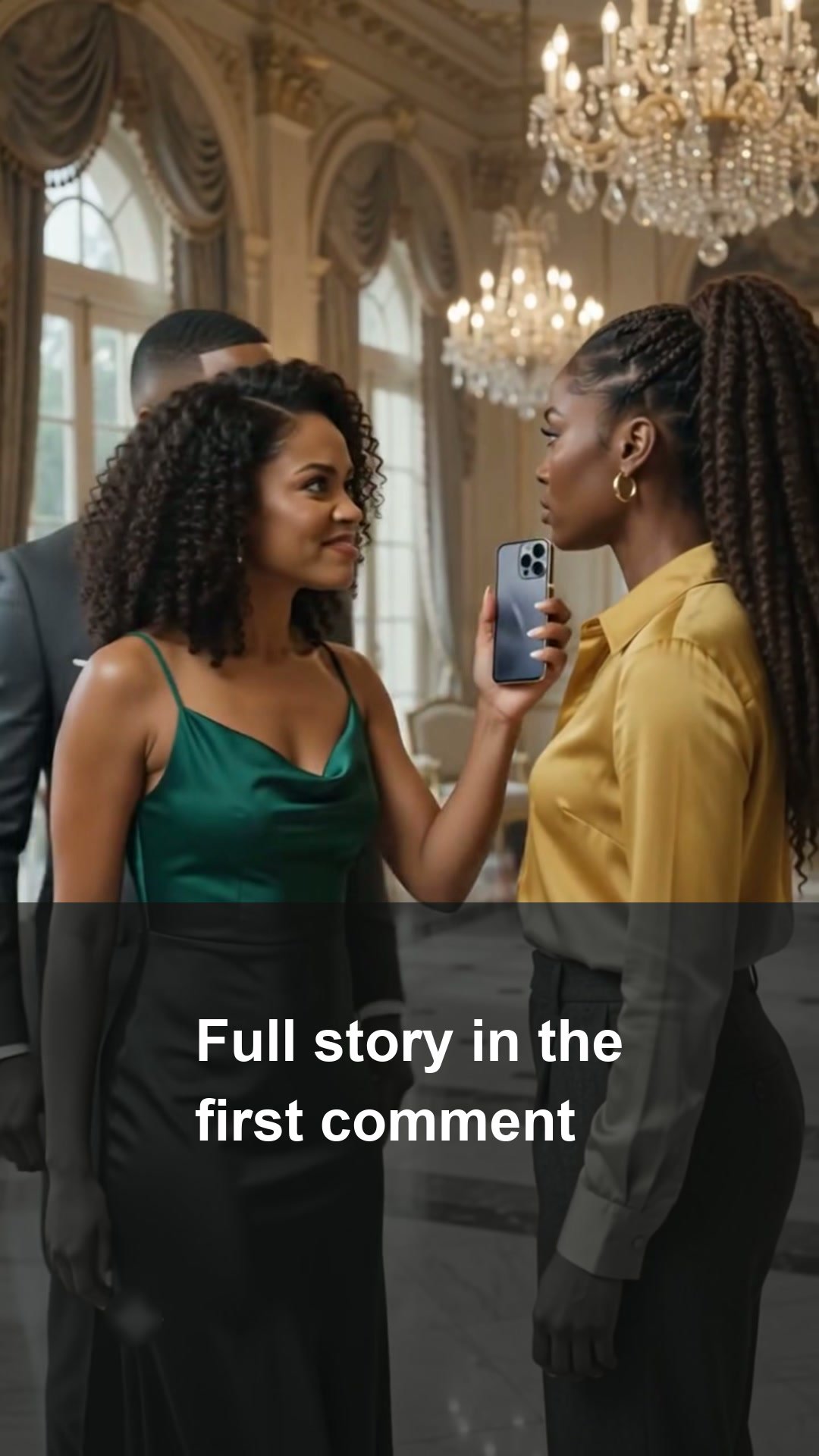
The first insult wasn’t a slap; it was a casual erasure. Three years into our marriage, Caleb started taking calls in the middle of dinner, his voice low and dismissive whenever I tried to speak. He began bringing Tiffany around, framing it as a professional courtesy, a way to build connections for his upcoming board seat. He’d leave me sitting at the head of the long, mahogany table, the candles burning down to puddles of wax, while he laughed in the study with her. I would sit there, the silence growing heavier with every tick of the grandfather clock, and listen to the way he talked about me—not as a person, but as an asset that was failing to appreciate in value. He’s dull, he said one night, the door left ajar. She’s just a placeholder. I didn’t confront him. I didn’t throw a glass. I stood up, walked into the kitchen, and started a new spreadsheet on my tablet. I began to map out every transaction, every offshore account, every signature he had forced me to provide under the guise of marital convenience.
I remember the day he asked me to sign the deed for the estate’s secondary holdings. He didn’t even look at me; he was watching the television, a glass of bourbon in his hand. It’s just paperwork, Elena, he said, a flick of his wrist. Don’t be tedious. I looked at the document, the lines of text blurring into a familiar, suffocating trap. My father’s ghost hovered in the room, his voice echoing in the back of my mind: you are the stone. I took the pen, the weight of it familiar and cold, and signed my name. I felt the shift, the tiny, tectonic crack in the foundation he had built for us. He didn’t notice, because he was never looking at me; he was looking at the prestige he thought he had already secured. I walked out of the room, my footsteps silent on the marble, and realized that I hadn’t been a victim of his ambition for seven years. I had been his auditor.
The slap came at the gala, a culmination of months of his growing, desperate arrogance. He thought he had me cornered, that the rumors of my ‘theft’ would strip me of my leverage and turn the board against me. He didn’t realize that the board, the journalists, and the very ground he stood on were all tied to the ledger I had been building since I was eight years old. As I walked away from his clutching, panicked hands, the echo of my own voice—*you were just the help*—still vibrated in the air. I looked back at the house, that neoclassical prison, and saw it for what it truly was: an inheritance of ashes. The decision was already made. I had spent a lifetime waiting for this exact silence to be filled with the sound of his collapse, and as I stepped into the black SUV, I didn’t feel the sting of his hand anymore. I only felt the cold, sharp clarity of finally being the one who held the pen.
The back seat of the SUV smelled of expensive leather and the ozone of an approaching storm. I watched the estate shrink into the rearview mirror, a white marble tomb for a family that had forgotten how to breathe without my capital. Beside me, Marcus Thorne sat with his briefcase on his knees, his knuckles white against the dark grain of the leather. He was a man who worshipped the letter of the law while holding a match to the structural integrity of the people who paid his retainer. He had been my father’s shadow for twenty years, a man who despised the Montgomerys for their decadence but had spent his entire career ensuring their bank accounts never dipped into the red. He looked at me, his eyes devoid of sympathy, and tapped his watch. It was a nervous habit, the relic of a man who was terrified that one day, the accounts would finally balance to zero. I thought of my father’s desk in the study, the way Marcus had polished the wood every Sunday, mourning a legacy he didn’t own. He wasn’t my ally; he was the mechanism. I decided then that his severance would be as cold as his loyalty.
Caleb stood on the front steps, his silhouette framed by the grand mahogany doors. He looked smaller than he had ten minutes ago, his tuxedo jacket rumpled, his face a landscape of incoherent rage. I recalled the way he used to check his reflection in the hallway mirror, adjusting his silk tie with the practiced vanity of a man who had never faced a genuine obstacle. He believed his charisma was a currency. He didn’t know that his entire life was a lease agreement I had decided not to renew. I felt a flicker of pity, sharp and fleeting as a razor blade, but I pushed it down. He was a man who wanted a trophy wife and found a silent landlord instead.
Evelyn watched from the upper window, a pale ghost in a silk robe. She had spent decades curating a reputation built on lace tablecloths and performative charity, ignoring the rot in the floorboards as long as the foundation held. She hated me because I knew the exact cost of her silence. Her fear was tangible, radiating through the glass—she knew the estate was no longer hers to guard.
Tiffany was huddled near the fountain, her expensive heels sinking into the wet grass. She was a woman who had traded her integrity for a seat at a table that was currently being disassembled. I looked at her and saw the vanity of a predator who didn’t realize she was the bait. She had wanted to be the new Mrs. Montgomery, never realizing that the position came with a debt of billions.
I leaned forward and tapped the glass divider. Marcus looked up, his face an unreadable mask of professional detachment. I told him to call the auditors. He hesitated, then nodded, a slight tremor in his jaw revealing his own fear of the void we were creating. The car pulled away, leaving the ruins of their lives to the encroaching shadows. I closed my eyes, the silence inside the car finally mine to keep.
The office of Marcus Thorne smelled of old vellum and expensive, cedar-wood floor polish. I sat in a leather chair that felt more like a throne than a seat, watching him type. The rhythmic clack of the mechanical keyboard was the heartbeat of my new existence. I reached into my bag and pulled out the forged receipt Caleb had used to frame me for the emerald theft. I placed it on the mahogany desk, my fingers tracing the jagged edge where the paper had been hastily torn. I told Marcus to file the police report for insurance fraud, specifically naming Caleb as the primary signatory. Marcus didn’t look up, but his fingers paused mid-stroke. He asked if I was certain about the fallout. I watched a spider crawl across the windowsill, its movements calculated and precise. I decided that hesitation was a luxury I could no longer afford. I told him to press send.
The phone rang exactly twelve minutes later. I didn’t answer it. I watched the screen light up with Caleb’s name, the vibration buzzing against the heavy glass of the desk. I ignored the frantic pulse of the device, feeling the weight of the wedding ring on my finger. It felt like a shackle. I picked up a pair of heavy brass shears from the desk and slid the band off, placing it on the blotter. I tapped the screen to reject the call, then dialed my private banker. I told them to freeze every liquid asset tied to the Montgomery trust, effective immediately. On the other end, the banker stammered about signatures and board protocols. I reminded him that as the sole shareholder of Vane Holdings, I was the board. He went quiet, then agreed. I hung up, the silence in the office deepening until it felt like a physical pressure against my eardrums.
I walked to the window. Below, the city sprawled like a circuit board, a maze of lights and secrets. I felt a phantom itch on my cheek where Caleb had struck me, the skin still humming with the memory of the impact. I turned back to Marcus, who was already drafting the document to contest the estate’s will. He looked older than he had that morning, his eyes rimmed with the exhaustion of someone watching a building collapse from the inside. I told him to include the DNA test results from the boutique hotel. He nodded, his pen scratching against the paper. The door opened; his assistant entered, placing a stack of legal briefs on the desk. They were the HR complaints from the house staff, testimonies regarding Caleb’s harassment and the financial coercion he’d enforced for years. I realized then that my life had been a cage, and I had been the one holding the key all along.
The intercom buzzed. A security guard from the lobby reported that Caleb was in the elevator, screaming about a lockout. I watched the red lights on the floor indicator climb: 12, 14, 16. I felt a surge of adrenaline, cold and sharp. I told Marcus to call the police, ensuring they arrived before the elevator doors opened. He picked up the receiver, his voice steady as he described an intruder on the premises. I leaned back, observing the way the light caught the dust motes in the air. I decided to greet him in the lobby, to be the first thing he saw when his world finished burning. I stood up, smoothing my skirt, the fabric crisp and unforgiving.
I took the service stairs, the concrete cool beneath my heels. My breath came in short, measured bursts. I reached the ground floor just as the elevator pinged. The doors slid open to reveal Caleb, his face a mottled mask of rage and confusion. Behind him, two uniformed officers were already stepping forward, their hands hovering near their holsters. I stood in the shadows of the marble pillar, watching him scan the room, his eyes frantic, looking for the woman he thought he could break. He saw me and lunged, but the lead officer grabbed his arm, slamming him against the brass frame of the elevator doors. The sound of the handcuffs clicking shut was the most musical thing I had ever heard. I stepped into the light. He saw me then, really saw me, the recognition hitting him harder than the steel cuffs. I didn’t say a word. I simply watched as they led him toward the revolving doors. I felt the final, irreversible snap of the tether that had bound me to his ruin. The lobby was filled with the sound of his shouting, but as I walked toward the exit, I heard only the steady, rhythmic click of my own shoes against the floor. I pushed through the glass, the evening air hitting my face with the sudden, sharp clarity of a winter storm. I didn’t look back at the police cruiser. I walked toward the black SUV waiting at the curb, knowing that by morning, the Montgomery name would be nothing more than a footnote in a bankruptcy filing. I reached for the door handle, my hand steady, my mind already composing the next chapter of a life that was finally, entirely mine.
The city did not wait for the sun to rise before it began to tear the Montgomery name apart. By dawn, the glass-fronted offices of Montgomery Enterprises were a hive of frantic activity, but it was the silence inside that felt loudest. I sat in a neutral, rented office three blocks away, watching the stock ticker on the monitors. It was a rhythmic, red pulse: the shares were hemorrhaging value, dropping in increments that represented entire fortunes vanishing into the ether. My phone sat face down on the desk, a graveyard of notifications from board members and hysterical texts from Evelyn. I did not touch it.
The news outlets had abandoned their usual sycophancy. On a muted screen in the corner, a local anchor stood before the mansion’s iron gates. The footage was grainy, caught by a neighbor’s doorbell camera: police tape crisscrossing the neoclassical pillars and Caleb being escorted out, his shirt collar torn, his face a mask of bewildered fury. The caption beneath him read: Montgomery Empire Insolvency: Embezzlement Allegations Rock City Elite.
A courier knocked and entered, sliding a manila envelope across the mahogany surface. He wouldn’t meet my eyes. He knew. Everyone in this city of vultures knew that the floor had shifted, and they were all terrified of falling through the cracks with the family I had just dismantled.
I opened the envelope. Inside were the formal notices of Tiffany Brooks’s social excommunication. Every charity board she sat on had issued a joint statement. The social media accounts that once documented her every brunch and gala were now flooded with the viral clip of me walking away from the ballroom. The public had turned the video into an anthem. The comments weren’t just about the money; they were about the sheer, surgical precision of the collapse. I scrolled through a thread where strangers debated the logistics of the seizure, their praise for my strategy feeling cold and distant, like reading a weather report about a storm I had orchestrated.
I stood up and walked to the window. Down on the street, a group of high school students paused to point at the Montgomery building, laughing and filming it with their phones. The prestige that had once suffocated me was now a punchline. I felt a phantom weight on my left hand, the space where the heavy diamond ring had lived for years. It was empty. The sensation was light, almost dizzying.
My assistant, a woman who didn’t know my history and therefore didn’t fear me, entered with a carafe of black coffee. She set it down, her movements efficient and quiet. She didn’t offer a platitude. She didn’t ask if I was alright. She simply treated me like a client, not a widow of an empire.
I poured the coffee. The heat against the ceramic mug was the only thing grounding me to the present. I looked at the door, realizing that for the first time in my life, I could walk out of here and no one would be waiting to track my location or demand my signature on a document I hadn’t vetted. The cost of my freedom had been the complete incineration of my social reality, but as I watched the Montgomery logo being peeled from the building across the street, I knew it was a bargain.
My phone vibrated. A text from Marcus Thorne: The warrants are served. The house is officially empty.
I picked up the phone. I didn’t reply. Instead, I deleted the contact, let the device slide into my bag, and turned toward the elevator. The city was still waking up, unaware that the architect of its most scandalous morning was walking out the door to get breakfast.
The studio apartment smelled of fresh paint and floor wax, a stark, sterile contrast to the gilded rot of the Montgomery estate. I set my single ceramic mug on the laminate counter—a surface that wouldn’t stain if I spilled, unlike the Italian marble I had spent years meticulously cleaning. My finger felt light, the phantom weight of the heavy diamond band long gone, replaced by a smooth, unencumbered circle of skin. I traced the line where the gold had once pressed, a permanent indentation finally beginning to fade.
There was no staff to greet me, no schedule pinned to the wall, and no one waiting in the parlor to interrogate my whereabouts. I pulled the blinds up, watching the morning commuters scurry through the park below. They were small, indistinct figures moving with a frantic, rhythmic purpose, utterly indifferent to the fact that the woman watching them was the same one who had leveled a dynasty three days prior. I didn’t look behind me. There were no cameras in the corners, no security sweeps to conduct, and no hidden microphones tucked behind the baseboards.
I sat on the floor, my back against the wall, and pulled a blank notebook onto my knees. The pen hovered over the paper for a long time, the ink bleeding into the fibers. For the first time in seven years, I was not drafting a strategy to reclaim what was mine; I was drafting a list of things I liked that had nothing to do with market shares or board votes. I wrote: *Black coffee. Sunlight. Silence.*
My phone lay on the far side of the room, face down. It didn’t buzz with updates from Marcus or frantic, threatening voicemails from Evelyn. The silence of the apartment wasn’t the suffocating, heavy quiet of the mansion; it was the quiet of an open window, a space that allowed for breath rather than suppressing it. I stood up and walked to the kitchen, the floorboards creaking beneath my weight—a sound that belonged entirely to me.
I made a second cup of coffee, the steam curling into the thin morning air. Caleb was likely sitting in a holding cell, stripped of his suit and his name, waiting for a lawyer who was still processing the fact that the Montgomery empire had effectively ceased to exist under his stewardship. I didn’t hate him. Hate required an investment of energy I was no longer willing to spend. Instead, I felt a profound, settling sense of obsolescence. I had fulfilled my purpose. I was finally, irrevocably invisible.
I took a sip of the bitter, hot liquid, watching a sparrow land on the fire escape. It didn’t look at me, nor did I need it to. The door was locked from the inside, and for the first time, I felt no need to reach for the key. I had arrived.
The rental apartment smelled of lemon oil and dust. I sat on the hardwood floor, unrolling a yoga mat I had bought at a discount store, its plastic packaging crinkling in the silence. The sunlight here didn’t come through heavy velvet curtains; it hit the floorboards in unadulterated, dusty beams that highlighted the imperfection of the wood grain. I pressed my palms flat against the surface, feeling the cool, solid resistance beneath my skin.
How are you feeling, Elena? Dr. Aris asked, her voice sounding thin through the laptop speakers.
I moved my gaze to the window. A neighbor’s laundry flapped on a nearby line, a riot of mismatched colors. I’m not checking the locks, I said. It was the first time I had voiced the realization aloud.
Her pen scratched against paper, a rhythmic, grounding sound. That is a significant marker of safety.
I wasn’t sure it was safety. It felt more like the absence of a predator. I looked at my bare hand, the skin where the diamond band had sat for seven years now pale and unmarred by pressure. I didn’t miss the weight. I reached for the lukewarm mug of herbal tea, the ceramic smooth against my fingers. I realized I hadn’t asked anyone for permission to move in three days. I had painted the kitchen wall a shade of blue that would have made Evelyn faint, a decision made at four in the morning, executed with a cheap brush and a sense of irreverent joy.
I decided then to leave the laptop closed. I stood up, stretching until my spine popped, the sound loud and private in the small room. I walked to the front door, unlocked it, and stepped out into the hallway. I didn’t need to be invisible anymore; I just needed to be real. I headed toward the stairs, intent on finding the nearest park, wondering if the grass would feel as sharp and honest as the floorboards.
The park was nearly empty, save for a stray dog chasing its own shadow near the fountain. I sat on a bench that still held the morning chill, the metal grating biting through my trousers. My phone buzzed in my pocket—a news alert about the Montgomery liquidation—but I silenced it without looking. For seven years, my life had been a script written by someone else, measured in assets and performance. Now, I watched a young woman walk past, her gaze fixed intently on the horizon rather than the man trailing three paces behind her. I pulled a small, silver key from my coat pocket—the one to the old estate safe—and gripped it until the edges pressed into my palm. I dropped it into the murky, still water of the fountain.
Leave a Reply