The sound of sirens finally drowned out the applause of the people who tried to destroy my future.
I stood on the marble terrace, my fingers tracing the cold, jagged edge of a shattered champagne flute. The music had died, replaced by the rhythmic crunch of boots on gravel and the frantic, hollow shouting of security teams. Smoke curled from a laptop left open on the mahogany bar, the screen black as the server crash took hold.
Julian stepped through the French doors, his face a mask of purple-veined confusion. He reached for my wrist, his grip smelling of expensive bourbon and desperation.
Did you do this? he hissed, his voice cracking against the wind.
I looked at his manicured cuticles, then up into his frantic, bloodshot eyes. I didn’t pull away. I didn’t blink. The weight of the child pressed against my spine, a small, solid anchor in the chaos. I felt a surge of cold, clinical clarity that rendered his panic entirely pathetic. If I answered now, the vibration of my voice would betray the trembling in my knees. I closed my eyes and stepped toward the ledge. Everything is over, Julian.
The alarm clock hummed a low, synthetic C-sharp at exactly 6:00 AM. I reached across the expanse of the silk sheets, my hand landing on the cool, vacant space where Julian’s back should have been. He was already gone, likely downstairs with the morning papers and the bitter smell of black espresso. I swung my legs over the edge of the bed, the mahogany floorboards cold against my heels, and stood up to catch my reflection in the floor-to-ceiling mirror. My silk robe hung loosely over my frame, the belt cinched tight, masking the subtle, heavy blooming of my abdomen. I looked like a portrait of domestic stability. I looked like a lie.
Downstairs, the kitchen hummed with the quiet efficiency of hired staff. Arthur was at the head of the marble island, his silver hair catching the early morning light as he scrolled through a tablet.
Morning, Arthur, I said, my voice steady, practiced.
He didn’t look up, just tapped the screen. Heavy rain coming in from the coast by noon. Make sure you don’t take the convertible if you’re heading into the city.
I reached for the Nespresso pod, the aluminum cool and light in my palm. The machine whirred, a metallic grind that echoed in the cavernous room. I added a drop of cream, watching the liquid marbleize into a pale, sickly tan. It was the same routine as yesterday. It would be the same routine tomorrow. The cadence of our lives was so meticulously constructed that any deviation felt like a structural failure.
I spent the morning in the home office, the glow of the dual monitors illuminating the spreadsheets I’d been auditing for weeks. I moved decimal points with the casual grace of a surgeon. A ghost entry here, a shell entity there—everything tucked neatly into the crevices of the Vance empire. Every keystroke was a silent demolition, but the room remained stiflingly quiet. Outside, the gardener was clipping the hedges, the rhythmic snip-snip of his shears punctuating the silence of the estate. It was a rhythmic, orderly sound. It was the sound of a world that believed it was invincible.
By 11:30 AM, the sky had turned the color of a bruised plum. I leaned back in my leather chair, the leather creaking softly, and looked at the framed photograph on my desk. Julian and I, smiling in Tuscany, our bodies posed for a magazine spread that would never be printed. I didn’t recognize the woman in the picture. She looked soft. She looked like she believed in the permanence of the architecture surrounding her.
My stomach gave a sharp, sudden flutter—a reminder of the life growing inside me, a tiny, impatient pulse against my ribs. I placed a hand over the bump, pressing down firmly.
We’re almost there, I whispered to the empty air.
The silence of the house was absolute, a heavy, velvet weight that pressed against my eardrums. I checked my watch. The market would be opening in a few minutes. The figures on my screen were waiting for the final, irreversible command. I reached for my phone, my thumb hovering over the interface, ready to initiate the cascade.
Then, the silence shattered.
The landline on my desk, a device that rarely saw use, let out a sharp, jagged trill. It vibrated against the mahogany surface, the sound harsh and intrusive in the quiet room. I stared at the blinking light, my heart hammering a singular, slow beat. I didn’t move. The phone rang again, demanding, insistent. I reached out, my fingers trembling just enough to notice, and lifted the receiver.
Arthur’s voice didn’t greet me; it barked. The static on the line sounded like dry leaves skittering across pavement. Clara, I need you in the ballroom. Now. Beatrice is handling the press for the foundation gala, and Julian has already had too much scotch. Don’t make me come up there.
The receiver felt heavy, a cold weight of brass and plastic. I looked at the cursor blinking on my laptop screen, hovering over the execute command that would freeze the Vance Holdings offshore accounts. Arthur’s demand was a predictable inconvenience, a final attempt to assert control over the scenery before the curtain dropped.
He hung up before I could reply. The dial tone was a flat, clinical drone.
My reflection in the darkened window showed a woman perfectly composed in silk and pearls, the picture of the dutiful daughter-in-law. I stood, my skirt brushing against the mahogany desk, and smoothed the fabric over my belly. The baby kicked, a sharp, insistent jab that centered me. I wasn’t just doing this for the forensic truth; I was doing it for the silence that would follow the noise.
I walked to the safe hidden behind the floor-to-ceiling bookshelves. My fingers worked the combination with muscle memory that felt alien to my conscience. I pulled out the ledger—the physical proof of Arthur’s shell companies—and tucked it into the hidden pocket of my clutch. I didn’t need the digital files alone; I needed the physical paper trail, the ink that couldn’t be scrubbed by a high-priced server purge.
I took a deep breath, the air in the office stale with the scent of old paper and wealth. This was the threshold. If I walked down those stairs, I was confirming my role in the charade for one last hour. If I stayed, the house would realize it was under siege before the authorities even crossed the gate.
I chose the ballroom. I needed them to see me. I needed them to believe I was exactly where they had placed me—on display, under their thumb, and completely oblivious to the detonator sitting in my palm.
I stepped out of the office and into the gallery. The grand staircase loomed ahead, the chandelier overhead casting long, jagged shadows against the marble floor. Below, the murmur of the elite echoed like a tide. I reached into my pocket and touched the small, cold metal switch of the wireless transmitter. My thumb found the trigger.
I descended the stairs, each step deliberate, counting the seconds until the market opened. The sound of a glass breaking in the ballroom cut through the laughter, followed by Julian’s forced, booming laugh. It was a pathetic, brittle sound. I reached the landing, catching sight of him near the fountain, arm draped around Chloe’s waist. He looked at me, his eyes glazed with arrogance.
Then, the first siren wailed in the distance. I smiled.
I stepped into the quiet gloom of the study, the heavy mahogany door clicking shut behind me to dampen the rising panic of the gala outside. My phone vibrated against the polished surface of the desk, a rhythmic, insistent pulse. I pressed the screen against my ear. Arthur’s voice was a gravelly tremor, thin and stripped of its usual boardroom authority. He told me the offshore accounts were locked because of a routine maintenance error, a glitch in the digital infrastructure. He sounded like a man drowning in a shallow pool. I stared at the ledger resting on his blotting pad—the ink still fresh, the signatures clearly forged. I told him I was worried about the liquidity, but he snapped that the money was untouchable, protected by a firewall that even the feds couldn’t breach. I hung up before he could ask where I was. The contradiction hung in the air: Arthur said the servers were down, but my own audit of the terminal ten minutes ago showed they were actively pinging a secure server in Zurich.
I dialed the St. Jude’s Hotel, the concierge line for our private suite. The shift manager picked up, his voice oily and rehearsed. He insisted that Julian had checked out at noon, accompanied by a woman matching Chloe’s description. I looked at the security feed running on my tablet, showing Julian’s car parked in the garage, idling. The manager was lying, or he was being paid to facilitate a ghost. I leaned back, my hand resting on the bump of my stomach, the baby shifting in protest against the tight silk of my dress. I decided then that the truth wasn’t in the people; it was in the gaps they left behind. I called the private nurse, Sarah, who had been tasked with monitoring my vitals since the second trimester. She picked up on the third ring, sounding breathless. She claimed she was at the estate, parked near the service entrance, but I could hear the distinct, rhythmic clatter of a subway train in the background. She said there had been no medical emergencies today. My heart rate stayed flat, clinical and cold. She was running, and she was doing it under the cover of a lie.
I drove toward the east wing gate, the tires crunching over the gravel driveway. A groundskeeper stood by the service light, his head bowed, clutching a flashlight. I pulled up, the window sliding down to reveal his face, illuminated by the harsh glow of the dashboard. I asked him if he had seen the van leave at noon. He shook his head, pointing toward the cliffside road, swearing that no vehicles had passed since dawn. I looked at the tire tracks carved deep into the wet grass, fresh and heavy, pointing toward the main road. He was protecting them, or he was terrified of what he had seen. I checked the transmitter signal; it was pulsing, steady and defiant. Everything was a distortion. The money was trapped, yet moving. The husband was absent, yet present. The witnesses were blind, yet watching. I turned the car, heading not toward the party, but toward the records office in the city. The game was no longer about what they said; it was about how long they could keep talking before the silence of the vault became too loud to ignore.
The city office was a tomb of dust and fluorescent light. I bypassed the receptionist’s desk, my heels clicking a sharp, rhythmic warning against the linoleum, and pressed my thumb against the biometric scanner of the private archives. The system flickered, recognized my unauthorized clearance—the one Arthur never suspected I’d replicated—and groaned open. Inside, rows of metal cabinets stretched into the shadows, holding the physical skeletons of the Vance legacy.
I pulled file 88-B, the original ledger for the shell companies Julian had insisted were merely tax-exempt holding vessels. I spread the parchment across a scarred wooden table. My fingers, steady as a surgeon’s, traced the ink. It was all there: the deliberate under-reporting, the kickbacks disguised as charity, the precise dates that linked Julian’s personal spending to the liquidation of the pension funds. I didn’t feel the familiar surge of adrenaline; I felt only the cold, mechanical satisfaction of a gear locking into place.
I took my phone, the screen casting a pale, sickly light onto the document, and photographed every page. Each shutter click was a nail. I thought of the nursery Julian had insisted on painting navy blue, a room intended to cage a child into a history of theft. My heart hammered against my ribs, a trapped bird, but my face remained a mask of practiced indifference. I decided then to leave the originals. Let them find the space where the truth used to be.
The heavy steel door creaked behind me. Julian stood in the threshold, his face flushed with the kind of frantic indignation that usually preceded his worst outbursts. He clutched his tuxedo jacket, his tie loosened, a man trying to play a role in a script that had already been shredded. He looked at the files, then at me, his eyes narrowing as he realized the vacuum of power had finally shifted.
I am not the woman you married.
My mother kept our household ledgers in a hollowed-out copy of a tax law textbook. I was seven when I first learned that money was not a commodity, but a form of weather. It could be predicted, it could be hoarded, and it could be used to drown the people you didn’t like. She taught me to look for the discrepancy, the stray decimal point, the missing receipt. She died owing the bank a house she never really owned, but she left me with the habit of reading the fine print while everyone else was watching the fireworks. I learned then that if you want to break a system, you don’t throw a rock at the glass; you find the structural load-bearing wall and you rot it from the inside with silence.
When I met Julian, he was the architect of his own charm, a master of the curated narrative. He brought me to his father’s estate on a rainy Tuesday in October. Arthur Vance stood in the foyer, a man who smelled of expensive scotch and unearned authority. He held a glass of amber liquid, tilting it toward me as if I were a new piece of furniture he was considering for the library. He asked me what my father did for a living. I told him he was a ghost. Arthur laughed, a dry, papery sound that didn’t reach his eyes. He said that in this family, we didn’t deal in ghosts, only in legacies. I should have looked at the floorboards then, at the way the wood was polished to a mirror sheen to hide the fact that the house was settling into the cliffside, pulling itself apart grain by grain. I said nothing. I smiled the smile he wanted to see, the one that suggested I was grateful for the invitation.
Six months into the marriage, I found the first ledger. It was tucked behind a false panel in the study, a place Julian thought was impenetrable because he couldn’t imagine anyone being curious enough to look. I sat on the cold marble floor for three hours, tracing the flow of capital from a logistics firm that didn’t exist to a series of offshore accounts that bore the names of Arthur’s deceased college friends. My stomach cramped, a sharp, twisting sensation that I would later recognize as the exact moment my naivety evaporated. I didn’t cry. I didn’t confront him. I pulled out my phone and took photographs of every page, the shutter sound muffled by the thick velvet curtains. I realized then that my role wasn’t to be a wife; it was to be the vault. They thought I was a decoration, someone who would provide a pedigree for their next generation while they continued to bleed the world dry.
Julian entered the room while I was still kneeling. He didn’t ask what I was doing; he just assumed I was tidying up, a woman performing her domestic duty. He leaned over my shoulder, his cologne cloying and heavy. He mentioned that we were going to a gala in the city, that I needed to wear the emeralds his mother had lent me. He tapped his fingers on my collarbone, a rhythm that was supposed to be affection but felt like a tallying of inventory. I looked up at him and asked about the logistics firm. His hand stilled. He told me that business was a language I didn’t speak and that I should focus on the guest list for the winter ball. He kissed my forehead, a gesture that was meant to close the conversation. I decided then that I would learn the language of his destruction better than he knew the language of his greed.
The next year was a masterclass in performative submission. I attended the luncheons where Beatrice Vance spoke of me as if I were a pet she had recently house-trained. She liked to talk about bloodlines and the necessity of keeping the money concentrated, her voice thin and sharp like a razor blade. I sat across from her at the long mahogany table, listening to her dictate the terms of my existence, and I imagined the look on her face when the federal agents would eventually walk through those double doors. I was a sponge, absorbing every offhand comment, every mention of a secret project, every password mumbled in a drunken stupor. I cataloged their arrogance as if it were a billable hour.
My younger brother, Elias, called me from a payphone near his halfway house in the city. He was the only person who knew I was still in the house, still playing the part. He begged me to leave, his voice trembling with the same desperation I had felt in my mother’s final weeks. He told me the Vances weren’t just powerful; they were tectonic. If I stayed, I would be crushed. I told him I was fine, that I had everything under control, but the truth was that I had already begun to move the assets. I was shifting the wealth, a fraction at a time, into accounts that didn’t exist to them. I was turning their own fortune into a ghost story. I hung up the phone and looked out at the ocean, the grey waves crashing against the rocks below. I decided then that I wasn’t just surviving; I was preparing the altar.
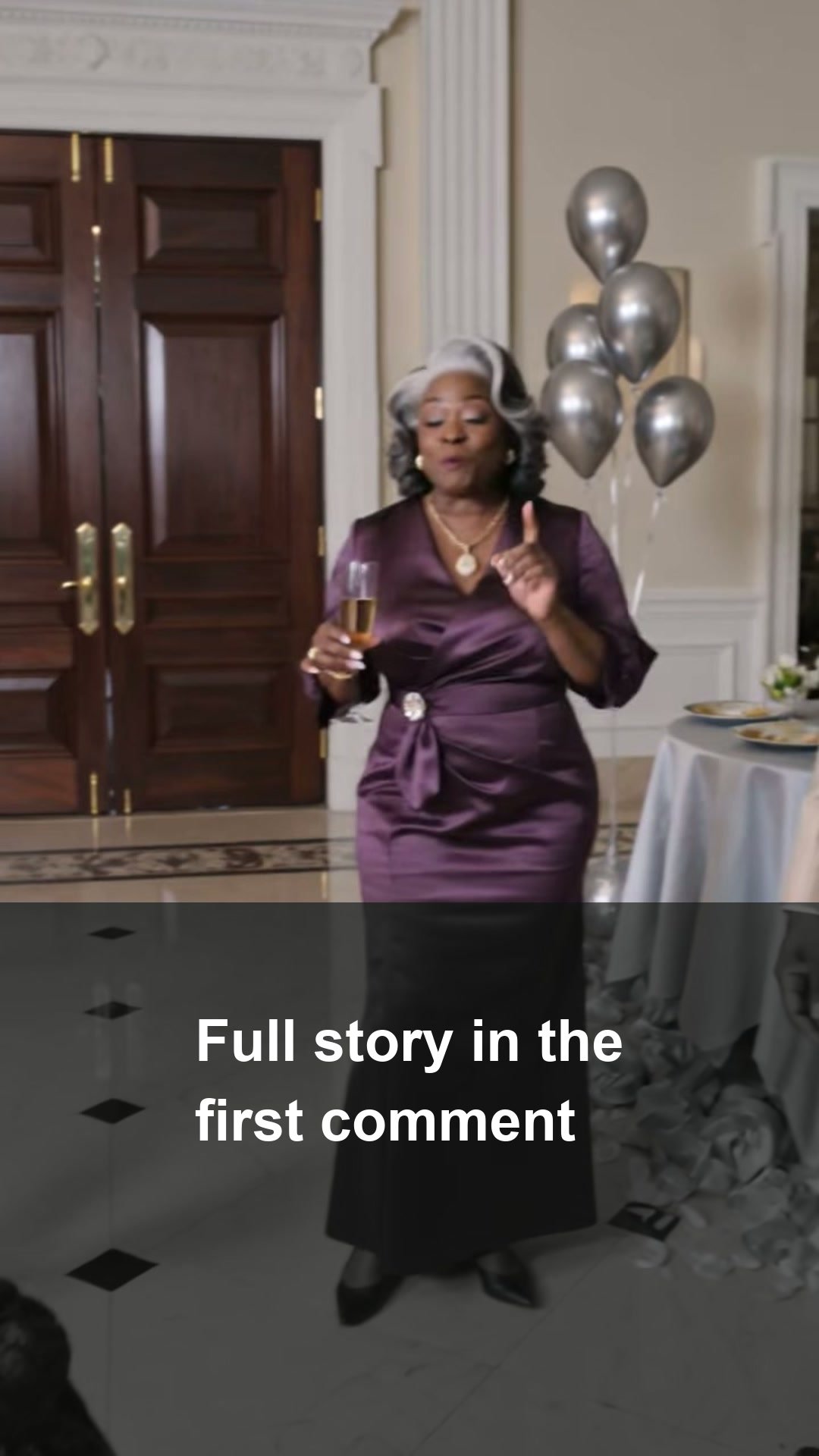
The final insult came in the form of a dinner party, the one where they announced the pregnancy. They treated it like a merger, a consolidation of assets. Arthur sat at the head of the table, his eyes bright with a predatory hunger as he talked about the future of the firm. He didn’t look at me; he looked at the womb, the vessel for his next dynasty. I sat there, a woman carrying their heir, knowing that the baby would never be a Vance. I had already filed the papers that would place the child in a trust independent of the estate, a legal fortress they couldn’t penetrate. I held my champagne flute, the glass cool and heavy in my hand, and I watched Julian toast to the future. He looked so confident, so entirely certain that he owned the world, that he didn’t notice the way I had stopped looking at him with love and started looking at him like a specimen.
I remember the way the house felt that night. It was silent, save for the hum of the climate control and the distant roar of the surf. I walked the corridors, touching the walls, the portraits of men who had been just as corrupt and just as convinced of their immortality as Arthur. I realized then that they were all ghosts, every single one of them. They were a lineage of thieves who had built their kingdom on the assumption that no one would ever be brave enough to look at the ledger. I went to the safe one last time, not to take anything, but to leave something behind. I left a copy of the proof, a digital thumb drive tucked into the velvet lining, knowing it would be the first thing they would find when the walls finally collapsed.
I remember the way the light caught the dust motes in the library, the absolute stillness of the room before the storm. I stood in the center of the floor, the weight of the child in my belly, the weight of the secret in my mind. It was a strange, heady feeling, to be so entirely alone and so entirely in control. They thought I was a guest, a placeholder, a woman who would vanish into the shadow of their name. They never understood that I wasn’t the one who was trapped. I was the one who held the key, and I had been waiting for the exact right moment to turn it. I walked out of the library, leaving the door slightly ajar, the air behind me cooling as if the house itself was exhaling. I looked at the staircase, the grand, sweeping arc of wood that had served as the stage for so many of their performances, and I realized that the applause was already starting to fade. The next sound wouldn’t be a celebration. It would be the sound of a dynasty ending, and I was the one who had finally decided it was time to close the book.
I climbed the marble stairs to the master suite, my heels clicking with a rhythmic, terrifying precision. In the doorway, Beatrice stood checking her reflection in the gilded mirror, her movements jerky, frantic, as if she were trying to smooth away the cracks in her own porcelain mask. She adjusted her pearls—the ones Arthur had given her after his third federal investigation. She believed those strings of calcium carbonate held her life together, yet she spent her nights popping barbiturates to numb the reality that she was merely a silent accessory to his fraud. I stopped, watching her. She touched a hand to her throat, a nervous, involuntary gesture that betrayed her deep, gnawing fear of insignificance. She wanted to remain the queen of this cliffside tomb; she did not realize that I had already stripped the throne of its legs. I didn’t say a word, just let my silence settle between us like a shroud. She glanced at me, her eyes darting to my midsection, then away, avoiding the truth of her impending obsolescence. She turned back to the mirror, smoothing her dress with trembling fingers, choosing to prioritize the image of a wife over the safety of her own future. I moved past her, sensing the brittle vanity that had rendered her blind to the evidence I had been planting in her vanity drawers for months.
Down the hall, Julian was pacing his office, the door ajar. He was on the phone, his voice a low, jagged rasp, demanding that his lead counsel bury a witness in a pile of non-disclosure agreements. He was a man drowning in the shallow end of his own ego, convinced that his surname was a shield rather than a target. I paused in the shadows, listening to him threaten a junior analyst, his tone dripping with the unearned entitlement of a third-generation heir who had never built a single brick of his own life. He hated the world because it required him to be competent, and he loathed me because I was the only person who saw his incompetence for what it was—a void. He slammed the receiver down, spinning around, his face flushed with the exertion of maintaining a persona he could no longer afford. He didn’t see me. He saw only his reflection in the dark glass of the window, a man who thought he was a titan while he was already a ghost. I stepped into the light. He flinched, the arrogance flickering for a second, replaced by a raw, naked panic he immediately tried to swallow. He reached for his scotch, a child hiding behind a glass, confirming my decision to let the legal tide finish what I had started.
I met Marcus Thorne near the service entrance. He stood leaning against the stone wall, his silhouette sharp against the moonlight, his presence a stark contrast to the opulence rotting inside. He was a man who traded in cold, calculated justice, yet there was a flicker of genuine shock in his eyes when he looked at me—the kind of look reserved for someone who realizes they have underestimated a force of nature. He reached for his inner pocket, not for a gun, but for the flash drive I had promised him months ago. He needed this win for his career; he needed to dismantle the Vance empire to justify the last five years of his life spent in the margins of their influence. Yet, as our hands brushed, he hesitated, his gaze lingering on my face, sensing that I was not merely a whistle-blower but the architect of the entire collapse. He wanted to claim this as a victory for the law, but he knew, deep down, that he was merely the instrument I had chosen to finish the work. I pulled my hand back, my grip firm. The decision was already made; the machinery of their destruction was already humming in the dark, waiting for the final, simple input of my intent. I turned toward the garden, the cool air biting at my skin, ready for the sirens to begin their song.
The garden path was paved with slate that bit into my heels, a physical reminder of the stability I was about to incinerate. I reached the service entrance, my fingers fumbling only once with the heavy brass key before the lock clicked. Inside, the kitchen was sterile, smelling of lemon oil and the unspoken, suffocating hierarchy of the Vance household. My phone vibrated against the marble island, the screen illuminating a text from Julian: *Dinner at eight. Do not be late, or do not bother coming back.* I deleted the message without opening it. My thumb hovered over the banking app, the numbers displayed there a lifetime of accumulated silence, now weaponized. With three precise taps, I initiated the wire transfer of the joint emergency fund into the trust I had established under my mother’s maiden name. It was not theft; it was the recovery of a debt.
The notification of the transfer success pinged—a quiet, digital chime that sounded like a gavel. I did not feel guilt, only the cold, sharp clarity of a surgical strike. My phone buzzed again. It was the bank’s fraud department, their automated security trigger sensing the sudden movement of capital. I answered, my voice steady, practiced, and devoid of tremor. I recited the authorization codes I had spent months manipulating, layering my identity over Julian’s until the machine couldn’t tell the difference. By the time I hung up, the Vance liquidity was a ghost.
I walked to the study, my footsteps echoing against the mahogany paneling. Arthur’s desk sat in the center of the room, a throne of paper and secrets. I opened the floor-to-ceiling safe, the combination a rhythm I had memorized while pretending to sleep beside Julian. I pulled out the ledger—the one documenting the shell companies in the Caymans—and slipped it into my coat. My breath hitched as the study door creaked. I froze, my hand still inside the safe, but it was only the housemaid, Maria. She looked at me, then at the open safe, her eyes widening. I didn’t blink. I simply closed the safe, locked it, and looked at her with a smile that didn’t reach my eyes. She turned around and walked away, her silence purchased by months of my quiet, calculated kindness.
I sat at the mahogany desk and opened my laptop. I pulled up the portal for the local precinct and began the online submission of a formal report regarding domestic abuse. I typed out the dates, the times, the specific, jagged insults that had been hurled at me like stones. I uploaded the audio files I had meticulously gathered over the last two years—the sound of Julian’s voice, slurred and cruel, echoing through the empty rooms of this mansion. The *Submit* button felt heavy, a physical weight beneath my fingertip. I pressed it. The digital transmission was near-instant, a message sent into the ether that would land like a mortar shell on their legacy.
Within minutes, my phone began to ring. It was Julian. I let it go to voicemail, watching the bar crawl across the screen. He was escalating, his panic bleeding through the phone line. *Clara, what the hell is this? The bank is saying our accounts are flagged. Where are you?* I didn’t answer. Instead, I sent an email to the firm’s HR department, attaching the evidence of Arthur’s labor violations and the falsified safety audits. I cc’d the regulatory board. The moment I hit send, the house seemed to shift. The lights flickered as if the building itself were reacting to the loss of its blood supply.
I heard the heavy front door slam open. Julian’s boots thudded against the foyer floor. He was shouting my name, the sound raw and unhinged. I stood up and walked to the mirror in the hallway. I looked at my own reflection, searching for the woman I had been three years ago—the one who believed in reform, in love, in the inherent goodness of people like the Vances. She was gone. In her place stood a stranger with eyes like glass.
I heard him running toward the study. I reached into my bag and pulled out the legal notice I had drafted with the attorney I hired under the radar—the one who specialized in scorched-earth divorces and corporate dissolution. I placed the document squarely in the center of the desk. When Julian burst into the room, his face was flushed, his tie askew. He stopped dead, his eyes flicking from me to the desk, then to the empty safe.
Where is the ledger, Clara? he hissed, his voice trembling with a mix of fury and dawning terror.
I didn’t answer. I reached into my coat and pulled out the DNA test results I had intercepted from the mail that morning—the one confirming the biological reality of the child Chloe claimed was his. I dropped it on the floor between us.
He looked down, his world shrinking to the paper at his feet. You think you can destroy me? he whispered, his hands balled into fists. You’re nothing. You’re a ghost in this house.
I looked at him, feeling the baby move within me—a singular, defiant kick. No, I said, my voice clinical and precise. I am the auditor.
As he stepped forward, his face contorted in a mask of violence, a siren began to wail in the distance, cutting through the heavy, stagnant air of the estate. It was not one car, but many, approaching with the inevitability of a collapsing star. I walked past him, my posture perfect, heading for the front door. I didn’t look back when he screamed. I simply stepped out onto the porch and watched the blue and red lights crest the driveway, turning the dark, manicured hedges into a jagged, strobe-lit cage.
The gravel crunched under the boots of federal agents as they swarmed the lawn, their tactical gear reflecting the strobe lights like predatory scales. I stood on the granite landing, my silk dress fluttering in the coastal wind, watching the Vance empire dissolve in real-time. My phone, tucked into my clutch, began to vibrate with a rhythmic, frantic intensity that felt like a dying heartbeat. The first notification was a headline from the Financial Times: Vance Holdings Suspended; Trading Halted Amid Federal Raid.
A woman I had played tennis with twice last month, Sarah, sent a text: Are you okay? Should I delete the photos from the fundraiser?
I didn’t respond. I watched Beatrice emerge from the foyer, her face a mask of powdered panic. She clutched a Chanel bag as if it could shield her from the cameras already lining the perimeter of the estate. A cameraman pushed past the security gate, his lens fixed on her with the clinical hunger of an insect. She turned, her lip trembling as she tried to shout something about executive privilege, but the wind snatched the words away.
It wasn’t just the family. It was the entire architecture of the life they had built. I watched a neighbor—a man who had spent three years licking Arthur’s boots for a board seat—scurry toward his SUV, his eyes fixed firmly on the ground to avoid acknowledging the carnage. The school board president, who had once lectured me on the importance of Vance philanthropy, messaged my private line: The scholarship committee is convening to discuss the Vance legacy. We will be renaming the library tomorrow.
The cost was not just in money; it was in the total erasure of my history. Every photograph in this house, every dinner party I had endured, every polite smile I had traded for social safety was being scrubbed from the record. I felt a hollow weight in my chest, a phantom limb syndrome for a life I had only ever hated.
A young agent approached me, his face neutral. Mrs. Vance? We need to clear the perimeter.
I looked at him, then at the house. The windows were lit, casting a warm, deceptive glow over the chaos. I felt the baby shift, a sharp pressure against my ribs that reminded me of the stakes. I am not Mrs. Vance, I said, my voice steady, though I felt the tremor in my knees. I handed him the encrypted drive I had carried in my pocket for six months. I am the witness.
He took the drive, his eyes widening as he registered the weight of what I had provided. I walked past the barricades, leaving the shouting, the sirens, and the falling stocks behind. As I reached the edge of the property, my phone pinged one last time. It was an automated alert from my bank: Account balance zeroed. Federal freeze initiated.
I stopped at the stone pillar at the end of the driveway and looked back. The mansion was no longer a home or a trophy; it was a tomb. I pulled the heavy diamond band from my finger—the ring Julian had used to measure my worth—and let it slide into the tall, damp grass. I didn’t care where it landed. I stepped into the waiting car, the door clicking shut with a finality that felt like the first breath of clean air I had taken in years. I had no money, no home, and a name that would soon be a slur, but for the first time, I was the only person in the room who knew exactly what would happen next. I tapped the driver on the shoulder and gave him the address to a station three towns over. I was ready to be invisible.
The station waiting room smelled of industrial floor wax and stale coffee. I sat on a bench of bolted metal, the vinyl cold against my legs. I pulled a manila folder from my tote—my passport, the new medical records, and the deed to a small, nondescript apartment in a city three states away. The clerk behind the plexiglass glass finally slid a document toward me. It was the finalized annulment decree, stamped with a seal that rendered my years of marriage to Julian Vance a legal fiction.
I picked up the pen. The ink felt thick as I signed my maiden name, a signature I hadn’t used since the day I met him. I didn’t look back at the clock. The clock was for people waiting for something to happen, and I had already finished the work. I felt a sharp, rhythmic pulse beneath my ribs. The baby shifted, a tiny, defiant rebellion against the stress of the morning. I pressed my palm against my stomach and felt the warmth of a life that was finally, truly mine.
I stepped outside into the gray afternoon. My phone vibrated in my pocket. A headline notification flashed: Vance Empire Assets Frozen, Patriarch Denied Bail. I swiped the notification away. It was no longer my business. I walked to the bus terminal, my footsteps echoing on the concrete. I boarded the coach to the city, taking a seat in the back row by the window. I watched the sprawling, golden gates of the Vance estate shrink into a speck on the horizon until they were swallowed by the mist of the coastline.
I pulled out a small notebook and started the first entry. I wrote about the silence of the house once the police tape went up, and the way the air felt different when the name Vance was stripped of its power. I didn’t write about Julian’s face when the cuffs clicked shut, or the way the mistress had wept in the driveway. Those images were dust. I looked at the reflection in the window—a woman with no jewelry, no titles, and no debt. I wasn’t an orphan or a trophy or an architect of ruin anymore. I was just a mother, heading toward a quiet apartment I had bought under a name no one would ever connect to the headlines. I closed my eyes as the bus accelerated onto the highway. The engine hummed, a steady, rhythmic vibration that promised nothing but the next mile, and for the first time, that was enough.
The apartment smelled of fresh paint and lavender, a scent so aggressively domestic it made my teeth ache. I sat on the floor, the hardwood cool against my legs, watching a golden retriever puppy named Barnaby chew on the leg of a second-hand oak table. He stopped, tilted his head, and let out a soft, inquisitive huff. I reached out, burying my fingers in the coarse fur behind his ears. The rhythm of his breathing was the only sound in the room, a stark departure from the frantic, jagged static of the Vance estate. My phone, purged of every contact associated with my previous life, lay face down on the kitchen counter like a discarded weapon. I walked to the small balcony and pushed the glass door open, the salt-slicked air of the coast hitting my face with the force of a physical apology. Down below, the tide was retreating, leaving behind a shimmering expanse of wet sand that looked like hammered silver. I traced the empty space on my ring finger, the skin pale where the weight of the diamond had pressed for years. The phantom pressure was fading. I went back inside and opened a carton of plain yogurt, the spoon clinking softly against the plastic. It was the first time in a decade that I had eaten a meal without calculating the optics of my posture or the risk of a conversation. I swallowed, the taste neutral and grounding. My reflection in the window caught me off guard; the sharp, clinical mask I had worn to dismantle a dynasty was softening, the edges blurring into something human. I looked at the letter spread out on the table, the pen resting on the ink-stained page. I realized then that I didn’t need to explain the ghosts to the child; I only needed to show them the ocean. I picked up the pen, feeling the weight of a future that finally belonged entirely to me.
I walked to the balcony of the rental apartment, the air smelling of salt spray instead of manicured estate hedges. Below, the city lights were just distant, blinking embers, stripped of their power to intimidate. I reached into my coat pocket and pulled out the heavy platinum band, the one that had weighed down my finger like a lead shackle for years. I didn’t hesitate, and I didn’t look for a place to stow it for safekeeping. I simply opened my hand and let the diamond catch the moonlight one last time before it tumbled over the edge, disappearing into the dark, churning black of the tide below. Back inside, I turned off the light, leaving the silver Mylar balloons from the abandoned party to drift aimlessly against the ceiling.
Leave a Reply