The baby’s first cry never came, smothered by the suffocating weight of my fluent response. Aiki’s face drained of color, her skin turning the sickly, translucent shade of parchment paper under the fluorescent surgical lights. Her hands, previously gripping the side rails with staged agony, went limp.
The doctor looked between us, his brow furrowed behind a plastic face shield. I didn’t acknowledge him. I kept my eyes fixed on Aiki, watching the exact second her reality fractured. She tried to swallow, but her throat moved like she was choking on glass.
“The paperwork is already filed, Aiki,” I said, my voice cutting through the sterile hum of the room with clinical precision.
Etsuko shifted in the corner, her fingers twitching against her kimono sleeve, the smirk she usually wore replaced by a frantic, darting gaze toward the exit. She knew the sequence of data points I had spent months compiling. I didn’t need to shout. The truth possessed a gravity of its own.
I turned toward the sliding glass door. My decision was absolute: I would not be a ghost in my own life for one second longer. I stepped into the hallway, leaving their frantic whispers behind.
The kitchen faucet dripped with a rhythmic, metallic ping that measured the exact pace of my morning. I stood at the granite island, watching the steam rise from my mug in a thin, grey ribbon. Outside, the Seattle mist clung to the cedar fence, blurring the neighbors’ yards into a soft, indistinct charcoal wash. It was a Tuesday. It was unremarkable.
I poured a measured splash of whole milk into the black coffee. Aiki was still upstairs, the muffled sound of her hair dryer humming through the floorboards like a distant, angry insect. I tapped the spoon against the ceramic rim—once, twice—and walked to the entryway to retrieve my briefcase. The leather felt cool and familiar under my grip.
Traffic on the I-5 was the usual crawl of brake lights and damp asphalt. I merged into the slow lane, listening to a business podcast about supply chain volatility that I didn’t really care about. My mind was a tidy filing cabinet of logistics schedules and inventory audits. I found comfort in the predictability of cargo manifests; goods moved from point A to point B according to a set of immutable rules. If the numbers aligned, the world functioned.
At the office, the air smelled of industrial carpet cleaner and burnt beans. The Xerox machine in the corner groaned as it spit out a stack of reports, the paper warm and smelling faintly of ozone.
Hey, Arthur, did you catch the Seahawks game? Dave leaned against my cubicle wall, his tie loosened, a smear of mustard on his lapel.
I looked up from my monitor. It was ten-fifteen. The light in the office was flat and institutional. I didn’t care about the game, but I knew the script. I gave him a noncommittal nod. They played hard, I said. Just couldn’t close the gap in the fourth.
Dave chuckled, satisfied, and wandered off toward the breakroom. I stared at the spreadsheet on my screen, the cells turning from yellow to green as I input the latest quarterly figures. It was a quiet, stable existence. I had spent years meticulously curating this silence, ensuring that my home and my work remained distinct, protected silos. I was the reliable analyst, the quiet husband, the man who noticed everything but required nothing.
I pulled a small notepad from my pocket—the one where I tracked my home inventory—and checked off the list: pick up the almond milk, call the contractor about the nursery floor, confirm the prenatal vitamins were restocked. I lived in the margins of life, watching the people around me perform their roles with a confidence I found both enviable and deeply strange. I felt like a cartographer mapping a country I didn’t actually inhabit, merely passing through with a compass and a notebook.
My phone, resting on the corner of the desk, vibrated. It was a sharp, aggressive buzzing against the laminate surface, startling in the quiet hum of the office. I didn’t look at the screen immediately; I finished typing the final digit into the spreadsheet, saved the file, and closed the laptop. My pulse remained steady, a flat, calm line. I reached out, my fingers brushing the glass, and saw the notification light blinking with a steady, insistent rhythm.
Aiki’s name flashed on the screen, followed by a text message in Japanese. It wasn’t the broken, simplified phrasing she used when occasionally testing if I had picked up a stray word. This was fluid, rapid, and sharp. She was speaking to her mother, Etsuko, about the timing of the delivery, confirming that the surrogate’s induction was finalized and that my presence as the unwitting, doting husband was perfectly timed for the final act of the inheritance scheme.
I stood up, the chair scraping harshly against the office carpet. The sound felt like a physical tearing of the domestic fabric I had lived in for three years. I walked to the floor-to-ceiling window, looking down at the grey Seattle sprawl. The data points clicked into place with a cold, terrifying precision: the shifting bank statements, the late-night calls in the guest room, the way Etsuko would watch me with that thin, predatory smile during Sunday dinners. My hands were steady as I locked my phone, though a dull ache began to thrum behind my eyes—a phantom pressure from a childhood spent hiding in closets, listening to things I was never meant to hear.
I didn’t answer the text. I didn’t even read the follow-up message about the hospital’s sterile wing. I simply walked out of the office, the rhythm of my footsteps echoing in the empty hallway, feeling the weight of the last three years suddenly evaporate. I reached the elevator and pressed the button, my mind already cataloging the legal implications: the fraud, the financial entanglement, the void where a family should have been.
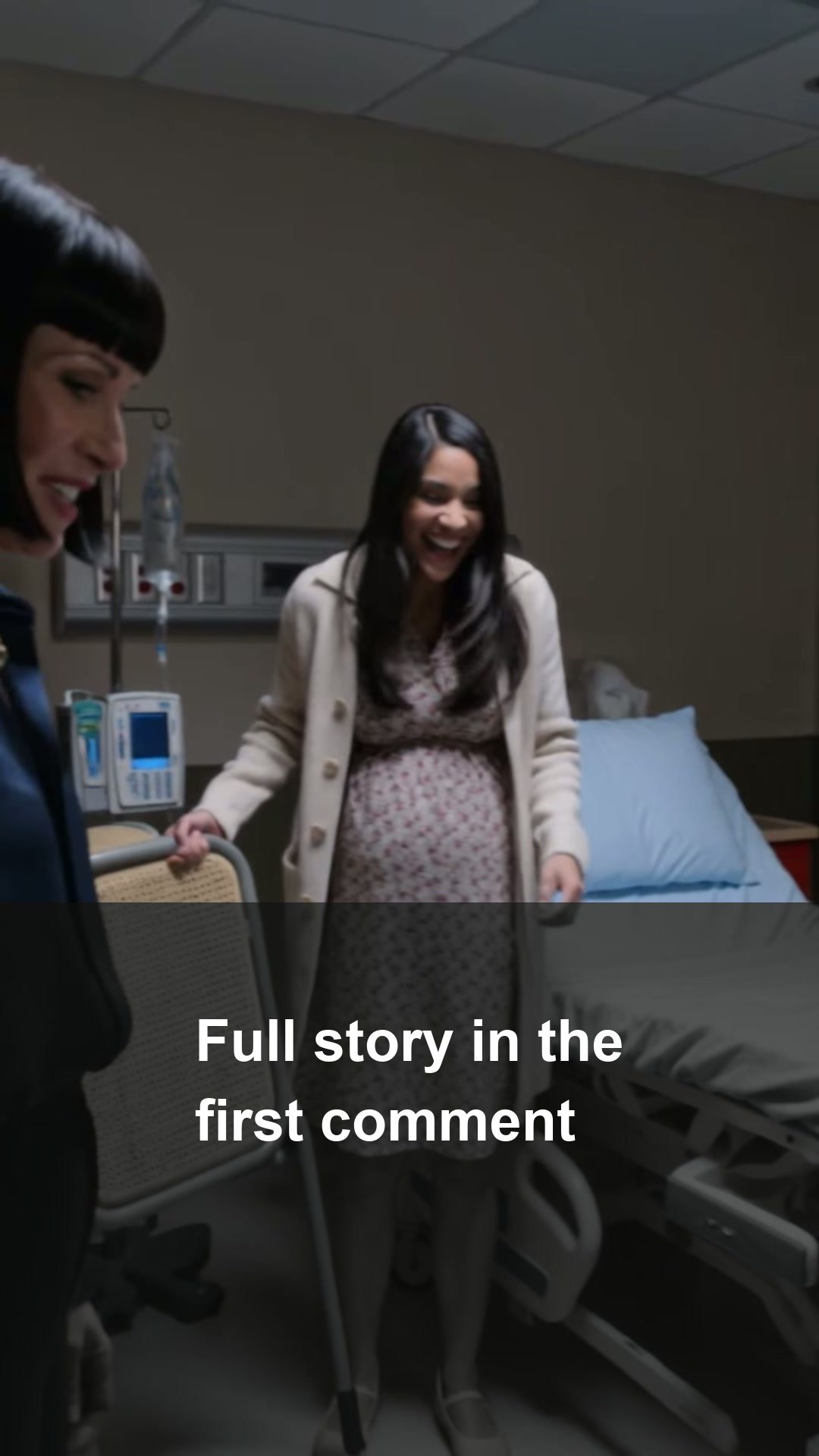
The hospital was a blur of fluorescent humming and the smell of industrial-grade disinfectant. When I pushed open the door to the labor suite, the air felt thick, heavy with the performance they were waiting for me to witness. Aiki sat upright on the bed, her face a carefully constructed mask of exhaustion and hope, while Etsuko stood by the window, her back to the door.
Etsuko didn’t turn around. She spoke in low, rhythmic Japanese, assuming the room was sealed in a bubble of her own design. She told Aiki that the paperwork was drafted, the lawyer was on standby, and that once the child was born, my signature on the birth certificate would serve as the final anchor for the trust. Aiki laughed—a soft, brittle sound—and replied that I was so predictable, so desperate for the approval of a wife I couldn’t even truly talk to.
I stepped fully into the room, the door clicking shut behind me with a finality that made them both freeze. I looked at Aiki, then shifted my gaze to Etsuko’s reflection in the window. I spoke in a clear, fluent, and perfectly modulated Japanese, repeating the exact words Aiki had just used, but stripping away the pretense. The silence that followed was absolute, punctuated only by the sudden, terrified gasp of a woman who realized I had understood every word of her deception. I had the truth, and now, I had to decide how much of it I would let them keep.
I left them in the room, Etsuko’s face drained of color as if I had pulled the oxygen from the air. My car smelled of cold leather and the stale coffee I’d forgotten to finish hours ago. I didn’t head home. I pulled onto the shoulder of the I-5, the engine ticking as it cooled, and opened my phone to the call log.
I dialed Robert first. The connection crackled, his voice heavy with the habitual warmth he reserved for me—a warmth that now felt like lead in my gut. He told me he was at the golf club, finishing a final round with a client. I asked him about the pregnancy check-up in June, the one he insisted on paying for. He laughed, a short, dusty sound. He said it was routine, that Aiki had brought back the ultrasound prints and the OB-GYN’s bill for him to settle personally. When I pressed him for the name of the clinic, he hesitated. He remembered a name that didn’t exist in the city registry. I thanked him and cut the line, my thumb hovering over the screen. He thought he was protecting his daughter; he didn’t know he was paying for a ghost.
The Grandview Hotel was my next stop. I walked into the lobby, the air thick with the scent of lilies and floor wax. I approached the concierge desk, sliding a folded hundred-dollar bill beneath my palm. I asked for the register for the week Aiki claimed to be at a spa retreat in Victoria. The clerk, a man with tired eyes and a name tag that read Marcus, checked his terminal. He shook his head. No booking under Aiki’s name, he said, but he remembered a woman matching her description checking in with a man—a man who paid in cash. I asked for the room number. He leaned in, whispering that there was no record of the stay because the guest had bypassed the system, paying the night shift manager directly.
I sat in the lobby for a long moment, staring at the polished marble floor. The pieces weren’t just missing; they were inverted.
I drove to the nurse’s house. I found her in her garden, kneeling in the dirt, her hands stained dark with peat. When I mentioned Aiki’s name, her posture shifted, the trowel freezing mid-air. She told me she had never worked as a private nurse for Aiki. She looked at me, squinting against the late afternoon glare, and told me she hadn’t even been in the country during the months I described. She said the medical records I had seen in our home must have been elaborate forgeries. My blood felt like ice water. I thought of the stack of papers in the study, the official letterheads, the stamps.
I needed to see the witness. A neighbor, Mrs. Gable, had mentioned seeing a man coming and going from our garage at odd hours. I found her on her porch, rocking in a chair that creaked rhythmically. She didn’t look at me; she stared at the street. When I asked about the man, she stopped rocking. She didn’t describe a stranger. She described me. She said she saw me leaving every Tuesday, at the exact time I was supposed to be in the office.
The drive home felt like traversing a map I had never seen before. Each turn took me further from the life I thought I had built, every mile a contradiction of the last. I pulled into the driveway. The house stood silent, the windows reflecting the dying sun. I knew now that the truth wasn’t a secret Aiki had kept from me. It was a reality she had built around me, an architecture of lies designed to keep me blind. I stepped out of the car, my legs heavy, and looked at the front door. I had the facts, but the pattern was still shifting. I walked toward the entrance, my key already in my hand, ready to confront the empty space where my life used to be.
I stepped into the foyer. The air smelled of lavender and the synthetic sweetness of the lilies Etsuko had insisted on placing throughout the house. Aiki was in the kitchen, her back to me, the rhythmic *thwack* of a knife against a wooden board filling the silence. She didn’t turn. She was humming a lullaby, the melody sharp and unfamiliar, the cadence precise. She thought I was miles away, buried in spreadsheets and logistics, a ghost of a husband she could manipulate with a smile and a shrug.
I walked toward the island, my footsteps deliberate, measured. She laughed at something on her phone, a quick, dismissive sound. She tucked a strand of hair behind her ear, her movements fluid and practiced. I leaned against the marble countertop, my fingers tracing the cold, smooth edge until I felt the vibration of her device buzzing on the wood. I didn’t reach for it. I watched her thumb dance across the screen, firing off a message in the rapid, shorthand script of a woman who felt entirely untouchable.
I felt the familiar, icy coil of the Japanese I had spent a lifetime perfecting, a language she believed was nothing more than static to my ears. She tapped a final character and sighed, turning at last with a look of practiced domestic fatigue already ghosting across her features. She looked at me, scanning for the expected warmth, the blind devotion she had cultivated for years. She adjusted her grip on the knife, her eyes wide, expectant, and utterly hollow.
I took a slow breath, the silence in the room tightening like a tourniquet. I looked at the screen of her phone, then up into her eyes, stripping away the performance. I didn’t need to shout. I simply shifted the frequency of my voice, allowing the language she thought was her private weapon to finally cut through the air between us.
I hope you know that the child isn’t mine.
The wallpaper in my childhood bedroom was peeling in long, beige strips, revealing the grey drywall beneath like a scab that wouldn’t heal. I spent hours pressing those strips back into place with a glue stick, listening to my father’s voice rumble through the floorboards below. It was a low, jagged sound, usually followed by the porcelain shriek of a plate hitting the kitchen wall. I was seven years old, and I learned early that words were not tools for connection; they were projectiles. I sought refuge in the local library, a quiet, vaulted space where the air smelled of dust and binding glue. That was where I found the Japanese language books. They were dry, technical, and precise. Every sentence had a clear structure, a logical start and a resolute finish. If I mastered the grammar, I could build a wall around my mind that he could not climb. I sat in the corner of the stacks, whispering conjugations under my breath, practicing the art of being invisible.
My mother would come to the door, her knuckles white as she gripped the frame. Arthur, she would say, her voice tight with the strain of keeping the house upright. Your father is in a better mood. Come down. I would stare at the kanji on the page, the characters standing like little soldiers, and I would refuse to look up. I knew the pattern of their peace. It was just the silence before the next storm. I decided then that I would never be the one who caused the wreckage, and I would never be the one who was surprised by it. I learned to watch. I learned to analyze the way my father’s shoulder twitched before he raised his voice, the way my mother smoothed her apron before she lied about the grocery budget. I didn’t need to hear what they were saying to understand exactly what was happening. I was already fluent in the language of domestic violence, even if I lacked the vocabulary to name it.
Years later, when I met Aiki, the familiarity of her performative grace should have been a red flag, not a comfort. We were in a mid-range sushi restaurant in Seattle, the kind of place where the lighting is dim enough to hide the cracks in the paint. She was laughing at something I’d said, a soft, musical sound that felt like an invitation. She spoke to the server in rapid-fire Japanese, her posture shifting from the relaxed American girl she played for me into something sharper, more elegant. When she turned back to me, she smiled, but the light in her eyes remained shuttered. I watched her hand reach for her wine glass, her fingers trembling ever so slightly. She thought she was performing for a man who saw nothing but a pretty face and a stable future. She didn’t know I was watching the micro-expressions, the way she checked the door, the way she checked her watch. I told myself I was just being observant, but I was really just building a new set of walls.
Marriage was a contract, or so I convinced myself. We bought the house in the suburbs, a box of drywall and glass that we filled with expensive furniture we barely used. One evening, I walked into the kitchen to find Aiki on the phone. Her mother, Etsuko, was visiting for the weekend, and they were huddled in the pantry. I didn’t mean to listen, but the way Aiki’s voice dropped—a low, rhythmic cadence I’d only ever heard in the back of my mind—drew me in. They were discussing money, a specific amount, and a name I hadn’t heard before: Matt. Aiki’s voice was cold, transactional. She wasn’t talking about love. She was talking about leverage. I stood in the hallway, my hand resting on the doorframe, feeling the same cold, hollow weight in my stomach that I felt when my father would start his nightly audit of the bank statements. I didn’t confront them. I didn’t walk in. I simply turned around and walked back to the office, opening a spreadsheet to bury the sound of their betrayal under a mountain of data.
The warnings were always there, written in the margins of our life. There was the time Aiki “lost” my credit card and then refused to let me look at the statement, claiming it was a mistake with the bank. There was the way Etsuko would look at me across the dinner table, her thin lips curled into a smirk that said she knew exactly what I was: a placeholder, a bank account, a temporary inconvenience. I remember sitting in the living room while the television hummed in the background, watching Aiki scroll through her phone. Her face was illuminated by the screen, her expression one of bored contempt. She thought I was reading, but I was watching the reflection in the window glass. She sent a message, hit delete, and then sighed, leaning her head against my shoulder. I felt the warmth of her body and felt absolutely nothing. It was the moment I realized the marriage wasn’t a partnership; it was a long, slow-motion ambush.
I should have left. A younger version of me might have packed a bag, but I was tethered to the fantasy of order. I wanted the house to be quiet. I wanted the routine to remain undisturbed. I watched as the walls of our life were slowly stripped away, piece by piece, until only the structure remained, hollow and rotting. I saw the way she spent the money, the way she met Matt for “coffee” while claiming to be at the gym, the way she started preparing for a life that didn’t include me, even while she was sleeping in my bed. Every lie was a data point. Every betrayal was a pattern I logged in the vault of my memory. I wasn’t waiting for a miracle; I was waiting for the inevitable. I had spent my entire life learning how to survive the collapse of a home. I knew exactly how it ended, and I knew exactly what it sounded like when the roof finally gave way.
There was a day, months before the hospital, when I found a scrap of paper in the trash. It was a receipt for a designer stroller, an item I hadn’t approved. Aiki walked into the room, her eyes darting to the trash can, then to me. She adjusted her hair, a sharp, nervous movement, and then laughed. You’re always looking at the budget, Arthur, she said, her voice dripping with artificial sweetness. It’s a baby, not a spreadsheet. I looked at her, really looked at her, and saw the flicker of panic she tried to bury under a mask of condescension. She thought I was a fool who could be managed with a few kind words and a bit of proximity. She didn’t realize that I had spent thirty years studying how people hide in plain sight. I didn’t argue. I didn’t ask for an explanation. I just nodded, a precise, clinical gesture that she interpreted as submission.
I sat in my study that night, staring at the wall of books I had accumulated, the volumes of language and logic that had kept me safe for so long. The house was silent, the silence I had worked so hard to maintain, but it felt heavy now, suffocating. I thought about the man I had been—the boy who glued wallpaper to hide the rot, the man who married a woman he thought he could decode. I had created a life built on the assumption that if I was quiet enough, if I was useful enough, the betrayal would never reach me. But it was already here. It had been here from the start, a ghost in the nursery, a parasite in the equity. I picked up a pen and began to chart the timeline, every lie, every withdrawal, every cold, calculated moment of her performance. I wasn’t just observing anymore. I was preparing. I looked at the crib, half-finished in the corner, and felt the finality of the decision harden in my chest. It didn’t start today. It started the moment I decided that being safe was more important than being seen.
The kitchen table became a spreadsheet of human frailty. Etsuko’s history was written in the margins of bank statements—decades of quiet desperation in a foreign land that she had transferred onto Aiki like a virus. She had groomed her daughter to treat marriage as a tactical acquisition, a way to insulate herself against the very scarcity that had once humiliated their family. Etsuko believed she was protecting her bloodline, but her private contradiction was the pride she took in Arthur’s salary, even as she whispered to Aiki that a man who didn’t understand the nuance of their culture was merely a convenient beast of burden. I watched her through the glass door, her hands trembling as she folded napkins, a woman terrified that her carefully constructed pedestal was about to crumble.
Robert sat in the living room, his face illuminated by the harsh glow of the television. He was a man who had spent forty years building a reputation for absolute integrity, yet his motive was a simple, hollow need for a legacy. He wanted a grandchild to validate his long, unremarkable life. He didn’t know he was holding a phantom. I walked over and placed a hand on his shoulder; he looked up, his eyes glassy with a grandfather’s preemptive love. He didn’t realize that his moral foundation was being eroded by the very people he trusted most. I felt a surge of genuine grief for him, a man whose only sin was wanting a family. I decided then that I would shield him from the worst of the fallout, though he would still lose his home to the collateral damage.
Matt, the man in the shadows, was the easiest to map. I had tracked his digital trail—a series of cheap bar tabs and frantic, desperate Venmo requests that Aiki had been filling for months. He didn’t want a child; he wanted a way to bleed the woman who had once loved him. His contradiction was his cowardice. He would play the role of the disaffected lover until the legal summons arrived, at which point he would fold immediately to avoid the scrutiny of a courtroom. I watched a notification ping on my phone, a message from his burner account asking Aiki if the money had cleared. He was a parasite feeding on a parasite.
Aiki walked in, her gait heavy with the performance of her condition. She glanced at me, her eyes devoid of the warmth she kept for public consumption. She thought she was the puppet-master, pulling strings of sentimentality I hadn’t truly felt in years. Her secret, the one she guarded with such vitriol, was her absolute belief that I was too dull to notice the arithmetic of her infidelity. She didn’t realize that my silence wasn’t ignorance; it was the recording of data. I looked at her, then down at the spreadsheet, and offered a soft, rehearsed smile.
She sighed, a sound of profound annoyance, and retreated to the bedroom. I felt the cold, clinical distance between us solidify. I was no longer an analyst of her logistics; I was the architect of her exposure. My decision was set. I would let the delivery room be the stage for the final act of the play she had written. I turned back to the kitchen table, picked up my pen, and circled the date of the next ultrasound. I would go with her. I would translate the doctor’s medical advice for her mother, but I would leave out the parts that revealed the truth until the exact moment when the silence would be most devastating. The trap was ready.
The kitchen floorboards groaned under my weight as I walked to the counter, the digital glow of the microwave clock marking the exact minute I began the dismantling. I pulled out my laptop, the screen reflecting the hollow, artificial warmth of our staged life. I logged into our joint banking portal, my fingers hovering over the trackpad before clicking the transfer button that moved the entirety of our liquid savings into a private account held in my name alone. The notification pinged on Aiki’s phone in the bedroom, a sharp, crystalline sound that cut through the silence of the house like a gunshot. She didn’t come out. She didn’t ask. She knew the sequence of the fallout had begun.
I drove to the local police precinct an hour later, the interior of my car smelling of the stale coffee I had finished in the driveway. The precinct was a sterile box of grey paint and flickering fluorescent tubes. I sat across from an officer whose nameplate read Miller, handing him a printed transcript of the recorded conversations I had harvested over the last three months.
I’m reporting a case of systemic fraud, I said, my voice steady, stripped of the cadence of a man grieving a marriage. I laid the documents out in a fan shape, a deck of cards stacked against her.
Miller leaned forward, his chair creaking. This is a civil matter, mostly, he muttered, scanning the pages.
Not when it involves the systematic misappropriation of assets and the fabrication of medical records for insurance manipulation, I countered, sliding the bank statements forward. I was not asking for a favor; I was submitting data.
When I returned home, the front door was unlocked. Aiki stood in the foyer, her face a mask of calculated fury. She had seen the bank alerts. Her phone was clutched in her hand, the screen cracked from what I assumed was a recent impact against the wall.
You’re playing a dangerous game, Arthur, she hissed, the softness of her voice replaced by a jagged edge. You don’t know who you’re dealing with.
I don’t know who you are, I replied, stepping past her without breaking my stride.
The next morning, I met Marcus Thorne in his office. He was a shark in a tailored suit, his desk covered in legal pads rather than family photos. I told him everything. I didn’t hold back the Japanese transcripts, the timeline of the affair, or the illicit financial transfers Aiki had made to Matt. Thorne listened, his pen moving across the page with rhythmic precision.
She will contest, he said, looking over his half-moon glasses. She will paint you as the unstable, obsessive husband.
Let her, I said. I handed him the file labeled DNA. I had already secured a private lab appointment for the day of the delivery. I wanted no ambiguity. I wanted the cold, biological truth to be the anvil upon which her life broke.
Thorne smiled, a thin, predatory expression. This will be expensive.
I don’t care about the cost, I said. I care about the conclusion.
That evening, I sat in the living room while Etsuko paced in the kitchen, her voice a low, frantic hum as she spoke to Aiki in Japanese. They thought I was working, the glow of my monitor shielding my face. They discussed moving the remaining assets into a dummy account, unaware that my lawyer had already placed a lien on the house. I watched them through the glass of the oven door, a reflection of two predators cornered in their own snare.
Etsuko walked into the living room, her face tight with a performative concern. Arthur, Aiki is worried about your recent behavior. Why are you acting so distant?
I looked up from my laptop, my eyes meeting hers. I’m not being distant, Etsuko, I said, switching to perfect, fluent Japanese. I’m just waiting for the final tally.
The blood drained from her face, leaving her skin the color of old parchment. She stumbled back, hitting the edge of the mahogany sideboard. She hadn’t expected me to speak. She hadn’t expected me to understand. The silence that followed was heavy, a suffocating blanket that pressed against the walls of the room. She didn’t say another word, turning and fleeing back into the sanctuary of the bedroom.
I stood up and walked to the hallway, where the door to the nursery stood ajar. The crib was half-built, a skeleton of wood and promise. I reached out and touched the unfinished railing. My phone buzzed in my pocket. It was a notification from the court registry. The petition for the paternity test had been served. Simultaneously, a notification flashed from the HR department at my firm; Aiki had submitted a formal complaint against me, alleging domestic abuse and harassment.
She was trying to preempt the narrative, to create a paper trail that painted me as a monster before the truth could surface. I didn’t react. I didn’t feel the sting of the lie. I simply navigated to the company portal and uploaded the timestamped audio files I had kept in the cloud—the recordings of her mocking my intelligence, her plans to leave me once the child was born, and the explicit discussion of the financial shell game she had been playing for years.
The house felt like a pressure cooker, the air growing thick with the scent of ozone and impending collapse. I went to the kitchen and poured a glass of water, watching the ice cubes melt. My hands were perfectly still. The escalation had reached a point of no return. Every move she made to protect herself only tightened the noose I had fashioned from the evidence of her own hubris. I turned off the lights in the kitchen, listening to the muffled, panicked voices of the two women in the other room, and for the first time in years, I felt a strange, chilling peace. The trap was sprung, and the hunt was finally over.
The notification arrived at 4:12 AM, a vibration against the mahogany desk that sounded like a tectonic shift. It was a screenshot, sent from a burner account, showing a thread in a private neighborhood forum. The header read: The Penhaligon Fraud. My phone screen cast a blue, sterile light over my study, illuminating the stacks of legal filings I had been organizing. I swiped through the comments. Neighbors who had once invited us for wine were dissecting the timeline of our marriage with the precision of surgeons. The cost was no longer private; it was a digital autopsy performed in real-time.
I looked at the window. A black sedan sat idling across the street, a local reporter likely waiting for a silhouette to appear. I did not move. I thought of the way Aiki used to curate our life, the performative Sunday brunches and the strategically placed photos of us at the botanical gardens. Now, those same images were being cropped and captioned with biting, mocking text. The betrayal had turned into a local sport.
I stood and walked to the hallway, where the framed wedding portrait hung. My finger traced the edge of the glass. I realized then that my isolation as a child—the reason I had learned their language in the first place—had been a rehearsal for this exact silence. I was prepared for the void, but the neighborhood was not. I heard the muffled thud of a newspaper hitting the porch, followed by the crunch of tires pulling away. I didn’t go to the door.
My business email pinged. A message from my firm’s HR department, marked urgent, suggested a leave of absence effective immediately. My career, the only thing I had built with genuine, unadulterated effort, was being treated as a liability. The professional detachment I had cultivated for years was now being framed as sociopathy. They didn’t see a victim; they saw a cold analyst who had orchestrated a public humiliation.
I pulled my laptop toward me and opened a new document. My hands moved with a rhythmic, mechanical precision, documenting the timeline of the transfers Aiki had made to Matt. I wasn’t writing for a judge anymore; I was writing for the record. The sheer volume of the deceit was staggering, a mountain of paper trails that turned our union into a fiscal crime scene.
A knock sounded at the front door, heavy and rhythmic. It was Robert. I watched him through the security camera feed as he stood on the porch, his shoulders hunched, the posture of a man who had suddenly lost his anchor. He wasn’t there to defend his daughter. He was there because he had spent three decades believing in a version of integrity that Aiki had systematically dismantled.
I walked to the door and unlocked it. Robert didn’t look at me; he looked past me, into the hallway where the remnants of a life we hadn’t actually shared sat in boxes. He didn’t say a word, just handed me a thick envelope containing his own bank statements from the previous year. He had started his own investigation. The alliance was silent, forged in the wreckage of our shared delusion. I stepped back, gesturing for him to enter, and closed the door against the prying eyes of the street, knowing the worst of the news cycle was yet to come.
The court clerk’s stamp hit the paper with a rhythmic, final thud. I sat in the hard-backed chair, watching the ink dry on the annulment decree. Across the aisle, Aiki stared at the floor, her fingers picking at the frayed edge of her sweater. She had lost the house, the alimony, and the veneer of social grace that had been her only currency. My lawyer slid the waiver across the mahogany table. I didn’t hesitate. I picked up the pen, the grip firm and cold against my palm, and signed my name. It was the last time I would ever have to justify my existence to her. I stood up, the chair scraping sharply against the linoleum, a sound that seemed to echo through the hollow space where my marriage had once been.
I walked out of the courthouse and into the gray Seattle afternoon. Robert was waiting by the curb, his silhouette hunched against the wind. He didn’t offer a platitude or an apology. He simply held out a set of keys to the storage unit where his remaining tools were kept. I took them, the metal biting into my skin, a physical reminder of the labor we had once intended to share. We stood there for a long moment, the traffic roaring past us, and for the first time, there was no need to perform. I nodded once, a brief, silent acknowledgement of the time we had both wasted. He turned toward his sedan, his gait slower than I remembered, burdened by the quiet weight of a legacy he had spent his life building only to see it splintered by his own kin.
Back at the house, the moving van was already idling in the driveway. Men in fluorescent vests moved in and out, their heavy boots thudding against the floorboards of a home that felt like a hotel lobby. I walked into the nursery. The wooden crib sat in the center of the room, half-finished and skeletal under the harsh light. I didn’t touch it. I walked past it, out the front door, and didn’t look back as the final box was hoisted onto the ramp. The silence that followed as the truck pulled away wasn’t empty; it was clear. I stood in the driveway, listening to the wind move through the cedar trees, and finally spoke a sentence in Japanese to the empty air, the syllables rolling off my tongue with a lightness that felt like the first breath of winter. I was done with the surveillance; I was finally just living.
Three months later, the coastal air tasted like salt and wet slate. I stood on the damp sand of Whidbey Island, my boots sinking into the grit of the tide line. Beside me, a golden retriever mix—a shelter rescue named Koji who lacked the pedigree of my previous life but possessed an abundance of chaotic, clumsy affection—tugged at his leash to chase a retreating wave. The cold spray hit my face, bracing and absolute. I didn’t reach for a phone to check an email or calculate an expense. I simply watched the water churn.
The restaurant was a hole-in-the-wall near the ferry landing, a place that smelled of miso and toasted sesame. Robert sat across from me. He looked thinner, his shoulders hunched under a cardigan that had seen better years, but the tremor in his hands had finally ceased. I ordered the grilled mackerel, the skin charred just enough to be bitter.
Do you regret coming here? he asked, his voice barely rising above the hum of the kitchen.
I pushed a piece of fish onto my rice, tasting the warmth of the steam. I don’t regret the truth, I said. I regret the time I spent building a fortress out of shadows.
Robert nodded, a slow, rhythmic movement that acknowledged the wreckage we had both escaped. He didn’t offer a platitude. He just reached for the tea, his fingers steady, and poured for us both.
Afterward, we walked back to his garden. The frost had killed the hydrangeas, but the soil was dark and turned over, waiting for the spring. I knelt, pushing my palms into the damp earth to pull a stubborn root. It was quiet—not the suffocating, performative silence of the suburban house, but a living, breathing quiet that allowed for thought. I decided then that I would keep the dog, keep the garden, and let the language be mine again. A new hook snagged in my mind: there was a job opening in the city, one that didn’t involve logistics, but building.
I returned to the nursery for the final pass. The floorboards creaked, a sound that used to signal Aiki’s return from the shops, but now only measured the vacancy of the rooms. I opened the door. The afternoon light flooded the space, bleaching the blue paint until it looked like a fading bruise. In the center of the room sat the wooden crib, its side panels half-attached, a skeleton of an expectation that had never possessed a pulse. I traced the unfinished edge of the pine, the wood rough against my thumb. I reached into my pocket, pulled out the small, brass-headed screwdriver, and dropped it into the center of the frame. It clattered against the slats, a sharp, metallic sound that vanished instantly into the empty, sun-drenched house.
Leave a Reply