The car door slammed, leaving the silence of the driveway ringing in my ears like a physical blow.
I stood on the manicured gravel, the heavy manila envelope burning against my thigh. My fingers traced the sharp edge of the seal, the skin pulled tight over my knuckles. Inside, the documents didn’t just contradict Ethan’s narrative of hereditary perfection; they dismantled the entire foundation of the family’s pedigree.
I looked up at the house. The exterior was all limestone and calculated symmetry, a facade I had spent years helping Ethan maintain. Through the floor-to-ceiling windows, I saw Margaret laughing, a glass of champagne catching the low winter light. She looked untouchable, a woman who had traded truth for a bloodline that didn’t exist.
My breath hitched, cold air searing my lungs. I didn’t feel rage, only a clinical detachment—the structural integrity of their world was failing, and I was the only witness to the collapse.
I turned back toward the idling taxi, the driver watching me through the rearview mirror with mild, impatient concern. I shifted my weight, gripped the handle of my bag, and decided. I wasn’t going back inside. I was leaving the file on the doorstep.
The espresso machine hissed, a sharp, metallic sound that cut through the silence of the kitchen. I watched the dark liquid pool into the ceramic mug, timing the extraction with the precision of a draftswoman. Six o’clock. The morning light was thin and grey, bleeding across the marble countertop, illuminating the fine layer of dust I’d failed to wipe away. Everything in the house possessed a weight of permanence—the heavy silverware, the velvet curtains drawn tight against the suburban morning, the way Ethan’s briefcase sat perfectly aligned on the island, as if it were a structural element of the room.
Ethan walked in, his heels clicking rhythmically against the hardwood. He stopped, smoothing his tie in the reflection of the toaster. Morning, he said, his voice as smooth as polished stone. I handed him the mug, the heat radiating through the ceramic. Thanks, he added, barely meeting my eyes as he tapped a rhythm on the counter. Did you check the weather? Looks like rain for the board meeting. I nodded, turning to the sink to rinse the portafilter. It’s always rain, I said, staring at the swirling water.
I moved to the hallway, my boots echoing against the floorboards. Life felt like a blueprint: lines drawn with a steady hand, corners squared, load-bearing walls reinforced with careful, quiet omissions. I didn’t think about the gaps in the foundation. I didn’t think about why we never spoke of the hospital records that Ethan kept tucked behind his passport, or why Margaret’s eyes grew glassy whenever I mentioned ancestry. I simply tightened my scarf and reached for the door handle.
The commute was a series of predictable jolts. The train rattled into the city, the carriage filled with the damp smell of wet wool and stale coffee. I spent the ride staring at the reflection in the window, watching the blur of grey houses and sodden parks. I was checking the integrity of a new project, a commercial space in the city center, mentally calculating the shear force on the support beams. It was easier to hold a building together than to examine the hairline fractures in my own kitchen.
At the office, the printer hummed, churning out draft after draft. The smell of ozone filled the air. My colleague, David, leaned over my desk, his coffee cup leaving a ring on the blueprint. You’re quiet today, Sarah, he said, his tone light and probing. Did you and Ethan have a rough weekend? I forced a smile, the muscles in my face feeling stiff. Just the usual, I replied, shuffling the papers to hide the uneven lines of the floor plan. We’re just busy. The printer spat out a final sheet, the rhythm of the machine slowing to a stuttering halt. It was a mundane Tuesday, the kind of day that possessed no teeth, no history, and no future beyond the next hour.
I sat back, the fluorescent lights buzzing overhead. I picked up my pen, ready to mark the revisions, when the silence of the room was punctured. My phone, resting on the corner of the desk, began to vibrate. It skittered across the smooth surface, a frantic, insect-like sound that drew David’s gaze. I didn’t look at the screen immediately; I just watched the device jitter against the mahogany. The screen flashed with an unfamiliar, blocked number. My heart didn’t race; it simply stopped, as if the entire structure I was inhabiting had suddenly lost its grounding. I reached out, my fingers hovering over the glass, and tapped the icon.
The receiver hummed with a hollow, sterile static. I pressed it to my ear, my pulse thrumming against the plastic casing.
The doctor’s voice arrived, clinical and devoid of cadence. He didn’t offer a greeting, only a sequence of facts that felt like masonry falling from a great height. He spoke of a routine genetic screening for the new heir—the one Vanessa had spent months parading like a trophy—and the subsequent failure of the markers to align with the paternal record. The blood type was impossible. The markers for the paternal lineage were absent, wiped clean as if they had never existed.
“Mr. Sterling is not the biological father, nor does he possess the familial DNA structure he claimed,” the voice droned on.
I looked at David. He was watching me, his eyebrows knit in that familiar, professional concern. I kept my face as blank as a blueprint. I thought of the family portrait hanging in the hallway of their estate, the way Margaret touched Ethan’s shoulder with a grip that always seemed more like a measurement than an embrace.
“Are you certain?” I asked. My voice sounded thin, stripped of its usual architecture.
“The test has been run three times,” the doctor replied. “The discrepancy is absolute.”
I stared at the mahogany desk. The grain of the wood looked suddenly, violently chaotic. I realized then that the pride Margaret wore like armor was forged in a furnace of complete, scientific fraud. Ethan wasn’t the product of their pedigree; he was an anomaly hidden behind a wall of expensive lies. The irony tasted like copper at the back of my throat. Every critique he had ever leveled at my background, every lecture on the preservation of his bloodline, was built on a foundation of sand.
“I need the physical file,” I said, my voice steadying. “Courier it to the office.”
“That would be a breach of protocol, Mrs. Sterling.”
“I am the one holding the power of attorney for the medical trust, and I am the one who will ensure this disclosure happens on my terms, not yours.”
I hung up before he could argue. The room felt smaller, the air tighter. David shifted in his chair, his leg bumping the underside of the desk. “Sarah? You look like you’ve seen a ghost.”
I didn’t answer him. I couldn’t. The structural integrity of the Sterling empire had just collapsed, not because of anything I had done, but because the bedrock had been hollow all along. I stood up, my movements precise, mechanical. I didn’t need to panic. I had spent years architecting my exit, but I hadn’t realized I was also architecting the perfect vantage point from which to watch their house of cards surrender to gravity.
I checked my watch. The courier would be here within the hour. I grabbed my coat, ready to walk into the center of the wreckage.
The glass lobby of the Sterling estate office reflected nothing but the gray, sterile light of a rainy Tuesday. I stood by the revolving doors, my phone buzzing against my palm like an trapped insect. The first call was to Margaret. I didn’t wait for the greeting.
Did Ethan have a routine blood test at St. Jude’s in the spring of ninety-two? I asked, my voice as flat as a blueprint.
Silence stretched across the line, punctuated only by the distant, rhythmic clicking of a garden sprinkler at her estate. Ethan was a healthy child, Sarah, she finally snapped, her voice brittle with manufactured poise. Why are you dragging up ghosts? The clinic didn’t exist in ninety-two.
I gripped the strap of my bag, the leather digging into my shoulder. I didn’t say that I held a file dated three months prior to that, stamped with the St. Jude’s seal. I hung up. The discrepancy was a hairline fracture in a load-bearing wall.
I dialed the hotel in the city where Vanessa was currently hiding out, masquerading as a grieving socialite. The receptionist picked up on the third ring, sounding exhausted. Mrs. Sterling? She checked out two hours ago, the girl said, her voice dropping to a conspiratorial whisper. A man came by—looked like her father, maybe? They left in a black sedan. Didn’t leave a forwarding address.
I stared at the street sign across the boulevard. Vanessa had told me she was alone, waiting for Ethan to reconcile. If she was with her father, the narrative of the abandoned wife was a stage play. I turned toward the parking garage, my mind mapping the distance to the clinic.
The nurse, Clara, was my final hope for a baseline. I caught her on her break, leaning against the brickwork behind the oncology ward, a cigarette dangling from her fingers. She looked terrified when I mentioned the Sterling file. That folder shouldn’t be in your hands, she hissed, shielding her eyes from the sun. Dr. Aris destroyed those records years ago. There was no child, Sarah. The medical history Ethan claims? It’s a fabrication.
She took a sharp drag, the smoke curling around her face. But I saw the ledger. It listed a donation, not a birth.
Contradiction upon contradiction. Margaret claimed the clinic didn’t exist. The nurse claimed it was a factory for lies. I stepped into my car, the engine turning over with a low, hungry growl. My hands were steady on the wheel, but my pulse hammered against my throat. I needed to see the witness.
I drove toward the outskirts, toward the crumbling residential district where the old night watchman of the clinic lived. He was sitting on his porch, feeding pigeons, his skin translucent and mapped with blue veins. He squinted at me when I showed him the photo of Margaret.
She never came here, he rasped, spitting into the dirt. But the man she was with? He came every Sunday for a year. Not for a baby. For the blood bank. He was a regular donor, paid well for his rare type.
I looked at the house, a rotting structure of warped wood and peeling paint. If Ethan wasn’t theirs by blood, and his father wasn’t who they claimed, the entire Sterling lineage was a fiction drafted in a basement. I shifted the car into gear. I had enough pieces to prove the foundation was rotting, but the structure was still standing, and it was ready to crush anyone who got too close. I pushed the pedal down. The real investigation was only just beginning.
The London rain slicked the pavement outside the cafe, blurring the city into grey streaks. I sat at a marble-topped table, my fingers tracing the edge of the thick, cream-colored envelope Emily had slipped me. Inside lay the genetic report, a collection of cold percentages that effectively erased Ethan’s status, his superiority, and the very foundation of his mother’s pride. I watched a businessman in a tailored suit walk past the window, his posture identical to Ethan’s—arrogant, rigid, and entirely performative.
I ordered a black coffee, the porcelain rattling against the saucer as I set it down. The weight of the paper felt heavier than the files I’d spent years hiding in my own safe. I took a slow, deliberate sip, letting the heat bloom in my chest. My phone buzzed against the table, a message from Margaret—a sterile inquiry about Lily’s school schedule, masked in the pretense of familial concern. I didn’t reply. Instead, I pulled a pen from my bag and began to sketch, not a house, but a map of the lie. I mapped the clinical donor logs against the Sterling family tree, the lines intersecting at a point of absolute failure.
The waitress hovered, offering a refill, but I waved her away without looking up. I had built my life on the belief that Ethan’s cruelty was a matter of temperament, something I could architect around or reinforce with patience. I was wrong. It was a genetic ghost, a vacuum where a soul should have been, fueled by a fabrication so deep it had warped the man into a caricature of a lineage that didn’t exist. I reached out and tapped the report, the ink still fresh. The silence in the cafe felt sudden, as if the room had held its breath. I looked up at the empty chair across from me and spoke, my voice devoid of the tremor I felt inside.
I have spent ten years living with a man who does not exist.
The dining room in Ethan’s childhood home was a cavern of polished mahogany and silence, the kind of room that demanded you hold your breath. I remember the first time I sat there, a twenty-two-year-old architect-in-training, terrified of scraping my heels against the parquet. Margaret stood at the head of the table, her hand resting on the back of Ethan’s chair like she was checking for dust. She looked at me, then at Ethan, and then at the centerpiece—a heavy silver bowl filled with lemons that looked too perfect, too waxed to be real.
You must understand, Sarah, she said, her voice a sharp, rhythmic tapping against the quiet. We are not a family that makes mistakes. We calculate. We anticipate. We secure.
Ethan reached out and took my hand under the table, his thumb tracing the bone of my wrist with a pressure that felt like ownership. He didn’t look at his mother; he looked at the wall, at the portrait of a man with his jawline and his eyes, a man who had supposedly died in a boating accident before Ethan was old enough to remember.
Mother knows best, he said, his smile tight, the corners of his mouth not quite reaching his eyes. He squeezed my hand until my knuckles ached. We don’t leave things to chance, do we?
I felt the heat rising in my chest, a mixture of flattery and the first prickle of alarm. I thought he was praising her, but watching him now, in the memory, I see the frantic rigidity in his posture. He was holding onto me like I was a railing on a sinking ship. I made the decision then to be the partner he needed, the one who would provide the stability his mother insisted was lacking in my own background. I traded my intuition for his certainty.
The pattern started small, an accumulation of microscopic shifts. We moved into our first apartment, and I brought home a painting, a bold, abstract piece with too much blue. He stared at it for a full minute, his face a mask of polite neutrality. It doesn’t fit, he said. It disrupts the line of the room. He didn’t tell me to get rid of it; he just let it sit there until the dissonance became so loud I felt I was failing at marriage by simply existing. I took it down and replaced it with a monochrome print. He kissed my forehead, satisfied, and the silence in the room returned.
I remember my own father’s house, the chaos of blueprints scattered over a kitchen table stained with coffee rings, the way he would argue with my mother about the cost of copper piping versus steel. It was messy, it was loud, and it was honest. When I tried to explain this to Ethan, he would stop me by placing a finger on my lips. Why do you insist on romanticizing poverty? he would ask. There is no virtue in struggle if you have the capacity to avoid it.
I stopped talking about my childhood. I started curating my own history to match his. I learned to edit out the stories of my parents’ debt, the way we had to scramble to pay for my tuition, the sheer grit of our life. I framed my past as a series of fortunate, well-calculated events, turning my reality into a blueprint he could tolerate. Every time I lied, I felt like I was reinforcing a foundation that had no footings.
Then came the day I found the medical file in the wall safe. It was three years into our marriage. I was looking for the deed to the house, and instead, I pulled out a manila folder that smelled of dust and something antiseptic. The pages were yellowed, the letterhead from a clinic that had been shuttered for decades. It wasn’t a death certificate or a financial ledger. It was a fertility report.
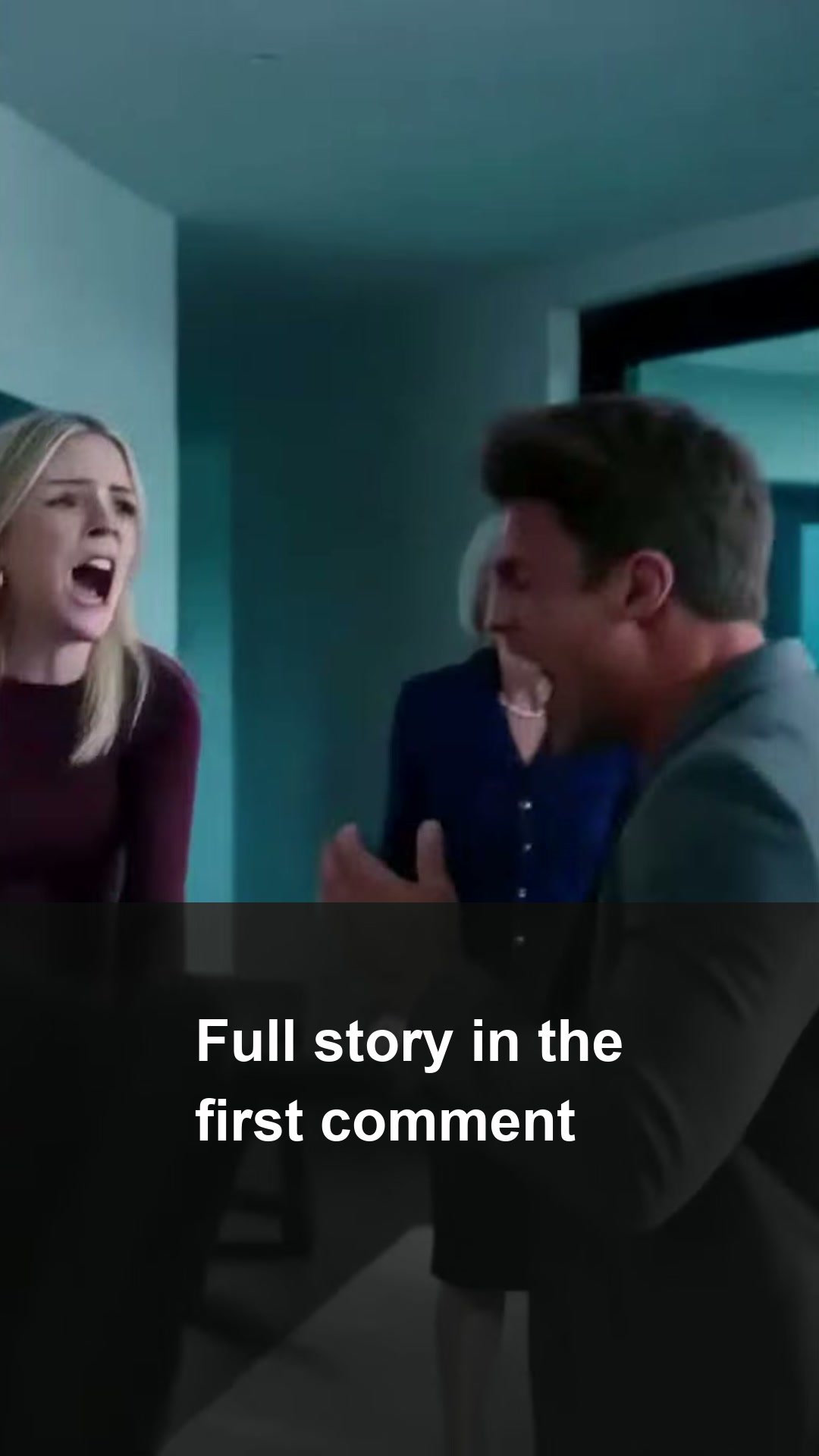
I sat on the floor of the study, the light from the hallway carving a thin, sharp line across my lap. The numbers on the page didn’t make sense at first—the clinical jargon, the references to donor compatibility, the absence of the father’s name, the sheer, cold lack of biological possibility. I read the words, but my brain refused to synthesize them. Ethan walked in, his footsteps muffled by the rug, and for a second, he didn’t see me. He was practicing a speech in the mirror, his expression one of practiced, aristocratic indifference.
I stood up, the paper rustling in my hand like a dead leaf. He spun around, his face shifting instantly from arrogance to a rehearsed, boyish charm. Sarah, darling, what are you doing in the safe?
I held out the report. The room seemed to expand, the walls pulling away, leaving us in a vacuum of his making. Is this why you don’t talk about him? I asked, my voice thin. Because he wasn’t there? Because he couldn’t be?
He didn’t look at the paper. He didn’t even glance at the text. He walked over, took the file from my hand, and placed it back in the safe with a calm, practiced motion. You are overanalyzing again, he said, his tone that of a teacher correcting a child. It’s a relic of a medical misunderstanding. Mother handled it. It doesn’t concern us.
But the look in his eyes—the way they darted toward the door, checking for an audience—told me everything. He wasn’t surprised. He had known, or at least he had suspected, and he had buried it just as deeply as his mother had. He didn’t want the truth; he wanted the status. He wanted the myth of the lineage to be more important than the reality of his own existence.
I could have walked out then. The door was unlocked. My car was in the drive. But I looked at him, at the way he stood, his shoulders squared, his chin tilted in that practiced, superior angle he had inherited from a woman who had essentially bought his identity, and I felt a strange, cold pity. He was a structure with no core. I thought I could build a life around him, that my love would be the missing load-bearing wall. I decided to stay, to keep the secret, to become the architect of a facade that would eventually crush us both.
The night of the dinner party, months later, was the final pivot. Vanessa was there, her eyes constantly tracing the edges of the room, looking for the weaknesses in the armor. She was the reflection of everything Margaret had told us to fear—the outsider who wanted in. I watched Ethan watch her, and I saw the recognition, the flicker of a man who realized he was finally looking at another ghost.
I went to the balcony to escape the scent of expensive lilies and the drone of Margaret’s voice, which was currently dissecting the merits of a private school my daughter wouldn’t be allowed to attend because her heritage wasn’t ‘vetted’ enough. The air was cold, damp, smelling of the city and the slow decay of the garden below. I stood there, leaning against the cold iron railing, and remembered the first time I held Lily. I had looked at her, searching for the reflection of my husband, and found only the quiet, terrifying realization that she was a product of a lie I had helped sustain.
I heard the sliding door open. It was Vanessa. She didn’t look at me; she looked out over the terrace, her profile sharp in the moonlight. He’s going to break, she said, her voice devoid of any warmth. He’s terrified of being found out, and he’s terrified of the fact that he has no idea who he actually is.
I didn’t answer. I just watched the lights of the city, the grid of streets and buildings that were actually connected, actually grounded. I realized then that my marriage wasn’t a partnership; it was an elaborate, high-stakes construction project where the materials were rotten from the start. I had spent years trying to shore up a foundation made of shifting sand.
I walked back inside, past the silver bowl of lemons, past the portrait of the father he never had, and I saw Margaret watching me. She was holding a glass of wine, her fingers white-knuckled around the stem. She knew I knew. She had always known. We locked eyes, and in that moment, the entire structure of their world felt fragile, like a house of cards waiting for a single gust of wind. I decided, right then, that I wouldn’t be the one to knock it down. I would be the one to walk away and leave them to the debris.
The memory burned in the cafe air, a sharp, crystalline vision of the life I had built on a fiction. I looked at the medical report again, the ink finally beginning to blur in my vision. The truth was not a revelation; it was an ending. And as I sat there, listening to the city hum around me, I knew that the silence I had lived in for ten years was finally, mercifully, being replaced by the sound of my own voice, clear and detached. I was not the victim of a bad marriage. I was the architect of my own exit, and the house was coming down.
I stood in the center of the kitchen, tracing the grain of the marble island—a surface I had chosen because it was cold, indifferent, and impossible to stain. The house was quiet, save for the hum of the refrigerator. Ethan was upstairs, likely smoothing his tie in the reflection of the vanity, convinced that his life was a series of well-calculated successes. He was a man who measured his worth in the pedigrees of his associates, never realizing he was a fraud living in a house of cards. I remembered the way he looked at me during our wedding, his eyes scanning the crowd to ensure we looked like the portrait his mother, Margaret, had commissioned. He needed me to be a prop. I had played the part well, drafting the plans for a life I never intended to fully occupy.
I reached for the envelope Emily had slid across the table at the café. Her hands had been shaking, her face flushed with the thrill of being the one to hand over the bomb. Emily loved the moral high ground, even as she savored the wreckage of other people’s lives. She was the coworker who cried for me while taking notes on my trauma to share with the office, claiming solidarity while hoarding social currency. I opened the file. The genetic markers were clear. Ethan was not his father’s son, which meant Margaret’s entire crusade for blood purity was a farce. She had spent thirty years curating an inheritance built on a biological impossibility, all to keep the ‘legacy’ intact.
I thought of Margaret, sitting in her sunroom with her tea and her rules, her spine as rigid as the bars of a cage. She viewed life as a hierarchy, terrified that one day someone would peek behind the curtain and see the donor-conceived void at the center of her pride. She had manipulated Ethan into a mirror of her own insecurities, forcing him to despise anyone who didn’t fit her narrow definition of pedigree. If she knew I had seen the report, she would try to negotiate, offering me a settlement framed as a bribe to keep the silence. I would not take it.
Upstairs, a floorboard creaked. Ethan was coming down. He walked with a heavy, confident stride, the rhythm of a man who thought the world was his to command. His motive was always the same: maintain the facade. I watched his reflection in the dark kitchen window. He reached for the handle of the pantry, unaware that the foundation beneath him was already liquefying. Vanessa, his new reality, was likely waiting in the car, unaware that the money she had married into was tied to a medical trust that would collapse the moment this file became public. She was a climber, obsessed with status, yet she was currently tethered to a man who possessed no status at all. She would be the one to scream when the truth finally burned the house down.
I turned as he entered, my face a mask of polite, architectural distance. Lily was already packed, her small bag sitting by the front door, a quiet testament to my planning. She was the only one who didn’t understand the game, she only felt the cold draft of the changing season. I looked at Ethan, noting the way he held his chin, the desperate, performative arrogance he inherited from a woman who had lied to him since birth.
I don’t want to go to the gala tonight, I said, my voice steady, the words echoing in the empty space between us.
Ethan stopped, his hand hovering over the counter. Why? We’ve been planning this for months. His eyes flickered with annoyance, that familiar, sharpened reflex to blame me for a deviation in the schedule.
I looked at the folder sitting on the island, the medical chart now a weapon of truth. I decided I would leave the report on the table once we were gone. I wouldn’t tell him. I would simply let him walk into the room and realize he was a stranger to himself.
Everything is going to change, Ethan, I said, turning toward the door where Lily waited. The hook of the truth was already set in his throat, and I was finally ready to let him pull.
The car engine hummed with a low, vibrating intensity as I pulled away from the curb, my knuckles white against the steering wheel. Lily sat in the back, her gaze fixed on a small sketchbook, her breathing rhythmic and steady. I didn’t look back at the house, a monument of glass and curated deception. I drove straight to the police station in the city center, a place of harsh fluorescent lights and the smell of industrial cleaner. I handed the officer the documentation regarding the fraudulent signatures on the joint account transfers Ethan had initiated months ago. When he asked for a statement, I spoke with the clinical precision of an architect detailing a structural failure. I didn’t stutter. I didn’t cry. I watched the officer’s pen move across the paper, recording the theft of my own assets, and felt the first tremor of a landslide.
Two hours later, I stood in the lobby of a firm specializing in high-net-worth divorce and asset recovery. My lawyer, a woman with sharp eyes and a sharper suit, listened as I explained the medical discrepancy. I slid the folder across the mahogany desk. She didn’t open it immediately. She stared at me, her expression shifting from professional detachment to something closer to pity. She told me the financial freeze would be instantaneous, a legal blockade that would render Ethan’s lifestyle a ghost of its former self. I signed the power of attorney papers, the ink dark and permanent against the white bond paper. As I left, my phone vibrated in my pocket—a barrage of notifications from our shared banking app, alerts of locked cards and denied transactions. I deleted the app. The silence that followed was heavy, almost suffocating.
Back at the hotel, I sat on the edge of the bed and logged into the HR portal for Ethan’s firm. I had kept my administrative access from when I helped him manage his portfolio during the merger. I typed out the complaint, detailing the embezzlement of funds and the falsification of the trust documents Margaret had insisted on. My finger hovered over the enter key. I thought of the way Ethan would explain this—the bluster, the practiced charm, the way he would blame a subordinate or a technical error. I pressed submit. The screen blinked, confirming the transmission to the board of directors. Within minutes, the fallout hit. A flurry of emails began to ping into the shared account I had forgotten to unbind, frantic messages from his Chief Operating Officer demanding a meeting. I turned the phone off and placed it in the center of the bathroom sink.
I went to the clinic the next morning. The room was sterile, devoid of the warmth Margaret had tried to curate in her own home. I requested the DNA test kit for Lily, a step I had dreaded for months. The nurse was kind, her touch light as she swabbed Lily’s cheek. I watched the process, the small, circular motion of the cotton against my daughter’s skin. It felt like I was unraveling a sweater, thread by thread. If the biological truth confirmed my suspicion, the legal implications for the inheritance would be catastrophic for Margaret’s legacy. I drove the samples to the lab myself, the box sitting on the passenger seat like a live grenade.
By noon, the process server reached the estate. I didn’t see it, but I felt it in the way the silence suddenly amplified. I filed the papers to contest the will, citing the fraudulent medical history as grounds for invalidating the trust’s primary beneficiary clauses. My lawyer called to confirm receipt. She told me Margaret had already called her firm, her voice purportedly shaking with a mix of fury and terror. I stared out the window of the hotel room at the London skyline, the grey clouds mirroring the slate-colored walls of my new, temporary reality. I decided to send the final email to Ethan. I didn’t include the medical report; I simply attached the court filing number.
He didn’t call back. Instead, I heard his car screeching into the hotel parking lot forty minutes later. I could hear his voice downstairs, shouting at the front desk, demanding my room number. I watched him from the window, a small, frantic figure pacing in the rain. He looked ragged, his tie undone, the veneer of his perfection peeling away like wet wallpaper. He looked up, his eyes meeting mine through the glass. He didn’t wave. He didn’t plead. He just stood there, the rain soaking his suit, realization dawning on his face that the architecture of his life had been demolished from the foundation up.
I walked away from the window and toward the kitchen. I began to unpack our bags, moving with a deliberate, slow grace. I reached into my coat pocket and pulled out the small, heavy key to the storage locker where I had hidden the rest of the documentation. I walked to the trash chute in the hallway and dropped the key inside. I watched it vanish, a metallic clink echoing in the dark shaft. I walked back into the room, where Lily was finally asleep. I sat in the chair, my hands folded in my lap, and waited for the next consequence to arrive. It was coming; it was already on its way. The structure was gone, and for the first time, I could finally see the horizon.
The first tremor arrived via my phone, a persistent vibration against the granite countertop that rattled the silver spoons in their tray. Emily was calling again, her voice tight, filtered through the static of a thousand miles. She didn’t bother with pleasantries. The suburb had turned into an arena, she said, and the spectators were tearing the seats out of the stands. Ethan’s firm had placed him on administrative leave, a polite euphemism for a slow-motion firing. The partners were terrified that the genetic discrepancies—the news of a donor-conceived heir to a dynasty built on the lie of pedigree—would trigger a federal audit of the trust. I leaned against the cold cabinets, listening to the frantic cadence of her breath. She told me the neighbors were keeping their blinds drawn, as if the scandal were a contagious disease that might seep through their foundations. I closed my eyes, visualizing the suburban cul-de-sac: the manicured lawns now littered with the trash of a collapsed reputation. I told her I didn’t care, and for once, the lie felt like the only solid thing I owned.
I hung up and checked the news apps. The headlines were surgical: *Legacy Medical Trust Under Scrutiny* and *The Myth of the Pure Bloodline.* Social media was worse. A screenshot of Ethan’s latest, deleted apology post was circulating on a local community group, the comments section a battlefield where former friends picked sides like children trading baseball cards. One mother from Lily’s old school had blocked me, a pathetic act of distancing that only proved how fragile their perceived superiority had always been. I walked to the living room window. In London, the light was gray and indifferent. Nobody here knew the name of the man who had tried to build a cage out of my life.
I looked at my reflection in the dark glass. I looked thinner, sharper, the architectural precision of my face stripped back to its load-bearing walls. The cost was a profound, hollow silence where my past used to be. I had spent years architecting a life for Ethan’s benefit, calculating the weight of every social interaction, every dinner party nuance, every unspoken expectation. Now, that structural integrity was non-existent. I felt the absence of the anxiety I had carried for a decade, a physical weight lifting from my collarbones, leaving me strangely light, almost untethered.
I decided then to stop checking the notifications. I pulled the battery from my phone, the silence of the apartment suddenly profound. I walked over to the closet where Lily’s things were stacked, her stuffed rabbit peeking out from the top of an open box. I pulled it out and sat on the floor, the floorboards cool and steady beneath me. I didn’t need to see the fallout to know it was complete. I had seen the blueprints of their ruin; I knew the rot was in the foundation, not just the facade. There was nothing left to salvage. I stood up and walked to the kitchen, where a single, unsigned medical chart rested on the pristine, empty table. I didn’t burn it. I didn’t hide it. I simply picked it up and walked to the recycling bin, dropping it in with the scrap paper and junk mail. The next move was not mine to make. I was finally done with the construction.
The London flat smelled of floor wax and the damp, metallic tang of the Thames. I stood by the window, watching the rain blur the streetlights into hazy orange orbs. My phone buzzed against the marble countertop—a notification from the digital archive of the local gazette. The headline was buried under local council updates, but it was there: the formal dissolution of the trust, the liquidation of the estate, and the final, quiet sale of the suburban house that had been the stage for my displacement.
I placed my thumb on the screen, swiping the alert away. The settlement funds had cleared the international transfer at dawn, a clean, quiet sequence of numbers moving across borders. I didn’t check the balance. I didn’t need to know the exact weight of my freedom.
In the hallway, I heard the soft click of a latch. Lily emerged from her room, her hair damp from a shower. She wasn’t carrying the rabbit anymore. She stopped in the doorway, observing me with that unnerving, steady gaze she had inherited from her father, though she lacked his restless twitch.
Did you finish the box? I asked, my voice sounding strange and resonant in the sparsely furnished room.
She nodded, pushing a loose strand of hair behind her ear. It’s done. Can we go get the coffee table now?
I looked at the empty space in the center of the living room, the site where I had imagined a hundred different futures, none of which had ever been mine. I had spent years drafting layouts for a life I didn’t own, measuring every wall by the standards of people who viewed existence as a pedigree. Now, the space was mine to define.
Yes, I said. We can go now.
I grabbed my coat from the hook by the door. The wool felt heavy and grounding against my shoulders. As I pulled the front door shut, the lock engaged with a sharp, definitive click that echoed down the quiet stairwell. There was no one waiting in the shadows here. No ghost of a matriarch checking the dust on the baseboards, no phantom of a husband critiquing the tilt of a picture frame.
I reached for Lily’s hand, her fingers small and warm in my palm. We walked out into the cool London air, leaving the paper trail of my old life to settle into the silence of the recycling bin back in that other, distant kitchen. The street was wide, anonymous, and entirely unmapped. I looked at the pavement, focusing on the geometry of the tiles, and took the first step toward the shop. I wasn’t just observing the foundation anymore; I was finally living in the house.
The shop was small, smelling of pine needles and damp earth. Lily stopped in front of a ceramic pot painted in uneven, bright yellow stripes, her fingers trailing over the rough glaze. She looked up at me, her eyes clear of the frantic, darting energy that had defined her for months.
Can we get this one for the kitchen window, she asked, her voice steady.
I looked at the pot, then at the gray, honest sky outside the glass. It was ugly, and it was perfect. I nodded, pulling my wallet from my bag. For the first time in years, the weight of the leather didn’t feel like a liability.
We walked home through the drizzle, the ceramic ticking against my hip through the paper bag. Back in the flat, I cleared the dining table—the same table that had once been a stage for Ethan’s performance of perfection. I set the pot down in the center. There was no medical file to hide underneath it, no secret ledger to tuck into a drawer. Just the sound of the kettle beginning to whistle, a thin, rising note that didn’t demand anything of me.
I thought about the doctor’s office in the States, the cold clinical light, and the way the truth had felt like a wrecking ball. Here, the walls felt thin, but they were mine. I opened the window. The scent of rain-soaked city air filled the room, washing away the smell of polish and pretense.
I turned to Lily, who was carefully arranging her stuffed rabbit on the sill, its button eyes finally facing the street. I decided to make soup. Not the complicated, structured meals Margaret had dictated, but something simple, chaotic, and loud with garlic. I moved to the stove, feeling the floorboards firm beneath my feet. A car honked in the distance, a mundane sound that no longer signaled an arrival I had to dread. The phone in my pocket remained dark, and I let it stay that way.
I set the heavy pot onto the burner, the iron clinking against the grate. It was a solid, utilitarian sound, lacking the performative grace I had been forced to master for so many years. I thought of the heavy mahogany dining table back in that other house, the one I had polished until my knuckles ached, always terrified of a single water ring. Here, the grain of the cheap pine table was raw and unfinished, catching the light in uneven patches. I pulled the medical folder from my bag, its edges curled and soft from my grip. I did not open it. I walked to the table and laid it flat, a heavy, anonymous weight against the wood. I left the document there, unsigned and unread, beside a single, mismatched coffee mug.
Leave a Reply