The bank alarm didn’t ring when I cut their lifeline, but the sound of my mother’s terror when my grandfather walked into the NICU was loud enough to break the world.
Vivien stumbled back, her designer heels clicking sharply against the linoleum until her spine hit the glass partition. The air in the unit tasted like antiseptic and ozone. I watched her hands flutter toward her throat, the diamond tennis bracelet catching the overhead glare. She wasn’t looking at my son in the incubator; she was staring at the man standing beside me, a ghost in a wool coat who had supposedly been dead for twenty-two years.
Arthur didn’t blink. He reached out to adjust the settings on the monitor with steady, calloused fingers.
“You look tired, Vivien,” he said, his voice a low rasp that didn’t belong in this sterile, high-tech cage.
She opened her mouth, but only a dry, rattling sound escaped. My own heart hammered a frantic rhythm against my ribs. I had prepared for financial fallout, for shouting matches, for lawyers. I had not prepared for the dead to be the ones holding the key to my survival. I checked the lock on the NICU door.
The morning began with the precise, rhythmic hum of the espresso machine, a sound that usually signaled the start of a manageable, predictable day. I stood in my kitchen, the granite island cool beneath my palms, watching the dark liquid pool into the bottom of the glass carafe. The air smelled of burnt beans and the faint, citrusy tang of the cleaning spray I had used on the counters the night before. Everything was in its place. The mail was stacked by the edge of the fridge, bills and brochures aligned at perfect ninety-degree angles. I checked the time on the microwave clock: 6:42 AM. If I left by 7:15, I would beat the worst of the congestion on the I-95, leaving me exactly enough time to stop at the kiosk for a bottle of water before the first stand-up meeting.
I took a slow sip, letting the heat settle in my chest. My mind was already parsing the spreadsheet for the afternoon; the project migration required a delicate touch, and the client was notoriously impatient with technical debt. I pulled my phone from the charging dock, scrolling through the overnight notifications. A reminder for my monthly mortgage auto-pay popped up—a routine transaction that had become the architecture of my adult life. It was a chore, like brushing my teeth or confirming the printer toner levels at the office, something to be cleared away so I could focus on the real work.
The drive was unremarkable. The sky was the color of unpolished steel, a low-hanging grey that promised nothing more than a light drizzle. I merged into the slow lane, letting the familiar radio host drone on about local zoning laws and the state of the schools. At the office, the lobby smelled of floor wax and stale coffee. I nodded to Marcus at the front desk, offering a brief, practiced smile that didn’t reach my eyes.
“Cold one today,” Marcus said, not looking up from his monitor.
“It is,” I replied. “Supposed to clear up by the weekend, though.”
It was a hollow exchange, a verbal transaction that cost nothing and demanded nothing. I reached my desk, the glow of the dual monitors greeting me with the cold, blue light of productivity. I spent the next four hours untangling lines of code, the world outside the office walls feeling distant and irrelevant. I took a brief break at ten, walking to the breakroom to refill my mug. The printer was whirring in the corner, spitting out a thick report for the marketing team. A colleague stood nearby, complaining about the erratic behavior of the new server. I listened, nodding at the appropriate intervals, feeling the comfortable weight of my own competence. Everything was logical. Everything was tracked.
I returned to my desk, sat down, and pulled up the bank portal to verify the pending transfer for my parents. It was a habit born of a long-standing necessity, a silent tax I paid to ensure the distance between us remained stable. I clicked confirm. The cursor blinked, a steady, rhythmic pulse on the screen, mirroring the quiet order I had built around myself.
Then, the phone on my desk let out a sharp, jagged trill that shattered the silence. I stared at the screen. The caller ID was a string of numbers I didn’t recognize, the area code local, the rest an empty void. My skin prickled. I reached out, my fingers hovering over the receiver, feeling the sudden, irrational urge to unplug the entire machine. I thought of the half-finished report, the cooling coffee, and the quiet, structured life that was already beginning to feel like a thin layer of glass under a heavy weight. I pressed the button to answer.
The sterile white walls of the NICU hallway blurred into a singular, suffocating glare as I pressed the receiver to my ear. Silence clung to the line, thick and pressurized. I leaned against the cold tiles, my heart hammering a frantic rhythm against my ribs.
“Natalie?”
The voice was gravelly, unrefined, and deeply familiar in a way that bypassed my intellect and struck directly at my marrow. It was not a voice that belonged in the ledger of my current life. I looked down at my hands; they were steady, practiced, but a tremor was beginning to manifest in my jaw. I thought of the mortgage payment I had just severed, the digital string I had cut to finally reclaim my own solvency.
“Who is this?” I asked, my voice a clinical, clipped instrument.
“It’s Arthur,” the voice replied.
The name hit me with the force of a physical blow. Arthur. My mother’s father, the man whose obituary had been framed in our hallway for twenty-eight years, the man whose estate had supposedly funded my mother’s insatiable appetite for status. I felt the floor tilt. My mind surged with the image of the childhood portrait—a man with kind eyes and a jagged scar across his chin, standing beside a younger version of my mother who looked at him with something that wasn’t love, but hunger.
“You’re dead,” I whispered, the words sounding absurd in the antiseptic quiet of the hospital.
“I’m standing in the lobby, Natalie. I’ve been watching the accounts. You stopped the bleeding today. I think it’s time we talk about what actually died.”
I hung up. The dial tone hissed, a sharp, angry static. My breath hitched, shallow and uneven. I could hear the rhythmic beeping of the monitors from behind the double doors where my son lay, the mechanical heartbeat keeping him tethered to the world. I had built my life on the lie that I was a self-made woman, that the money I funneled to my mother was a burden I chose to carry out of a sense of duty. If the foundation of that sacrifice was a ghost, then the entire structure of my autonomy was hollow.
I pushed off the wall, my movements mechanical. I reached the elevator bank just as the lobby doors slid open with a soft, pneumatic sigh. A man stepped out, his coat worn at the elbows, his gaze scanning the corridor with a precision that mirrored my own. He stopped when he saw me. He didn’t look like a ghost. He looked like a man who had spent three decades waiting for the rot to reach the surface.
“Natalie,” he said, his hand rising, not to touch me, but to acknowledge the space between us.
Behind me, the NICU door swung open. My mother emerged, her face a mask of carefully constructed serenity that fractured the moment her eyes locked onto the man in the lobby. She stopped dead. Her hand went to her throat, a choked, guttural sound escaping her lips—a scream refined into a gasp.
“You,” she hissed, the word trembling.
I looked at her, then back to the man. The silence between them was a weapon, and for the first time, I realized I was the one holding the hilt. I stepped forward, blocking her path to him.
“Start talking,” I said to the man, my voice dead to everything but the truth.
I did not wait for his reply. I pulled my phone from my pocket, the screen glow casting a clinical blue light over the linoleum floor. I dialed my father first. The ringing tone was rhythmic, mechanical, a stark contrast to the thrumming tension in the hallway. He picked up on the fourth ring, his voice polished to a professional sheen.
“Natalie, we’re in the middle of a—”
“Arthur is here,” I said, cutting through his rehearsed excuse. “He’s standing in the NICU lobby. Tell me exactly how he died, and tell me who signed the death certificate.”
The silence on the other end was absolute, devoid even of background noise. Then, a sharp, ragged exhale. “Your mother has been under a great deal of strain, honey. You know how she gets when she remembers her father. She’s grieving. It’s a phantom.”
“He’s breathing, Dad. He’s taking up space. Give me a name or I stop the wire transfer for the condo today.”
“That’s not funny,” he snapped, his voice tight, before the call disconnected. I felt the vibration of the phone against my palm, a dying pulse. I looked at the man, Arthur, who stood perfectly still, his eyes fixed on the distant, flickering exit sign. He wasn’t a phantom; he was a liability.
I walked to the reception desk, the heels of my shoes clicking with rhythmic, terrifying precision. The nurse, a woman with tired eyes and a name tag that read Sarah, didn’t look up from her chart.
“The patient in the NICU, the one you just checked in,” I started, leaning over the counter. “There was an incident involving a man identifying as Arthur. Did you record his credentials?”
Sarah tapped her pen against the glass. “Honey, the only man to enter that unit was the doctor for the twins. There hasn’t been an Arthur registered here in twenty years. You’re confused.”
“I am looking at him,” I said, gesturing back toward the lobby.
Sarah looked up, her gaze shifting past my shoulder. She blinked, her expression blank. “There’s nobody there, ma’am. Just you.”
I turned. The lobby was empty. The chairs were arranged in neat, sterile rows, untouched and vacant. A cold sweat prickled at the base of my neck. I looked at the floor, expecting to see footprints, but the wax was polished to a mirror finish. My mind tried to categorize the anomaly as a hallucination, a stress-induced break, but the weight of my mother’s scream still hung in the air.
I left the hospital and drove to the hotel where they claimed to be staying for their weekend retreat. The lobby smelled of lemon wax and expensive, artificial lilies. I approached the concierge, my badge hanging heavy in my pocket.
“My parents are registered here,” I said, keeping my voice steady. “I need to know if they checked in yesterday.”
The concierge pulled up a screen, his fingers dancing over the keys. “I’m sorry, but we have no record of anyone by that name. In fact, this wing has been closed for renovations all week.”
I realized then that the ledger of my life was composed of nothing but erasures. I got back in my car, the steering wheel slick under my palms, and drove toward the only place where the truth might still be buried: the old family estate. As I pulled into the gravel driveway, I saw my mother’s car idling near the garage. She was standing by the trunk, clutching a stack of envelopes, her movements jagged and frantic. She wasn’t just hiding a man; she was burning a history. I stepped out of the car, the crunch of gravel echoing like a warning shot, and watched as she turned, her eyes wide, realizing the transaction of silence was officially closed.
Vivien did not drop the envelopes. Instead, she pressed them against her chest, her knuckles turning the color of bleached bone. The air between us was heavy with the scent of damp earth and woodsmoke. Behind her, in the shadows of the garage, the flicker of a lighter illuminated a man’s silhouette. Arthur. He didn’t look like a ghost; he looked like a weary traveler who had finally found the end of a very long, very crooked road.
I didn’t reach for my phone to check my bank balance or calculate the cost of this confrontation. I simply walked toward her, my shadow stretching long and thin across the gravel.
“The accounts are empty, Mother,” I said, my voice steady, stripped of the performative softness I had used for twenty-eight years to keep her compliant. “The mortgage, the utilities, the country club fees. It’s all gone. There is no more ledger to balance.”
Vivien’s lip curled, a reflex of practiced indignation, but it faltered when Arthur stepped into the light. He didn’t look at her. He looked at me, his gaze tracing the lines of my face as if searching for a familiar ghost. He took a heavy, deliberate step forward, the gravel groaning under his weight. My mother’s breath hitched, a sharp, jagged sound that betrayed the fragility of the walls she had spent decades building.
I felt a sudden, cold clarity. The money had never been for my security; it had been a bribe to keep me from asking why he had vanished. I wasn’t just cutting off her funds; I was reclaiming the oxygen she had been hoarding for her own survival.
She looked at me, her eyes darting between my face and the man she had declared dead for half my life, and she hissed, “You have no idea what you’ve destroyed.”
I looked past her, directly at the man who had been erased, and asked, “Was I ever worth the truth?”
The kitchen in our house was always too clean, a surgical theater where the only thing being operated on was the budget. I was eight years old, sitting on the granite island, watching my mother move with the precision of a clockmaker. She was counting out cash for the gardener, the checkbook lying open like a confession. I asked her why Grandfather never came over for Sunday dinner, the way the other kids’ grandparents did, and she stopped mid-stroke with her pen. The ink blotted on the check, a dark, spreading bruise. She didn’t look at me. She told me he was a volatile man, a man who didn’t understand the value of things, and that we were better off imagining him gone. I remember the silence that followed, a heavy, airless thing that tasted like copper. I decided then that silence was a skill, one I needed to master if I wanted to remain in her good graces.
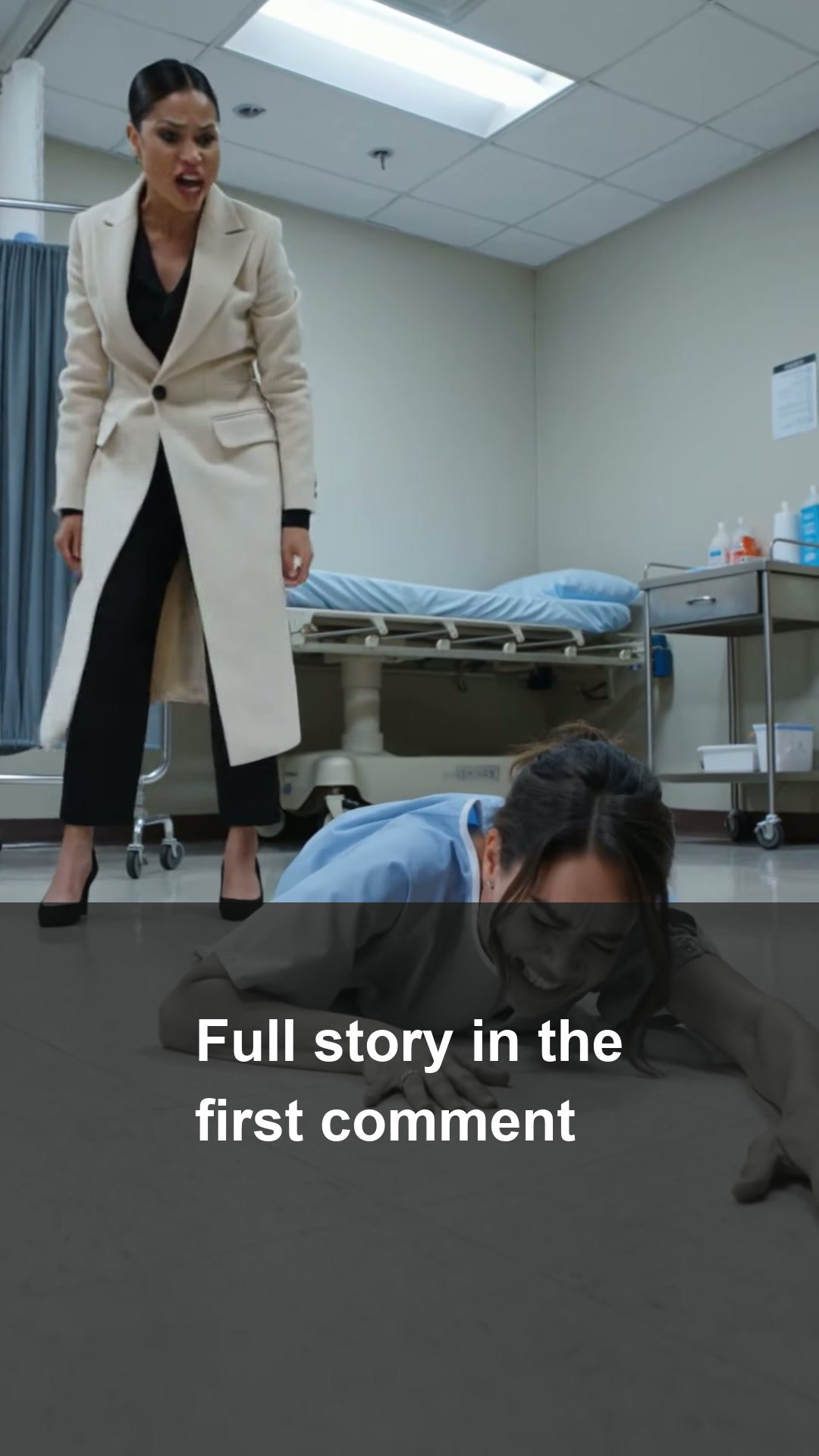
Three years later, I sat in the principal’s office because I had lied about my father’s profession. I had told my teacher he was a stockbroker when he was actually selling insurance he didn’t believe in. My mother arrived in a silk blouse that cost more than a month of groceries. She didn’t look at me, the student; she looked at the principal, the gatekeeper of her social status. She apologized for my imagination, calling it a symptom of my insecurity. When we got to the car, she didn’t yell. She sat in the driver’s seat and told me that if I ever embarrassed her again, she would stop paying for my piano lessons. The threat was a transaction: my compliance for my cultural capital. I watched the windshield wipers cut through the rain and decided that to survive her, I had to become an asset rather than a liability.
By sixteen, my role was fixed. I was the bookkeeper of the house. I knew the exact date the mortgage payments were pulled, the precise amount needed to keep the utilities humming in a house that felt like a museum of things we couldn’t afford. My sister, Chloe, was the golden child, the one who didn’t have to look at the numbers, but I was the one who kept the lights on. One night, I found a stack of letters in the back of my mother’s desk, postmarked from a town I didn’t recognize. I didn’t open them. I didn’t have to. The handwriting was neat, elegant, and familiar in a way that terrified me. I shoved them back into the drawer and walked into the living room, where my parents were laughing at a television program. I looked at their backs and thought that if I asked about the letters, I would have to pay the price of admission to a truth I wasn’t ready to own. I decided to ignore the letters, to let them rot in the dark.
College was my first attempt at an exit strategy, but it was just a relocation of the ledger. My mother called me weekly, not to ask about my classes or my friends, but to talk about the “temporary setbacks” in the family finances. She spoke of her life as a series of tragedies she had heroically endured, and I, in my dormitory, found myself sending portions of my savings to help her keep the illusion intact. I felt a surge of pride every time I wired the money, believing I was the architect of my own family’s stability. I didn’t see that I was simply paying rent on a house I didn’t own. I told myself it was for the sake of the family. I convinced myself that if I kept the accounts balanced, the ghosts wouldn’t come looking for what was owed.
The wedding was a blur of calculated aesthetic choices. My mother handled the guest list like a military campaign, and I watched her cross out names of distant relatives, claiming they were “unreliable.” I noticed the empty chair at the head of the table, a placeholder for a man who wasn’t allowed to exist. I remember the look on her face when I asked for his contact information one last time—a mixture of pity and annoyance, as if I were a child asking for a toy that had been discontinued. She told me he was dangerous, that he had stolen from us before he left. I believed her because the alternative meant admitting that my mother was a thief of a different kind. I stood at the altar, a bride in a dress I’d paid for, and wondered why I felt so hollow. I decided that my own marriage would be different, that I would build a life where the numbers never dictated the love.
Then came the births, theNICU, the chaos. My mother arrived at the hospital, not with flowers or comfort, but with a list of grievances about how the bills were mounting. She stood by the incubator, staring at my son as if he were a stock option that had failed to yield a return. I was exhausted, tethered to the machines keeping my son alive, and yet I was still the one arranging for the mortgage payment to go through on my laptop. She leaned over and told me it was a shame things had to be this way, implying it was my failure to succeed that had forced her into such dire straits. I looked at my son’s tiny, fragile hand and realized that my mother didn’t love him. She loved the role of the grandmother, but she couldn’t afford the maintenance. I realized that for twenty years, I had been underwriting her performance, and the cost was my own life.
I remember the day I finally cut the cord, the digital transfer I blocked with a single click. It wasn’t a moment of rage; it was a moment of accounting. The bank account screen blinked, confirming the stoppage of funds, and for the first time in my life, the numbers didn’t make me anxious. They made me free. I stood in the hallway of the hospital, the fluorescent lights humming, and felt the weight of the last two decades shifting off my shoulders. I thought about the drawer of unopened birthday cards back home, the ones I had saved because I was afraid of the contents. I realized that my mother hadn’t been protecting me from my grandfather; she had been protecting herself from his scrutiny. The fear I felt for him was a phantom she had planted, a weed meant to choke out any suspicion of her theft.
I looked at her now, standing in the hospital corridor, the mask of the grieving matriarch slipping to reveal the panicked woman underneath. She was trying to count the remaining assets, trying to figure out how to leverage this encounter into a new, profitable narrative. I didn’t give her the satisfaction of a reaction. I stood still, the silence now a weapon of my own design. I thought about the years of tuition, the house payments, the jewelry I had bought her to keep the peace. It was all gone, evaporated into the ledger of a life I would never live again. I decided, with absolute finality, that I wouldn’t pay another cent for the performance. I wouldn’t provide the capital for her lies, not for another second.
The man in the hallway, the man she had declared dead, took another step. He didn’t look like a villain. He looked like a man who had been waiting for the gravity of the lie to finally shift. I felt the floor beneath me stabilize. I knew then that the past wasn’t something to be buried; it was something to be audited. My mother was still hissing, her words a frantic attempt to rebalance the scales, but I had already closed the ledger. I turned away from her, toward the man who had been the missing variable in my life for as long as I could remember. I didn’t want an apology. I wanted the truth, and I knew, in the cold, precise way that had defined my entire existence, that truth was the only currency left. I walked toward him, leaving the ghost of the life I had paid for behind me in the sterile, airless quiet of the hospital ward. The next move was mine, and for the first time, it didn’t cost a thing.
The hospital corridor smelled of antiseptic and floor wax, a scent that triggered a Pavlovian response of hyper-vigilance. I felt the weight of my phone in my palm, no longer tethered to my mother’s bank accounts. Vivien stood near the water fountain, her tailored blazer looking like a suit of armor that had finally buckled at the seams. She smoothed her hair, a reflex of vanity even while her empire of lies disintegrated. She had spent decades curating a persona of effortless prosperity, yet her eyes darted toward the elevator, calculating the social cost of Arthur’s arrival. She viewed the world as a game of chess where she was the only piece that mattered.
Arthur stood opposite her, his hands tucked into the pockets of a worn corduroy jacket. He looked smaller than the phantom I had constructed in my mind, but his posture held a gravity that made Vivien look frantic. He had spent years in forced exile, watching from the shadows while his daughter leveraged his ghost for sympathy and coin. He held a leather-bound journal, the edges frayed from constant handling.
Arthur looked at me, then back at Vivien. I’m not here to settle accounts, Vivien, he said, his voice raspy like dry leaves. He looked tired, the kind of exhaustion that comes from carrying integrity in a room full of thieves.
Vivien let out a brittle laugh, her face tight. You were supposed to be dead, she spat. She looked at me then, her daughter, searching for an ally in the old transactional language. Natalie, tell him to leave. Tell him he’s trespassing on your peace.
I looked at her, seeing the desperation for the first time. I realized she had never loved me; she had only loved the comfort I provided. I crossed my arms, feeling the phantom itch of a checkbook I no longer possessed. No, I said, the word settling into the silence like a stone dropped in a well. He stays.
Linda, the night nurse, walked past us, her eyes averted but her hand lingering briefly on my shoulder. She was a woman who lived for the shift change, a silent anchor in a world of wreckage. She cared for my son with a tenderness that made my throat tighten, her own life a quiet routine of sacrifice that Vivien would never comprehend. She didn’t need to ask what was happening; she had seen the look of liberated terror on enough faces to know the diagnosis.
I looked at Arthur. He reached into his pocket and pulled out a small, faded photograph of my childhood, a time before the lies took root. I watched his thumb trace the edge of the frame. I didn’t want to hurt you, he whispered to me, ignoring Vivien entirely. I just wanted to be sure you knew you were worth more than what she could sell you for.
I felt a sharp, hollow ache in my chest, a reminder that my drive for financial stability had been a shield against the exact abandonment I was currently witnessing. I had bought my parents’ affection, and in doing so, I had become the very thing I despised. I realized then that I had to stop paying the ransom.
I turned my back on Vivien. Her breathing was ragged, the sound of a predator realizing the cage door was locked from the outside. I stepped toward the nursery window, looking at my son, Owen, behind the glass. He was the only innocent thing left in this room. I decided then to change the locks on the house, not just the physical ones, but the ones in my head that kept me tethered to their expectations. The next step was the hardest; I had to tell my sister.
The kitchen island in my condo felt like an operating theater. I pulled my laptop toward me, the cold granite biting into my wrists. I opened the banking portal, the UI a familiar sequence of blue and grey. Vivien’s mortgage payment was scheduled for 8:00 AM the following day, a recurring transfer of four thousand dollars that had flowed from my accounts to hers for six years. My finger hovered over the delete button. My heart didn’t race; it slowed, reaching a steady, clinical pulse. I clicked. The screen refreshed, the transaction list shortening by one line. It was an irreversible digital lobotomy.
The notification sound on my phone—the specific ping I reserved for my mother—cut through the silence. She didn’t call; she sent a barrage of text bubbles. They were aggressive, frantic, accusing me of a system error. I didn’t reply. I opened the attorney portal instead. I had drafted the letter while sitting in the NICU lobby, a document detailing the cessation of all financial subsidies and a formal demand for the return of the property deed to my name, as the funds for the down payment had been exclusively mine.
The doorbell rang, a sharp, jarring chime that made me flinch. I walked to the hallway, my eyes tracking the shadow beneath the door. It wasn’t the police; it was a process server, a man in a rumpled suit holding a manila envelope. He looked bored, a hired hand in the theater of other people’s collapses. I signed for the papers—a cease-and-desist from Vivien’s lawyer, claiming emotional abuse and financial abandonment. I took the envelope, feeling the weight of the paper, and realized this was the first time she had fought me with anything other than guilt.
I sat on the floor, the legal jargon swimming in my vision. She was trying to frame me as the aggressor. My thumb traced the edge of the envelope. I thought of Arthur, his face a map of the same betrayal I felt now. I stood up and walked to the wall where I kept my emergency file. I retrieved the DNA test I had ordered three weeks ago, back when I still believed there was a chance for reconciliation. I opened the report. The results were clear: the biological link to my grandfather, Arthur, was absolute. The link to Vivien was there, but it felt hollow, a genetic fact stripped of any emotional tether.
I called my lawyer. His voice was a calm, professional baritone, a stark contrast to the hysteria Vivien was surely brewing at home. I told him about the will. The original, the one that left everything to Vivien, had been signed under duress while Arthur was in a facility she controlled. I was going to contest it. I was going to strip the mask off her estate planning. He warned me it would be a long, ugly fight, but I only cared about the leverage. I needed to ensure she couldn’t touch a cent of the inheritance that was rightfully ours.
I felt a sudden, sharp need to be in control of the physical space. I drove to the house I had bought for them. The driveway was empty, the manicured hedges looking tired and overgrown. I pulled my keys from my pocket and walked to the front door, the wood grain feeling alien beneath my fingertips. I didn’t enter. I stood there and watched as the locksmith I’d hired earlier stepped out of his van. He worked with methodical speed, the cylinder popping out of the door like a loose tooth. When he finished, he handed me the new set of keys. I felt a surge of cold triumph. This was no longer their sanctuary; it was my collateral.
The backlash was immediate. My sister called while I was still in the driveway, her voice high and trembling. She screamed about the foreclosure notices, about the utility companies calling to say the accounts had been suspended. She called me a monster, a cold-hearted calculator who saw family as a spreadsheet. I let her finish, the wind whipping my hair across my face. I didn’t defend myself. I simply said, I’m done paying for the lies, and hung up.
I returned to the hospital to see Owen. The NICU was a sanctuary of beeping monitors and soft, artificial light. Linda, the nurse, was standing by the incubator, her hands hovering gently over the glass. She looked at me, her expression unreadable, and then nodded toward the seating area. Arthur was there. He looked smaller than he had the day before, his shoulders slumped as he stared at a medical chart.
I walked over and sat down. He didn’t look up, but his hand moved to cover mine. He knew. He must have seen the legal filings or heard the rumors that were already spreading through the family network. I told him about the court date, about the challenge to the will, and about the fact that I had cut them off. He sighed, a sound of profound relief, as if he’d been waiting twenty years for someone to finally say it out loud.
I’m sorry, I whispered, though I wasn’t sure if I was apologizing for the mess or for the silence that had preceded it.
He shook his head and looked at me, his eyes clear and steady. No more secrets, Natalie. No more blood-money.
I looked back at the nursery window. My phone vibrated—a string of messages from Vivien, desperate, pleading, then venomous. I blocked the number, the action as simple as closing a tab on a browser. The weight in my chest shifted. For the first time, the future didn’t look like a ledger of debts to be repaid. It looked like a blank page. I picked up my phone and opened the app for the local police station; I had a report to file regarding the fraud Arthur had uncovered. The cycle was breaking, and the debris was going to be substantial. I hit submit, and the world tilted, finally, into a trajectory I had chosen for myself.
The notification on my screen wasn’t a bank alert, but a tag in a Facebook neighborhood group. The post featured a blurry, long-lens photo of my house with a neon orange notice plastered to the front door. The comments section was a swarm of digital carrion. Mrs. Gable, who once lectured me on the importance of keeping a clean driveway, had posted: “So the ‘perfect’ family was built on a foundation of theft? I knew that woman was hiding something.”
I sat at my kitchen island, the wood cold against my forearms, and watched the cursor blink. My phone buzzed against the granite—a persistent, rhythmic tremor. It was my sister, Sarah. I didn’t answer. I knew the script: the plea for me to “fix” the optics, the demand that I reconcile so we could return to the fiction of our brunch Sundays. Instead, I opened my laptop and began drafting a statement for the local school board, requesting that Vivien’s access to the boys’ extracurricular accounts be revoked. My fingers moved with the detached efficiency of an auditor.
A knock rattled the front door. It wasn’t the polite, rhythmic rap of a neighbor; it was a frantic, aggressive pounding. I didn’t get up. I imagined Vivien on the other side, her perfectly manicured nails scraping against the paint, her face likely a mask of performative outrage. She had always relied on the social cost of her dignity to keep people in line. She thought that if she shouted loud enough, the truth would be drowned out by the noise of her reputation.
“You’re destroying us, Natalie!” her voice muffled through the wood, high-pitched and strained. “The girls at the club, the board, everyone is talking! You’re a cold-hearted liar!”
I picked up my water glass, the ice clicking against the rim, and walked to the hallway mirror. My own reflection looked back, calm, stripped of the frantic energy I’d spent two decades performing. I realized then that my detachment wasn’t a defect; it was a survival mechanism I had finally learned to weaponize. I didn’t feel the sting of her accusations. I felt the relief of the silence that would follow once the police arrived to escort her off the property.
I pulled out my phone and dialed the non-emergency line. “I have a trespassing issue,” I said, my voice steady, the words clipped and precise. As I spoke, I watched the shadow on the porch shift. My sister was there now, her silhouette hovering near the doorframe. The fracture was complete. They had chosen their sides, and they had chosen the performance over the person.
I hung up the phone and walked to the nursery. Arthur was sitting in the corner rocker, his back to the door, a children’s book open in his lap. He didn’t look up when the sirens began to wail in the distance, a low, rising howl that signaled the end of the facade. I leaned against the doorframe, the weight of the last six years dissolving into the quiet hum of the house. I had lost the family I thought I needed, but I had gained the only thing that mattered: a boundary that held. I walked toward the window, pulled the blinds, and turned my back on the street.
The sheriff’s deputy stood on the porch, his hand resting on the holster as he handed Vivien the final eviction notice. The paper looked flimsy against the backdrop of the mahogany door she had spent a decade polishing. I stood by the driveway, my hands shoved deep into my coat pockets, watching her face crumble from practiced indignation into something raw and unrecognizable. She didn’t look at me; she looked at the house as if it were a mirror reflecting her own sudden invisibility. When the locks clicked, the sound was final, a sharp, metallic punctuation mark that ended the long sentence of my childhood.
I didn’t offer to help her move the boxes. I watched her struggle with a heavy crate of crystal stemware, the glass clinking with a desperate, fragile sound. My phone vibrated—a bank notification—but I didn’t reach for it. For the first time in my adult life, the balance didn’t feel like a countdown to a disaster. It was just a number, silent and obedient. I realized then that my anxiety had been a learned behavior, a tax I had been paying on a debt that wasn’t mine to begin with.
I turned away and walked back toward the hospital entrance. Inside, the NICU air was filtered and cool. Arthur was still in the waiting room, his fingers tracing the spine of a worn children’s book. He looked up, his eyes meeting mine with a steady, quiet appraisal. He didn’t ask about the scene on the lawn. He didn’t need to. He simply closed the book and stood, his movements deliberate and unhurried.
Miles was breathing on his own now, a soft, rhythmic rise and fall behind the glass. I pressed my palm against the cool surface, watching the monitor pulse with his steady life. There were no hidden strings attached to this moment, no demands for performance, no secret ledgers of what I owed my mother for the privilege of existing. The silence of the room was heavy, but it was a comfortable weight, the kind that didn’t demand an explanation. I thought about the drawer in the nursery, filled with unopened cards that would remain sealed forever. I didn’t need to read them to know they contained only requests for more, for better, for longer. I reached for Arthur’s arm, and together, we turned toward the exit. The hallway felt shorter than it had that morning, the path forward clearing with every step I took away from the ghost of who I was supposed to be.
The morning air in the garden tasted of damp cedar and turned earth. I knelt, my palms pressing into the cool, dark soil of a raised bed while Owen sat a few feet away, methodically lining up plastic dinosaurs in the mulch. The silence wasn’t empty; it was a physical space I was finally allowed to occupy without checking my watch for a phantom deadline.
Arthur appeared on the back porch, holding two mugs of tea. The porcelain clinked softly against the railing.
Tea is getting cold, he said, his voice stripped of the frantic urgency that had defined every interaction in my mother’s house.
I wiped my hands on my jeans, the grit of the garden under my fingernails feeling like a badge of honest work. I stood up, my knees popping, and walked toward him. The fear of being watched—of being judged for the state of the grass or the cost of the groceries—hadn’t evaporated, but it was thinning.
Did you feed the dog? I asked, taking the mug.
He gave a small, wry smile. Barnaby is currently asleep on your sofa, having successfully intimidated the squirrels into submission.
I looked through the glass doors. The golden retriever was sprawled across the cushions, belly exposed to the sun, looking entirely unbothered by the weight of a legacy. For six years, my bank balance had been a jagged pulse monitor, spiking with every emergency call from my mother. Now, the app on my phone was just a boring list of numbers that didn’t demand anything from me.
I realized then that I wasn’t waiting for the next disaster. I was simply here, breathing in the smell of pine needles and damp heat. I sat on the step, shoulder to shoulder with Arthur.
I think we should plant the tomatoes tomorrow, I said.
Arthur exhaled, a long, steady sound. I’d like that.
I reached for my tea, my hand perfectly still. The hook of the past had finally pulled free. Now, I had to figure out what to build in the space that remained.
I walked into the small hallway, the floorboards silent under my weight. In the corner, the mahogany chest that had once served as a monument to Vivien’s performative affection sat draped in dust. I pulled the drawer open, the wood scraping against the frame with a dry, hollow sound. Inside lay a dense stack of envelopes, their edges yellowed, stamps from two decades of birthdays and holidays mocking me with their pristine, unopened flaps. I didn’t reach for a letter opener. Instead, I carried the entire heavy pile into the nursery, where the soft, rhythmic glow of Owen’s whale-shaped nightlight washed over the floor. I sat on the rug and pried the first seal loose, the paper tearing with a clean, final snap that echoed against the quiet walls.
Leave a Reply