The police cruiser’s strobe lights fractured the living room into rhythmic, blue-white shards of violence.
The air smelled of burnt espresso and the metallic tang of the document shredder Arthur had frantically jammed before the front door splintered inward. I stood by the bay window, watching the neighbors pull back their curtains, their faces pale blooms in the darkness. My pulse was a steady, rhythmic thrum against my collarbone.
Arthur’s face was a mottled purple, his tie undone, the silk hanging like a hangman’s noose against his starch-stiff shirt. He lunged toward the table, his hand catching the edge of the glass, but the officer’s palm hit his chest with a dull, sickening thud.
You should have checked the ink density, Dad, I thought, watching him struggle to breathe. The forgery was perfect, but the timestamp on the digital file metadata was a tombstone.
Elena caught my eye from the hallway, her mouth opening in a silent, jagged O of betrayal. I didn’t blink. I smoothed the lapel of my jacket, turned my back on the wreckage, and walked toward the door. The siren’s wail began to climb, reaching for the neighbors’ windows.
The alarm clock buzzed at 5:45 AM, a sharp, rhythmic vibration that felt like a drill against the nightstand. I reached out, my hand landing on the plastic casing before the second pulse could finish, and silenced it. The bedroom was still swallowed in the gray, pre-dawn gloom of early October. Outside, the neighborhood was nothing but a collection of dark, silent silhouettes—the peaked roofs of suburban boxes standing in a row, uniform and still.
I stood up, the carpet beneath my bare feet cool and slightly damp from the morning air. Downstairs, the house held its breath. I navigated the hallway by memory, sliding past the closed doors of my parents’ room where the faint, rhythmic sound of heavy breathing leaked into the corridor. In the kitchen, the linoleum felt gritty. I filled the kettle, the water rushing into the reservoir with a hollow, metallic ring. While it boiled, I stood by the window and watched a solitary delivery truck creep down the street, its headlights cutting through the mist like dull knives.
Coffee in a ceramic mug, black and bitter. It was the same routine as yesterday, and the day before that, and every morning for the last two years. I tapped my spoon against the rim of the mug, a tiny, repetitive metallic chime that punctuated the silence. I wondered if the radiator would rattle today; it usually did when the heat kicked on. It did, a series of sharp, staccato metallic bangs that made the floorboards vibrate.
I drove the sedan to the café, the windshield fogging over until I turned the defroster to full. The streets were predictably empty. At the office park near the train station, the lights in the lobby were already flickering on, casting long, orange bars across the asphalt. I parked in my usual spot, third from the corner, and checked my reflection in the rearview mirror. My hair was pulled back, tight and practical. I looked like a person who had never committed a crime, never held a grudge, and never doubted the permanence of a suburban life.
The café smelled of toasted sourdough and industrial floor cleaner. I spent the first hour wiping down the counter, the rag moving in practiced, circular motions. My coworker, Sarah, breezed in at 7:00 AM, her coat damp from the drizzle.
Did you catch the weather report? she asked, shoving her bag into the locker.
Rain through Thursday, I said.
Great. Just what the morning rush needs. She laughed, a short, clipped sound, and started fiddling with the settings on the espresso machine.
The printer in the back office jammed around 9:30 AM, just as it always did when it felt the heat of a busy morning. I spent ten minutes tugging at the paper tray, the scent of hot toner filling the air. My fingers were stained with a fine, black dust, the kind that took scrubbing to remove. I felt entirely composed, an assembly of gears and habits, functioning exactly as expected. I took an order for a triple-shot latte from a man who didn’t look at me, his eyes glued to his smartphone, his thumb swiping through images I couldn’t see. I handed him the cup, the sleeve hot against my palm.
The morning slowed into that familiar, listless lull. I leaned against the back counter, watching the street. A neighbor’s dog barked three times, a frantic, high-pitched sound that was quickly muffled by a heavy front door slamming shut. Everything was predictable. Everything was set.
Then, from the pocket of my apron, my phone buzzed. It was a sharp, vibrating shudder against my hip. I pulled it out, expecting a calendar alert or a redundant text from my mother about dinner. Instead, the screen lit up with a notification from the bank—an unexpected login attempt from a device I didn’t recognize. My thumb hovered over the display, the glass cold and unyielding. The bell above the café door chimed, sharp and sudden, signaling a new customer. I didn’t look up. I stared at the blinking red icon, then the phone rang.
I swiped the call to ignore, the phone vibrating once more before falling into a dead, heavy silence. The café air smelled of burnt espresso and the metallic tang of the steamer. I walked to the back, locking myself in the small storage closet where the shelves were stacked with bulk bags of beans. The light bulb flickered, casting long, jittery shadows against the walls. My pulse was a steady, rhythmic thrum in my throat, clinical and precise.
I opened the bank’s mobile app. My account balance, usually a reliable figure I checked every morning, had shifted. A wire transfer of exactly twelve thousand dollars had been executed three minutes ago to an account registered in Marcus’s name. My hands did not shake. I felt only a profound, hollow clarity. I had left my laptop open on the kitchen counter that morning, a mistake born of trusting the quiet of my own home.
I called Megan. She picked up on the second ring, her voice muffled by the sound of a printer cycling in the background.
Fiona, she said, her tone clipped, cautious. I’m looking at the terminal now.
Did he use my login? I asked, my voice steady, stripped of the fatigue that usually clouded my mornings.
He used your credentials, yes, but he accessed the portal through a secondary IP tied to your father’s office router. It wasn’t a breach, Fiona. It was an internal transfer.
I leaned my forehead against the cool, vibration-heavy surface of a cooling unit. The betrayal wasn’t a shock; it was a realization of the final variable in a long-standing equation. For years, I had treated their greed as an atmospheric condition, something to be endured. Now, it was a forensic trail.
Can you lock the transaction? I asked.
I can flag it as fraudulent, but it will trigger an immediate investigation, Megan replied. It’ll blow the lid off the entire account history. They’ll know you reported it.
They already think I’m the silent partner in their survival, I said, staring at the dust motes dancing in the dim light. I’m done being the ghost in their balance sheets.
I thought about the forged loan application tucked into my bag, the document I had spent weeks verifying through Megan’s access. It was the anchor. If I reported the wire transfer, I would be forced to use the forgery to prove the pattern of theft.
Do it, I said. Flag it.
Fiona, wait, she started, but I ended the call.
I stepped out of the closet and walked to the front of the shop. The customer was still waiting, tapping a rhythmic beat against the counter with a set of keys. I looked at him, seeing only a blur of movement, my mind already drafting the timeline of the inevitable collapse. I didn’t care about the coffee anymore. I reached for the apron strings, untied the knot at my back, and let the heavy fabric slide to the floor. The door was open, and for the first time in years, the street outside looked like a path rather than a cage. I walked out.
The asphalt of the parking lot was still warm, radiating heat through the thin soles of my sneakers as I climbed into my car. My hands were steady, a cold precision settling over my nerves. I pulled the printed loan application from my bag and laid it on the passenger seat, the forged loops of my own signature staring back at me like a mockery.
The first call was to my mother. I didn’t wait for her to finish her rehearsed greeting.
Fiona, you’re acting out, she said, her voice dropping into that saccharine, pitying tone she used whenever she felt threatened. You know that money was for the investment property, for the family’s future. Marcus handled the paperwork because you were always too busy at the café.
Marcus told me he never saw the bank documents, I replied, my eyes fixed on the rearview mirror.
There was a three-second silence, the kind that held the weight of a thousand small lies. No, no, he must have misunderstood you, she stammered, the smooth facade of her confidence cracking. It was just an administrative error. A clerical oversight. Arthur will fix it when he gets back from the hotel.
I didn’t argue. I hung up and dialed the front desk of the Grandview Hotel, where my father claimed to be meeting clients. The receptionist answered with a practiced, clipped efficiency. When I asked for Arthur Bennett, she didn’t check a screen. She didn’t have to.
Mr. Bennett checked out four hours ago, ma’am. He hasn’t been a guest here since the bankruptcy hearings started last month.
The floor beneath my feet—or rather, the seat beneath me—seemed to drop. My father hadn’t been working; he had been hiding. I shifted the car into gear, the tires kicking up gravel as I pulled onto the main road.
I needed the nurse, Sarah, who had cared for my grandmother during the final months when these documents were supposedly signed. I found her number in my old address book, my thumb tracing the worn paper.
Fiona, she said, sounding breathless, perhaps from a shift change. That signature? Your grandmother hadn’t been able to hold a pen for weeks before she died. We had to guide her hand for the medical charts. There’s no way she signed a loan application.
The lies didn’t just contradict each other; they were unraveling the entire tapestry of my life. My father said he was at the hotel; the hotel said he was gone. My mother blamed Marcus; Marcus claimed total ignorance. My grandmother, the supposed guarantor of the debt, hadn’t even been conscious.
I drove toward my parents’ house, the steering wheel slick under my palms. I saw a man standing on the corner near their driveway, a neighbor who watched everything with a hawk’s gaze. I slowed the car, rolling the window down.
Did you see them move anything out today? I asked, keeping my voice flat.
He looked at the empty street, then back at me, his lip curling. Your father left in a hurry around noon, carrying boxes. He wasn’t alone. That cousin of yours was driving the van, and they looked like they were fleeing a fire. They didn’t head toward the office, Fiona. They went toward the airport.
I shifted into park, the engine ticking as it cooled. The pieces of the puzzle weren’t just mismatched; they were from entirely different boxes. I had the facts, the documentation, and now, the proof of their flight. I pulled my phone out again, dialing the local precinct. It was time to stop asking and start documenting the wreckage.
I stepped into the house, the air thick with the smell of stale coffee and the cloying, floral scent of my mother’s perfume. The living room was a graveyard of abandoned half-lives. A single sneaker, a stack of unpaid utility bills, and a broken picture frame lay scattered across the rug. I walked to the kitchen, my boots clicking against the linoleum. The table was set for three, as if they had expected to return for dinner, but the chairs were pushed back in a chaotic, jagged row.
I opened the pantry. It was bare, stripped of the dry goods I had purchased with my own paycheck only four days ago. I moved to the master bedroom, where the closet doors stood wide, revealing the empty hangers that swayed in the draft from the cracked window. They hadn’t just packed; they had scavenged.
I reached for the small, fireproof box hidden beneath the loose floorboard in the corner of the closet. I pulled it out, my fingers tracing the cold metal. Inside, tucked behind my birth certificate, was the hidden ledger—a meticulous record of every dollar they had drained from my savings under the guise of family investments. I laid the ledger on the bed, flipping to the final page where my father had scrawled his signature next to an inflated valuation of my own life.
My mother stood in the doorway, her breath hitching as she saw the book in my hands. Her face, usually a mask of rehearsed composure, crumbled into the grey, hollow features of a stranger. She reached out, her hand trembling, a pathetic attempt to reclaim the narrative of our shared existence. I didn’t flinch. I let the weight of the paper fill the space between us, the evidence of a lifetime of calculated theft finally stripped of its pretenses. She whispered my name, her voice fracturing like glass. I looked her dead in the eye and said, You were never a mother, you were just a landlord who forgot to pay her taxes.
The kitchen in our first house smelled permanently of floor wax and the burnt crusts of the frozen pizzas Dad insisted were a delicacy. I was seven, standing on a stepstool to reach the counter, counting out the loose change I had harvested from the couch cushions to pay for my own school field trip. My mother entered the room, her hair pulled back into a severe, damp ponytail, and reached over my shoulder, her fingers cold as she swept the coins into her palm. She told me it was a contribution to the household, a lesson in communal living, while she dropped the quarters into her purse to pay for a carton of cigarettes. I watched the metal disappear into the dark leather lining, a quiet realization settling into my chest: my belongings were not mine, they were merely held in trust for their convenience. I decided then that if I wanted something to remain in my possession, it had to be hidden where the sunlight of their ambition could not reach it.
At ten, the pattern shifted from petty theft to administrative erasure. I brought home a permission slip for a regional science fair, my name printed neatly in the box at the top, a placeholder for the future I had already started mapping out. Dad took the paper from my hand, his eyes scanning it not for the project details but for the potential stipend mentioned in the fine print. He didn’t ask if I wanted to participate; he asked how much the prize money was and if the check could be made out to his business entity. When I protested, he looked at me with a bewildered sort of pity, as if I were a malfunctioning appliance. He told me that family was a corporation, and every member had to leverage their assets to keep the firm afloat. I signed the form because he held the pen, but I stopped entering my work into the school ledger under my own name. I started using a pseudonym for my research logs, a small, paper-bound act of treason that felt like breathing in a room where the air had been sucked out.
High school was an exercise in strategic poverty. While my friends saved for cars or clothes, I kept a hidden ledger tucked behind the loose baseboard in my closet. Every birthday card containing a ten-dollar bill, every allowance I managed to skim from the grocery money they occasionally trusted me to handle, it all went into the hole. I learned to watch the subtle shift in their posture—the way Dad’s shoulders hiked toward his ears when a bill arrived, the way Mother would sharpen her tone, talking about my cousin Marcus as if he were a holy relic. Marcus was the golden calf of the family. He arrived at our house every other weekend, draped in a designer jacket that cost more than my entire wardrobe, and my parents would fawn over his lack of work ethic as if it were a sign of aristocratic leisure. They wanted him to be the face of their future, the one who would finally secure the bank loans they couldn’t qualify for on their own. I was just the engine in the basement, expected to run without fuel.
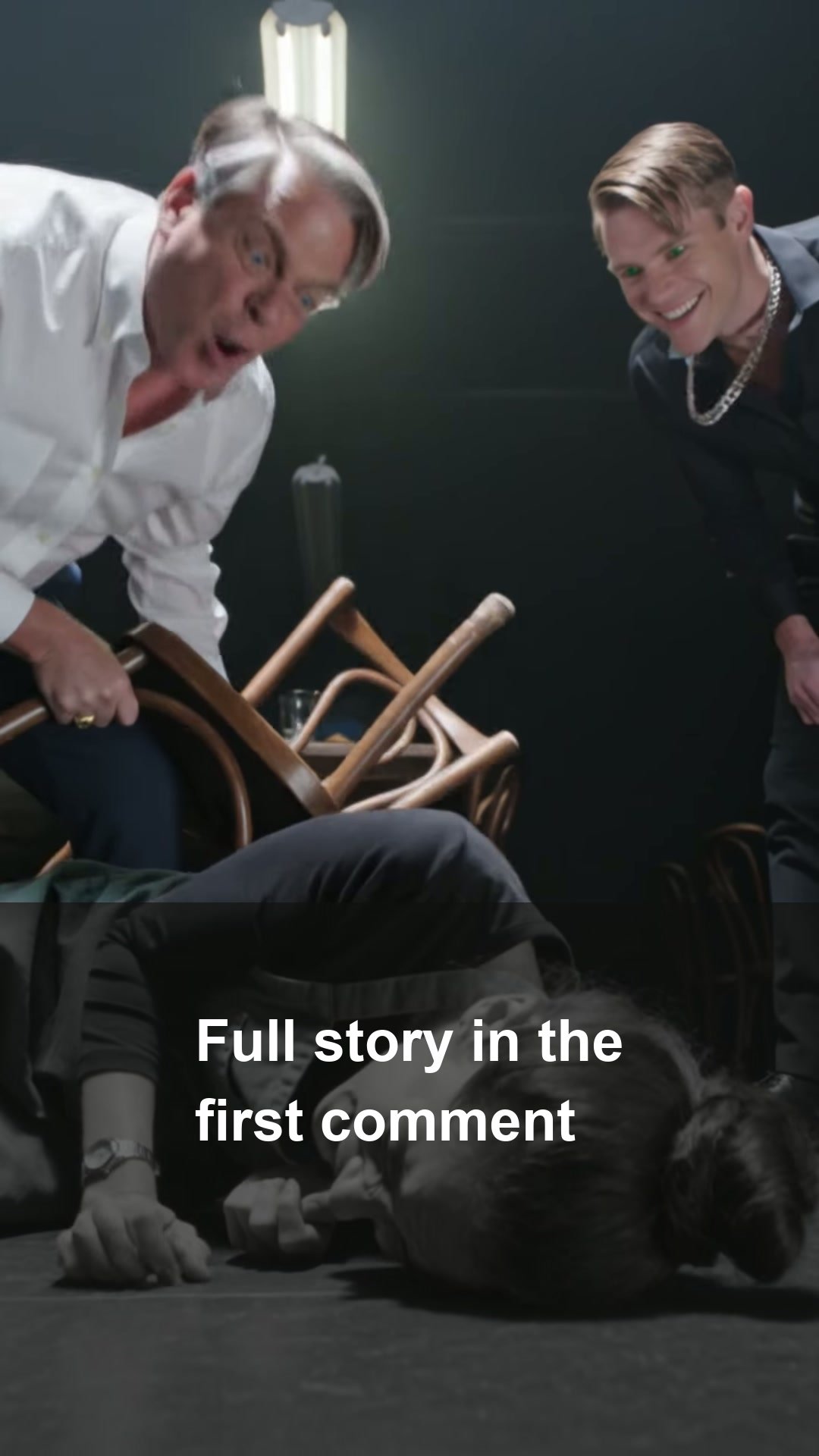
I remember the Tuesday night of my junior year, the house vibrating with the sound of a shouting match behind the closed door of the master bedroom. I sat at the kitchen table, doing my homework, the silence of the rest of the house feeling like a physical weight. Dad emerged, his face flushed, holding a stack of past-due notices that he slapped onto the table in front of me. He didn’t apologize for the debt; he presented it to me as a failure of my character. He argued that if I were truly committed to the family, I would find a way to secure a student loan in my name, under the guise of an early college fund, to cover the mounting arrears of his failed contracting jobs. I looked at the red ink stamped across the envelopes and felt nothing but a cold, clinical curiosity. I decided to give him a document, but not the one he wanted. I started drafting a fake savings account statement, a piece of fiction that I kept in my desk, a phantom wealth that kept them from digging through my actual pockets for another six months.
The marriage of my parents wasn’t a partnership; it was a conspiracy. They operated on the assumption that I was a renewable resource, a battery they could drain until I flickered out. When I started working at the café at eighteen, the first thing Dad did was demand a copy of my bank login credentials under the pretense of teaching me financial literacy. He sat in my chair, his large, calloused hands hovering over my keyboard, and I watched his face tighten as he realized there was nothing there to steal. He didn’t explode. He just looked at me with that same, vacant disappointment, the way one might look at a vending machine that had swallowed a coin without releasing a snack. He started telling everyone we knew that I was unstable, that my reluctance to share my earnings was a symptom of some deep-seated, antisocial resentment. It was a pre-emptive strike, a way to paint my boundaries as madness so that no one would listen when I eventually spoke the truth.
Marcus was the primary beneficiary of this campaign. He’d show up with a new scheme every six months, a startup or a land-flipping deal that required “startup capital,” and my parents would look at me, their eyes pleading with a silent, desperate greed. I recall the morning they sat me down, the breakfast table littered with brochures for a condo in the city Marcus wanted to manage. They told me that Marcus was a visionary, that he was the key to our prosperity, and that all I needed to do was cosign a single document. They didn’t use the word debt; they called it an investment in our legacy. I looked at the papers, the ink still wet on the signature lines, and saw the jagged, hurried loops of a man who didn’t respect the law, only the outcome. I didn’t say no. I asked for a copy of the business plan, a request that made them stutter, their rehearsed confidence faltering. They couldn’t produce one because there was no plan, only a desire to live off the labor of others.
The final straw wasn’t the forged signature, though that was the physical proof. It was the realization that they had been telling this story about me—the ungrateful daughter—since the day I was born. They had built a narrative of my life as a support beam for their own inadequacies, and they had been so diligent in that fabrication that they believed it themselves. I watched them in the living room that night, arguing over how to split the money they hadn’t even stolen yet, their voices overlapping in a frantic, dissonant harmony. I retreated to my room and pulled the ledger from the baseboard, the pages yellowed and filled with the documentation of every dollar they had taken, every lie they had told, and every instance where I had been forced to defend my own existence. I decided then that I wouldn’t just stop the flow of money; I would tear the house down. I walked back into the living room, the ledger heavy in my hand, and saw the empty space where my life used to be, now occupied by the debris of their desperation. I knew then that the silence I had cultivated was not a weakness, but the preparation for the final, necessary sound of an ending.
The dining room air tasted of burnt coffee and stale desperation. Arthur sat at the head of the table, his fingers tapping a restless rhythm against his wine glass, the gold watch on his wrist a persistent reminder of the debt he could no longer service. He looked at me, his eyes searching for the pliable child he had spent two decades molding into a credit buffer, but found only the ledger. I dropped the heavy binder onto the mahogany. It landed with a dull, final thud that silenced Elena’s frantic humming in the kitchen. She entered, smoothing her apron, her face a mask of practiced concern that crumbled the moment she saw the opened page detailing the second mortgage. She had spent years preaching the sanctity of family legacy, yet she had been the one to forge my signature on the refinancing documents, her handwriting a frantic, jagged imitation of my own. She looked at Arthur, waiting for him to play the provider, but the patriarch had no scripts left for bankruptcy.
Marcus leaned against the sideboard, nursing a drink, his arrogance still wrapped in a designer suit that had been purchased with my tuition money. He had played the role of the golden cousin, the entrepreneur-in-waiting, while I had been the silent financier, the secret investor in his failures. He sneered, a reflex born of entitlement, and muttered something about respecting one’s elders. I didn’t respond, instead sliding a printout across the table: a time-stamped email from Megan at the bank, confirming that the loan application had been flagged for internal audit. Megan, who had once been my closest friend, had finally chosen her professional integrity over our shared history. Her decision to leak the documentation had transformed her from a passive bystander into the catalyst for my liberation. She had risked her career to provide the ammunition I needed.
Arthur’s face turned a mottled, unhealthy shade of grey. He opened his mouth to shout, to summon the familiar authority that had kept me obedient, but the words withered in his throat. I watched the realization wash over him: the house, the car, the reputation—they were all tied to the fraud I had just unmasked. Elena began to weep, but it was a dry, performative sound, the wail of a strategist whose board had been cleared. I felt no triumph, only a clinical coldness as I realized their entire domestic architecture had been built on the assumption that I would never demand an accounting. They weren’t just parents; they were parasites who had mistaken my silence for consent.
I turned to Marcus, whose smug expression was beginning to warp into something hollow. His entire persona was a manufactured lie, a career built on the theft of my financial identity. He tried to speak, to dismiss the audit as a clerical error, but the weight of the ledger made his denials sound like frantic chirping. I didn’t care about their anger or their excuses; I cared only for the sequence of events that would strip away their illusions one by one. I walked to the door, leaving them in the suffocating quiet of their own making, and felt the heavy latch of the front door click shut behind me. The streetlights flickered, illuminating the path to my car. I was finished with the role of the victim, and the next step was a call to the fraud department to ensure there was no turning back.
The interior of my car smelled of stale coffee and the damp upholstery of a decade-old sedan. I sat in the dark, the engine ticking as it cooled, and pulled the burner phone from my glove compartment. My fingers moved with the detached efficiency of a machine. I dialed the fraud division of the bank that held the mortgage on my parents’ house. When the representative answered, I didn’t soften my tone. I stated my name, my social security number, and the specific case file number I had generated from the leaked documents Megan provided.
I’m reporting identity theft, I said, staring at the blurred silhouette of my childhood home through the windshield. My father used my credentials to secure a refinancing package without my consent. I have the signed application here.
The representative hesitated, the silence on the line stretching into a rhythmic hum. I waited, watching the porch light flicker.
We need a formal affidavit and a police report to initiate a freeze on the account, he finally said.
I’ll have them by morning, I replied, and ended the call.
I started the ignition and drove to the 24-hour precinct. The station was a fluorescent-lit cavern of exhausted officers and the smell of industrial floor wax. I sat on a bench that felt like jagged iron against my spine, clenching my teeth until my jaw ached. I had spent twenty-five years being the silent safety net, the one who paid for electricity and groceries while they played at being titans of industry. Now, I was the one pulling the thread that would unravel the entire sweater. When the duty officer arrived, I laid out the photocopies—the forged loan documents, the bank statements showing my paychecks funneled into their accounts, the evidence of the shell company Marcus used to siphon the funds. I didn’t cry. I didn’t plead. I handed over the facts, one sheet at a time, until the officer’s indifference turned into a measured, sharp focus.
I left the station with a stamped case number that felt heavier than the weight of my life up to that point. The next morning, I arrived at my law firm’s office—the one I had retained using the last of my savings—before the receptionist had even unlocked the glass doors. We spent three hours drafting a cease-and-desist letter regarding the eviction, coupled with an immediate injunction against any further use of my personal tax identification number. My lawyer, a woman with a voice like dry gravel, looked over the documents with a grim smile.
This will trigger an audit, she said, leaning back in her chair. If they have been moving money the way you say, they won’t just lose the house. They’ll lose their reputation.
I don’t care about their reputation, I said. I care about the restitution.
The counter-action was instantaneous. By noon, my phone began vibrating against the desk in a relentless, stuttering rhythm. Dad. Mom. Marcus. They were calling back-to-back, their numbers popping up like red alerts. I let them go to voicemail, watching the transcriptions scroll by: frantic, then aggressive, then tearful, then threatening. My father’s final message was a masterpiece of cognitive dissonance: You are ruining this family for a few thousand dollars, Fiona. Think about the legacy.
I blocked the numbers and walked into the corporate office of the construction firm where Marcus held his fabricated title of Senior Consultant. I walked straight to HR, bypassing the reception desk with a confidence I had borrowed from the legal filings in my bag. I met with the head of the department, a woman named Sarah who was known for her cold, procedural nature.
I am an interested party regarding the financial conduct of your consultant, Marcus Bennett, I said, laying the documents on the mahogany desk. I am formally notifying you that the credentials used to verify his employment history and his initial capital investment into this firm were obtained through identity theft.
Sarah looked at the papers, her eyes widening as she scanned the forged bank stamps. She didn’t ask for explanations. She picked up her intercom and told her assistant to pause all internal disbursements to Marcus’s department.
He’ll be escorted out within the hour, she whispered, not looking at me.
I left the building just as a security guard was walking toward the executive suite. I saw Marcus through the glass partition, his face turning a sickly, mottled grey as he realized he was being watched. He caught my eye through the window, his expression shifting from arrogance to a terrifying, hollow panic. He knew.
I didn’t stop there. I drove to the local court clerk’s office to contest the will my grandmother had left, the one my parents claimed had been depleted by legal fees. I had discovered, via a disgruntled former bookkeeper, that the funds had actually been transferred to an offshore account in Marcus’s name. I filed the motion to open the probate records for a forensic accounting review.
As I stepped out of the courthouse, the afternoon sun felt blinding. My phone buzzed again—an unknown number. I answered. It was my mother, her voice thin and jagged.
Fiona, please, she sobbed, there’s a DNA test. Your father… he’s saying if you don’t drop this, he’ll contest your paternity, he’ll say you were never part of this family.
I gripped the phone, my knuckles white. A laugh escaped me—sharp, dry, and devoid of humor.
Tell him to file the paperwork, I said, my voice steady. I’ve already contacted a lab. I want to know who my parents are as much as they want to disown me. Let’s see what the truth looks like in a court of law.
I hung up, the static of the connection echoing in my ears, and walked toward the parking lot. The escalation had reached its point of no return. There was no going back to the dining room, no going back to the silence. I was alone, stripped of the false identity they had built for me, and for the first time in my life, I was finally, terrifyingly free.
The notifications began as a trickle, then surged into a deluge that drained my battery before noon. I stood behind the espresso machine at the café, the rhythmic hiss of the steam wand a dull vibration against the frantic buzzing in my apron pocket. On the local community Facebook page, someone had posted a screenshot of the foreclosure notice. Underneath, a thread of two hundred comments dissected the Bennett family’s downfall with the surgical precision of people who had been waiting years to tear us apart.
Arthur, stop trying to message me, I whispered, staring at the screen as he typed, deleted, and retyped a flurry of threats. I blocked his number, the action feeling less like a betrayal and more like clearing a digital cache of corrupted data.
A regular, Mrs. Gable, leaned over the counter. Her eyes weren’t filled with sympathy; they were hungry for detail. She tapped a manicured finger against the glass pastry case. So, Fiona, is it true? Did your father really use your social security number to leverage the equity on the house? I’ve heard the bank sent a forensic auditor to his office this morning.
My throat tightened, but I kept my face blank. I don’t have a comment on private legal matters, I said, sliding her oat milk latte across the granite.
She hesitated, then frowned, her disappointment palpable. Everyone’s talking about it, you know. The school board is reviewing Marcus’s position as assistant coach. They don’t want that kind of scandal near the kids.
I watched her walk away, the bell above the door chiming with an accusatory thinness. The café, usually a sanctuary of steam and routine, felt like a glass cage. Every customer who glanced at me was measuring me against the headlines, wondering if I was a victim or a co-conspirator. My manager, usually indifferent, hovered near the back office, his gaze shifting whenever I looked his way. He was weighing the cost of my presence against the risk of the Bennett name appearing in his establishment’s tax filings.
I stepped into the walk-in fridge to find a moment of artificial, freezing silence. My hands were shaking, not from cold, but from the terrifying realization that I was no longer a person to this town; I was a data point in a cautionary tale. The community that had once been the backdrop of my life had turned into a mob, picking through the wreckage of my family’s reputation as if it were a carcass.
I reached for a crate of milk, my breath hitching as I realized the true cost of my freedom. I had won the war, but I was living in the crater left by the explosion. My identity, once stolen, was now a public spectacle, stripped of all nuance and flattened into a tabloid headline.
I walked back out, wiped the counter, and saw a message from Megan on my personal phone. The investigation is moving to the criminal phase, she wrote. The police are at your mother’s house now.
I looked at the clock. It was two hours until my shift ended. I decided then that I wouldn’t go home. I wouldn’t watch the neighbors line the street to see the police cruisers in the driveway. I wiped the counter with clinical efficiency, erasing the phantom stains of a life that had never really been mine. When the next customer approached, I didn’t look at their face. I looked only at the register. The hook was set, and the rest of them were finally reeling.
The courtroom air smelled of floor wax and stale coffee. I sat on the wooden bench, my hands resting flat against my thighs, feeling the vibration of the heavy oak doors closing behind me. Arthur stood at the defendant’s table, his shoulders hunched under a suit that suddenly looked three sizes too large. His hair was thinning, revealing a scalp I had never noticed before. He didn’t turn around. He didn’t look for me.
The judge adjusted his glasses, the movement crisp and final. He read the summary of the bank fraud, his voice devoid of the theatrics my parents once used to justify their theft. My mother, Elena, was huddled in the front row, her face buried in a damp silk handkerchief. She was no longer a matriarch. She was just another witness to a balance sheet that had finally bottomed out.
The sentence was read. Five years of supervised probation for them both, the immediate restitution of the funds they had siphoned from my accounts, and the final order for the seizure of the home to satisfy the outstanding liens. It was a sterile, bureaucratic ending to a lifetime of engineered chaos. I felt nothing but a cool, detached relief. My father turned slightly, his eyes searching the room with a hollow, desperate hunger. I looked past him, focusing on the exit sign glowing red above the door.
I stood up. The sound of my chair scraping against the floor was the only noise in the room. I walked toward the back of the courtroom, my heels clicking in perfect, rhythmic intervals. My mother reached out a hand as I passed, her fingers trembling, a pathetic attempt to anchor herself to the daughter she had viewed as nothing more than a liquid asset. I didn’t stop. I didn’t slow my pace. I didn’t owe her the dignity of a glance.
Outside, the late afternoon sun was harsh and unforgiving. I walked to the curb and pulled my phone from my pocket. My bank balance was restored, a series of digits that finally belonged solely to me. I had a rental application for an apartment across the city, a place where no one knew my name or my history. I dialed the landlord, my voice steady, the clinical precision of my life finally aligned with my surroundings.
The engine of a passing taxi roared to life, drowning out the distant, fading sound of the courthouse gavel. I was no longer a participant in their narrative. I was the architect of my own silence, and as I stepped into the cab, I finally let go of the keys I had kept in my pocket for twenty-five years. The metal hit the pavement with a soft, final clink. I didn’t look back to see where they fell.
The wind at the shoreline smelled of brine and rotting kelp, a sharp, cleansing scent that cut through the stale memory of stagnant rooms. I walked until the sand turned from grey grit to firm, damp obsidian under my boots. My toes curled into the cold slush at the water’s edge, a tactile reminder that the ground beneath me was no longer borrowed. I stopped to watch a golden retriever chase a seagull, its owner laughing from a distance—a sound that didn’t vibrate with hidden agendas or transactional grace.
I sat on a piece of driftwood, the grain smooth and silvered by years of salt. I pulled a small, plain notebook from my jacket and opened it to a blank page. The ink flow was steady, no longer stuttering over the weight of legal jargon or defensive lies.
Are you hungry, Fiona? The voice was my own, quiet and testing the air.
I checked my watch. Noon. I hadn’t eaten a meal that didn’t involve the anxiety of being watched or the pressure of justifying my appetite in months. I stood, the movement fluid, unburdened by the phantom weight of my parents’ expectations. I found a small stall near the boardwalk selling fish tacos. The steam rising from the paper basket carried the scent of lime and cilantro.
I took the first bite, the crunch of the cabbage echoing in my ears, and realized I didn’t need to save a portion for anyone else. There was no one to critique my spending, no one to demand an account of my calories. I chewed slowly, tasting the heat of the sauce and the salt of the sea air. This was the first hour of my own life, and the silence was no longer a void to be filled; it was a floor I could finally stand on. I paid in cash, counted the change, and turned toward the city train, ready to find the door that only I held the key to.
I walked into my new studio apartment, the air still heavy with the scent of fresh white paint. The space was cavernous compared to the suffocating geometry of my childhood home, containing nothing but a mattress on the floor and a single wooden chair I had rescued from the curb. I set my bag down on the floorboards, the thud resonating against the bare walls. There was no clutter, no ledger books tucked into hidden drawers, and no phantom debt following me into the hallway. I dragged the chair to the center of the room, facing the window where the streetlights hummed with a steady, impartial glow. I sat down and placed my folded bank statements in the center of the seat, then slid them slowly into the trash.
Leave a Reply