The sound of my head hitting the marble was the final note in the symphony of my husband’s ruin.
Blood blossomed across the white stone, a jagged red map of everything I had just unmade. Damian stood over me, his tuxedo jacket discarded, chest heaving like a cornered beast. The penthouse was silent, save for the hum of the city lights bleeding through the floor-to-ceiling glass. I tasted copper and salt, the sharp sting of the impact vibrating through my teeth.
Damian’s hand reached out, then curled into a fist as he looked at the open laptop on the mahogany desk. The screen glowed with the transfer confirmations, the digital paper trail that stripped him of every cent he’d stolen from my father’s legacy.
I don’t know why, he hissed, his voice cracking beneath the veneer of his manufactured power. The words felt small, stripped of their usual bite.
I stared at the ceiling, counting the spotlights until my vision cleared. My hands pressed firmly against my belly, shielding the only thing that truly belonged to me. I would not scream. I would not give him the satisfaction of a sound. I reached for the edge of the ottoman and hauled myself up.
The morning air in the penthouse always smelled of roasted Arabica and the sharp, chemical tang of the industrial-grade glass cleaner the staff used on the floor-to-ceiling windows. I stood in the kitchen, the marble countertop cool against my palms, watching the sunlight bleed over the Chicago skyline in long, bruised streaks of purple and gold. It was a Tuesday. It felt like every other Tuesday, the kind of day that possessed the heavy, inert weight of a well-oiled machine.
I measured exactly two scoops of coffee into the French press. The rhythmic scrape of the metal spoon against the glass was the only sound in the room. Damian was already in his study, the muffled rhythm of his voice leaking through the walnut doors as he paced the length of the rug, barking orders about series-B funding and board liquidity. I poured the water, watching the grounds bloom into a dark, swirling sludge. I didn’t think about the ledger I had encrypted at three in the morning. I thought about the temperature of the water, the way the steam fogged my peripheral vision, and the dull, persistent ache in my lower back that had become my constant companion.
By 8:15, I was in the lobby. The doorman, a man named Arthur who had worked for my father for twenty years, tipped his cap. It was a practiced, mechanical gesture. His eyes didn’t meet mine; they flicked toward the black sedan idling at the curb, then back to the gilded trim of the revolving door.
The commute was a silent negotiation with gridlock. Outside, the city was aggressively gray, a sprawl of concrete reflecting the overcast sky. I watched a courier on a bicycle weave dangerously between a city bus and a stalled delivery truck, his face set in a mask of grim determination. I felt nothing but a clinical curiosity about his trajectory. I was calculating the time it would take to reach the office, factoring in the construction on Wacker Drive.
When I stepped into the elevator at Cross Capital, the air was recycled and thin. My office was a glass box overlooking the chaos of the trading floor. I sat at my desk, sliding a stack of quarterly reports into a neat pile. The printer in the corner hummed, a low-frequency vibration that rattled the pens in my holder.
Sarah, my executive assistant, tapped once on the glass before sliding it open. She held a stack of memos, her expression carefully neutral.
The weather report says freezing rain by three, she said, her voice dropping into that hushed, corporate register. Do you need me to reschedule the lunch with the underwriters?
I looked at the printer. It had jammed again, blinking a frantic, jagged orange light. The sound of it was irritatingly insistent, a mechanical stutter in the middle of an otherwise silent room. No, I said, keeping my gaze on the blinking light. Keep it. If they want the numbers, they can have them.
I didn’t tell her about the nausea that flickered behind my ribs, or the way the boardroom chair felt like a cage. I simply straightened my skirt and picked up a highlighter. It was a small, unremarkable life, a tapestry of routines woven so tightly that there were no gaps for anything else to get through. I was efficient, I was quiet, and I was exactly where I was supposed to be.
I reached for my phone to check the time, but before my finger touched the glass, the screen ignited. It wasn’t a call, but a notification—a silent, sharp chime that cut through the low hum of the office. The screen displayed a single, red-bordered alert from the firm’s automated security protocols, triggered by an unauthorized access attempt on the primary server. The phone vibrated against the desk, a frantic, rhythmic buzz that hummed against the wood.
I tapped the screen, my pulse barely registering a change in rhythm. The server room was cold, a climate-controlled tomb for the wealth Damian thought he commanded. I swiped through the logs, watching the IP address bounce through a series of offshore proxies before anchoring itself in the master bedroom suite. He was doing it now. He was finally trying to strip the remaining liquid capital from the holding account, unaware that the account had already been migrated to a blind trust held in my name alone.
Damian walked into the study, his tuxedo jacket discarded, sleeves rolled up to reveal the forearms he often used to gesture toward charts he didn’t understand. He didn’t look at me. He stared at the monitor, his fingers dancing across his own tablet with the desperate, jagged movements of a man watching his life support flicker.
He stopped, his breath hitching. He looked up, his eyes darting to the phone in my hand.
Why is the primary server locked, Evelyn? he asked. His voice was too calm, a thin veneer over the rage he kept for board meetings.
I stood, my palms flat against the mahogany desk, feeling the weight of the baby shift low in my abdomen. I have no idea, Damian. Perhaps it’s a glitch in the new security protocol.
He moved toward me, the leather of his shoes dragging slightly against the marble. You’re lying. You’ve been locking me out of my own firm for months.
I didn’t flinch as he crossed the room. I thought about the three years I spent scrubbing his math, correcting his projections, and smiling while he took credit for the Cross legacy. Every time he spoke over me in a meeting, I had calculated the cost of that insult. Now, the ledger was balanced.
He grabbed my wrist, his fingers digging into the pulse point. The pain was sharp, a white-hot spark against my skin, but it was just data. It was proof of the character flaw that had finally made him obsolete.
You will open it, he whispered, leaning so close I could smell the scotch on his breath. You will open it, or I will make sure you never leave this room.
I looked at his grip, then up into the hollow, frantic eyes of a man who suddenly realized he was worth nothing without my signature. I pulled my arm back, a deliberate, sharp movement that caught him off guard. I felt the sharp edge of the coffee table corner against my hip as I shifted away.
The gate is closed, Damian, I said, my voice steady enough to echo in the cavernous space. And you are trespassing.
He lunged, his hand reaching for the phone, but his momentum betrayed him. He tripped on the edge of the silk rug. His shoulder slammed into my side, and the world tilted. My head hit the marble floor with a sickening, hollow thud. Silence followed, a brief, ringing void. I stared at the ceiling, then at the cufflinks he’d dropped, and knew the audit was already under way.
I waited for the ringing to subside, the cold marble leaching heat from my shoulder until I could finally push myself into a sitting position. My phone vibrated against the baseboard, a persistent, rhythmic buzzing. It was Julian, the night auditor at the hotel where Damian had supposedly been conducting his secret off-site meetings. I tapped the screen, the blue light harsh against my retinas.
Ms. Cross? Julian’s voice was thin, frantic. I’ve been trying to reach Mr. Cross’s office for three hours. The security team just came through. They’re saying he checked out yesterday.
I pressed the phone to my ear, my pulse thrumming in my fingertips. Yesterday was the gala, Julian. He was here until midnight.
No, he wasn’t, Julian whispered. I saw the departure log myself. His suite has been empty since Tuesday.
I hung up, the silence of the penthouse suddenly heavy, pressing against my eardrums. If he wasn’t at the hotel, the audit trail was a fiction. I dialed Sarah, my prenatal nurse, who usually managed Damian’s requests for my medical access.
Sarah, it’s Evelyn. The records for Monday’s ultrasound. Where are they?
There were no records for Monday, Evelyn, she said, her voice dropping into a professional monotone. Mr. Cross called. He said you canceled because you were traveling. He said you were being seen at a private clinic in Geneva.
I gripped the edge of the marble table, my knuckles white. I hadn’t left Chicago in three months. I am in the city, Sarah. I have been here the entire time.
I’m sorry, she said, and then the line went dead.
I stood up, the room swaying slightly. My hands were steady, though, as I moved to the wall safe. The document cache was gone, replaced by a single, laminated business card for a law firm I didn’t recognize. I walked to the window, watching the street lights flicker off the lake. I needed the witness. The valet who worked the entrance, the only one who didn’t take bribes from Damian’s handlers.
I drove the Lexus toward the downtown parking structure, the city blurring into gray streaks. I found Elias leaning against the booth, chewing on a matchstick.
Did he leave Tuesday? I asked, my voice cutting through the humid air of the garage.
Elias looked at the security camera, then back at me, his eyes darting. He never left, Ms. Cross. He’s been coming in through the service elevator every morning at four and leaving at six. He’s been here all week.
My lungs tightened. The hotel said he was gone. The nurse said I was in Geneva. The valet said he was living in the building I thought he’d vacated. Every thread I pulled unraveled into a different, impossible pattern. I looked at Elias, at the way he gripped the booth counter, his palms damp with nervous sweat.
He told you to say that, didn’t he? I asked, my clinical detachment slipping for a fraction of a second.
He told me if I said he was here, I’d be out of a job by sunrise, Elias muttered, finally looking at the floor. But he hasn’t left the penthouse in forty-eight hours. He’s been moving boxes out through the loading dock.
I turned back to the car, the engine idling with a low, predatory hum. Damian wasn’t just losing his grip; he was building a duplicate reality, brick by brick, in the dark. I pulled out onto the wet asphalt, the tires gripping the road, and realized the audit wasn’t just a financial inquiry anymore. It was a scavenger hunt for a ghost who had been hiding in plain sight. I drove toward the address on the business card, my heart beating in a cold, rhythmic cadence. The truth was somewhere between the lies, and I was going to carve it out.
The industrial district smelled of ozone and stagnant river water. I killed the engine, the sudden silence inside the car ringing louder than the rain hitting the windshield. I stepped out, my heels sinking into the grit of the alleyway. A single yellow light bulb dangled above a heavy steel door, casting long, jagged shadows against the graffiti-stained brick. I touched the cold swell of my stomach, a reflex of protection, and reached for the iron handle. It swung open with a groan that vibrated through my teeth.
Inside, the space was a cavernous warehouse filled with towering stacks of physical server racks. The hum of fans was deafening, a mechanical heartbeat that filled the air. I walked past the blinking lights, my shadow stretching thin across the concrete floor. In the center of the room sat Damian. He was slumped over a makeshift desk, his designer suit jacket discarded on a crate, his tie undone and hanging limp. He was typing with a frantic, stuttering rhythm, his eyes bloodshot and fixed on a wall of scrolling code. He didn’t hear me approach. He was so deeply submerged in the act of erasing us that he had become a stranger in his own wreckage.
I stopped ten feet away. The realization hit me then—not as a sharp pain, but as a hollow, freezing numbness. He wasn’t building a future; he was systematically scrubbing the record of our existence to ensure he walked away with the only thing he had ever valued. I cleared my throat, the sound sharp as a gunshot in the sterile air. He froze, his fingers hovering over the keys, his shoulders tensing into rigid lines. He turned slowly, his face drained of the performative charisma that had fooled the board for years.
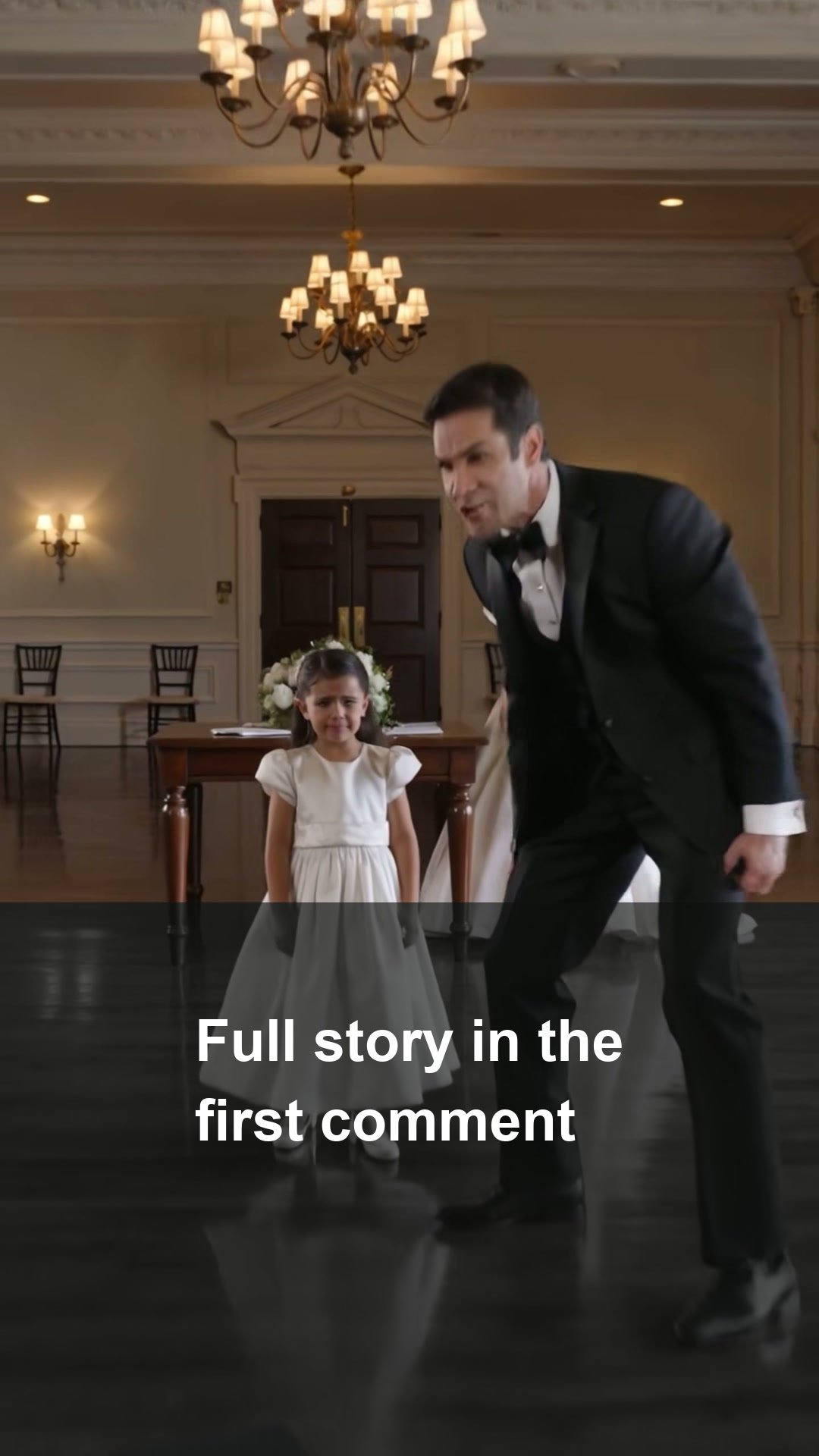
Damian, I said, my voice steady, stripped of all affection.
He looked at me, then at my stomach, and finally back at the screen. He didn’t blink. I never loved you, he whispered.
The kitchen in my childhood home always smelled of floor wax and cold coffee. It was a space designed for efficiency rather than warmth, dominated by a black granite island that served as the altar where my father signed the papers that built the Cross legacy. I was eight years old, sitting on a high stool, watching him trace the signature lines with a fountain pen that cost more than my mother’s car. He didn’t look up when the phone rang; he simply pointed a finger at the receiver, a silent command for me to answer. I pressed the cold plastic to my ear, listening to the frantic, muffled voice of a junior analyst reporting a market dip. My father snatched the handset away, his face hardening into that familiar, terrifying mask of absolute indifference. He didn’t ask if the analyst was okay; he asked if the leverage was secured. That was the first time I understood that people were merely variables in an equation he expected me to solve. I decided then that I would learn the math better than he ever could, if only to ensure he never looked at me with that same cold, transactional vacancy.
By the time I reached boarding school, the habit of observation had become a protective layer. I sat in the back of the lecture halls, mapping the social hierarchies of the daughters of industry. They were loud, performative, and perpetually seeking the validation of the boys who stood at the front of the room. I avoided them. I spent my weekends in the library, reading the filings of defunct companies, tracing the points where ego had outpaced strategy. I remember the day my brother, Julian, came to visit. He was the golden child, the one who was supposed to inherit the firm because he possessed the easy, disarming charm my father lacked. He leaned against the mahogany desk, flicking a lighter he wasn’t supposed to have, and told me that my obsession with the ledgers was a waste of a pretty face. He laughed when I tried to explain the discrepancy in the quarterly report. I bit my tongue until I tasted copper, realizing that no matter how sharp my mind was, they would always view my competence as an accessory to their own ambition. I chose then to play the role of the silent observer, letting them underestimate me until the distance between their hubris and the truth became unbridgeable.
When I met Damian at that gala in my early twenties, he was the perfect mirror of everything I had been trained to avoid. He was a shark in a tailored suit, working the room with a practiced, predatory grace that made the other attendees feel like they were in the presence of a visionary. He approached me near the bar, his hand resting too firmly on the small of my back as he introduced himself. He spoke about the future of venture capital as if he were inventing it, his eyes scanning the room even as he stared directly into mine. I knew he was checking to see if I was a status symbol worth acquiring. I let him believe his charm was the catalyst, that I was the prize he had successfully hunted. As he poured me a drink, he interrupted a sentence about my father’s legacy to ask what I wanted from my own life. I lied, telling him I wanted a partner who understood the weight of the name I carried. He smiled, a thin, rehearsed movement, and squeezed my hand. I felt a flicker of revulsion, but I filed it away under necessary costs. I decided to give him just enough of what he wanted to lure him into the trap of his own arrogance.
The wedding was a spectacle of white lilies and hidden agendas. My mother cried, believing she was watching her daughter secure a future, while my father stood in the corner, nodding at his peers as if he were handing off a failing asset. Damian kissed me, his grip on my waist tight enough to bruise, and whispered that we were finally going to show them what real power looked like. I stared over his shoulder at the assembled crowd, counting the people who would later turn their backs on him once the accounts were emptied. That night, in the suite, he went straight to the safe, checking the documents we had finalized earlier that week. He didn’t ask if I was tired or happy; he asked if the transfer of voting rights was irrevocable. I told him yes, watching him exhale in a jagged rush of relief. I realized then that he had never seen me as a person, but as a gateway to the capital he needed to mask his own mediocrity. I didn’t say a word. I went into the bathroom, locked the door, and stared at myself in the mirror, stripping away the wedding makeup and the veneer of the dutiful wife. I made a silent vow that the next time he asked me for something, it would be the very thing that finished him.
Years later, the pattern became a suffocating rhythm. He would come home, his tie loosened, the scent of expensive scotch and failure clinging to his skin, and he would demand an account of my day. He insisted on checking my schedule, on vetting my calls, his eyes darting to my phone every time it buzzed. He wanted to ensure I wasn’t talking to the board members he had spent months isolating me from. I learned to anticipate the sound of his key in the lock, the precise timing of his mood swings based on the day’s closing bell. One Tuesday, he threw a glass across the room because I had questioned a suspicious acquisition he had made without consulting me. The crystal shattered against the wall, a shard nicking my arm. He didn’t apologize; he picked up the pieces of his ego, complaining that I had ruined the evening with my pessimism. I stood there, watching the blood drip onto the marble, and felt a strange, cold clarity. I decided that night to stop correcting him. I let him continue his descent, feeding him the information he wanted to hear, all while quietly shifting the infrastructure of the firm into the digital shadows he was too careless to notice.
When I found out I was pregnant, I waited three days before telling him. I watched him across the breakfast table, his eyes buried in his tablet, scrolling through headlines about his own perceived brilliance. I realized that my child would be the final piece of his leverage, a tool he would use to cement his control over me. The fear was a physical weight, pressing against my ribs, making it hard to draw a full breath. I looked at the way he tapped his fingers against the table, a repetitive, restless motion that betrayed his internal instability. He finally looked up, his gaze sliding over me as if I were part of the furniture, and remarked that I looked pale, asking if it would affect my ability to attend the upcoming summit. I told him I would be there, my voice hollow. I made the decision to keep the pregnancy separate from him, to treat it as a secret life force that he had no right to claim. I walked out of the room, my hand resting on my abdomen, feeling the sudden, absolute necessity of the exit I had been building since I was a child.
The final insult came in the form of a gift—a set of diamond cufflinks he bought me after a disastrous merger, a bribe to ensure my silence when the partners started asking questions. I sat in our bedroom, the velvet box heavy in my palm, and remembered my father’s fountain pen. It was the same cycle, the same hollow attempt to buy loyalty and silence with cold, hard assets. Damian stood in the doorway, watching me with a smug, possessive smile, waiting for the gratitude he felt he was owed. I didn’t thank him. I looked at the cufflinks, then at his reflection in the glass, and saw the man who thought he had everything under his thumb. He had no idea that the foundation of his house was made of sand, and that I was the one holding the shovel. I decided then that the gala would be the end. Not because I wanted revenge, but because I wanted to wake up in a world where my heartbeat was the only sound in the room. I walked past him, leaving the box on the marble floor, and felt the first tremor of a future that belonged entirely to me.
My father, Arthur Cross, haunted the study from a gold-framed portrait, his eyes squinted against the flash of a long-dead camera. I stood before the desk, tracing the mahogany edge where he once signed the papers that bound my life to Cross Capital. He had been a man of iron-clad contracts who believed affection was a tax-deductible expense. He loved me by ensuring I would never be poor, but his motive was always the preservation of the family name, a monument he built on the backs of thousands. I stood there, feeling the weight of his expectations, a cold knot of resentment tightening in my stomach. He had groomed me to be the strategist, yet he had hidden me behind a veil of traditional femininity that Damian had exploited with ease. I made a choice: the portrait stayed, but the legacy was changing hands. I needed the board’s lawyer, Marcus, to finalize the transfer of the holding company.
Marcus sat in my office, his spectacles sliding down his nose, his fingers dancing across a tablet. He was a man who lived for the fine print, terrified of losing the prestige that came with our retainership. His contradiction was his cowardice; he knew Damian was bleeding the firm dry, but he stayed silent for the sake of his quarterly bonuses. He looked up, his brow furrowed in a practiced display of professional concern. You realize the audit will trigger a total collapse of the voting trust, Evelyn? he asked, his voice thin as parchment. I watched a spider crawl across the windowpane, trapping a fly in its web. I don’t want a collapse, Marcus, I want a surgical extraction, I said. He hesitated, his loyalty flickering between the power of the CEO and the truth of the ledgers. I reached for the pen, forcing him to witness my resolve. He signed, and in doing so, he betrayed the man who had been paying his mortgage for years.
Elena, our head of staff, entered with a tray of tea, her movements practiced and invisible. She had been with the family since I was ten, a woman who sacrificed her own home life to orchestrate the perfection of ours. She was the one who had quietly disabled the hallway cameras under my instruction, her face a mask of loyal indifference. She poured the tea, the porcelain clinking softly against the saucer. Mr. Cross has asked for his suit to be pressed for the gala, she murmured, her eyes avoiding mine. I saw the tremor in her hands, the fear of the man she had served faithfully for years versus the realization that I was the one who could provide her a pension for her golden years. I am done with him, Elena, I whispered. She paused, the steam rising between us, and for a fleeting second, the domestic facade cracked. She nodded once, a sharp, decisive gesture that told me she was no longer his employee. I exhaled, the tension leaving my shoulders. I was not alone in this house, but for the first time, the people around me were acting for themselves, not for him. The game had shifted; the pawns were waking up.
I stood in the center of my walk-in closet, the heavy smell of cedar and Damian’s sandalwood cologne clinging to the air, and pulled the hidden floor safe from beneath the floorboards. My fingers felt numb as I punched in the combination—my father’s birthday, the one day of the year Damian always forgot. The safe clicked open, revealing the original deed to Cross Capital and the forensic audit I had spent eighteen months meticulously compiling. I dropped the heavy manila envelope onto the velvet ottoman. The weight of the papers was substantial, a physical manifestation of my impending autonomy. I picked up the landline, ignoring the buzzing of my smartphone, and dialed the precinct directly. Detective Miller answered on the third ring, his voice gravelly and impatient. I didn’t mince words. I told him about the diverted offshore accounts, the falsified tax filings, and the blatant embezzlement of the research and development fund. When he asked for proof, I didn’t offer to meet; I simply stated that the encrypted file was currently uploading to his department’s secure server. He went silent, the line clicking with the static of a shift in power. By the time I hung up, the air in the closet felt thinner, oxygen-depleted by the sheer volume of my betrayal.
I walked to the kitchen, the marble floor cold beneath my bare feet. I reached for my laptop, the screen reflecting my own pale, determined face. With two clicks, I terminated the shared access rights to all credit lines, cancelling the corporate cards linked to Damian’s personal accounts. A red notification flashed, indicating a pending transaction at the gala’s catering firm. I hit Deny. My heart didn’t race; instead, it settled into a steady, rhythmic thrum. Within ten minutes, the house intercom crackled. It was security, their voices tight with confusion as the internal bank alerts began to ping their consoles. They wanted authorization for a series of failed charges. I told them there would be no more charges today. I hung up on them, too.
I sat on the kitchen stool, the silence of the penthouse suddenly heavy. I pulled up the contact for Marcus Thorne, the most ruthless litigator in the city, a man who had decimated my father’s business rivals a decade ago. I sent a single, encrypted message: The cage is open. Within seconds, his response appeared: I’m en route. I set the phone down and moved to the nursery, my hand resting on my stomach. The baby kicked, a soft, insistent pulse. I sat in the rocking chair, the one Damian had insisted on buying for the photo-ops, and looked at the DNA testing kit I had purchased from the private lab in the city. I opened the sterile package, the plastic crinkling in the quiet room. I didn’t need the results to know the truth, but I needed the paper trail for the courts. I swabbed my cheek, the abrasive texture of the wand a grounding sensation.
A heavy pounding shook the front door. Not a knock, but a rhythmic, violent assault on the wood. Damian. He had realized the cards were dead. I walked to the door and pulled the security monitor feed. He was there, his tuxedo jacket disheveled, his face a mask of purple-veined fury. He was shouting, though the audio was muted. Behind him, two of his most loyal fixers stood, their hands hovering near their jackets. I didn’t open the door. I walked to the dining room table, where I had placed the document contesting the will, claiming my rightful position as sole executor based on the codicil I had finally unearthed. I signed it with a fountain pen that had belonged to my grandfather.
The front door groaned under the pressure of his shoulder. I picked up the phone again, this time calling the court clerk to file the petition for an emergency restraining order. The clerk’s voice was bureaucratic and bored, an irritating contrast to the chaos unfolding in my foyer. I spoke with clinical precision, listing every instance of financial coercion and emotional intimidation I had documented over the last year. By the time I finished, the front door’s electronic lock began to cycle—he was using the override code. I had anticipated this. I walked into the study, locked the heavy oak door, and sat at the desk.
The house erupted in noise. Heavy boots on hardwood, the sound of glass shattering in the kitchen, Damian’s voice booming my name through the walls. He sounded like a wounded animal, a predator who suddenly found himself the prey. My lawyer, Marcus, called. His voice was calm, a sharp contrast to the shouting just outside my door. He confirmed the court had accepted the filing. The freezing of the assets was official. Damian was effectively a ghost in his own company. I hung up as the handle of the study door turned, the lock straining under his weight. I stood up and walked to the window, watching the street below. Three squad cars pulled to the curb, their lights beginning to pulse blue and red against the twilight sky. The officers didn’t move with urgency; they moved with the methodical pace of an eviction.
The study door shuddered as he threw his full weight against it. A crack appeared in the wood near the lock. I didn’t flinch. I picked up the small, weighted bag I had packed the night before and stood by the secondary exit. The police were at the front door now, their voices authoritative, demanding entry. Damian’s shouting changed; the rage vanished, replaced by a frantic, high-pitched incredulity as he realized the police weren’t there for me. They were there for him. I heard the scuffle, the shouts of the officers, and the distinct sound of metal handcuffs clicking shut. I looked at the desk, the scattered legal papers, and the empty safe. I had dismantled a billion-dollar empire in the time it took to finish a cup of tea. I turned toward the service stairs, the descent into the quiet street ahead of me, and didn’t look back as his voice faded into a desperate, incoherent plea for a phone call that would never be answered.
The service stairwell smelled of ozone and industrial cleaner, a sharp, sterile scent that clung to the back of my throat. I descended slowly, one hand pressed firmly against the small of my back, my fingers tracing the slight, hard curve of my stomach. Every step down the concrete stairs sent a dull throb through my ankles, a physical reminder that my body was currently a vessel for someone else’s future. I reached the alley, the cold Chicago air hitting my skin like a physical blow. A black sedan waited at the curb, engine idling, its exhaust forming small, ghost-like clouds in the dim streetlamp light.
My phone, tucked into the pocket of my coat, began to vibrate against my hip with the rhythm of a heartbeat. It didn’t stop. I pulled it out, the screen illuminating the notification bar: a cascade of alerts from Bloomberg, then a text from my father’s former lawyer, and finally, a missed call from the head of the school board where we had pledged a seven-figure donation only a month ago. I swiped them away, one by one, watching the digital noise dissolve into nothingness. I didn’t answer. I didn’t care about the board’s panic or the stock’s downward spiral.
I climbed into the car. The leather seats were freezing, a stark contrast to the stifling warmth of the penthouse. My driver, Marcus, looked at me through the rearview mirror, his eyes tight with a mixture of professional stoicism and unmistakable pity.
Ma’am, he started, his voice barely audible over the hum of the heater. The news is everywhere. The servers at the office are flooded. They’re saying Cross Capital is effectively liquidated.
I watched the city lights blur into streaks of amber and white as we pulled into traffic. I’m aware, Marcus. Drive.
My silence seemed to rattle him. He shifted his grip on the wheel, knuckles white. The neighbors have been calling the firm’s main line all morning. Friends. People who haven’t spoken to you in years. They want to know if the rumors about the insolvency are true. They’re asking if they should pull their capital from the escrow accounts.
Let them pull, I said, staring at the back of his head. Let them watch the ship sink. They never invested in the firm; they invested in the illusion of Damian.
I leaned my head against the cold glass of the window, feeling the vibration of the road through the frame. The weight of the world was shifting, recalibrating around my absence. For years, I had been the ghost in the machine, the silent architect of his success, and now, the machine was tearing itself apart because the ghost had finally decided to haunt the living. The cost of my freedom was this: a total erasure of the life we had constructed. There would be no more gala dinners, no more socialite luncheons, no more whispered alliances in the corners of dark ballrooms. I was a pariah, a woman who had dared to pull the rug out from under the city’s golden boy.
My hand drifted to my stomach again, the baby kicking—a sharp, sudden movement that made me catch my breath. I felt a flicker of terror, sharp and metallic, then an overwhelming, icy calm. I was no longer an heiress or a partner or a wife. I was a stranger in my own city, and for the first time in my life, the emptiness felt like space to grow.
I checked my phone one last time. A message from my old assistant, someone who had looked the other way for years: I hope you’re safe. They’re saying you ruined him.
I deleted the message. I didn’t ruin him; I just stopped holding him up. As the car turned onto the highway, leaving the skyline of my former life behind, I wondered if I could ever truly disappear. Then, I closed my eyes and decided that, for now, the fallout was exactly what I wanted. I reached into my pocket, felt the cold weight of the keys to the new clinic, and waited for the city to realize I was already gone.
The heavy glass doors of the penthouse lobby slid shut behind me, the mechanical hum vibrating through the soles of my shoes. I walked toward the waiting black sedan, my heels clicking a sharp, rhythmic staccato against the concrete. The morning air was biting, smelling of damp lake water and exhaust, a stark contrast to the climate-controlled sterility of the life I had just vacated. I didn’t look back at the windows; I knew Damian was likely pressed against the glass, his jaw tight as the officers filed into the foyer to execute the final eviction order.
My lawyer, Marcus, stood by the car door, holding a thick, leather-bound portfolio. He didn’t offer a congratulatory smile, knowing better than to treat a divorce as a celebration. He simply handed me the finalized settlement papers, the ink still smelling faintly of fresh print.
“The accounts are frozen,” he said, his voice flat. “Everything is routed through the blind trust. He has nothing, Evelyn. Not even the car he drove here in.”
I looked at the signature line, my own name rendered in elegant, looping script. The divorce was absolute; the transfer of assets, total. I felt a hollow ache in my chest, not from regret, but from the sudden absence of a weight I had carried for years. I thought about the surveillance cameras he had installed in every room, the digital eyes that had watched me sleep, eat, and breathe. They were dark now, rendered useless by the power cut I had initiated at dawn. I felt a surge of lightness, a physical release in my shoulders that made me draw a shaky breath.
“Is he still inside?” I asked, looking at the building’s limestone facade.
Marcus nodded. “The officers are waiting for him to gather his personal effects. They’ve been instructed to prevent him from taking anything listed in the inventory.”
I didn’t need to see him lose. The knowledge that he was currently being escorted out of his own ego’s monument was sufficient. I climbed into the back of the car, the leather seat cold and unfamiliar. As the driver pulled away from the curb, I placed a hand over my abdomen, feeling the slow, persistent movement of the child who would never know the sound of Damian’s raised voice. I decided then that I would not read the headlines tomorrow. I would not watch his legacy collapse in real-time. I turned my phone off, the black screen reflecting a face I was finally beginning to recognize, and watched the city blur into a series of jagged, inconsequential lines.
The cottage in Door County smelled of damp cedar and stale air, a scent I spent the first morning scrubbing away with lemon-scented soap. I opened every window, letting the breeze from Lake Michigan scour the rooms until the house felt less like a monument to my solitude and more like a blank page.
I knelt by the hearth, my knees clicking on the flagstone, and lit a fire. The wood hissed, resisting before catching.
“You’re too quiet,” Mrs. Gable said from the doorway. She was the local woman I’d hired to bring groceries, a person who never asked why I had no luggage and no husband. She held a basket of apples. “The baby will think you’re mourning, not resting.”
I looked at the flames, orange light dancing in the hollows of my palms. “I’m just listening,” I replied.
“To what?”
“To the lack of noise.”
She didn’t press. She set the basket down and left, the screen door clicking shut with a familiar, rhythmic snap. I walked to the edge of the property where the grass turned to beach sand. The tide was pulling back, leaving behind a lacework of foam on the pebbles. I sat on a driftwood log and touched my belly. The kicking had become a steady, rhythmic thrum, a heartbeat separate from my own. For the first time in years, my pulse didn’t race when a car engine rumbled in the distance. I wasn’t waiting for a door to slam or for a sharp, corrective tone to slice through my thoughts.
I realized then that I didn’t need to rebuild the empire or calculate the next move. I only needed to breathe. I picked up a smooth, grey stone and tossed it toward the horizon. It didn’t matter where it landed. I stood, my legs steady, and turned back toward the house to make tea. There was a dog barking down the beach, a sharp, joyful sound that didn’t demand anything from me at all.
The kettle whistled, a shrill, lonely note that I let drift into the silence of the kitchen. I turned the burner off, the click of the dial the only mechanical sound in a room that had once vibrated with Damian’s restless pacing. I reached into the porcelain jar where he had insisted I keep the household keys, but my fingers brushed against something cold and metallic instead. I pulled them out—two heavy, gold-plated cufflinks embossed with his family crest. They had slid behind the jar, forgotten in the purge of his influence. I walked to the marble island, the surface cool beneath my palms. I didn’t reach for my phone to check the audit reports or scan the markets. I placed the gold squares flat against the stone, then swept them into the trash bin with a single, practiced flick of my wrist.
Leave a Reply