Imagine clocking in for your crucial, demanding job every single day, knowing your essential work ensures the safety of millions, yet having no idea when your next paycheck will arrive. This isn’t a hypothetical nightmare; it’s the grim reality faced by thousands of dedicated Transportation Security Administration (TSA) agents across the United States during a government shutdown.
As political gridlock continues to paralyze Washington, these frontline heroes are forced to make an impossible choice: show up to secure our skies without pay, or risk their careers and further jeopardize an already strained system. The consequences are far-reaching, impacting not just the agents themselves, but every single traveler passing through airport security.
The Unseen Heroes: Working Without a Paycheck
TSA agents are classified as essential personnel, meaning they are legally required to report for duty even when the government isn’t funded. Unlike many other federal employees who are furloughed during a shutdown, TSA officers cannot simply stay home. Their presence is non-negotiable for maintaining national security and keeping air travel operational.
However, being deemed ‘essential’ doesn’t magically pay the bills. These dedicated individuals, many of whom are the sole providers for their families, are suddenly thrust into immense financial uncertainty. Mortgages, rent, utility bills, groceries, childcare costs – all these responsibilities pile up with no income to meet them.
The emotional and psychological toll is immense. Stress, anxiety, and desperation become constant companions. How can someone fully focus on the critical task of identifying potential threats when their mind is consumed with how they will feed their children or keep a roof over their heads? This silent sacrifice, though often unseen by the traveling public, is a profound and deeply troubling aspect of every government shutdown.
Airport Chaos: The Ripple Effect on Travelers
While TSA agents grapple with financial hardship, the public experiences the immediate, tangible effects at airports nationwide. As the shutdown drags on, and the personal strain on officers intensifies, staffing levels often begin to dwindle. Some agents, unable to afford gas to get to work or needing to seek temporary employment, are forced to call in sick or resign.
This reduction in available personnel directly translates to fewer security lanes open and significantly longer wait times. Travelers find themselves stuck in snaking queues that stretch for hours, missing connecting flights, and experiencing unprecedented levels of frustration. What was once a relatively smooth process transforms into a gauntlet of delays and uncertainty.
The ripple effects extend beyond mere inconvenience. Missed flights lead to canceled meetings, lost business opportunities, and ruined vacations. Airlines incur additional costs, and the tourism industry takes a hit. The efficiency of a nation’s travel infrastructure, a critical component of its economy, is severely undermined by these operational disruptions.
“We are talking about people who are dedicated to protecting our country, and they are being asked to do it for free. It’s not just unfair; it’s unsustainable and dangerous for everyone involved.” – A concerned travel industry analyst.
Is Our Security Compromised? A Looming Question
The primary concern, however, goes beyond long lines and financial strain: it’s about national security. TSA agents are the first line of defense against threats to aviation. Their vigilance, training, and attention to detail are paramount in preventing dangerous items or individuals from boarding aircraft.
When these agents are overworked, underpaid, and deeply stressed, their ability to perform at peak levels is undeniably compromised. Fatigue sets in, morale plummets, and the constant worry about personal finances can create distractions that are simply unacceptable in a high-stakes security environment. A momentary lapse in concentration, brought on by exhaustion or despair, could have catastrophic consequences.
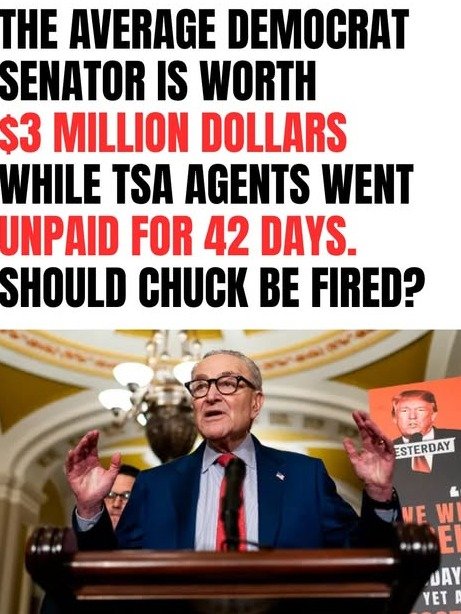
The question then becomes: how long can a system reliant on human vigilance maintain its integrity when the humans themselves are being pushed to their absolute limits? The very foundation of our aviation security rests on the well-being and focus of these essential workers, and a shutdown directly threatens that foundation.
Beyond the Checkpoint: Who Else Is Affected?
The impact of a government shutdown extends far beyond TSA agents and airport lines. While the public often sees the immediate effects on travel, countless other federal employees are also working without pay or are furloughed indefinitely. Air traffic controllers, border patrol agents, Coast Guard personnel, FBI agents, and many other critical workers are facing similar dilemmas.
These are the individuals who maintain our national parks, process tax refunds, conduct vital scientific research, and ensure food safety. Their interrupted work and unpaid labor create a cascade of problems that affect every facet of American life, from the economy to public health.
Local communities, particularly those with a high concentration of federal workers, also suffer. Small businesses, restaurants, and service providers feel the pinch as federal employees cut back on spending due to their uncertain financial futures. The shutdown isn’t just a D.C. problem; it’s a nationwide crisis with a deeply human cost.
The Political Stalemate: A Cycle of Dysfunction
Government shutdowns are not new phenomena, but rather recurring symptoms of deep-seated political disagreements. They typically arise when Congress and the President fail to agree on spending bills or budget allocations, leading to a lapse in funding for federal agencies.
Each shutdown highlights a fundamental breakdown in governance, transforming essential government functions into bargaining chips in political negotiations. This cycle of dysfunction not only causes immense hardship for federal workers and the public but also erodes trust in the government’s ability to perform its basic duties.
What Can Be Done? Supporting Our Frontline
As citizens, it’s crucial to understand the profound human impact of these political impasses. While direct intervention might be limited, raising awareness and advocating for swift, stable solutions can make a difference. Supporting organizations that offer aid to federal workers during shutdowns, or simply expressing gratitude and empathy to those on the front lines, can provide much-needed morale boosts.
Ultimately, the long-term solution lies in political leaders finding common ground and prioritizing the well-being of the nation and its dedicated public servants over partisan divides. A stable, consistently funded government is not a luxury; it’s a necessity for national security, economic stability, and the fundamental operation of society.
The next time you’re at the airport, take a moment to consider the silent sacrifice being made by the person checking your bag or scanning your ID. They are showing up, doing their job, and keeping us safe, often while facing immense personal hardship. Their dedication deserves our recognition, and more importantly, a reliable paycheck.
Leave a Reply