For years, political pundits and everyday observers have marveled at the seemingly unshakeable loyalty of Donald Trump’s supporters. It’s a phenomenon that has defied conventional political wisdom, weathered numerous storms, and reshaped the American political landscape. But as the political calendar marches on, a critical question looms large: is this legendary support truly impervious to all pressures, or are there subtle cracks beginning to appear beneath the surface?
The idea of an ‘unwavering’ base is often discussed, but what does that truly mean? Are we talking about every single individual who has ever cast a vote for him, or a core segment whose dedication remains absolute? This isn’t just a rhetorical exercise; understanding the nuances of this support is crucial for anyone trying to make sense of current and future political dynamics. Let’s dive deep into the factors that could either solidify or erode this formidable political bloc.
The Bedrock of Belief: Understanding Trump’s Core Support
Donald Trump’s ascent to power and his continued influence are built upon a foundation of fervent support that often baffles his detractors. This isn’t merely traditional party loyalty; for many, it’s a profound connection to a leader who they believe speaks directly to their concerns, fears, and hopes, often feeling unheard by the political establishment.
His base is diverse, but common threads include a desire for a strong leader, a belief in his ‘America First’ agenda, and a deep distrust of mainstream institutions, including the media and government agencies. This unique blend of populist appeal and anti-establishment rhetoric has forged a bond that is far more personal and emotional than typical political allegiance.
More Than Just a Candidate: The Identity Factor
For a significant portion of his supporters, backing Donald Trump has transcended mere political preference; it has become a core part of their identity. This alignment often stems from shared values, a sense of cultural grievance, or a feeling of being overlooked by the liberal elite. When support becomes intertwined with identity, challenges to the leader are often perceived as direct attacks on the individual or their community.
This ‘identity politics’ on the right creates a powerful shield against criticism. Any perceived attack on Trump, whether from political opponents, the media, or legal bodies, can be reinterpreted not as a legitimate challenge, but as further proof of a corrupt system targeting ‘their’ champion. This narrative can paradoxically strengthen resolve rather than weaken it.
“The loyalty of Trump’s base isn’t just about policy; it’s deeply rooted in a shared sense of grievance and identity. For many, supporting him is a declaration of who they are and what they stand against.” – Political Analyst, Dr. Evelyn Reed (fictional)
The Unyielding Wall: What Keeps the Loyalty Intact?
Several factors have consistently reinforced the loyalty of Trump’s base, making it incredibly resilient. Chief among these is his mastery of direct communication, often bypassing traditional media to speak directly to his followers through rallies, social media, and unconventional press conferences. This creates an unfiltered channel that strengthens trust and bypasses critical narratives.
Furthermore, his consistent portrayal of himself as a victim of political persecution resonates deeply with many who feel similarly marginalized. Every indictment, every critical news story, every legal challenge can be framed as an unfair attack by a corrupt system, solidifying the ‘us vs. them’ mentality that fuels his movement. This narrative transforms potential weaknesses into rallying cries.
- Direct Communication: Bypassing traditional media to connect directly with supporters.
- Perceived Persecution: Framing legal and media scrutiny as politically motivated attacks.
- Anti-Establishment Stance: Positioning himself as an outsider fighting against a corrupt system.
- Shared Grievances: Addressing economic anxieties, cultural shifts, and a sense of forgotten communities.
Are Cracks Appearing? The Subtle Signs of Wavering Support
While the core remains strong, it’s important to consider whether external and internal pressures might be causing some supporters to reconsider their unwavering dedication. The sheer volume of legal challenges, the ongoing electoral losses (including the 2020 election and some key 2022 midterm races), and the passage of time could be exerting a cumulative toll.
Some analysts suggest that a segment of more pragmatic Republican voters, while appreciative of certain Trump policies, might be growing weary of the constant political drama and legal battles. They may prioritize electability or a return to perceived traditional Republican values, potentially seeking alternative leadership within the party.
The Fatigue Factor: When Loyalty Becomes Exhaustion
Even the most dedicated supporters can experience political fatigue. The constant cycle of controversy, legal battles, and intense media scrutiny can be draining. While many thrive on the combativeness, others might secretly long for a period of political calm or a leader who can deliver results without the perpetual turmoil. This doesn’t mean they’ll abandon his ideals, but they might be open to a different messenger.
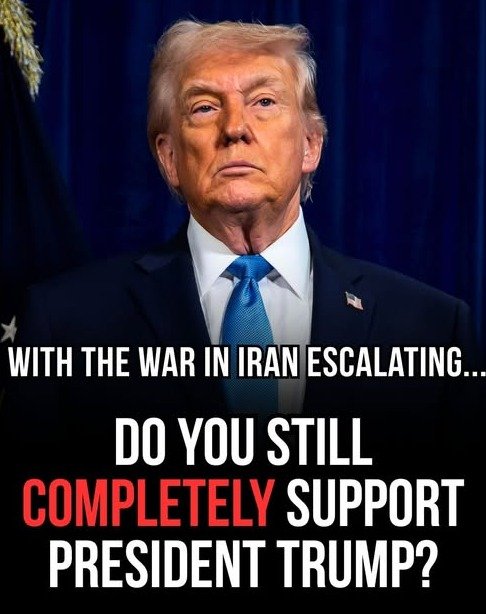
Economic realities also play a role. If supporters feel their personal financial situations aren’t improving, or if new policy proposals don’t directly address their concerns, their enthusiasm might cool. Loyalty, while powerful, is not entirely immune to the practicalities of daily life.
The Shifting Sands of the Republican Party
The Republican Party itself is undergoing a significant transformation, largely shaped by Donald Trump’s influence. However, this also means new figures are emerging, vying for leadership and attempting to carve out their own political identities. The rise of potential successors or challengers could present an alternative for those who remain ideologically aligned with the ‘America First’ movement but are open to a new face.
This internal dynamic within the GOP is a crucial barometer. If a compelling alternative emerges who can capture the spirit of the movement without the baggage, some supporters might gradually shift their allegiance. This wouldn’t be a rejection of the movement itself, but a strategic realignment for the future.
The ‘Until the End’ Conundrum: Defining the Finish Line
The phrase “until the end” itself is open to interpretation. Does it mean until the next election? Until he leaves the political stage entirely? Or until a definitive legal outcome? For some, ‘the end’ might mean seeing him back in the White House, while for others, it might simply mean continuing to advocate for his policies and vision, regardless of his personal political fate.
The definition of ‘the end’ will heavily influence how different segments of his support base behave. Those with an almost messianic view might remain loyal indefinitely, while those with more pragmatic motivations might adjust their support based on perceived viability and outcomes.
The Echo Chamber Effect: Reinforcing Beliefs
The modern media landscape, characterized by partisan news outlets and social media algorithms, plays a significant role in reinforcing existing beliefs. Supporters often gravitate towards news sources that affirm their views, creating echo chambers that can make it difficult for dissenting information or narratives to penetrate. This constant affirmation helps to solidify loyalty and insulate the base from critical perspectives.
While this strengthens the bond, it can also create a disconnect from broader public opinion, making it harder for the movement to expand beyond its core. The challenge for any political movement is to maintain its base while also attracting new adherents, a task made complex by the fragmented information environment.
Conclusion: An Ever-Evolving Political Landscape
The question of whether all Trump supporters will remain on board until the end is not a simple yes or no answer. It’s a complex interplay of personal identity, political ideology, media consumption, and external pressures. While a significant core of his base remains fiercely loyal, the edges may be more fluid than often perceived.
As political events unfold, it’s likely we will see an ongoing re-evaluation by various segments of his support. Some will remain steadfast no matter what, while others might quietly drift away or seek new avenues for their political aspirations. The enduring legacy of Donald Trump will not just be about his personal political journey, but how his movement continues to shape the loyalties and identities of millions of Americans.
What do YOU think? Has the support for Donald Trump started to waver, or is it as strong as ever? Share your thoughts in the comments below!
Leave a Reply