Could it be that some figures in power aren’t just reacting to crises, but are, in fact, the architects of discord? What if, for certain politicians, the very purpose of their time in office isn’t to foster unity or progress, but to actively cultivate widespread unrest and sow seeds of trouble? This isn’t a conspiracy theory; it’s a political strategy that, alarmingly, appears to be gaining traction in our modern world.
We often assume that elected officials enter public service with noble intentions: to solve problems, improve lives, and unite communities. Yet, a disquieting pattern suggests that for some, the very opposite holds true. Their actions, rhetoric, and policy stances seem less about finding common ground and more about creating division, fanning the flames of disagreement, and ensuring a constant state of agitation among the populace.
The Provocateur’s Playbook: When Trouble Becomes a Goal
Consider the politician whose public statements consistently inflame rather than inform. Their speeches might be less about explaining complex issues and more about identifying an enemy, whether it’s an opposing party, a specific demographic, or even abstract concepts. This strategic use of provocative language ensures they remain at the center of attention, regardless of the actual impact on governance.
For these individuals, controversy isn’t an unfortunate byproduct of their work; it’s the main event. They understand that in a crowded media landscape, outrage generates clicks, shares, and ultimately, a loyal following. By constantly stirring the pot, they keep their base energized and engaged, often at the expense of national cohesion or productive policy debate.
Manufacturing Dissent: The Art of Creating Crisis
What happens when there isn’t a clear, pressing crisis to rally around? The “troublemaker” politician doesn’t wait for one to emerge; they actively work to manufacture it. This can involve exaggerating minor issues into existential threats, misrepresenting facts to fit a predetermined narrative, or even inventing controversies whole cloth. The goal is always the same: to create a sense of urgency and grievance that demands their specific, often divisive, leadership.
This manufacturing of dissent often relies on a potent mix of fear-mongering and selective outrage. They might cherry-pick data, ignore inconvenient truths, and amplify isolated incidents to paint a picture of widespread catastrophe. Their messaging often frames every challenge as a zero-sum game, where one group’s gain inherently means another’s loss, thereby deepening societal fault lines.
The Power of Polarization: A Calculated Strategy
Why would a politician deliberately seek to polarize the electorate? The answer lies in the consolidation of power. In a highly polarized environment, voters are often driven by loyalty to their “side” rather than by careful consideration of policy. This makes it easier for politicians to mobilize their base, secure funding, and silence dissent within their own ranks, as any deviation is seen as a betrayal.
Polarization also serves as a powerful distraction. When the public is constantly embroiled in cultural wars or identity politics, it becomes harder for them to scrutinize the politician’s actual legislative record or hold them accountable for failures. The focus shifts from governance to grievance, allowing underlying issues to fester while the political drama plays out.
The Erosion of Trust: A Dangerous Consequence
The long-term effects of this constant agitation are profoundly damaging. When politicians consistently traffic in hyperbole and manufactured crises, public trust in institutions – government, media, and even each other – begins to erode. Citizens become cynical, believing that all politics is merely a performance designed to manipulate them, leading to widespread apathy or, conversely, radicalization.
This erosion of trust has real-world consequences. It makes it incredibly difficult to address genuine national challenges that require bipartisan cooperation and public consensus. From climate change to economic inequality, critical issues languish while leaders engage in performative battles, further deepening the sense of societal paralysis.
Historical Echoes: Demagoguery Through the Ages
While the tools and platforms may be new, the strategy of leveraging unrest for political gain is as old as democracy itself. Throughout history, demagogues have risen to power by exploiting existing anxieties, scapegoating minorities, and promising simple solutions to complex problems. They thrive in environments of uncertainty and fear, offering a strongman persona to a public yearning for stability.
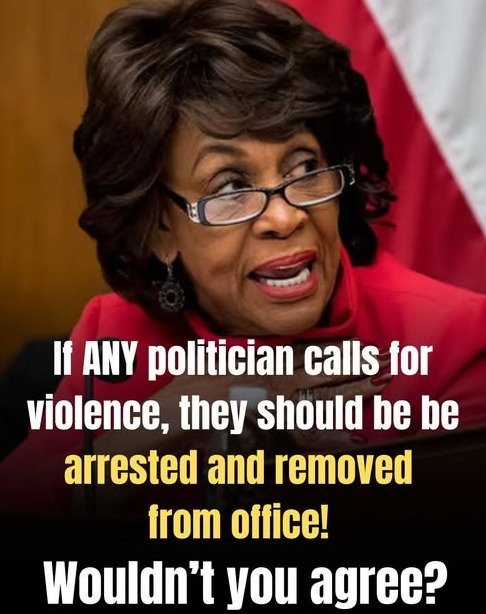
As the historian Arthur Schlesinger Jr. once noted,
“The demagogue is one who preaches doctrines he knows to be untrue to men he knows to be fools.”
This timeless observation underscores that the tactics of division and manipulation are not new, but rather a recurring challenge to democratic principles.
The Digital Battlefield: Social Media’s Amplifying Effect
In the age of instant communication, social media has become an unprecedented amplifier for this type of political behavior. A provocative tweet or a sensationalized video can go viral in minutes, bypassing traditional gatekeepers and reaching millions. Algorithms often favor engaging, emotionally charged content, inadvertently rewarding politicians who prioritize outrage over substance.
This digital landscape creates echo chambers and filter bubbles, where individuals are primarily exposed to information that confirms their existing biases. This makes it easier for politicians to reinforce divisive narratives within their base, while simultaneously demonizing anyone outside it. Nuance and thoughtful debate struggle to survive in a culture of soundbites and instant reactions.
Recognizing the Tactics: How to Spot a Troublemaker
So, how can citizens distinguish between legitimate calls for change and deliberate attempts to sow discord? There are several red flags to look for:
- Constant Outrage: Leaders who seem perpetually angry or outraged, often without offering constructive solutions.
- Lack of Solutions: Rhetoric focused solely on problems or enemies, with little to no detailed proposals for improvement.
- Ad Hominem Attacks: Personal attacks on opponents rather than debate on policies or ideas.
- Conspiracy Theories: A tendency to promote unsubstantiated claims or elaborate plots to explain complex events.
- Zero-Sum Mentality: Framing every issue as a battle where one side must completely lose for the other to win, rejecting compromise.
True leadership often involves seeking common ground and acknowledging complexity, whereas the “troublemaker” politician thrives on simplification and absolute certainty, even when facts suggest otherwise.
Reclaiming the Narrative: Citizen Action and Responsibility
The power to resist this divisive political strategy ultimately lies with the informed citizen. It demands a commitment to critical thinking, a willingness to fact-check claims, and a healthy skepticism towards sensationalized narratives. Don’t let your emotions be weaponized; instead, demand evidence and logical reasoning from your representatives.
Engage actively in civic life beyond election day. Support media outlets that prioritize investigative journalism and nuanced reporting. Seek out diverse perspectives, even those that challenge your own beliefs. Most importantly, vote for leaders who demonstrate a genuine commitment to problem-solving, unity, and constructive dialogue, rather than those who thrive on chaos.
A Call for Constructive Leadership
The path forward for any healthy society requires leaders who are dedicated to progress, not provocation. We need representatives who understand that their true purpose in office is to build, to heal, and to unite, not to perpetually cause widespread unrest or manufacture trouble where none exists. The stakes are too high to allow our political discourse to be consistently hijacked by those who profit from division.
Let us choose leaders who inspire hope, foster understanding, and are genuinely committed to the well-being of all citizens. It’s time to shift the focus from the architects of discord to the builders of consensus, ensuring that the purpose of public office is indeed public service, in its truest and most constructive form.
Leave a Reply