The sheriff’s deputies stood in the foyer, their uniforms crisp and their expressions apologetic, as they turned to address the man who had just slapped his wife.
Andrew’s hand hung in the air, his fingers trembling, the gold band on his ring finger catching the harsh afternoon light. He blinked, the arrogance in his eyes flickering out to reveal a frantic, hollow confusion. He looked at the deputies, then at me, expecting the usual silence that bought us a truce.
I leaned against the marble entryway, the cold stone pressing into my shoulder blades. I adjusted my watch, feeling the weight of the digital signature I had just authorized on my tablet.
Are you finished, Andrew? I asked, my voice steady, stripped of the practiced deference I had worn like a costume for five years.
He opened his mouth, but the sound died in his throat. Officer Miller stepped forward, clearing his throat, the metallic clatter of handcuffs muffled by the vast, echoing space of the house. I watched the realization dawn on Andrew’s face—not the shock of the blow, but the sudden, terrifying vertigo of being a guest in a home he no longer owned.
The scent of roasted beans filled the kitchen at precisely 6:15 AM, a habit as rhythmic as the tides hitting the cliffs below the Palisades. I watched the steam curl into the morning light, a thin, gray ribbon against the polished granite of the breakfast bar. My movements were surgical: scoop, level, tamp, pull. Andrew was still upstairs, buried in the heavy linen sheets of the master suite, his snoring a distant, muffled vibration that usually signaled my window of peace.
I took my mug to the window. The ocean was a sheet of hammered silver, indifferent and vast. I tapped my wedding band against the glass, twice. It was a solid, reassuring weight, though lately, it felt less like a seal of commitment and more like a tether I had fashioned for myself. My phone sat on the marble, its screen dark, a silent brick of potential. I checked my calendar for the fourth time that morning, cross-referencing the meeting minutes I had drafted for Sterling Holdings. They were flawless, as always. Andrew would claim them as his own at the board meeting by noon, waving his hands to illustrate my logic, his voice gaining that puffed-up, authoritative timbre he reserved for people he thought he was smarter than.
I checked the weather app. Seventy-two degrees and clear. Perfect for the gala he insisted we attend, even though the firm’s liquidity was hovering at a precarious, paper-thin margin. I finished the coffee, the bitter dregs coating my tongue, and set the mug in the sink.
The commute was a silent negotiation with the coastal traffic. I navigated the familiar curves of the highway, my hands light on the leather-wrapped steering wheel. I didn’t listen to the radio; I listened to the hum of the engine, analyzing the structural integrity of the Sterling family’s social standing. It was brittle, composed of borrowed prestige and a mountain of debt I had spent years masking with creative accounting. I pulled into the office parking structure, my heels clicking against the concrete with a sharp, rhythmic finality.
Inside the office, the air was recycled and cold. I spent an hour at the printer, waiting for the heavy stock paper to spit out the quarterly projections. The machine whirred and groaned, a mechanical hiccup that sent a flutter of anxiety through my chest before it smoothed out into a steady, rhythmic thrum. My assistant, Sarah, leaned in to whisper about the office party, her voice full of trivial, bright-eyed gossip. I nodded, offering a small, practiced smile that didn’t reach my eyes.
“Everything alright, Mrs. Sterling?” she asked, tilting her head.
“Just a long day ahead,” I said.
She retreated, and I turned back to the stack of files on my desk. I pulled a red pen from the drawer, ready to slice through the errors in Andrew’s latest memo. I felt, for a fleeting second, that I was standing on the edge of a precipice, staring down at a landscape I had meticulously arranged. My heart rate didn’t spike. It remained at a steady sixty beats per minute.
Then, the desk phone erupted. The sound was abrasive, slicing through the sterile quiet of the office like a serrated blade. I looked down. It wasn’t the office line. It was my private mobile, vibrating against the mahogany surface with a frantic, persistent intensity. I looked at the screen. Unknown caller. My finger hovered over the glass, and for the first time in years, I felt a tremor of genuine curiosity. I answered.
The voice on the other end was breathless, a jagged rhythm of panic that lacked the usual cadence of the Sterling household. It was Chloe. She wasn’t speaking; she was sobbing, the sound dampened by the acoustics of the hallway I knew so well—the marble foyer where Andrew liked to practice his speeches. Behind her, the muffled, sharp crack of leather against skin echoed through the receiver. It was the sound of a fist connecting with a shoulder blade, followed by a sickening thud as someone hit the floor.
I didn’t blink. I pulled the phone away from my ear, staring at the contact name that hadn’t changed in three years. I remembered the way Andrew had kissed my forehead that morning, his breath smelling of expensive espresso and the faint, lingering scent of Chloe’s jasmine perfume. That kiss had been a tactical maneuver, a way to ensure I would authorize the wire transfer for his failing logistics firm before he left for the day.
Andrew, you were always so predictable, I thought. You think force is an argument when your balance sheet runs dry.
I stood up, smoothing the front of my silk blouse. My reflection in the dark window was sharp, composed, and utterly devoid of the wife he thought he owned. I walked toward the safe hidden behind the floor-to-ceiling bookshelf. My fingers moved with the practiced grace of a pianist, clicking the tumblers into place. The steel door swung open, revealing the thick stack of documents that proved Andrew had been embezzling from the very accounts I had been quietly shielding from the SEC for half a decade.
I am not a victim, I whispered to the empty room. I am the auditor.
I turned back to the phone. Chloe was still crying, her voice thin and desperate. Mariana, please, he’s lost his mind, he thinks I’m the one who leaked the data, he’s going to kill me.
I listened to the sound of Officer Miller’s voice in the background, his tone weary and professional, trying to de-escalate the violence that had just spilled into the front entrance of my home. My hand reached for the small, heavy silver key resting on the velvet tray inside the safe—the key to the estate’s security override.
I hung up. The silence that followed was absolute, a clean slate. I picked up my briefcase, the weight of the evidence inside grounding me like an anchor. I walked to the door, my heels clicking a steady, rhythmic march against the hardwood. I didn’t need to hurry. The deputies were already there, and by the time I arrived, they would be looking for the person who actually owned the roof over their heads. I checked my reflection one last time, pulled the door shut behind me, and began the walk to the car. It was time to show them who really held the keys.
The hospital waiting room smelled of industrial floor wax and stale coffee. I sat on a molded plastic chair, watching the neon sign flicker against the dark window, and dialed my mother-in-law. Eleanor picked up on the first ring, her voice tight, already vibrating with the indignation of a woman whose dinner party had been interrupted. I asked about the missing signatures on the Sterling Holdings trust documents, my tone as flat as an audit report. She laughed, a brittle, sharp sound, and told me the assets had been transferred to Andrew’s private account weeks ago per the family board’s unanimous vote. She hung up before I could tell her that no board meeting had occurred in three months. I stared at the phone. My thumb traced a crack in the screen. The math did not reconcile, and Eleanor was either lying or she had been fed a script written by someone far more desperate than her.
I walked to the reception desk, my heels rhythmic and cold on the linoleum. The night nurse, a woman named Sarah with dark circles under her eyes, looked up from a chart. I asked her about the timeline of the transport logs, specifically the night Andrew claimed to be at the office. She didn’t look at the files; she just leaned in, whispering that Andrew had never checked in at all. She said he had been seen in the parking garage arguing with a woman in a silver sedan. My stomach tightened, a familiar, clinical sensation—the exact feeling of a merger collapsing. I thanked her, my voice steady, and pushed through the heavy glass doors into the humid night.
The drive to the hotel was a blur of streetlights and calculated silence. My sedan glided through the hills, the engine purring like a well-oiled machine. I pulled into the valet circle at the Grand Plaza, the pavement slick with an early drizzle. I didn’t wait for the attendant. I walked straight to the concierge, sliding a thick envelope of cash across the marble. I asked for the room registration for the name Chloe Vane. The man behind the desk hesitated, his eyes darting to the security camera, before he whispered that there was no guest by that name. He said the room was registered to the Sterling Holding Corporation under an executive alias I didn’t recognize.
I stepped back, the air in the lobby suddenly too thin. If the room didn’t exist for Chloe, but the corporation was paying for it, then Andrew was laundering money through a phantom identity. I walked back to my car, the key fob chirping in the dark. I needed a witness who wasn’t on the payroll. I navigated to the edge of the industrial park, where the late-shift security guard, a man I’d hired years ago, sat in a rusted booth. He looked terrified when I knocked. He told me the silver sedan had never left the garage; it had been towed away at 2:00 AM, stripped of its plates. He swore he saw Andrew driving it himself. Two people, two different accounts of the same night, and both leading back to a singular, rotting core. I put the car in gear. The logic was clear: they were all hiding different pieces of the same catastrophe. I steered onto the highway, accelerating into the black, ready to force the truth into the light.
The oceanfront estate loomed against the ink-black sky like a mausoleum, its sprawling white façade stripped of the warm, inviting glow it usually wore for guests. I pulled into the crushed-shell driveway, the crunch of tires beneath me sounding like breaking bone in the heavy silence. My hands were steady on the leather steering wheel, a clinical detachment anchoring my pulse even as the adrenaline surged. I stepped out, my heels clicking against the stone path, and pushed through the heavy mahogany front doors, which remained unlocked—a final, arrogant oversight of a man who assumed his kingdom was impenetrable.
The foyer was cold, the scent of expensive lilies fighting with the sharp, metallic tang of spilled wine. Andrew stood by the grand staircase, his tie undone and his face flushed with a frantic, ugly heat. Chloe lingered behind him, her hands trembling as she clutched a designer clutch like a shield. Eleanor sat on the velvet settee, her spine rigid, her eyes narrowing as I walked into the light. The silence stretched between us, thick with the weight of unsaid indictments. I didn’t reach for my phone or my ledger. I simply let my coat drop to the floor, watching the silk pool at my feet.
Andrew lunged forward, his jaw tight, his voice a jagged rasp of rehearsed indignation. He demanded to know where I had been, who I thought I was to question his movements, his accounts, his absolute authority over this house. He took a step toward me, his hand raised as if to swat away a nuisance. I didn’t flinch. I let him get close enough to smell the stale scotch on his breath, close enough to see the terror flickering behind his rage. I waited until the air in the room felt entirely exhausted of his lies.
I looked at the deed in my hand, then back to his sweat-beaded forehead.
I didn’t buy this house for you, Andrew.
The hardwood floor of my childhood home was always cold, a constant, biting reminder of the damp Oregon winter outside. I sat in the corner of the pantry, my knees pulled to my chest, listening to the muffled thud of my father’s fist against the mahogany dining table. The sound was rhythmic, like a metronome marking the tempo of a failing life. I was ten years old, clutching a calculator my mother had discarded, punching in numbers that didn’t matter, trying to find a sum that would stabilize the wobbling foundation of our existence. My father’s voice, thick with the sour residue of cheap bourbon, drifted through the thin walls. He was talking about credit lines and extensions, about the neighbors who were watching, about the necessity of maintaining the illusion of a pristine garden even as the roots underneath were rotting away. I watched the dust motes dance in the sliver of light coming under the door and decided then that I would never be the one caught in the dark, wondering where the money had gone.
My mother walked in a moment later, her face a mask of practiced indifference. She smoothed her apron with trembling fingers, her eyes skittering away from mine. She told me to go play outside, but the wind was howling, and there was nowhere to go that didn’t feel like a trap. I stayed where I was, watching her hide a stack of unpaid envelopes behind the flour tin. She looked at me, not with love, but with a desperate, frantic sort of evaluation, as if she were weighing my potential to be a prop in the tragedy she was staging. She whispered that we were the lucky ones, that the Sterling name—or whatever placeholder name my father had clung to back then—was a coat of armor that protected us from the harshness of the world. I didn’t say anything, but I reached out and pulled the flour tin toward me, memorizing the weight of it, the hollowness of the space behind it. I decided that day that I would never rely on a coat of armor I hadn’t forged myself.
School was a different kind of calculation. In the classroom, I became a ghost. I excelled in mathematics because numbers were honest; they didn’t care about the state of my father’s business or the fraying hem of my uniform. When I was sixteen, I sat in the library during lunch, dissecting the local municipal bonds, tracing the flow of tax dollars into private developments. A boy named Julian sat across from me, his eyes bright with the naive arrogance of wealth that had been handed down like a family heirloom. He asked me why I bothered, why I worked so hard to understand the architecture of power when I could just marry into it. I looked at his manicured fingernails, the sign of a life where the most difficult task was choosing a tie, and I felt a cold, sharp spike of contempt. I told him that knowing the architecture was the only way to ensure the ceiling didn’t fall on your head. He laughed, a soft, dismissive sound that flickered in the quiet air of the library. I went back to my ledger, noting the exact date his father’s firm would likely hit insolvency. I was off by only three days.
Then came the day I met Andrew. It was a fundraising gala for a charity that existed solely to give the bored a sense of purpose. He was standing near the champagne fountain, radiating a confidence that was entirely unearned, surrounded by men who treated his opinions as if they were divine revelation. I stood in the periphery, watching the way he handled his drink, the way he tilted his head to listen to people he clearly despised. He had the polish of old money and the hunger of a scavenger. When he approached me, his smile was practiced, a mirror of my mother’s, designed to disarm. He asked me what I did, and I told him the truth, though I phrased it as a hobby. He didn’t hear the warning in my words. He only heard the potential for a partner who could balance his books without asking too many questions about why they needed balancing. I watched his eyes scan my appearance, looking for the telltale signs of a girl who wanted to be saved. I played the part perfectly. I lowered my gaze, smoothed my dress, and let him believe he was the one doing the picking.
Our marriage was a slow, deliberate construction of a cage that I built around myself from the inside out. Eleanor, his mother, was the architect of the social facade, a woman who treated truth as a vulgarity to be polished away. She would sit in our drawing room, sipping tea, lecturing me on the importance of ‘image’ while the foundation of the house literally settled into the cliffside, cracking the plaster in the hallway. She told me that a wife’s primary duty was to be a silent conduit for her husband’s reputation. I listened, nodding, while I spent my nights in the basement office, rerouting funds, inflating assets, and creating the synthetic reality that kept the Sterling Holdings from collapsing under the weight of Andrew’s vanity. I felt the familiar weight of the calculator in my hand, even if it was now a series of encrypted files on a secure server. I lived for the silence of those hours, the moments when I was the only person in the world who knew exactly how close we were to total ruin.
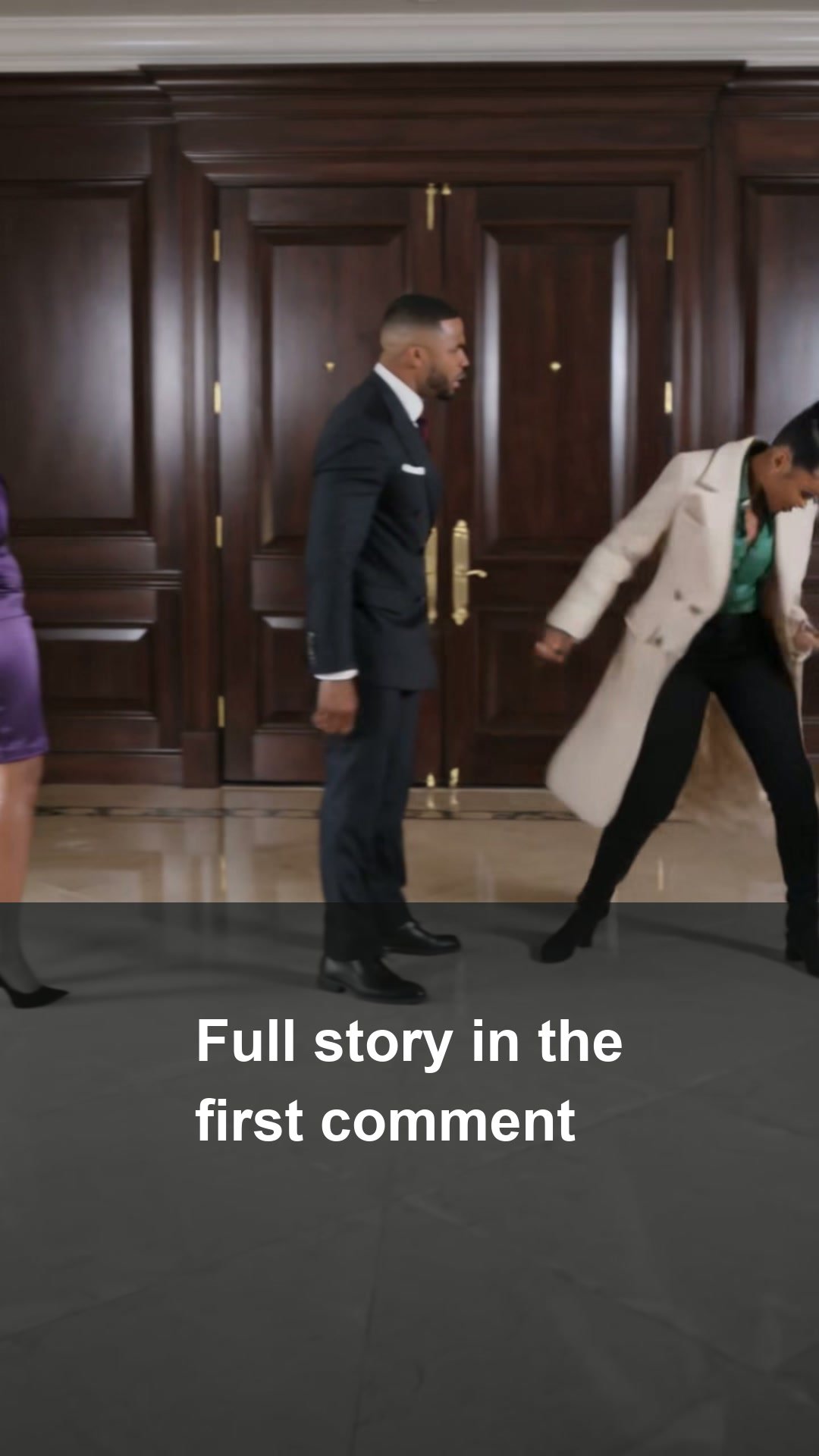
Andrew’s anger grew in tandem with his failure. He started small—a raised voice at dinner, a sharp pull on my arm when I didn’t laugh at one of his dull jokes. He needed to assert his dominance because he knew, deep down, that the ground beneath his feet was shifting. He would come home, smelling of failure and expensive cigars, and demand to know why the latest acquisition hadn’t gone through, why the board was suddenly questioning his vision. He didn’t realize that the board was only questioning him because I had subtly adjusted the reports to highlight the discrepancies he was trying to bury. He would pace the room, his shadow looming large against the silk wallpaper, shouting about legacy and bloodlines, oblivious to the fact that he was shouting at the only person holding the lease. I watched him, measuring his heart rate, the tremor in his hands, the way his logic was unraveling like a cheap sweater. I didn’t say a word. I just waited.
There was a night when he threw a crystal glass against the wall, the shards spraying across the marble floor like diamonds. He stood over me, his chest heaving, his face contorted into something unrecognizable. He asked me how it felt to be a charity case, to be dragged into a life I could never have earned on my own. I looked at the shards, then back at his face, and I felt a strange, cold peace. It was the same feeling I had when I was ten years old, watching my mother hide the envelopes. I realized then that I wasn’t the one who had been trapped. I had been the one holding the keys to the room the whole time. I looked at him, truly looked at him, and saw the utter hollow of his existence. He was a man made of paper, and he was standing in a room full of candles. I didn’t need to strike a match. He was already burning.
I spent the next three years carefully, systematically, ensuring that everything—the deeds, the accounts, the LLCs—was moved under my direct control. I learned the law as if it were a weapon, sharpening every clause and sub-clause until I could navigate the legal landscape better than any lawyer Andrew could afford. I watched him make mistake after mistake, buying property he couldn’t afford, investing in companies that were already dying, all while I sat next to him at dinners, smiling, playing the supportive, decorative wife. Every time he slapped my hand or spoke over me, I added a new layer of protection to my holdings. I turned his arrogance into my shield. By the time the sheriff’s deputies were called, I wasn’t just ready; I was done. The memory of my father’s fist on the table, the sound of the freezing Oregon wind, the weight of the flour tin—it all coalesced into a single, sharp certainty. I stood in the foyer, the silk of my dress cool against my skin, and knew that the house, the name, the power, had never really been theirs to give. It was mine to take back. The history of my life was a series of lessons in survival, and tonight, I had passed the final exam. I looked at the man who thought he was my master and finally felt the floor beneath me, steady and solid, for the very first time.
The foyer smelled of lemon polish and the metallic tang of Officer Miller’s service weapon. Andrew paced, his cufflinks glinting like bared teeth. He was the son of a man who’d bought his way into boards he didn’t understand, and he believed the world would always find a way to balance his books. He slapped the mahogany banister, a gesture meant to signal dominance, but the wood didn’t flinch. I watched his hand tremble. He was a man who had never paid a bill he didn’t first approve, and he was currently blind to the fact that the mortgage on his soul was long overdue. I thought of the late nights I’d spent adjusting the Sterling Holdings balance sheets to hide his incompetence, a martyr who had mistaken enabling for love.
Eleanor sat on the velvet settee, her spine a straight line of inherited snobbery. She had built her identity on a foundation of family prestige that was, in truth, hollowed out by debt. She looked at the deputies, then at me, her eyes clouded with the desperate hope that someone would intervene to restore the status quo. She didn’t realize that the order in her handbag—the one I’d drafted—would strip her of this house by midnight. She was a woman who valued lineage above reality, ignoring the fact that the bloodline she protected had been feeding off my bank accounts for six years. I remembered the way she’d once told me I was lucky to be a Sterling, her voice dripping with the condescension of the destitute pretending to be royals.
Chloe stood near the archway, her posture carefully rehearsed to look like a woman waiting for a lover, not an intruder. She wore an heirloom necklace I had secretly repossessed from the vault months ago. She was a parasite who had bet her future on Andrew’s prestige, unaware that the empire she wanted to inherit was a carcass. She shifted her weight, sensing the air had changed, her eyes darting between Andrew’s rage and my indifference. She was a predator who had failed to check the terrain before she attacked.
Officer Miller held the paperwork with a grip that was almost too firm. He was a man who’d spent twenty years upholding order, yet he knew whose name was on the grant that funded his precinct’s tactical gear. He looked at me, a flicker of recognition in his tired, salt-and-pepper eyes. He was the instrument of justice, but he was also the witness who saw the bruise forming on my jaw. He saw a victim, then looked at the legal seal on the documents and saw a force of nature. He cleared his throat, the sound sharp in the vaulted room.
Mr. Sterling, he said, his voice clipped, I suggest you step away from the lady.
Andrew turned, his face flushing into a dark, bloated crimson. You don’t know who you’re talking to, he hissed, his vanity blinding him to the badge.
I stepped forward, the silk of my skirt whispering against the marble. I didn’t look at Andrew; I looked at the history of my own labor, the secret files, the quiet moves that had dismantled them all. I felt the cold precision of my own resolve. I took the phone from my pocket, the screen displaying the pending transfer of their final liquid assets. I realized then that my life hadn’t been a burden to be carried, but a strategy to be executed. I looked at the room—my room—and made the final entry. The game was closed. I turned to Miller and nodded.
The slap had left a throbbing, rhythmic heat along my cheekbone, but as Officer Miller reached for his cuffs, the pain felt distant, like a report from a foreign country. I didn’t flinch. I watched Andrew’s face transition from arrogant rage to a stuttering, confused pale as he realized the police weren’t here to escort me out for my insolence, but to process him for the red welt currently blooming on my skin. I handed Miller my phone, the screen already unlocked to the internal audit logs of Sterling Holdings. It was a digital map of the fraud Andrew had signed his name to, a roadmap I had spent three years meticulously drawing in his own handwriting. Miller’s eyes tracked the figures, his professional skepticism dissolving into a grim, sharp alertness. I felt the static of the room shift. Andrew roared, a sound of pure, unadulterated entitlement, as he tried to push past the officer, but Miller stepped into his space with the immovable grace of a man who suddenly knew who held the keys to the county’s funding.
I walked to the study, the heavy mahogany door clicking shut behind me. My hands were perfectly steady as I opened the laptop. I logged into the primary vault of Sterling Holdings—the one Andrew believed held millions—and hit the execute command for the total liquidation of our joint accounts. The numbers cascaded into black, zeros replacing the illusions of wealth that had bought our social standing. I didn’t feel relief; I felt the surgical satisfaction of an architect pulling the support beams from a condemned structure. I authorized the transfer of the remaining capital into an offshore trust, effectively starving the mansion’s upkeep, the staff’s wages, and Andrew’s vanity in one sequence of keystrokes. I thought of the nights I had spent fixing his catastrophic accounting errors, the way I had played the submissive wife to keep the board from noticing his incompetence. That debt was paid in full. I reached for the telephone and dialed my lawyer.
The line clicked open on the first ring. I told him to file the assault charges, to submit the formal injunction for domestic abuse, and to initiate the immediate eviction notice for Eleanor. Her bedroom, filled with her porcelain trinkets and fragile status, would be stripped of its legal grounding by morning. My lawyer started to offer standard caveats, but I cut him off, reciting the specific clauses in the prenuptial agreement I had rewritten myself three years ago—clauses Andrew had signed without reading, blinded by his own performative dominance. I could hear the lawyer’s intake of breath, the sound of a man realizing he was no longer working for a trophy wife, but for the principal stakeholder. I hung up and looked out the window. Chloe was standing by the fountain, her phone pressed to her ear, her face a mask of predatory ambition. She didn’t know yet that the fortune she was hunting had just turned into a pile of ash.
I walked out to the foyer, where Miller was reading Andrew his rights. Andrew’s eyes locked onto mine, his expression shifting from rage to a desperate, clawing confusion. He reached for his phone, likely trying to call our banker, unaware that the banker was currently receiving an encrypted packet of evidence from me. I held up my own phone, showing him the balance: zero. He stopped mid-gesture, the air leaving his lungs in a sharp, ragged gasp. I walked past him toward the front door, the heels of my shoes clicking against the stone with a rhythmic, final cadence. I felt a strange lightness, the shedding of a skin I had worn for the sake of the Sterling name. I didn’t owe them a single word. I opened the door to the Pacific breeze, the cool air hitting my face, and stepped onto the porch.
The driveway was already filling with the flashing lights of a second cruiser. I watched as Eleanor emerged from the side entrance, wrapped in her silk robe, her face a tapestry of indignation. She began to speak, her voice reaching that high, piercing frequency she used to command the waitstaff, but her words died in her throat as she saw the handcuffs on her son’s wrists. She turned to me, her eyes widening, finally seeing me not as the girl from the common world she had spent years patronizing, but as the woman who held the deed to her identity. I didn’t offer a smile. I just pulled the court-ordered eviction document from my clutch and held it out. The paper rustled in the wind. She refused to take it, so I let it flutter to the marble floor between us. I had already sent the formal notification to the press, the details of the financial collapse and the assault report hitting the news desks of every major paper in the city. By sunrise, the Sterlings would be a cautionary tale. I stood there, watching the chaos unfold, the weight of the mansion finally feeling like my own, not theirs. I turned away from the house, the taste of salt on the air, and began the long, deliberate process of walking toward the life I had built in the shadows. There was nothing left to say, and for the first time in my life, I didn’t need anyone’s permission to go. The hook was set, the line was taut, and I was finally ready to reel it in.
The notification pings on my phone became a rhythmic, incessant pulse, a digital heartbeat for a dying empire. I sat in a booth at a quiet diner three towns over, the chrome surface reflecting my own composed, almost vacant expression. The screen displayed a video snippet: Andrew, caught by a tabloid drone as he stumbled out of the Pacific Palisades gates. He looked small, his bespoke suit rumpled, his face a mask of bewildered fury as he swiped at the lens. Beside him, Eleanor was trying to maintain a posture of regal indifference, but the way she clutched her handbag, knuckles white, betrayed the panic of a woman who had just realized her lineage was a ledger entry written in disappearing ink.
I tapped the screen, scrolling through the comments. The internet had already turned, shifting from reverence for the Sterling name to a feeding frenzy of schadenfreude. People who had once begged for invites to our galas were now posting scathing threads about the fraudulent financial statements I had so meticulously leaked. My phone vibrated again. A message from my old private banker. I ignored it. I didn’t need their counsel anymore. I needed to see how far the rot extended.
The local news was playing on the wall-mounted television, a grainy segment highlighting the immediate fallout at the Sterling Holdings headquarters. The board of directors had fired Andrew within twenty-four hours of the initial report. They hadn’t even waited for the SEC to arrive; they were desperate to scrub the association from their own resumes. I watched a former colleague of mine, a man who had spent years ignoring my presence in boardrooms, walk past the camera with his head bowed, clutching his briefcase as if it were a life raft. He looked terrified. He should have been.
I took a sip of black coffee, the bitterness grounding me. My own name was conspicuously absent from the reports. I had scrubbed it from every public record months ago, leaving only a trail of shell companies and trusts that led back to a dead end. To the world, I was just the ghost that had haunted the mansion. To the authorities, I was a cooperative witness. To myself, I was an architect finally standing in the open space I had cleared.
A woman at the counter, a local teacher who lived two streets over from the estate, stared at the television and then at her neighbor. She whispered something, a sharp, punctuated sentence that ended in a pitying grimace. They didn’t know who I was, sitting just a few feet away, but they were already dissecting the debris of my former life as if it were public property. I felt a strange, cold detachment. The exhaustion I had carried for years—the constant calculation of other people’s needs and the suppression of my own brilliance—began to evaporate.
The cost was not in the loss of the mansion or the status; it was in the silence that followed. I had dismantled a dynasty, and in doing so, I had severed the only ties that had defined me for nearly a decade. I was an anomaly, a woman without a husband, a home, or a reputation in the circles that mattered. I set my coffee cup down. It made a hollow sound against the saucer.
I looked out the window at the gray, indifferent sky. My next move was already mapped out in the document folder sitting in my bag. The sale of the estate was set for next week, and the proceeds would be moved into a private account that no one, not even the most aggressive investigator, could trace back to me. I reached for my phone, opened the app for the estate’s security system, and tapped the icon for the front gates. With a single command, I locked them permanently. They would never be able to go back, even to retrieve their own clothes. I stood up, left a twenty-dollar bill on the table, and walked out into the cold afternoon air, the weight of the future finally light enough to carry.
The Pacific surf churned against the basalt rocks, a rhythmic, violent pulse that finally matched the quiet in my chest. I sat on the weathered cedar bench at the edge of the property line, the salt spray clinging to my skin. Behind me, the mansion was a hollowed-out shell, the echo of the movers’ heavy boots vibrating through the floorboards as they carted away the last of the mahogany crates. Andrew’s suits, his mother’s fragile porcelain, and Chloe’s designer luggage had been reduced to marked inventory, items to be liquidated before the bank’s inevitable seizure.
I pulled my phone from my pocket. The bank notification blinked on the screen: Deed Transfer Confirmed. The property was now legally held by a shell corporation I had established three years ago, a silent trap I had built while they were busy pretending they were the ones in command. I didn’t feel the rush of victory, just the clinical satisfaction of a ledger finally balancing to zero.
I reached into my coat pocket and pulled out the platinum band. It felt heavier than it looked, a cold, dense circle of obligation. I didn’t hesitate. I pinched it between my thumb and forefinger, feeling the sharp bite of the diamond setting, and tossed it into the churning froth below. It vanished instantly, swallowed by the tide without a ripple.
A shadow fell over the grass. It was Officer Miller, his cap tucked under his arm, looking at the house and then at me. He didn’t ask if I was alright. He didn’t offer a platitude. He simply nodded toward the gates, where the local press had begun to cluster like gulls.
Them or me? he asked, his voice barely audible over the wind.
I’m the only one left, I said.
He scanned the empty driveway, noting the lack of any incoming vehicles. The eviction was complete. Every life raft I had ever provided for them had been pulled away, leaving them to drift in the wreckage of their own making. I watched the last moving truck pull away, its engine straining against the incline, until it disappeared around the bend of the cliff road.
I stood up, shaking the sand from my coat. My internal clock, which had spent a decade anticipating every demand and disaster of the Sterling family, went silent. For the first time, there was no spreadsheet to update, no debt to hide, and no ego to manage. I turned my back on the mansion and started the long walk toward the gate, leaving the debris behind for the next tide to claim.
The morning light hit the foyer, illuminating dust motes dancing in the void where the heavy mahogany credenza had stood for twenty years. I walked to the front door, the metal key biting into my palm. The lock clicked, a sharp, singular sound that signaled the end of my performance. I stepped out onto the porch, the Pacific breeze smelling of salt and untamed kelp, and leaned against the railing. My hands didn’t tremble.
I set a small ceramic mug on the weathered wood, the steam rising in a thin, erratic plume. A golden retriever, a rescue I’d brought home three days ago, trotted onto the porch and dropped a rubber ball at my feet. I didn’t look at my phone; I didn’t check for messages from the firm or the SEC. I watched a pelican glide low over the water, its wings beating a slow, steady rhythm against the horizon.
Is it done, I asked the silence. The house didn’t answer, and for the first time, I didn’t need it to. The pressure behind my eyes, a constant fixture of my existence, finally dissolved. I reached into my pocket, pulling out the platinum band that had weighed down my left hand for nearly a decade. I looked at the diamond, a cold, clinical thing that had served as a bribe for my silence.
I walked down the stairs to the shoreline, where the tide was aggressively reclaiming the sand. I placed the ring on a flat, barnacled rock and took a pair of industrial shears from my jacket. The metal groaned, then snapped. The band split into three jagged pieces, sinking into the wet, grey grit.
I turned back toward the house. The garden, once manicured into suffocating geometric patterns, was overgrown with wild jasmine. I took a deep, steady breath, tasting the air without the bitterness of expectation. Tomorrow, I would start digging.
The mansion was vast, a hollowed-out ribcage of glass and steel that no longer vibrated with the frantic pacing of Andrew’s ambition. I walked through the foyer, my boots clicking against the marble with a sound that finally felt like my own. I reached the threshold where the deputies had stood only days ago, their hands hovering near their holsters while they watched the facade crumble. I didn’t reach for my phone or calculate the quarterly loss. Instead, I stood in the center of the cavernous hall, the silence heavy and absolute. My gaze drifted to the edge of the polished floor, near the base of the grand staircase. There, snagged against a hairline crack in the stone, lay a single, forgotten crimson silk ribbon from Eleanor’s final gala invitation. I left it there.
Leave a Reply