Washington D.C. is a city of smoke and mirrors, isn’t it? Just when you thought they might actually get something done, they pull a classic D.C. move. The Senate just voted to fund most of the Department of Homeland Security (DHS) in a supposed bid to end a partial shutdown. But let’s be real: calling this a ‘solution’ is like putting a band-aid on a gaping wound and declaring the patient cured. It’s a political maneuver, a half-measure designed to kick the can down the road, and it leaves the most critical issues completely unaddressed.
For weeks, we’ve watched this political theater unfold. The nation’s border security, immigration enforcement, and countless other vital functions under the DHS umbrella have been held hostage by partisan squabbling. Now, the Senate has stepped in with what they want us to believe is a grand compromise. But is it truly a compromise, or is it a capitulation that sets a dangerous precedent for our national security?
The Illusion of Action: What ‘Most’ Really Means
The headline sounds promising enough: ‘Senate Votes to Fund Most of D.H.S. in Bid to End Partial Shutdown.’ But the devil, as always, is in the details – specifically, that little word ‘most.’ What exactly does ‘most’ entail, and more importantly, what does it leave out? This isn’t full funding. This isn’t a decisive victory for border security or for the agents on the front lines who desperately need resources.
Think about it. If your car needs a full tank of gas to get you across the country, are you really ‘funded’ if you only get ‘most’ of a tank? You’re still going to break down. This isn’t just about spreadsheets; it’s about the safety and security of our nation. It’s about ensuring that the brave men and women of Customs and Border Protection, ICE, and other critical agencies have every single tool they need to do their jobs.
This isn’t just some abstract bureaucratic decision. It impacts real people and real threats. When we talk about ‘most’ of DHS, we’re talking about potential gaps in:
- Border Patrol operations: Are agents fully equipped and compensated?
- Immigration enforcement: Will deportations and detentions be adequately staffed?
- Cybersecurity infrastructure: Are we leaving vulnerabilities open to foreign adversaries?
- Transportation security: Is our airport security at 100%?
The very ambiguity of ‘most’ is alarming. It allows politicians to claim they’ve acted, while simultaneously avoiding the tough decisions required for a complete and robust solution. It’s the ultimate Washington D.C. sleight of hand.
The Border Betrayal: Leaving Us Vulnerable
Let’s not mince words: a partial funding deal for DHS, especially in the current climate, feels like a betrayal of our border security. For months, the crisis at our southern border has dominated headlines, showing no signs of slowing down. Record numbers of encounters, overwhelmed facilities, and the constant flow of illicit drugs and human trafficking have highlighted the urgent need for a fully funded, fully operational DHS.
Yet, instead of seizing this moment to demand comprehensive funding and ironclad border protections, the Senate has opted for a temporary patch. This isn’t just about political optics; it’s about the physical security of our nation. Every single day that our border is not fully secured, every single agent who is not fully supported, puts American citizens at risk.
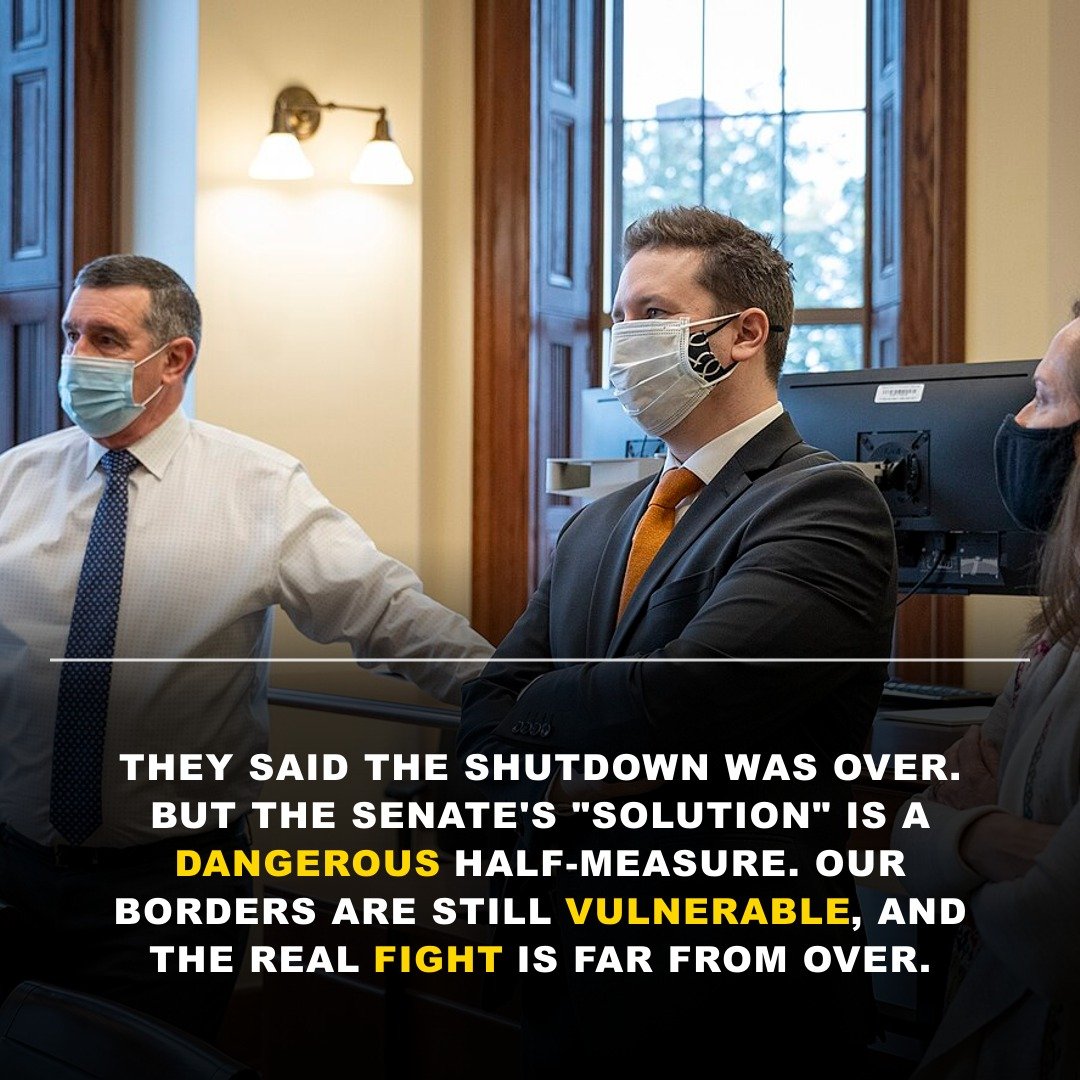
“They call it a compromise, but it feels more like a surrender to the status quo. Our borders are a national security issue, not a bargaining chip.”
The very purpose of DHS is to secure the homeland. How can they fulfill that mandate if they are operating with one hand tied behind their back? This isn’t just a shutdown; it’s a strategic weakening of our defenses. And for whom? For what political gain?
The Swamp’s Favorite Game: Kick the Can
This isn’t the first time we’ve seen this kind of charade, and it certainly won’t be the last. Washington’s favorite pastime seems to be kicking critical issues down the road, hoping they’ll magically resolve themselves, or at least become someone else’s problem. This DHS funding vote is a prime example of that mentality.
Instead of addressing the root causes of the border crisis, instead of fully funding the agencies tasked with protecting us, they’ve opted for a temporary fix that will inevitably lead to another crisis down the line. It’s a cycle of manufactured urgency followed by half-baked solutions, leaving the American people to wonder if anyone in D.C. is serious about their jobs.
Are we supposed to be grateful for a partial solution to a problem they created? Are we to applaud them for doing the bare minimum? This isn’t leadership; it’s crisis management on a loop. It’s a testament to how broken our political system has become, where scoring political points often trumps genuine governance.
What Happens Next? More Uncertainty, More Danger
So, what does this ‘solution’ actually solve? It ends the immediate partial shutdown, yes. But it leaves a lingering sense of uncertainty and vulnerability. It doesn’t provide the long-term stability and resources that DHS critically needs. It doesn’t send a strong message to those attempting to cross our borders illegally that our nation is serious about enforcement.
Instead, it perpetuates the idea that our national security can be negotiated in increments, that our borders can be protected on a shoestring budget, and that political gridlock is simply the cost of doing business in Washington. This isn’t just disheartening; it’s dangerous. It signals weakness and indecision at a time when strength and clarity are paramount.
The real fight for a secure border and a fully functioning DHS is far from over. This Senate vote is merely a pause, a temporary reprieve before the next inevitable standoff. And while they pat themselves on the back for ‘ending’ the shutdown, the truth is, they’ve just set the stage for the next act in Washington’s never-ending political drama. Are we truly paying attention to the implications, or are we falling for the illusion?
Leave a Reply