Hold onto your hats, because we need to talk about something truly infuriating. While Washington elites squabble over petty political points, a policy known as the Mexico City Policy – or as many rightly call it, the Global Gag Rule – is quietly wreaking havoc on millions of lives across the planet. This isn’t just about partisan bickering; it’s about life and death, and it’s a cycle of cruelty that needs to END.
Every time the Oval Office changes hands, a dangerous game of political football begins, with the health and autonomy of vulnerable women and communities hanging precariously in the balance. It’s a shocking display of how American domestic politics can reach across oceans to dictate healthcare access, often with devastating consequences.
Are we truly a nation that believes in global health and stability, or are we content to let our ideological battles be fought on the backs of those who need our help the most? The reality of the Mexico City Policy is far more grim than most realize, and it’s time to expose the truth.
What IS This Vicious “Global Gag Rule”?
So, what exactly is this policy that causes such an uproar? Simply put, the Mexico City Policy dictates that any international non-governmental organization (NGO) that receives US global health assistance cannot perform abortions, counsel on abortion, or advocate for abortion rights. And here’s the kicker: this applies even if those activities are funded by non-US sources!
Think about that for a second. The US government is essentially telling organizations, “Take our money, but if you even *talk* about abortion, or offer it with your *own* funds, you get NOTHING.” It’s a shocking overreach, a blatant attempt to impose American domestic political views on sovereign nations and their healthcare providers.
It’s not just about abortion, either. This policy often forces organizations to make an impossible choice: either lose crucial funding for ALL their services – including contraception, maternal care, HIV/AIDS prevention, and childhood immunizations – or completely abandon comprehensive reproductive health care.
“The Mexico City Policy doesn’t reduce abortions; it makes them less safe. It forces organizations to choose between vital aid and providing comprehensive care, often leaving women with no options.”
– Global Health Advocate
The Revolving Door of Cruelty: A Political Football
The truly maddening part? This isn’t a stable, consistent policy. It’s a political ping-pong ball, bouncing back and forth with every change in presidential administration. It was first enacted by President Reagan in 1984, then rescinded by President Clinton in 1993. President George W. Bush reinstated it in 2001, only for President Obama to reverse it again in 2009.
Then came President Trump, who not only reinstated it in 2017 but dramatically expanded its scope, applying it to nearly all US global health funding – a staggering $12 billion. And true to form, President Biden rescinded it once more in 2021. This isn’t governance; it’s a chaotic, irresponsible merry-go-round.
- Reagan (1984): Enacted
- Clinton (1993): Rescinded
- Bush (2001): Reinstated
- Obama (2009): Rescinded
- Trump (2017): Reinstated and Expanded
- Biden (2021): Rescinded
Can you imagine trying to run a healthcare organization in a developing country, trying to plan for the long-term health needs of your community, when your funding hangs by the thread of an American election cycle? It’s not just inefficient; it’s morally bankrupt.
The REAL Human Cost: More Than Just Politics
While politicians in Washington pat themselves on the back (or tear each other down), real people on the ground are suffering. When NGOs lose US funding, they often have to cut essential services. This isn’t some abstract concept; it means:
- Fewer women getting access to contraception, leading to more unintended pregnancies.
- A rise in unsafe abortions, as women desperate to terminate pregnancies resort to dangerous methods.
- Reduced access to critical maternal health services, increasing maternal mortality rates.
- Cuts to HIV/AIDS prevention and treatment programs, exacerbating a global crisis.
These aren’t just statistics; these are mothers, daughters, sisters, and entire communities whose health and futures are jeopardized by a policy designed to score political points back home. The hypocrisy is astounding: claiming to care about global health while simultaneously dismantling the very infrastructure that provides it.
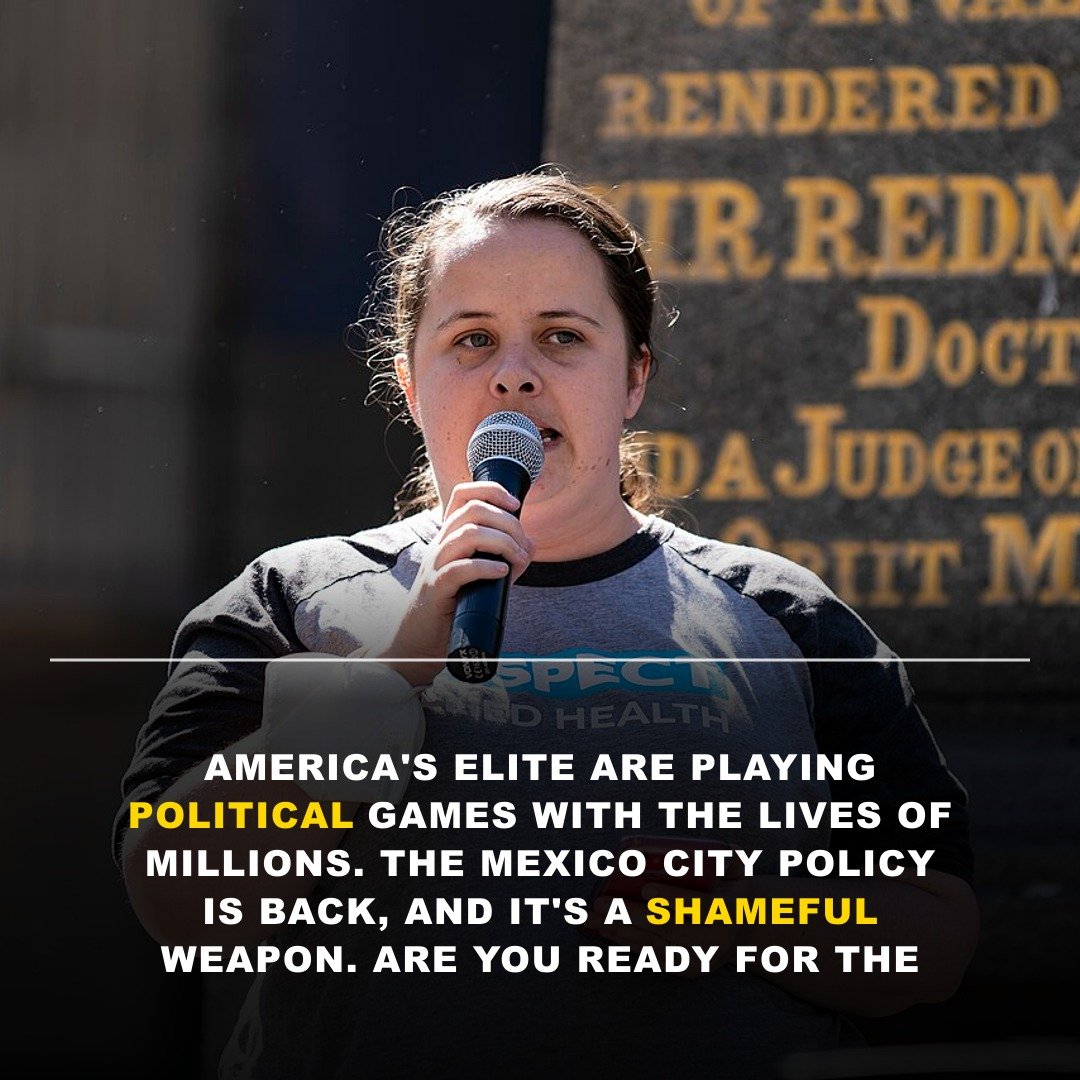
The policy doesn’t stop abortions; it just stops *safe* abortions. It doesn’t promote life; it endangers it. This isn’t an exaggeration; it’s the documented reality reported by countless health organizations and researchers on the front lines.
Beyond the Gag: The Wider Impact on Global Health
It’s crucial to understand that the “gag” doesn’t just affect abortion services. Many international NGOs provide a comprehensive suite of health services. They are often the only lifeline for remote or impoverished communities.
When these organizations are forced to choose, they often prioritize other services to maintain funding, leading to massive gaps in reproductive healthcare. This means fewer family planning options, less education on sexual health, and ultimately, a regression in women’s health and empowerment.
The policy creates a chilling effect, where organizations self-censor and restrict their activities to avoid any perceived violation, even if it means withholding crucial information or services. This isn’t empowering; it’s controlling, and it undermines the very principles of humanitarian aid.
The Ideological Battleground: Exporting Domestic Divides
At its core, the Mexico City Policy is a projection of America’s deeply entrenched domestic abortion debate onto the global stage. It’s an attempt to export one side of a highly contentious issue, forcing other nations and organizations to conform to a specific ideological viewpoint, regardless of their own laws, cultural norms, or public health needs.
This raises profound questions about sovereignty and international cooperation. Should one nation’s internal political battles dictate the healthcare options available to citizens of other countries? Many argue it’s a form of coercive diplomacy, using aid as a weapon to enforce a particular moral stance.
While anti-abortion advocates praise the policy as a way to prevent US taxpayer dollars from supporting abortion, critics argue it’s a blunt instrument that harms far more than it helps, leading to unintended consequences that ultimately increase suffering and undermine development goals.
What’s Next for This Shameful Cycle?
With another presidential election looming, the question isn’t *if* the Mexico City Policy will be debated again, but *when* and with what intensity. Will we see another president reinstate it, plunging global health organizations into uncertainty and crisis yet again? Or will we finally see a move towards a more stable, compassionate, and effective approach to global health aid?
The constant flip-flopping makes long-term planning impossible for organizations working to save lives. It creates a climate of fear and instability, diverting resources and attention away from actual health challenges towards navigating political minefields.
This policy isn’t just a bureaucratic footnote; it’s a symbol of how easily political ideology can trump human needs. It’s a shameful testament to a system that prioritizes partisan wins over global well-being. It’s time to demand better from our leaders and refuse to let global health be held hostage by this cruel, revolving door of policy.
The world is watching, and the lives of millions depend on whether Washington can finally choose stability and compassion over political posturing. Are you paying attention to the real cost of these games?
Leave a Reply