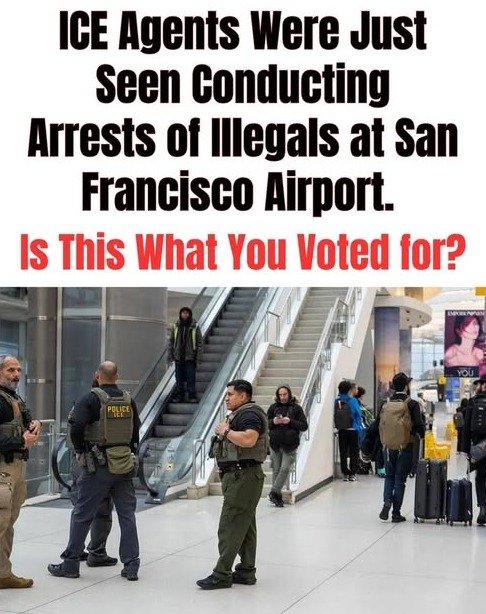
Imagine the relief of finally landing after a long journey, only to be met not by the familiar bustle of the airport, but by federal agents. This scenario is becoming an increasingly common reality for travelers across the United States, as reports of heightened immigration enforcement activity at major U.S. airports continue to surface and draw significant attention.
For many, the airport represents a gateway to new experiences or a return home. However, a silent yet significant shift is underway, transforming these hubs into active zones for federal agencies targeting specific individuals. Understanding this evolving landscape is no longer optional; it’s a critical part of being a prepared traveler in today’s world.
The Growing Presence: Who’s Behind the Enforcement?
The primary federal agencies involved in these operations are U.S. Customs and Border Protection (CBP) and U.S. Immigration and Customs Enforcement (ICE). While both fall under the Department of Homeland Security, their roles, particularly within an airport setting, can differ significantly, yet their presence is increasingly felt by passengers.
CBP agents are typically the first point of contact for international arrivals, responsible for inspecting all individuals, goods, and conveyances entering or exiting the U.S. Their authority extends to questioning travelers about their citizenship, immigration status, and purpose of travel. This is a standard procedure for anyone crossing the border.
ICE, on the other hand, is primarily focused on enforcing immigration laws within the interior of the U.S. Their airport operations often involve targeting individuals who may have outstanding deportation orders, criminal warrants, or other immigration violations that make them a priority for arrest. These encounters can happen at various points within the airport, not just at the primary inspection area.
Why the Surge in Airport Enforcement?
The increased focus on airport enforcement is part of broader federal strategies to enhance national security and enforce immigration laws more stringently. Airports serve as critical transit points, making them strategic locations for intercepting individuals who may be deemed a flight risk or a priority for removal.
These operations are often intelligence-driven, meaning agents are acting on specific information regarding an individual’s immigration status or potential criminal history. However, general questioning and random checks can also occur, leading to unexpected encounters for many travelers.
“Federal agencies have a mandate to enforce immigration laws, and airports, as international and domestic travel hubs, are natural focal points for these operations. It’s about securing borders and enforcing the integrity of our legal immigration system.” – Immigration Legal Analyst
The intent is often to identify and apprehend individuals who have overstayed their visas, violated terms of their entry, or are subject to active deportation orders. This proactive approach aims to prevent individuals from entering or remaining in the country unlawfully.
Understanding Your Rights at the Airport
Navigating an encounter with immigration enforcement can be daunting, but knowing your rights is your most powerful tool. It’s crucial to distinguish between your rights as a U.S. citizen, a legal permanent resident (green card holder), and a non-citizen visa holder.
For U.S. Citizens: You have the right to remain silent and should not be asked about your immigration status. You cannot be detained without a warrant or probable cause. However, you must still present valid identification when requested.
For Legal Permanent Residents (Green Card Holders): You have many of the same rights as citizens, including the right to remain silent. You should carry your green card at all times. While you can be questioned about your immigration status, you cannot be deported without due process.
For Non-Citizens (Visa Holders, etc.): Your rights are more limited. CBP has broad authority at ports of entry. You generally must answer questions about your identity and immigration status. However, you still have the right to consult an attorney if you are detained or asked to sign anything you don’t understand.
Common Scenarios and What to Expect
Immigration enforcement activity at airports can manifest in several ways. Travelers might encounter agents at the primary inspection point upon international arrival, during secondary screening, or even at domestic gates or baggage claim areas.
- Primary Inspection: Standard questioning by CBP officers when entering the U.S.
- Secondary Inspection: If an officer has further questions or concerns, you may be directed to a secondary inspection area for more in-depth questioning and document review.
- Gate or Baggage Claim Encounters: ICE agents may intercept individuals at the gate as they disembark a flight or at the baggage claim area, often based on specific intelligence.
- Random Checks: While less common for ICE, CBP can conduct random checks or question individuals in the general airport vicinity, especially in areas considered international zones.
It’s important to remain calm and respectful during any interaction. While you have rights, being confrontational can complicate the situation. Always ask if you are free to leave; if the answer is no, you are being detained.
Preparing for Your Next Flight: Essential Tips
Given the heightened enforcement, preparation is key. Taking a few proactive steps can help ensure a smoother travel experience and empower you if an encounter occurs.
1. Carry All Essential Documents: Always have your passport, visa, green card, and any other relevant immigration documents readily accessible. For non-citizens, also carry proof of your current status (e.g., I-20 for students, I-797 for H-1B). Ensure all documents are valid and up-to-date.
2. Know Your Rights: Research and understand your specific rights based on your immigration status. Organizations like the ACLU and immigration legal aid groups offer detailed guides. Knowing what you can and cannot be compelled to do is invaluable.
3. Consult an Attorney: If you have any concerns about your immigration status, a past violation, or an active order, consult with an immigration attorney *before* you travel. They can advise you on potential risks and how to best prepare.
4. Remain Calm and Respectful: During an encounter, stay calm. Do not lie or present false documents. If you are a non-citizen, answer basic questions about your identity and immigration status truthfully. If you are a U.S. citizen or LPR, you can assert your right to remain silent regarding other questions.
5. Do Not Sign Anything You Don’t Understand: Never sign any document without fully understanding its contents and implications. If you are unsure, state that you wish to consult an attorney before signing.
The Broader Impact on Travelers
The increased visibility of immigration enforcement at airports undoubtedly creates a climate of anxiety for many travelers, regardless of their immigration status. Stories of individuals being detained or questioned for extended periods can deter travel and foster a sense of unease.
This enforcement focus also sparks ongoing debates about privacy, civil liberties, and the balance between national security and individual rights. Advocacy groups frequently raise concerns about racial profiling and the potential for overreach by federal agents, emphasizing the need for transparency and accountability.
For families, these operations can be particularly distressing, leading to separations and significant emotional hardship. The fear of an airport encounter can influence travel decisions, especially for mixed-status families.
Staying Informed: Your Best Defense
In an environment where enforcement policies can shift and operations intensify, staying informed is your best defense. Regularly check reliable news sources, immigration legal advisories, and official government announcements regarding travel and immigration policies.
The landscape of immigration enforcement at U.S. airports is dynamic and complex. While federal agencies continue their operations to uphold immigration laws, travelers must be equally prepared and knowledgeable about their rights and responsibilities. Your next flight should be about your journey, not about unexpected legal challenges. Be informed, be prepared, and travel safely.
Leave a Reply